
 Corporate Looting vs Public Health
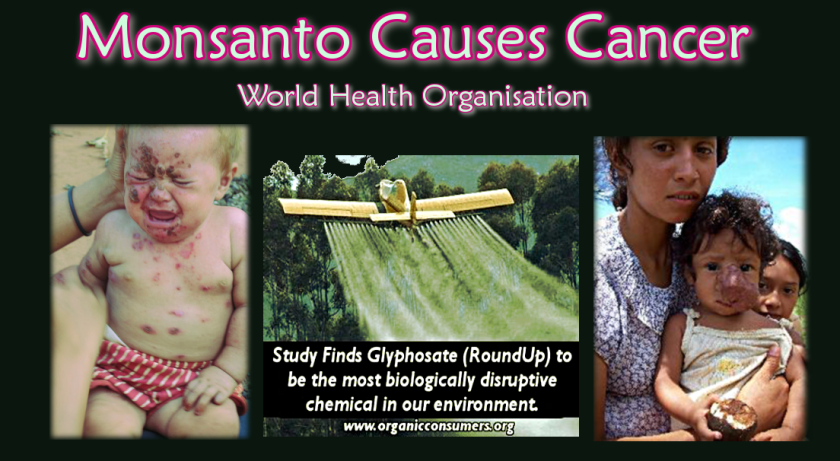
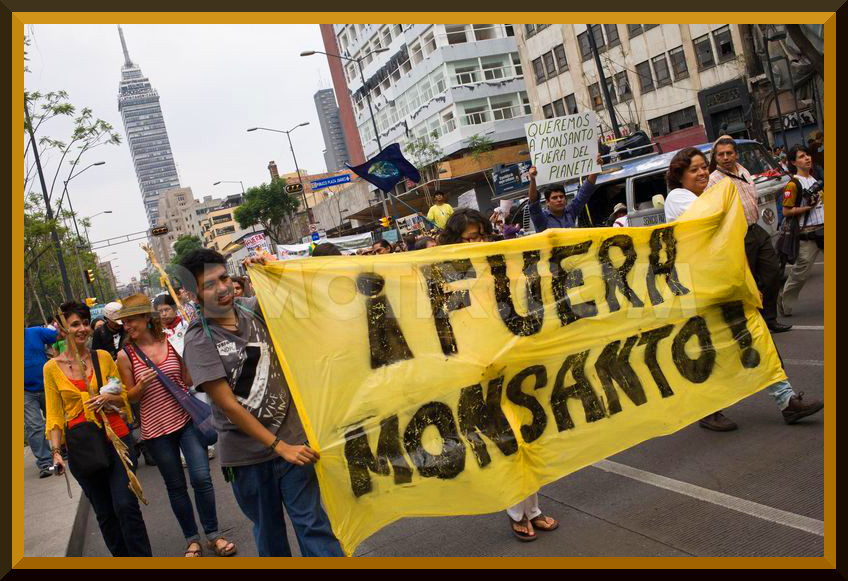
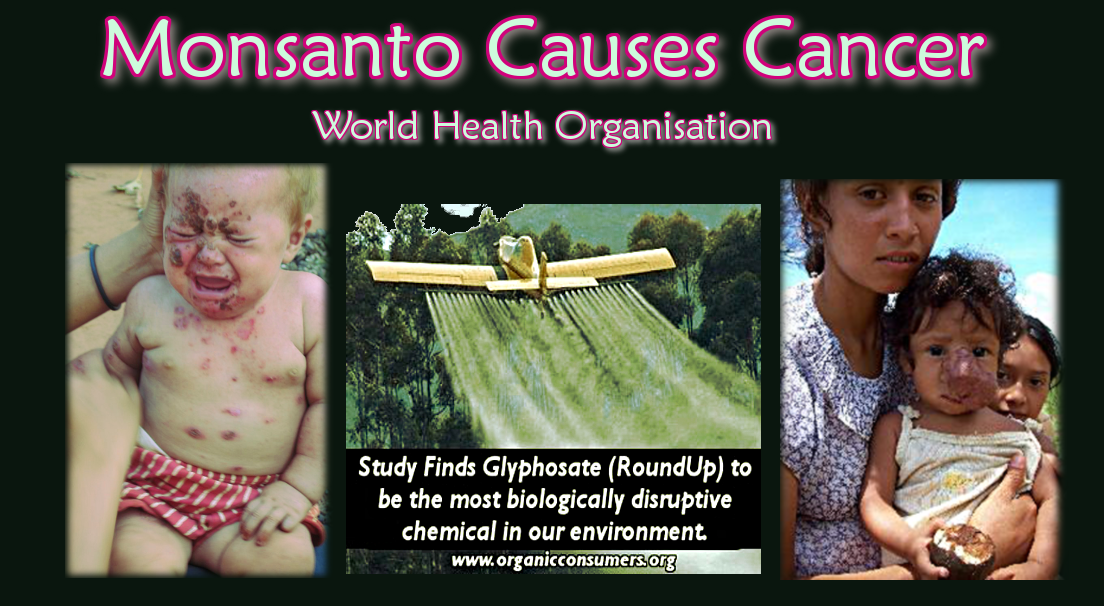
Last year the World Health Organisation finally labelled the biggest selling weedkiller Roundup as ‘probably cancer causing’. This after decades of sellout to Monsanto’s tame scientists and the incalculable suffering of millions of people. (The word ‘probably’ is just to defend against the lobby’s legal machine, there are thousands of documented deaths).
Nowadays Roundup is everywhere, cumulative and persistent, in your food, in parks, crops, picnic spots, roadsides… By chance its authorization in the EU has just come up for renewal and all hell has broken loose as Monsanto tries everything to covertly bribe or threaten officials (ie. lobbying) and citizens and victims campaign try to ban it.
The owners of this US corporation have made countless billions and continue selling a product they KNEW FROM THE BEGINNING causes cancer and all kinds of deformations
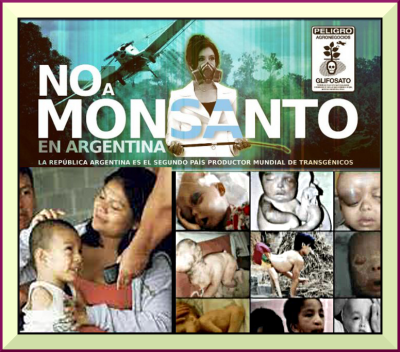
Sevilla joins the ban on glyphosate
Seville City Council approved unanimously in April a bid to ban the use of glyphosate in the municipality./ SCOT NELSON , Diagonal
Sevilla became t the latest city to prohibit the application of glyphosate to non-agricultural uses in the municipality. The motion which prohibits it was presented at the request of Ecologists in Action and signed by the municipal group United Left, and the Socialist Party, and was finally approved unanimously by all political groups.
The proposal of Ecologists is based on the classification in March 2015 of this pesticide, the most used in the world, as agent “probably cancerogenous in humans” by the International Agency for Research on Cancer, part of the World Health Organization .
According to the motion passed by the City of Sevilla, glyphosate is banned in public spaces, roads, railways or service networks in the entire municipality. Its use will be replaced by methods that do not harm health or the environment, such as mechanical and thermal methods.
Also, the Consistory is committed to “encourage a reduction in agricultural use and application in safety” as well as to sensitize neighbors to prevent domestic use of herbicides. On the other hand, they also agreed to the request by the Administration to not use this product in the city of Sevilla.
The Directive of the European Parliament in 2009 demands that Member States “shall ensure, minimize or prohibit the use of pesticides” in roads, areas used by the general public or vulnerable groups (parks, gardens , playgrounds, nearby health care facilities … spaces). Furthermore, when in doubt that a product may be harmful to the health of the population, Administrations are required to apply the ‘precautionary principle’ and therefore avoid its use.
Sevilla thus joins the list of nearly 50 cities, including Barcelona, Tarragona, Badalona, Zaragoza Alcobendas, whiuch have banned or restricted the use of glyphosate in their municipalities, a ban which was also joined last March 11 by the autonomous community of Extremadura.
EU Committee Votes AGAINST Renewal of Glyphosate Herbicide
Cites its carcinogenicity and endocrine disruptive properties

Voting to uphold this objection were 36 members, while 6 members voted against it and 18 did not vote.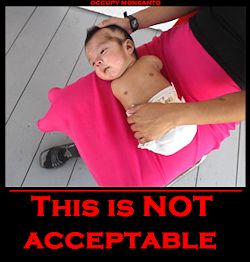
ENVI stated: “So long as serious concerns remain about the carcinogenicity and endocrine disruptive properties of the herbicide glyphosate, which is used in hundreds of farm, forestry, urban and garden applications, the EU Commission should not renew its authorization. Instead, it should commission an independent review and disclose all the scientific evidence that the s (EFSA) used to assess glyphosate.”
Members also called the herbicide’s re-authorization “irresponsible and unacceptable.”
Read more: http://naturalsociety.com/eu-committee-wont-renew-glyphosate-69384/#ixzz457njhV1f
Follow us: @naturalsociety on Twitter | NaturalSociety on Facebook
 original en español
Sevilla se suma a la prohibición del glifosato
El Ayuntamiento de Sevilla aprobó en la tarde dl 4 de abril, por unanimidad, la prohibición del uso del glifosato en su término municipal. Diagonal 05/04/16 · 15:54

inforelacionada
Sevilla se convirtió en la tarde del 4 de abril en la última ciudad en prohibir la aplicación del glifosato para usos no agrícolas en su término municipal. La moción que establece la prohibición, presentada a petición de Ecologistas en Acción y suscrita por los grupos municipales de Izquierda Unida, Participa Sevilla y el Partido Socialista, fue finalmente aprobada por unanimidad por todos los grupos políticos.
La propuesta de Ecologistas se sustenta en la clasificación en marzo de 2015 de este pesticida, el más utilizado del mundo, como agente “probablemente cancerígenopara los seres humanos” por parte de la Agencia Internacional de Investigación sobre el Cáncer, perteneciente a la Organización Mundial de la Salud.
Según la moción aprobada por el Ayuntamiento de Sevilla, el glifosato queda prohibido en los espacios de uso público, carreteras, ferrocarriles o redes de servicio en la totalidad del término municipal. Su uso será sustituido por métodos que no dañen la salud ni el medio ambiente, como métodos mecánicos y térmicos.
Para que esta moción se haga efectiva, a partir de este momento el Ayuntamiento incluirá la prohibición de este producto en los pliegos de prescripciones técnicasque rigen la contratación de los servicios de mantenimiento de zonas verdes y otros espacios del municipio.
Asimismo, el Consistorio se compromete a “fomentar una reducción de su uso agrario y una aplicación en condiciones de seguridad”, además de a sensibilizar a los vecinos para evitar el uso doméstico de herbicidas. Por otro lado, también se compromete a solicitar al resto de Administraciones la no utilización de este producto en el término municipal de Sevilla.
Además de su declaración como agente probablemente cancerígeno, una directiva del Parlamento Europeo de 2009 establece que los Estados miembros “velarán por que se minimice o prohíba el uso de plaguicidas” en carreteras, espacios utilizados por el público general o grupos vulnerables (parques, jardines, áreas de recreo, espacios cercanos a centros de asistencia sanitaria…). Además, ante la duda de que un producto pueda resultar perjudicial para la salud de la población, las Administraciones están obligadas a aplicar el ‘principio de precaución’ y, por tanto, evitar su utilización.
Sevilla se suma así a la lista de casi 50 ciudades que, como Barcelona, Tarragona, Badalona, Zaragoza o Alcobendas, han prohibido o restringido el uso del glifosato en sus términos municipales, una prohibición a la que también se sumó el pasado 11 de marzo la comunidad autónoma de Extremadura.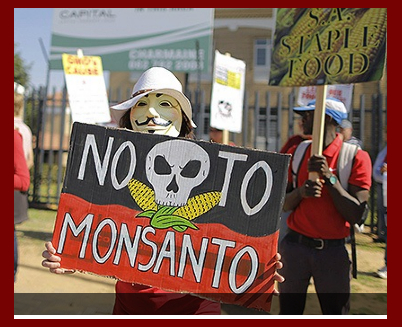
related… The Dutch Ban Roundup, France and Brazil to Soon
5-million-nigerians-reject-monsantos-gm-cotton-and-corn

 The Free
One thought on “Will Monsanto’s Cancer Chemicals be approved? Glyphosate banned in 50 Spanish Cities”