The Free is a book and a blog. .”the most detailed fictional treatment of the movement from a world recognizably like our own to an anarchist society that I have read.. imagined strongly enough to allow readers to believe that events could happen this way.” 555,225 blog reads so far (2023).
“The protesters are demonstrating against social unrest, as well as against the system itself. As with most demonstrations seen across Europe in recent days, the common threads are housing prices, the cost of living, education, and the perception that governments are failing to address everyday problems.”
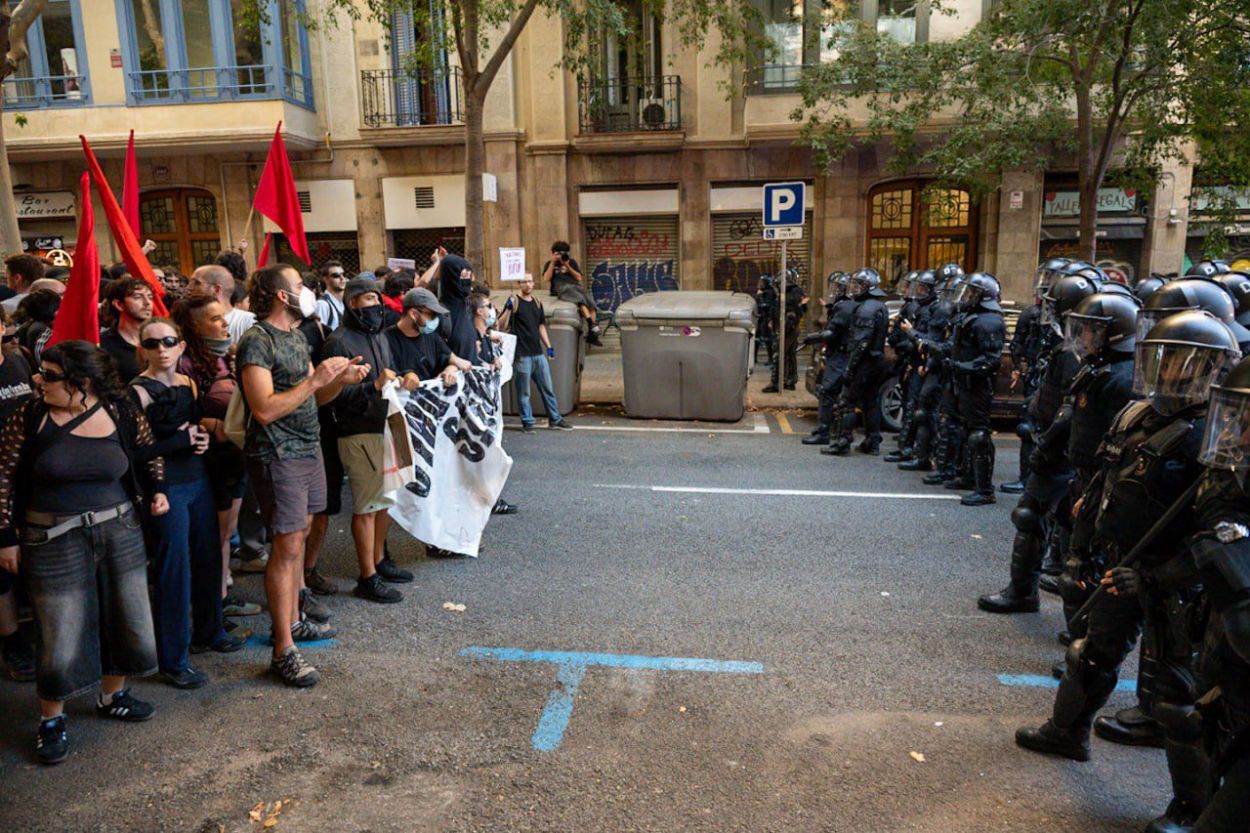
“The Mossos (regional police) note that the demonstration is unauthorized, as no prior notification was provided.”
Protests inspired by movements in Europe, leave over 100 people arrested.
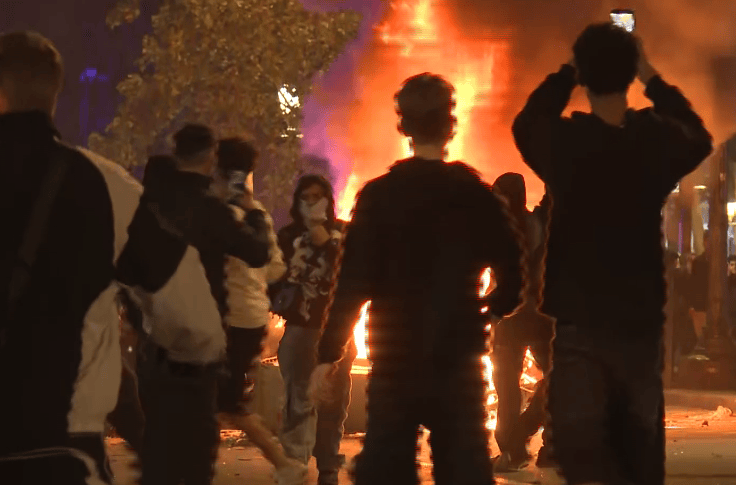
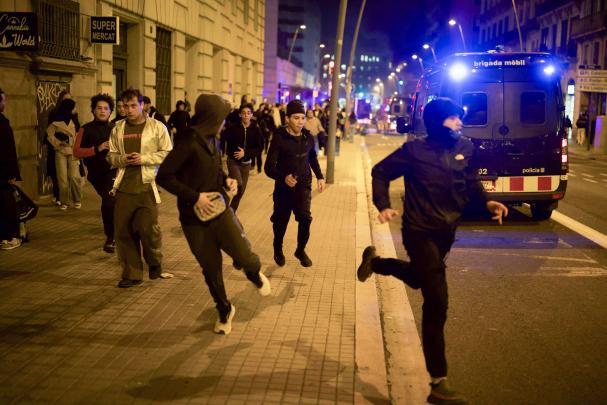
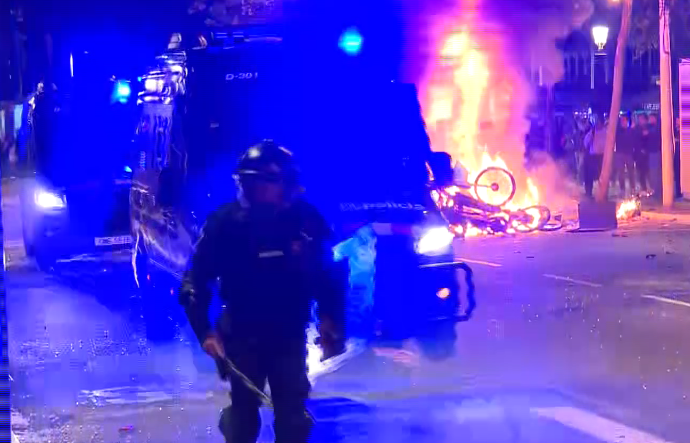
The first incidents were recorded during the afternoon, and the tension escalated.
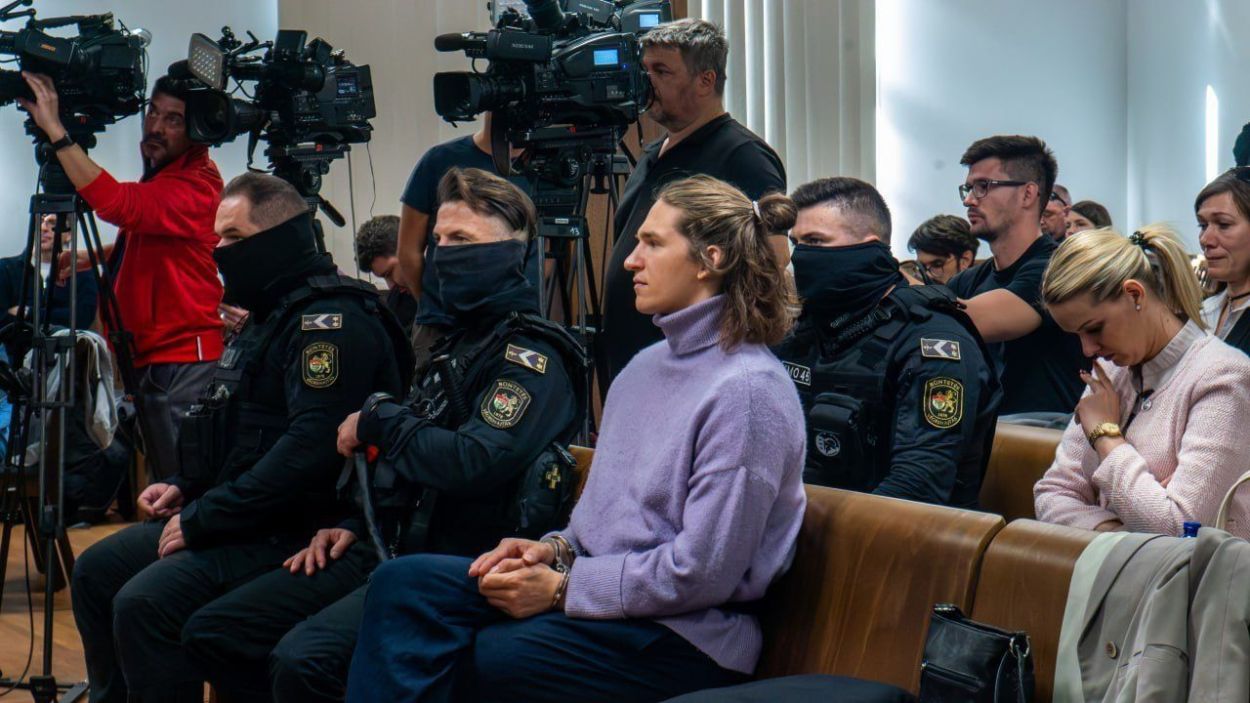
7 years in prison: Sentence against Maja T. upheld ⚖️
The Budapest Court of Appeal has sentenced the non-binary anti-fascist activist Maja T. to seven years in prison in the second instance, and the co-defendant Gabriele M. to six years in prison, in her absence. The sentences are therefore one year less than in the first instance. The sentence against Anna M., who was also absent, remained unchanged at two years in prison. 📉
In February, the Budapest municipal court had initially sentenced Maja T. after approximately 600 days of pre-trial detention. Supporters described the proceedings as a “farce” against the anti-fascist organization, which some in Hungary classify as a terrorist group. It is not known when or if T. will be transferred to a German prison. 🇭🇺🇩🇪
Early this afternoon, in Paris, a judicial decision is expected regarding the extradition of the anti-fascist activist Gino A. If he is deported to Germany, he will likely be transferred to Hungary. 🇫🇷➡️🇩🇪
The anti-fascist activists are accused of attacking neo-Nazis during a commemorative march for the SS in the spring of 2023.
😡7 años de prisión: Sentencia contra Maja T. firme ⚖️
El tribunal de apelación de Budapest ha condenado, en segunda instancia, a la activista antifascista no binaria Maja T. a siete años de prisión, y a la coacusada Gabriele M. a seis años de prisión, en su ausencia. Las penas son, por lo tanto, un año más bajas que en la primera instancia. La sentencia contra Anna M., que también estaba ausente, se mantuvo sin cambios en dos años de prisión. 📉
En febrero, el tribunal municipal de Budapest había condenado a Maja T. por primera vez después de aproximadamente 600 días de detención preventiva. Los partidarios calificaron el proceso como una “farsa” contra la organización antifascista, que algunos en Hungría clasifican como terrorista. No se sabe cuándo ni si T. será trasladada a una prisión alemana. 🇭🇺🇩🇪
A primera hora de la tarde, en París, se espera la decisión judicial sobre la extradición del activista antifascista Gino A. Si es deportado a Alemania, es probable que sea trasladado a Hungría. 🇫🇷➡️🇩🇪
A los activistas antifascistas se les acusa de atacar a neonazis durante una marcha conmemorativa de las SS en la primavera de 2023.
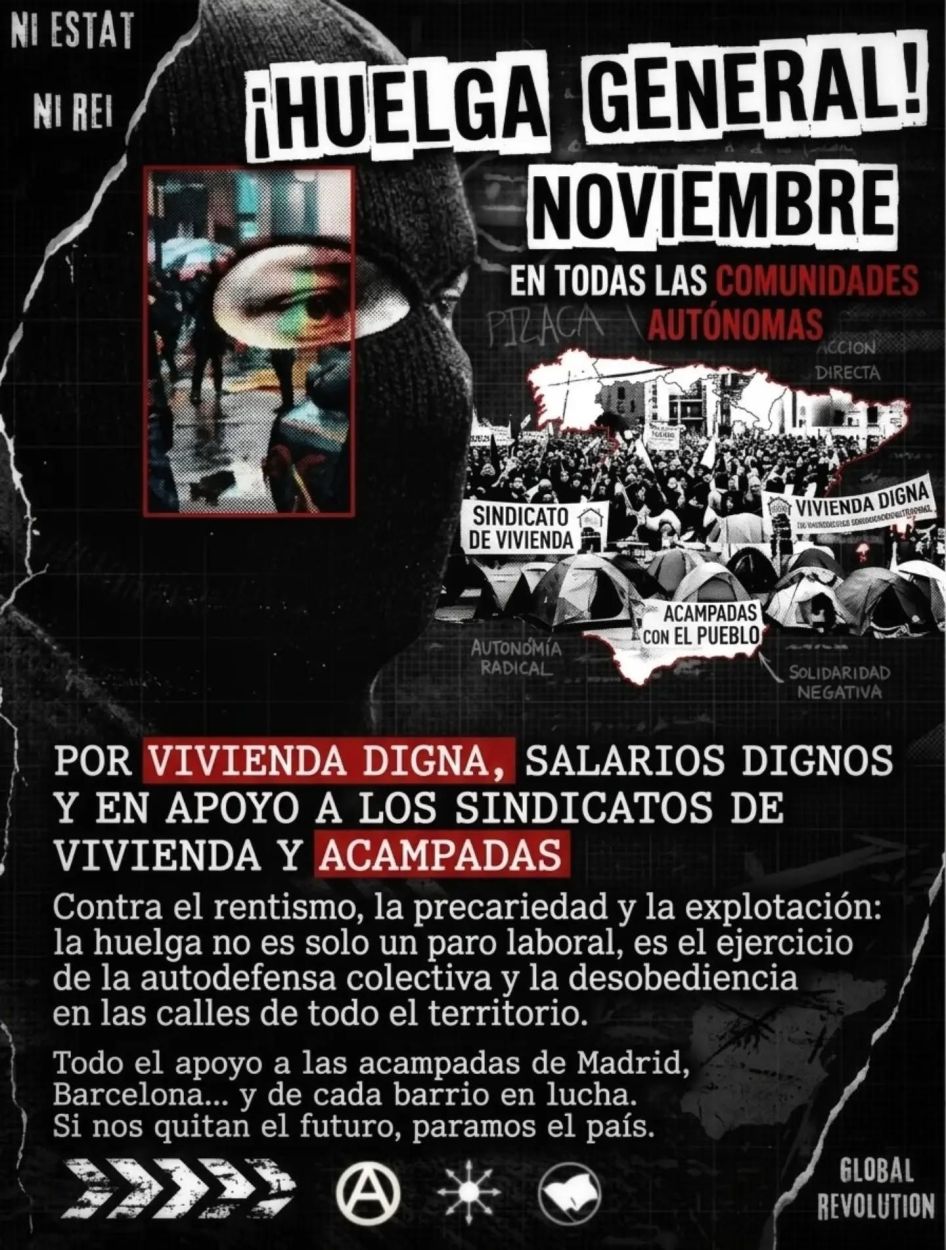
The social contract has expired: either we organize ourselves, or we will disappear.
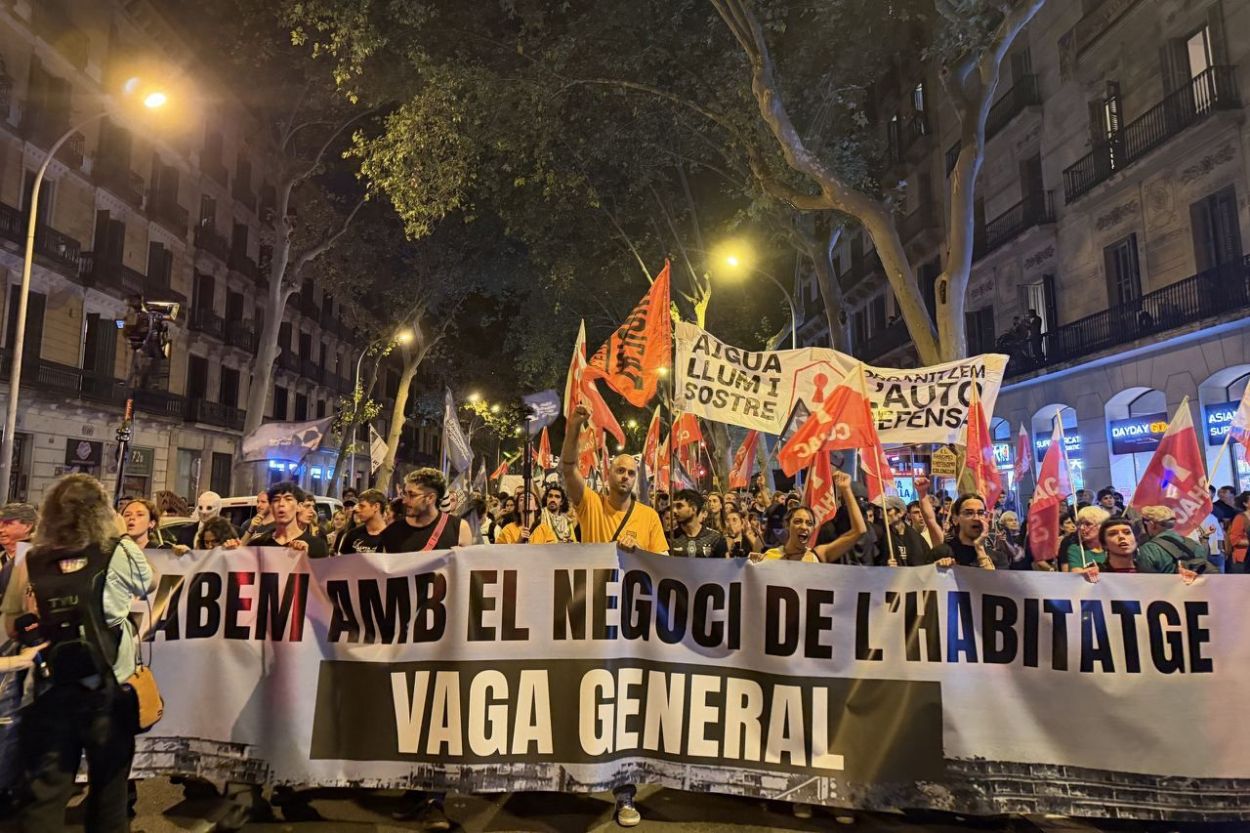
This general strike in November is not a plea to power, nor a negotiation for scraps; it is an act of collective force, of disobedience and sabotage against the machinery of capital and its parasites.
The system of exploitation that dispossesses us, the miserable wages, and the state that protects them, cannot be reformed; they must be fought.
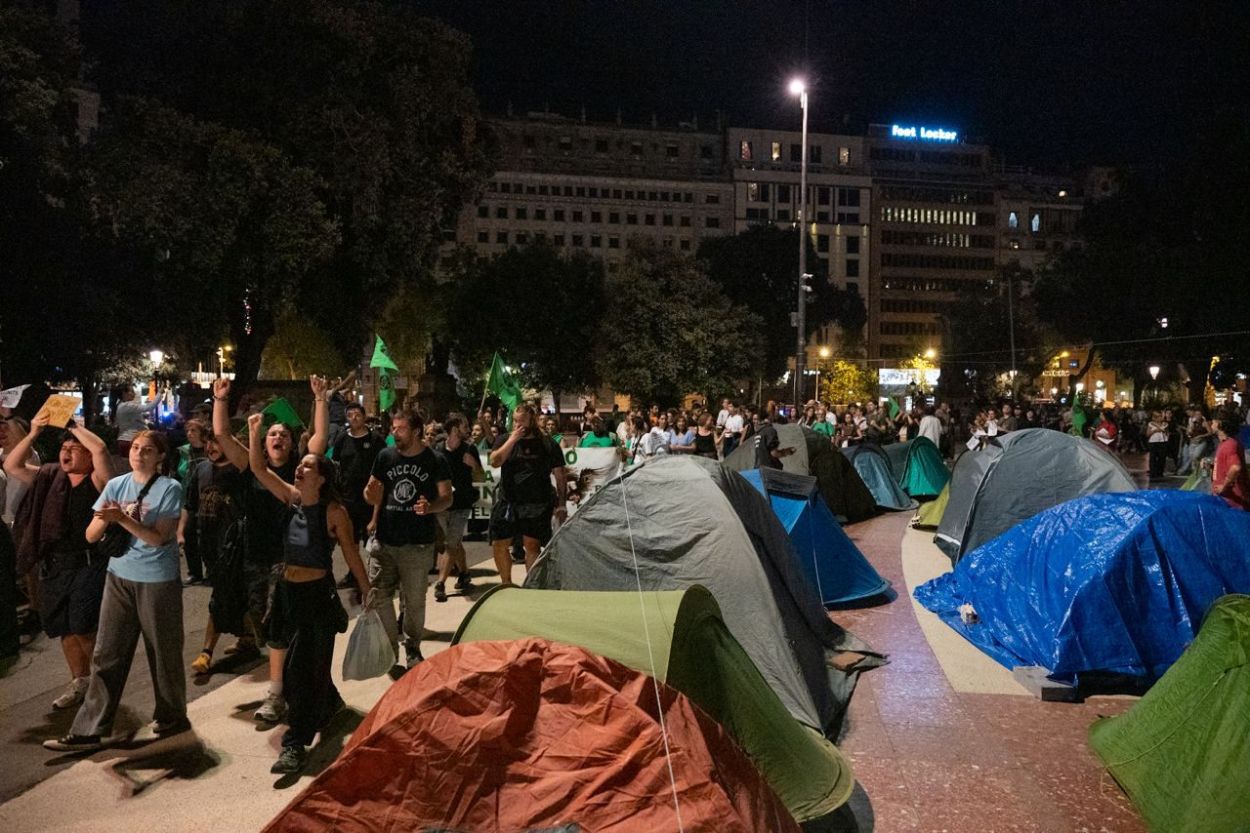
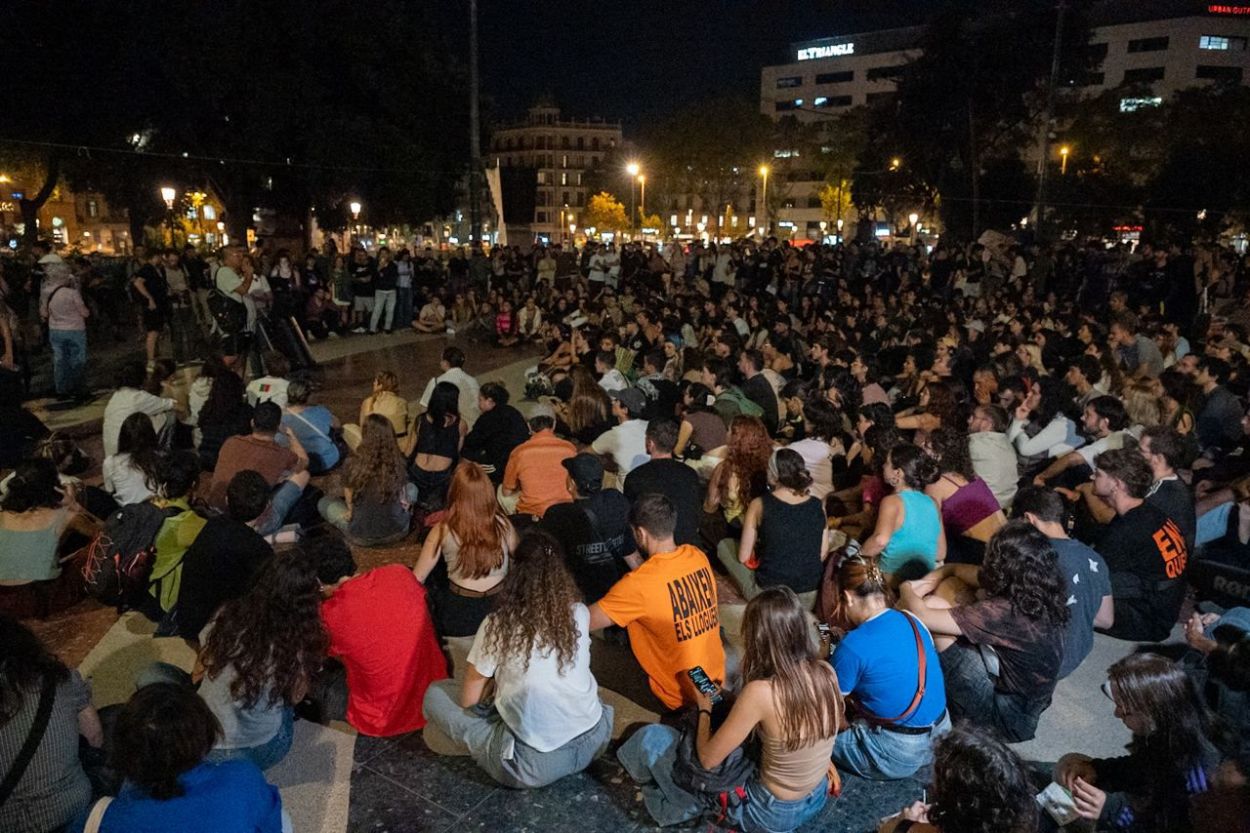
Taking to the streets, setting up encampments in Madrid, Barcelona, and every neighborhood in resistance, is a reminder to them that the order they defend only exists because we work, pay, and remain silent. Submission is over.
“Neither State nor King,” neither masters of the land nor managers of our misery. If they deny us a dignified life, the territory will come to a standstill. The strike is self-defense, and the future is won without asking permission.
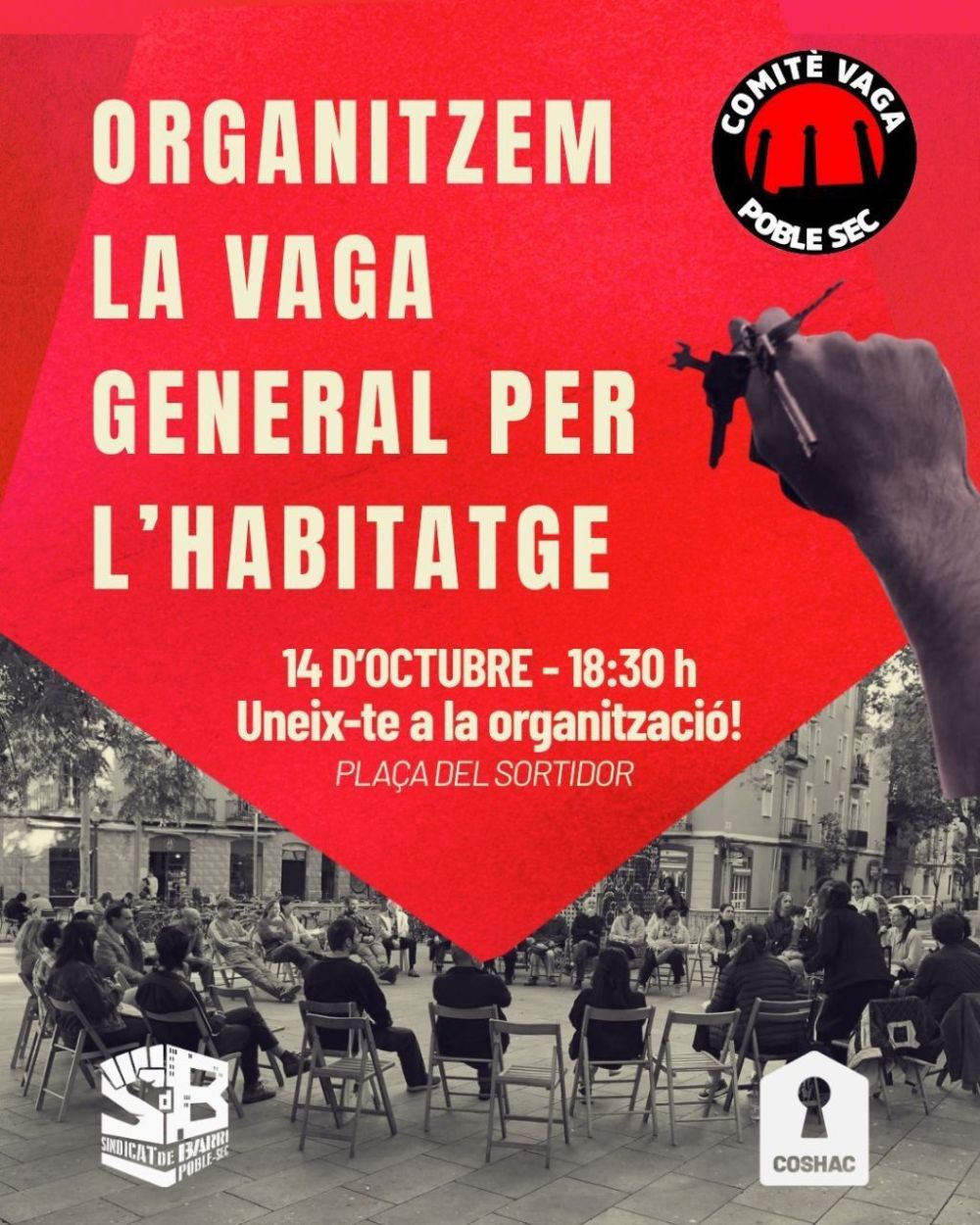
Let’s launch the strike committee for Poble Sec! We are organizing the general strike for housing #11N.
Because living should not be a privilege, and because it’s already costing us our lives.
💥Come and participate!💥
5 reasons to hold a general strike for housing and a decent wage:
1⃣ Permanent contracts and no evictions. 2⃣ Legally mandated reduction in rents. 3⃣ Enough speculation and hoarding. 4⃣ Recognition of union rights. 5⃣ Wages and working conditions that allow for a decent life.
In the face of their businesses, we defend our homes.
🗓️ Wednesday, October 14th ⏰ 6:30 PM 📌 Pl. Sortidor
El pacto social ha caducada
El pacto social ha caducado: o nos autoorganizamos o nos extinguimos. Esta Huelga General de noviembre no es un ruego al poder ni una negociación de migajas; es un acto de fuerza colectiva, de desobediencia y sabotaje contra el engranaje del capital y sus parásitos.
El rentismo que nos desahucia, los salarios de miseria y el Estado que los custodia no se reforman, se combaten.
😡ALL OUT🤬. 11 NOV ..GENERAL STRIKE for a PLACE TO LIVE!🤯
Under the slogan “The End of the World of the Rentiers.”
There are chants calling for the end of the monarchy.
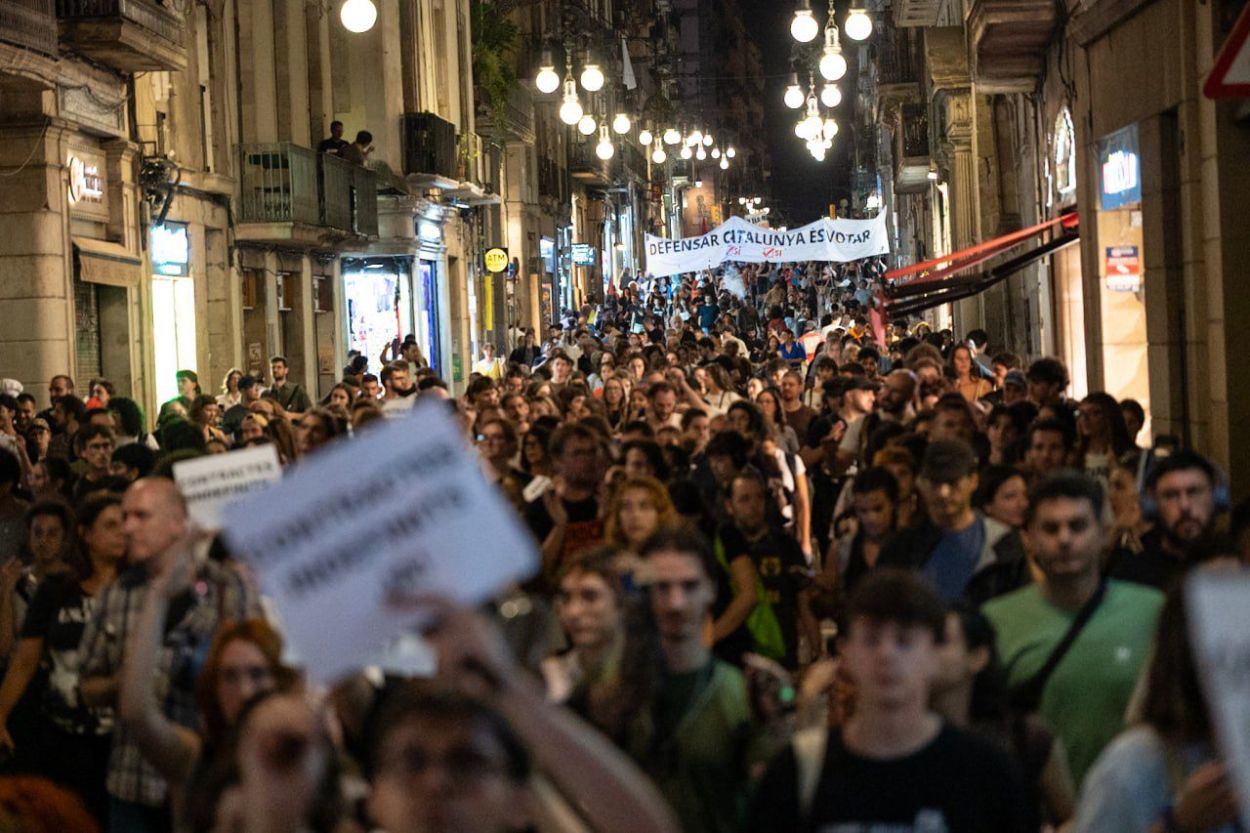
So the far-right Nacional group didn’t show up. But the police brutally beat people. And after about an hour of shock and disarray, because they hadn’t expected such a massive response from the uniformed far-right, Barcelona pushed them back, even taking them to the prefecture.
The police prevented the demonstration from reaching its conclusion. The decision was made to organize several large, spontaneous marches that kept the police at bay all night.
Barcelona was still shining brightly.
Let’s launch the strike committee for Poble Sec! We are organizing the general strike for housing #11N.
Because living should not be a privilege, and because it’s already costing us our lives.
💥Come and participate!💥
5 reasons to hold a general strike for housing and a decent wage:
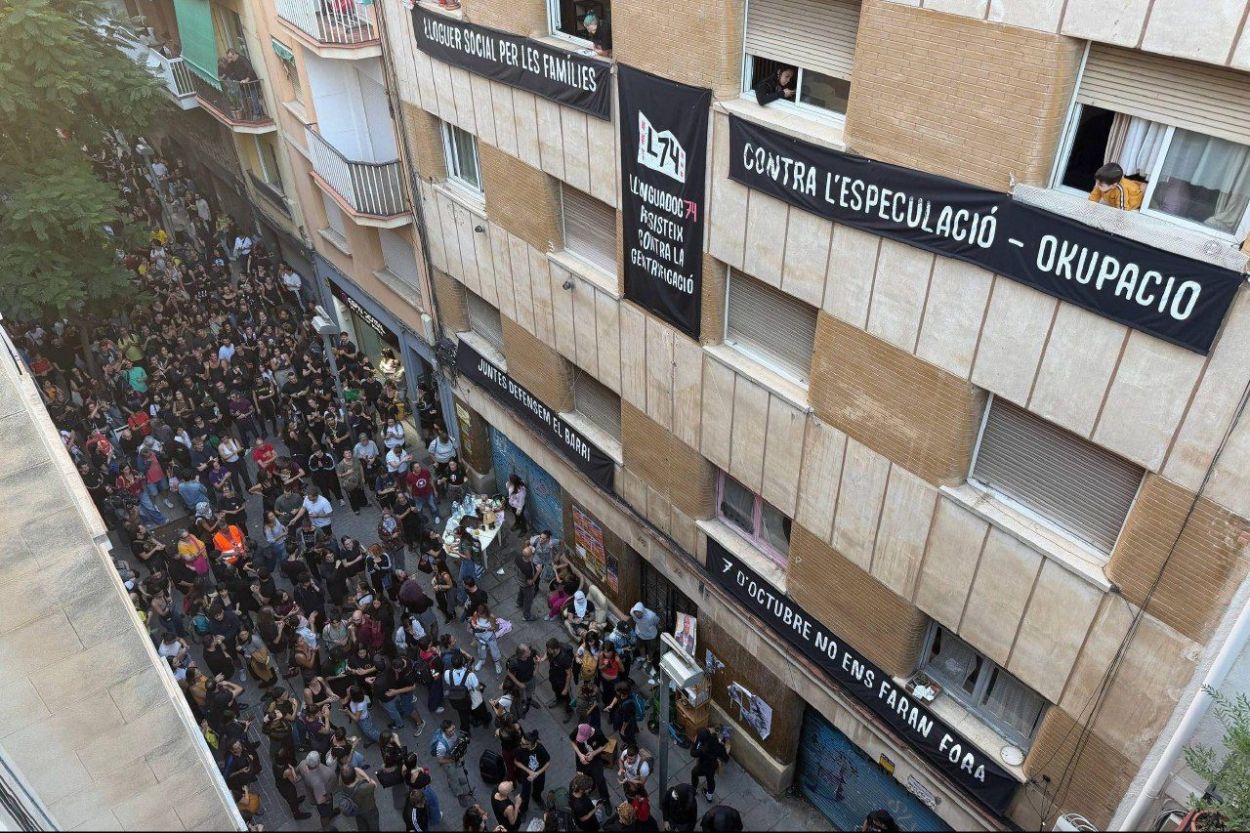
Twelve hours of massive resistance halted the eviction of the Llenguadoc building in Barcelona
Thousands of people protested from early this morning at the entrance of the building, located at 74 Llenguadoc Street in the Sant Andreu neighborhood, to prevent the eviction of the residents, including five minors and people with limited mobility.
The residents had been subjected to attacks and threats ordered by the owner, a foreign investor who owns other properties in the Catalan capital. The court had refused to halt the eviction.
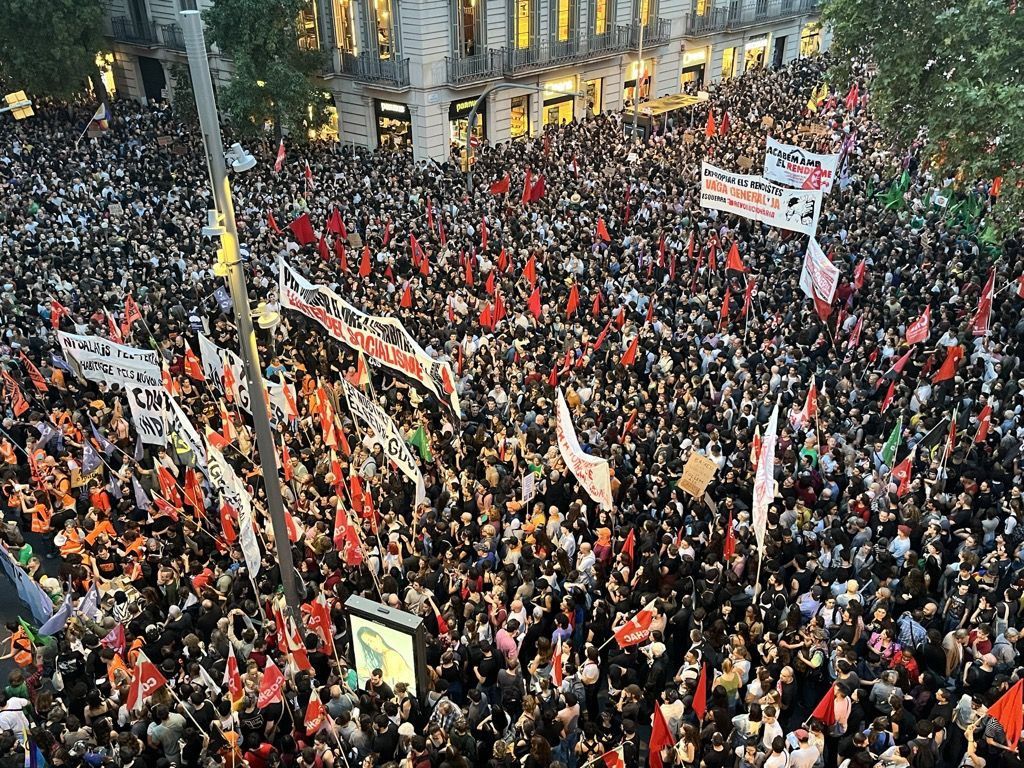
120 000 a Barcelone !
Sur le mot d’ordre de la fin du monde des rentiers. Y a des chants qui appellent a la fin de la monarchie. Alors les fafs de nucleo nacional ne sont pas venus. Mais la police a tabassé des gens salement. Et après une petite heure de sidération/désorganisation car ils ne s’attendaient pas à une telle réponse massive des fafs en uniforme, Barcelone les a repoussé jusqu’à les ramener à la pref. La police a empeché la manif d’arriver à son terme. Le choix à été fait de faire plusieurs gros cortèges sauvages qui ont repoussé la police toute la nuit. Barcelone brillait encore de mille feux.
🇮🇹 120.000 persone a o!
Con lo slogan “La fine del mondo dei rentier”. Si sentivano cori che chiedevano la fine della monarchia. Il gruppo di estrema destra Nacional non si è presentato. Ma la polizia ha picchiato brutalmente i manifestanti. E dopo circa un’ora di shock e confusione, perché non si aspettavano una risposta così massiccia da parte dell’estrema destra in uniforme, Barcellona li ha respinti, portandoli persino in prefettura. La polizia ha impedito che la manifestazione giungesse a conclusione. Si è deciso di organizzare diverse grandi marce spontanee che hanno tenuto a bada la polizia per tutta la notte. Barcellona continuava a brillare.
🇪🇸 ¡120.000 personas en Barcelona!
Bajo el lema “El fin del mundo rentista”. Se escuchan cánticos que exigen el fin de la monarquía. El grupo ultraderechista Nacional no se presentó. Sin embargo, la policía reprimió brutalmente a los manifestantes. Tras una hora de conmoción y desorden, ya que no esperaban una respuesta tan masiva de la ultraderecha uniformada, Barcelona los dispersó, incluso llevándolos hasta la prefectura. La policía impidió que la manifestación llegara a su fin. Se decidió organizar varias marchas espontáneas multitudinarias que mantuvieron a la policía a raya durante toda la noche. Barcelona seguía brillando con fuerza.
Nuestra compañera anarcofeminista Bayan Salehian es detenida por la fuerzas de seguridad iraníes
Bayan Salehian, una médica kurda de 43 años especializada en medicina interna, anarcofeminista y activista social, fue detenida de forma violenta el pasado domingo durante una operación de las fuerzas de seguridad iraníes. Bayan Salehian fue arrestada en su domicilio y trasladada a un lugar no revelado. Nuestra compañera es natural de Saqqez y reside en Urmia. …
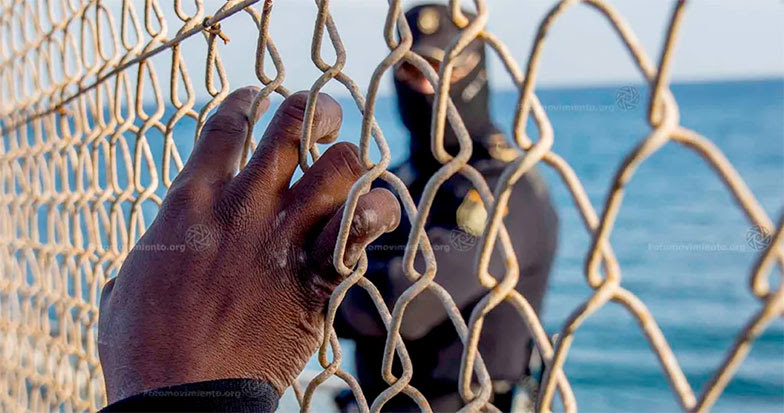
Amnistía Internacional denuncia torturas a las personas migrantes en Ceuta por parte de las autoridades
La organización acaba de publicar un informe en el que da fe de las “torturas y tratos crueles, inhumanos y degradantes a personas migrantes en Ceuta por parte de fuerzas militares”. En el informe, que ha visto la luz hace apenas unas horas, también se mencionan las “condiciones indignas de acogida”….
– Del Protocolo de 1904 a la Ofensiva Digital contra el anarquismo de la Administración Trump y el Oscurantismo de la 4T –
Los Estados han ido redefiniendo sucesivamente al “enemigo interno” (anarquista, agitador, extremista, terrorista) para justificar mecanismos cada vez más amplios de vigilancia, cooperación policial y persecución transnacional….. Leer más
Literatura
Kafka, su interés por el anarquismo y la perspectiva antiautoritaria de su obra
Como se ha señalado en otras ocasiones, no debería ya haber ninguna duda de la simpatía del gran escritor Franz Kafka hacia el anarquismo, como demuestra su cercanía a los círculo ácratas de Praga. En no pocas ocasiones, diversos autores y biógrafos han puesto en cuestión esa relación, e incluso han realizado cierto esfuerzo para desmontarla, pero tal y como señala Costa Despiniadis en su reciente libro Kafka. El anatomista del poder, dicho empeño parece más bien confirmar la relación en lugar de desmentirla. …. Leer más
Anarquismo en la Historia
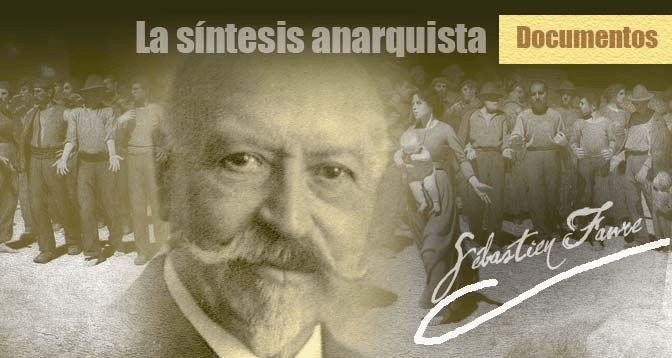
La síntesis anarquista, de Sébastien Faure
En 1926 apareció la llamada Plataforma de Archinov, un proyecto de organización del anarquismo con unidad de acción, toma de decisiones por mayoría y responsabilidad colectiva. Contestado por muchos anarquistas de todo el mundo, la Plataforma fue criticada por su componente autoritario, ajeno por completo al pensamiento libertario. En 1927, el célebre anarquista francés Sébastien Faure (1852-1942) redactó la “síntesis anarquista” como proyecto de coordinación del anarquismo organizado. Esta propuesta, aceptada por la mayoría de grupos, fue un hito importante en la estructuración del anarquismo a escala mundial, que tuvo su corolario en 1968 con la creación de la Internacional de Federaciones Anarquistas…. Leer más
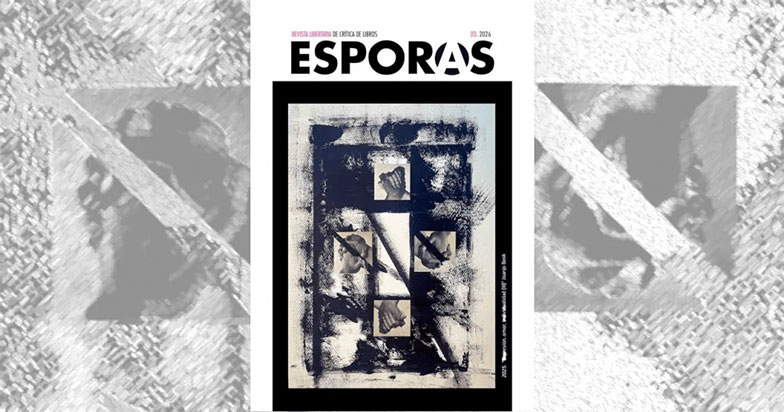
OACA Ya tenemos en la calle el número 3 de Esporas, revista libertaria de crítica de libros. Esporas es una publicación periódica puesta en marcha por un grupo de editoriales libertarias del Estado español. No solo pretende ser un espacio para la crítica literaria, sino que aspira a convertirse en una herramienta colectiva para la recomendación de libros no viciada … Leer más
FILOSOFÍA POLÍTICA – PENSAMIENTO LIBERTARIO: La CRÍTICA PERMANENTE a la DOMINACIÓN y el DOGMATISMO
La crítica libertaria a cualquier estructura de dominación implica una búsqueda amplia del campo de experimentación humana, contingente y no trascendente, así como un cuestionamiento permanente de toda certeza absoluta; especialmente, si se presenta con falaces máscaras de emancipación. …
Yesterday, October 3rd, Seville witnessed a powerful display of direct action and anger against fascism and the entire system that promotes it. Lo
Yesterday, the repressive forces were unable to contain the immense rage emanating from all those comrades who took to the streets to shout, “They shall not pass!”
Yesterday was a demonstration of unwavering determination and a complete rejection of all authority.
It’s hard to recall such a combative demonstration in Seville in recent years. Defiance prevailed, leaving resignation and fear behind.
The police used force while escorting the neo-Nazis and protecting them, but the people took the initiative. All their predictions were exceeded.
Black flags were waved, shouting “They shall not pass!” And they did not pass. They were forced to retreat to the other end of the city, escorted and with no possibility of achieving anything.
Yesterday, we won. Those who were there know it.
Not only against the neo-Nazis, but also against stagnation, complacency, superficiality, and outdated methods. It was a breath of dignity.
Original in Castillian
Ayer 3 de Octubre, se vivió en Sevilla un verdadero ejercicio de accion directa y rabia contra el fascismo y todo el orden que lo propaga. Ayer los cuerpos represivos no pudieron controlar todo el odio que rugia de dentro de todxs lxs compañerxs que quisieron salir a la calle para gritar “No pasarán”. Ayer fue toda una demostración de determinación y de rechazo frontal y total a toda autoridad. No se recuerda una manifestación tan combativa en los últimos años en Sevilla. La desobediencia se abrió paso dejando a un lado la resignación y el miedo. La policia cargó con fuerza mientras escoltaban a los nazis de NN y los protegian, pero la gente pasó a la ofensiva. Se desbordaron todas sus previsiones.
Volaron banderas negras al grito de no pasarán. Y no pasaron. Tuvieron que irse a la otra punta de la ciudad escoltados y sin posibilidad de nada. Ayer ganamos, quien estuvo lo sabe. No solo a los nazis. Tambien al inmovilismo, al ciudadanismo, al buenismo y a las viejas formas. Todo un soplo de dignidad.
by t.me/AnarchistFront_English/1262. Vía thefreeonline at t.me/thefreeonline/6442. on20/09/26
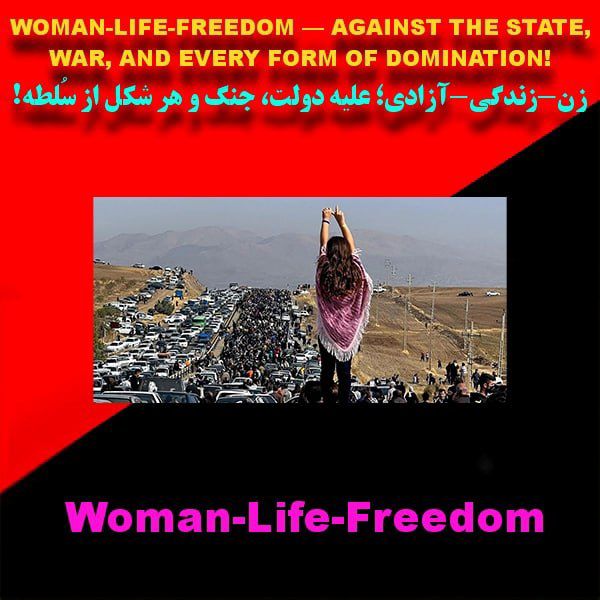
No! Author: Hasse-Nima Golkar It began in Saqqez in Kurdistan; at Mahsa (Jina) Amini’s grave. But what rose from the Aichi cemetery was not merely a protest against the killing of a young woman. The Kurdish cry “Jin-Jiyan-Azadi” — “Woman-Life-Freedom” was the cry of human beings who no longer wanted the state, religion, police, patriarchy, or ideology to dictate how they should live.
Jina became a symbol of the death of a human being at the hands of a system. But “Woman-Life-Freedom” soon became a much larger question: Who has the right to rule over our lives?
And the radical anarcho-syndicalist answer is clear:
No one. Not a Supreme Leader. Not a president. Not a general. Not a political party. Not a cleric. Not a king. Not a “savior.”
And not any state claiming to represent the people while denying them the ability to limit or reclaim its power.
The problem is not only the “Islamic Republic” The Islamic Republic is one of the most repressive examples of concentrated political power in modern Iranian history. But the deeper problem goes beyond the Islamic Republic.
The deeper problem is the structure of domination itself. A state that concentrates legislative power, police, prisons, armed forces, intelligence agencies, taxation, and public budgets within a hierarchical structure inevitably raises a fundamental question: What prevents power from becoming domination? In the Islamic Republic, we have seen the answer for almost five decades: Almost nothing. The government can decide what women may wear; what people may read and access online; whether workers may organize; whether citizens may assemble; what may be said publicly; and even, in the case of prisoners, matters of life and death.
But from an anarchist perspective, the fundamental question is not merely: Who sits at the table of power? The deeper question is: Why should such a table exist in the first place?
If revolution only changes the rulers, it is not liberation Suppose the Islamic Republic collapses tomorrow and is replaced by another centralized government — with a president, prime minister, parliament, army, political police, and security apparatus.
Have we really escaped the logic of domination?
If the “leader” changes but the relationship between society and power remains unchanged, what has really changed? If the flag changes but the prison remains, what has changed? If the ideology changes but the police retain the same powers, what has changed? If the clergy disappear but a new political class takes control of the state, what has changed?
Liberation does not begin by changing the owners of power.
It begins by taking power away from every permanent owner.
War — the greatest factory of concentrated power. And then there is war. Every state at wartime has one familiar argument: “This is no time for protest; the enemy is at the gates.”
And this is precisely where we must ask: Who is the enemy? For ordinary people, the enemy is not only the foreign army dropping bombs. The enemy can also be poverty; homelessness; unemployment; inflation; repression; censorship; patriarchy; corruption; and a state that uses people’s fear to consolidate its own power.
At the same time, American or Israeli bombs will not deliver freedom to the people of Iran. Warplanes do not carry democracy. Missiles do not bring freedom of speech. Sanctions do not produce bread. Military occupation does not create a free society. And a foreign state that claims to “save” the Iranian people remains a state pursuing its own interests.
Therefore, the anarchist position is neither a defense of the Islamic Republic nor a defense of foreign states. The position is clear: No to domestic tyranny. No to foreign war. No to militarism. No to religious government. No to military rule. No to every other form of domination.
State capitalism and a rent-based economy are also part of the problem Political freedom without economic freedom is incomplete.
WOMAN-LIFE-FREEDOM — AGAINST THE STATE, WAR, AND EVERY FORM OF DOMINATION








 Reflexiones desde Anarres