The people of Hai al-Jesser (al-Jesser neighborhood) in Girê Spî occupied city burned a headquarter for the mercenaries of the Turkish occupation against the background of harassing the women of the neighborhood by the mercenaries.
According to the information, 3 mercenaries were killed in the result of the fire.
NEWS FROM ANHA 24 Nov 2019, Sun – 20:04 2019-11-24T20:04:00 GIRÊ SPÎ
A source from Girê Spî city stated that civilians from al-Jesser neighborhood in Girê Spî city attacked on Sunday a headquarter for the Turkish occupation mercenaries and set fire to it, as 3 mercenaries were killed.
Girê Spî resistance
The source assured that this incident came as a reaction by the people against the background of harassing the women of the neighborhood by the mercenaries, which enraged the civilians and they attacked a headquarter for the mercenaries and set fire to it.
Since its occupation by Turkey and its mercenaries, Girê Spî city has
been witnessing insecurity, as every now and then, the city witnesses
explosions, looting and kidnapping operations in addition to abusing and
raping women.
On the 25th of November 1960 the tyranny of the dictator Trujillo, a symbol of the systematized patriarchy, killed the Mirabal sisters through a conspiracy. Their resistance and their murder increased the struggle against the fascist dictatorship. Six months after they were killed, the organized force of the people brought an end to the dictatorship. The Mirabal sisters continue to be one of the biggest sources of hope for the fight of all women in the world against patriarchal violence and its organized forms of fascism and dictatorship.
Hevrîn Xalef
Hevrîn Xalef
Today, our region has become a war zone of international hegemonic forces. We as women in the region face the most heavy, organized, brutal and intensive sides of the violence in this war zone. In North and East Syria, in the occupational and genocidal war that Turkey started on the 9th of October; from the use of prohibited chemical weapons, torture, organized attacks and rapes, forced displacements and murders, women and children faced and continue to face various kinds of attacks.
Bolivian coup leader Luis Fernando Camacho is a far-right multi-millionaire who arose from fascist movements in the Santa Cruz region, where the US has encouraged separatism. He has courted support from Colombia, Brazil, and the Venezuelan opposition.
When Luis Fernando Camacho stormed into Bolivia’s abandoned presidential palace in the hours after President Evo Morales’s sudden November 10 resignation, he revealed to the world a side of the country that stood at stark odds with the plurinational spirit its deposed socialist and Indigenous leader had put forward.
With a Bible in one hand and a national flag in the other, Camacho bowed his head in prayer above the presidential seal, fulfilling his vow to purge his country’s Native heritage from government and “return God to the burned palace.”
“Pachamama will never return to the palace,” declared the pastor to…
Environmental destruction isn’t driven by human nature or mistaken ideas. It is an inevitable consequence of a system built on capital accumulation.
Climate & Capitalism editor Ian Angus spoke at an educational conference organized by Socialist Action in Toronto, on November 16, 2019. His talk has been edited for publication.
Colombia’s militarized anti-riot Police (Esmad) violently dispersed protesters with tear gas on Thursday in the Plaza de Bolívar de Bogotá as they were blocking roads at the end of the demonstrations against the economic and social policy of the Government of President Iván Duque.
On
2nd November a global day of resistance for Rojava brought thousands of
people out onto the streets in dozens of cities around the world.
For the people of Northern Syria, currently resisting an invasion by the Turkish army and its jihadist proxies, the joy and hope that these demonstrations brought is amongst the greatest gifts one could hope for. It reminds us that we are not alone against the Salafist hordes that the Turkish state is sending.
We salute all the actions and demonstrations happening in solidarity with Rojava and send our warmest greeting to those who are supporting the campaigns of #RiseUp4Rojava and #WomenDefendRjava. The resistance continues, as does the revolution, and today more than ever we need solidarity and support.
PLEASE HELP.. donate TO Kurdish Red Crescent / Heyva Sor A Kurd
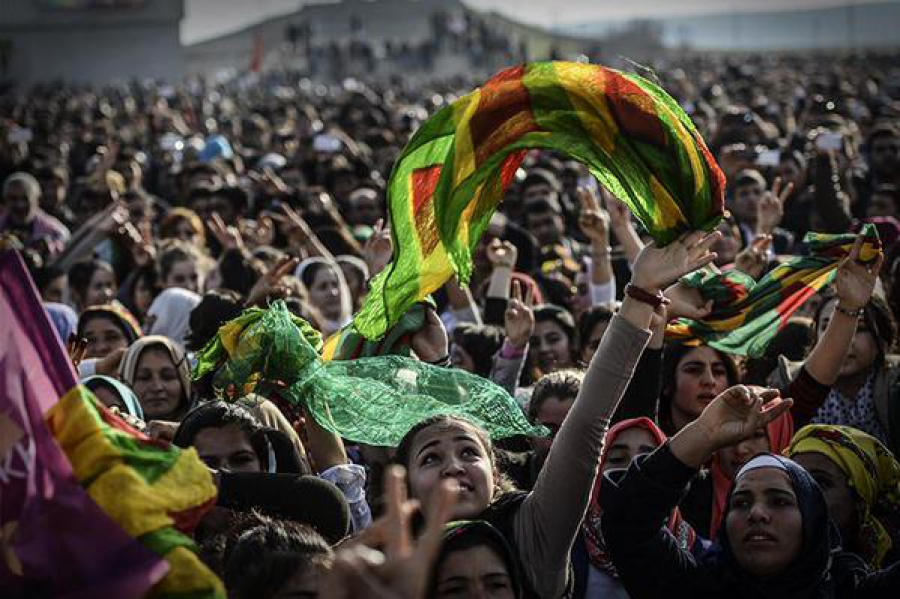
On 2nd November a global day of resistance for Rojava brought thousands of people out onto the streets in dozens of cities around the world.
For the people of Northern Syria, currently resisting an invasion by the Turkish army and its jihadist proxies, the joy and hope that these demonstrations brought is amongst the greatest gifts one could hope for. It reminds us that we are not alone against the Salafist hordes that the Turkish state is sending. We salute all the actions and demonstrations happening in solidarity with Rojava and send our warmest greeting to those who are supporting the campaigns of #RiseUp4Rojava and #WomenDefendRjava. The resistance continues, as does the revolution, and today more than ever we need solidarity and support.
When you make a revolution against patriarchy, the nation-state and capitalism, of course you can’t rely on other states to support you. We use to say that the Kurds have ‘no friends but the mountains’, but on 2nd November we saw this was not true. The international solidarity that Rojava is witnessing is inspirational; it inspires us as internationalists in Rojava to remain steadfast on the barricades of this revolution and to commit to our many different works here, because we know that all our many struggles are entwined. Today the struggle is Rojava, tomorrow it could be anywhere else, and by defending Rojava we are defending not only the people and the revolution here, but also the hope that another world is possible.
Internationalism is an essential dimension in the history of revolutionary movements, and Rojava is today writing an important chapter. From the First International Association of Workers to the Tri-Continental Conference, from the 50,000 of the International Brigades who travelled to Spain to fight fascism in 1936, to the 500,000 Cuban revolutionaries who travelled to Africa to support decolonisation struggles, from the solidarity with the resistance in Vietnam to the antiglobalisation movements, from the revolutionary inter-communalism of the Black Panthers to the solidarity with Palestinian revolutionary resistance. Rojava is today heritage of this history of internationalism, and we are called to play our role in it.
Of course there are other important struggles happening all around the world. We see the uprisings in South America, with big mobilisations happening in Chile, the new ‘caracoles’ declared by the EZLN in Chiapas, and the resistance in Colombia, Brazil, Ecuador and Argentina. We see the Catalan people resisting against the attacks of the Spanish state. We see the massive uprisings happening in Middle East, such as in Lebanon or Iraq, in Sudan and Egypt, and other peoples in Africa looking for alternatives to the nation-state model that colonial powers imposed on them. We see the resistance movements of India, Philippines, Indonesia, and we stand with all revolutionaries who fight to bring all oppression to an end.
Internationalism in the twenty-first century has a lot of colours, but for sure the colour of the woman is the one that shines brightest. Patriarchy is the foundation upon which all social oppression is built, and the liberation from the mentality of dominant male must always be in the forefront of any revolutionary struggle. The defence of nature, so exploited and abused by the industrial system, has to be also in the first line, facing the ecological crisis that capitalism created. Democracy is our flag, but not the parliamentary democracy that Western powers tried to impose to the rest of the World. We raise the flag of the commune, the democracy of local councils and popular assemblies.
For all of this, we call to defend this revolution, and to make it a cradle for a global democratic modernity.
When you make a revolution against patriarchy, the nation-state and capitalism, of course you can’t rely on other states to support you. We use to say that the Kurds have ‘no friends but the mountains’, but on 2nd November we saw this was not true. The international solidarity that Rojava is witnessing is inspirational; it inspires us as internationalists in Rojava to remain steadfast on the barricades of this revolution and to commit to our many different works here, because we know that all our many struggles are entwined. Today the struggle is Rojava, tomorrow it could be anywhere else, and by defending Rojava we are defending not only the people and the revolution here, but also the hope that another world is possible.
Internationalism is an essential dimension in the history of revolutionary movements, and Rojava is today writing an important chapter. From the First International Association of Workers to the Tri-Continental Conference, from the 50,000 of the International Brigades who travelled to Spain to fight fascism in 1936, to the 500,000 Cuban revolutionaries who travelled to Africa to support decolonisation struggles, from the solidarity with the resistance in Vietnam to the antiglobalisation movements, from the revolutionary inter-communalism of the Black Panthers to the solidarity with Palestinian revolutionary resistance.
Rojava is today heritage of this history of internationalism, and we are called to play our role in it.
Of course there are other important struggles happening all around the world. We see the uprisings in South America, with big mobilisations happening in Chile, the new ‘caracoles’ declared by the EZLN in Chiapas, and the resistance in Colombia, Brazil, Ecuador and Argentina. We see the Catalan people resisting against the attacks of the Spanish state. We see the massive uprisings happening in Middle East, such as in Lebanon or Iraq, in Sudan and Egypt, and other peoples in Africa looking for alternatives to the nation-state model that colonial powers imposed on them. We see the resistance movements of India, Philippines, Indonesia, and we stand with all revolutionaries who fight to bring all oppression to an end.
Internationalism in the twenty-first century has a lot of colours, but for sure the colour of the woman is the one that shines brightest. Patriarchy is the foundation upon which all social oppression is built, and the liberation from the mentality of dominant male must always be in the forefront of any revolutionary struggle. The defence of nature, so exploited and abused by the industrial system, has to be also in the first line, facing the ecological crisis that capitalism created. Democracy is our flag, but not the parliamentary democracy that Western powers tried to impose to the rest of the World. We raise the flag of the commune, the democracy of local councils and popular assemblies.
For all of this, we call to defend this revolution, and to make it a cradle for a global democratic modernity.
Til Temir: Front line – A letter from an internationalist friend
Til Temir: Front line – A letter from an internationalist friend
A combatjet passes in low flight over the city of Til Temir, making
the windows of the houses vibrate, where Kurds, Arabs and Assyrians
coexist in this arid city located today few kilometers of the front.
When the blazing sound of the engine passes, the crying of a baby is the
first thing to break the silence. We did not feel any explosion, it
seems that this flight only wanted to frighten the population. Now heads
of neighbors pop out from the windows to see that everyone is good.
-Perhaps now that their soldiers have arrived, their planes are arriving as well.
-Surely it’s Russian, Russian planes have to fly lower than the others to see what happens!
-No, it must be American! Now that the Americans are leaving, so are their planes.
And they laugh. They laugh to scare the fear. The fear they have is
that the next plane won’t pass by, that it will drop one of the bombs
we’ve heard exploding on the outskirts of the city for days now. That’s
why nobody mentions that the plane in question is surely a Turkish F-16,
so as not to spread fear among the few people who are still left in
this neighborhood. Many neighbors marched days ago to Haseke, where a
couple of weeks ago they have started to build a new refugee camp to
receive people displaced by this new war. A new war that is confused
with the previous one.
Five years ago Til Temir experienced the war against the Islamic
state on the front line, especially the Christian villages nearby where
the Salafists showed their cruelest face, mutilating and decapitating
those who captured alive to the cry of “infidels” and “Allah is the
greatest”. They are the same cries that we hear today in the videos that
come from the front and that circulate between Facebook posts and
WhatsApp messages, where groups of armed men trained by the Turkish
state celebrate how the Kurdish politician Hevrîn Xelef, is executed or
how they capture the fighter of the YPJ Çiçek Kobane.
When we arrived in Til Temir in mid-October, seeking to open a
humanitarian corridor to the then besieged city of Serekaniye, Til
Temir’s seven schools were already filled with elderly people, mothers
and children fleeing Turkish bombs. Since then the front has continued
to inexorably approach the city, and more and more towns and villages
have to be evacuated. Yesterday the father of the host family, a teacher
in one of the schools that had to stop classes to accommodate refugees,
showed me a video of a small village from which a large column of smoke
was rising.
“This is my village. It was bombarded by a Turkish plane. The hevals
(Kurdish word for “friends”, referring to the fighters of the YPG/YPJ)
have been alone defending the village for three days, everyone had to
flee because of the bombs.
A strange front
Following the withdrawal of United States troops in early October, the agreement between the Self-Administration of North-East Syria and the government forces of the Syrian State has created a strange situation. The regular forces of the Syrian Arab Army (SAA) are deployed jointly with the Syrian Democratic Forces (SDF) to deal with the Turkish occupation.
For the first time in more than seven years, government soldiers have set foot in the territory where the Kurds, along with Assyrians, Arabs and other ethnic groups of northern Syria, have implemented the self-government project inspired by the ideas of Abdullah Öcalan, known as the proposal for democratic confederalism.
A little less than a week ago the first reinforcements of the SAA
arrived in Til Temir. We knew this because the morning they entered the
city, they spent about twenty minutes circling and firing into the air
waving the Syrian flag from old trucks, full of young and badly armed
soldiers, before heading for the front. They hoped that this flag would
protect them from Turkish mortars and fighter planes, but it did not.
From the Legerîn Ciya hospital (an internationalist doctor who came from
Argentina to Rojava and who died just over a year ago) we could see how
the same afternoon, the improvised operating theatres were filled with
Bashar Al-Assad soldiers wounded by the bombings and mortars of
Erdogan’s soldiers (and others of jihadists).
Yesterday we saw once again American helicopters flying over the city, which indicates that they were moving troops again. After announcing their withdrawal in early October, last week, Donald Trump explained that they were returning to Syria to “protect the oil”.
Neighbors explained to us that their convoy of armored vehicles was returning to Qamislo after pro-turk Islamists attacked them as they passed through Ain Issa in the direction of Kobane. In the military base they had there, today the Russian flag is flying, and a few days ago Russian soldiers have been patrolling together with the Turkish army along the border between the cities of Serekaniye and Amude. A few kilometres further, between Qamislo and Derik, it is American soldiers who patrol.
This morning SAA reinforcements arrived again, this time with old Russian tanks and a few mortars and other heavy weapons. They will need them. The day before yesterday, when we went to visit the front, we saw the conditions in which they were deployed in the different villages where the SDF still maintain the defense of the territory. After the withdrawal of the SDF from the city of Serekaniye on October 12, the front has moved to the semi-desert plains that separate the scarce 40 kilometers between Til Temir and Serekaniye, where the Islamists advance thanks to the air support of Turkish planes and combat drones.
In a war in these conditions, it is sometimes difficult to know who
is a friend and who is an enemy. At the front we are usually guided by
the premise that if he doesn’t shoot you, he is a friend. The great
hospitality of the Middle East, where everyone you meet greets you with
vocation and invites you to sit down and have tea, can lead you to live
strange situations. The most recent, looking for a translator to explain
to the captain of a team of SAA mortars that we did not want sugar in
the tea he offered us, while a group of soldiers unloaded the cannons
behind the SDF lines while they asked us, honestly surprised, how it is
possible that we could speak Kurdish and not Arabic.
Rojava’s revolution has inspired social movements all over the world,
highlighting without doubt the libertarian, feminist and ecological
character that Kurdish socialism promotes. Solidarity committees
translate, organize demonstrations and denounce the Turkish occupation
to different countries, coordinating with the extensive Kurdish diaspora
that has dispersed in recent decades because of repeated wars that have
threatened their survival. In the framework of the campaign
#RiseUp4Rojava, last Saturday, November 2, we saw more than a hundred
demonstrations in dozens of countries around the world.
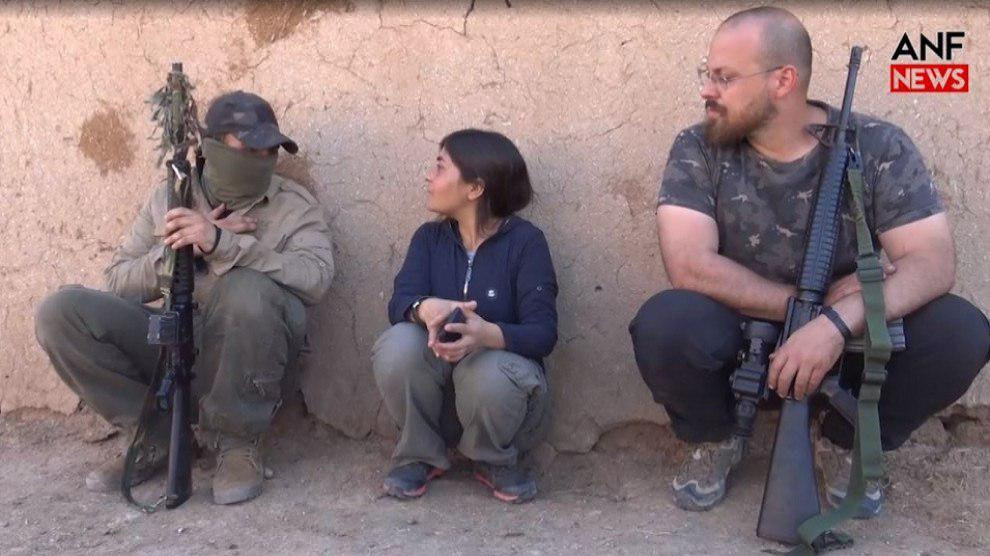
We are also quite a few internationalists who are currently working
on the ground, especially in communication and health care, covering the
fronts that resist the invasion. We said that war sometimes creates
strange companies, and I think it is an adequate description when we see
the two main international teams that are currently assisting the
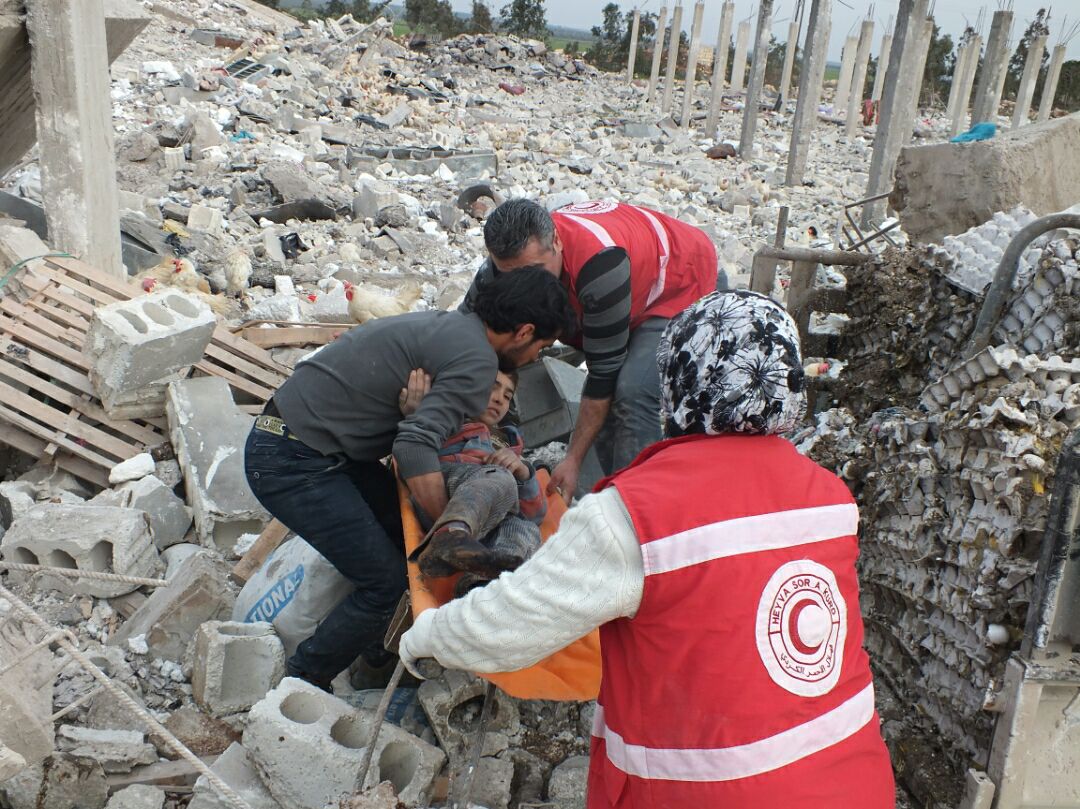
wounded on the front of Til Temir in coordination with Heyva Sor (the
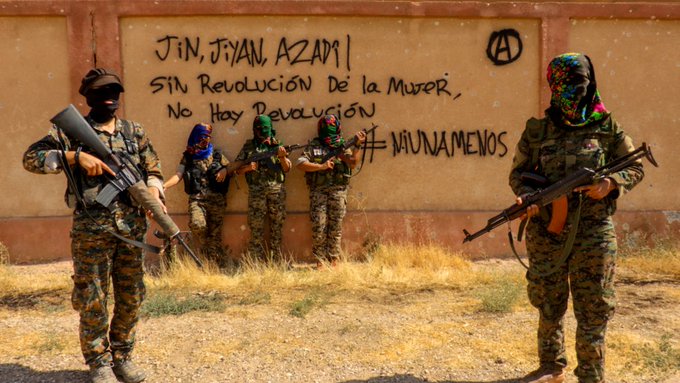
Kurdish Red Crescent). On the one hand, a group of anarchists from
different countries who have coincided in Rojava and who have been
working for some time as a combat medical team. On the other hand, a
group of American and Burmese Christians who have been working for more
than two decades as combat medical teams in different conflicts.
In fact, one of the international martyrs that this Turkish offensive has claimed so far, belongs to this team. Yesterday one of the ambulances at the rear of the front was hit by a projectile that wounded two people and put an end to the life of a third. His name is Zao Sang, born Thailand, who lost his life shortly after the impact caused by the serious injuries.
Also the German Konstantin G. (Andok), fighter of the international brigade of the YPG, was killed by the Turkish bombs in a convoy headed to Serekaniye. And today we had to add a third name, which is that the commander of the international battalion for freedom Ozge Aydin (Ceren), a Turkish national, died from the wounds that led to her coma last week.
Their names lengthen the list of the hundreds of combatants and civilians who have been killed in this Turkish offensive.
To speak of death and war can easily frighten the western reader, accommodated in the first world where wars always take place away from home. The revolution of 1936, when tens of thousands of international brigadists came to support the war against fascism during the second Spanish Republic, is a long way off. A third of those who came could never return home again, but their actions meant an important chapter in the history of revolutionary internationalism.
Today in Rojava we are a handful of Catalans who are here, together with Castilians and Galicians. Also Basques, Aragonese, Andalusians and Portuguese have passed through here, inspired by the revolutionary project of Rojava, living and discussing the contradictions that this society generates, debating on how to develop an Iberian confederal project. Now that the situation in Catalonia calls into question the model of the Spanish nation-state, it is more than ever necessary to reflect together on what future we want to build.
SEE HERE Orso killed by ISIS.. But Lives Always in our HeartsSEE HERE
In fact, today we have published a global appeal together with other internationalists to come to support the resistance of Rojava, to understand and learn what it means to build (and defend) a revolution.
The number of internationalists who have come to put their grain of sand to Rojava is difficult to calculate, but it is far from the 50,000 brigadists who more than 80 years ago answered the call to confront fascism when we needed it most. No doubt this should make us reflect if we are really ready to carry out a revolutionary process or if it is just a romantic imaginary that we explain while we live our privileged lives. Revolution is not a road of roses, but no one has ever said it was easy. However, the alternative is to allow patriarchy and capitalism to continue to lead our lives, and for me and the many other comrades who are here, this is no longer an option.
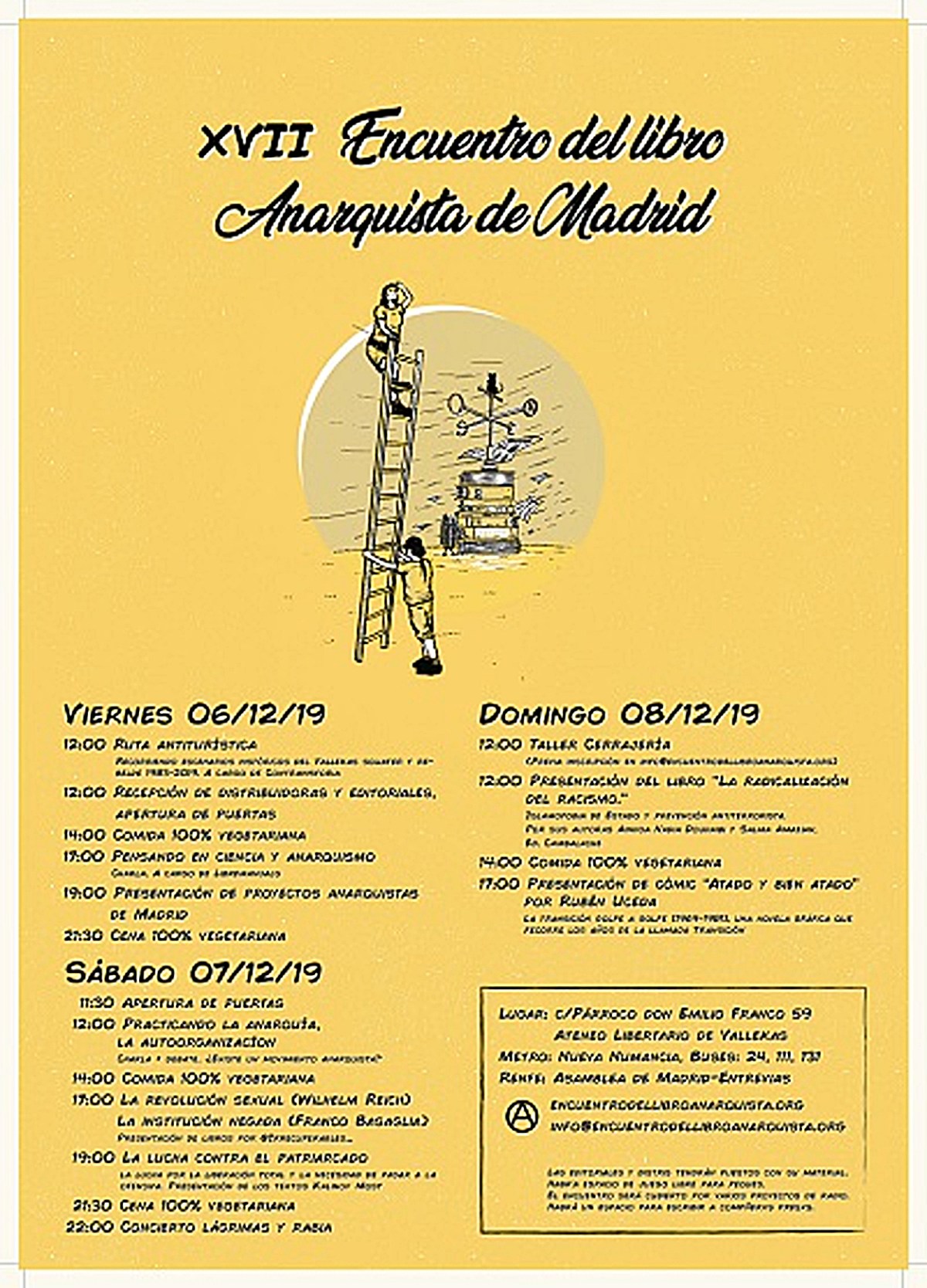
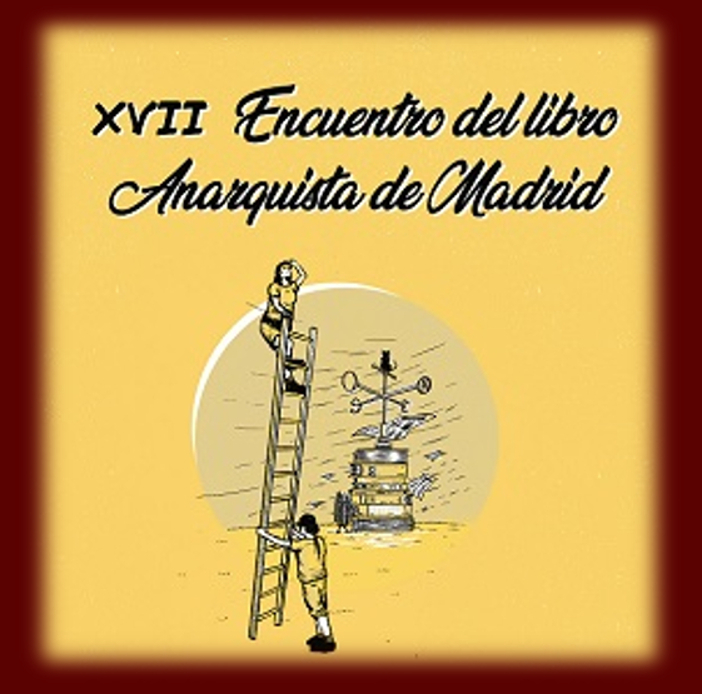
Nuevamente se realiza el encuentro del libro anarquista de Madrid, consideramos necesario fomentar espacios donde acercar las distintas posturas anarquistas tanto entre nosotros como de cara fuera… Ya que nos hayamos en la sociedad más interconectada y sin embargo es el periodo en el que más desconexión hay.
Vivimos tiempos donde la profundización y
el debate se han convertido enfrases de 200 caracteres y textos que de
forma individualizada se leen siempre y cuando no sean demasiado
largos… Por esto y mucho más continuamos forjando espacios donde
debatir,conocerse y profundizar en la lucha.
El evento tendrá lugar los días 6,7 y 8 de Diciembre en el Ateneo Libertario de Vallekas situado en la calle: Párroco Don Emilio Franco nº 59 <m> Nueva numancia, Renfe: asamblea de Madrid Entrevías y bus:24,111 y 131
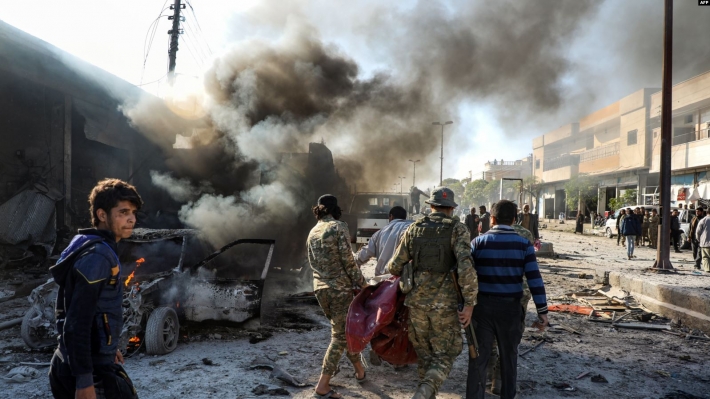

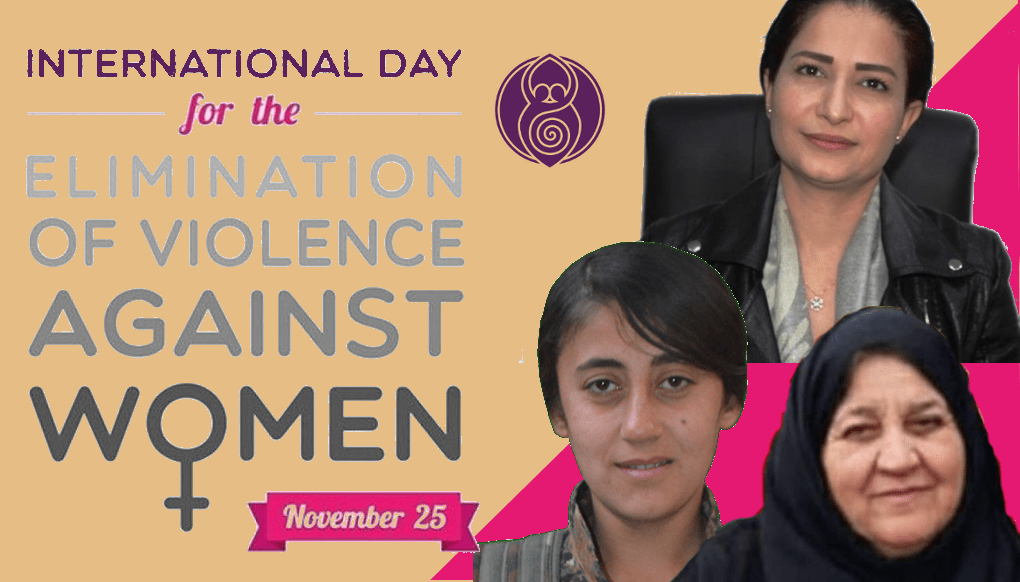

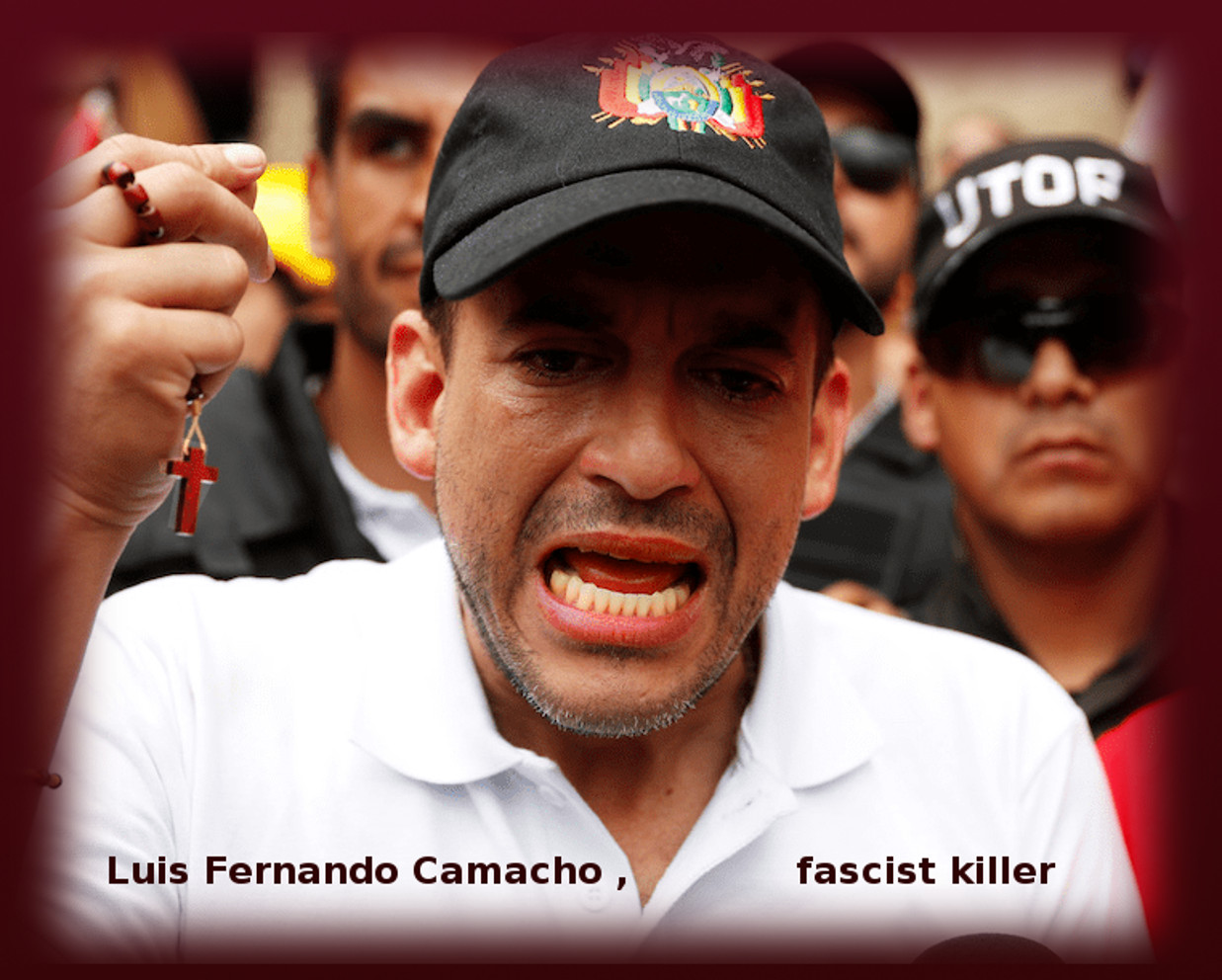




 Image by The All-Nite Images via Flickr


 The Free