
Fracking can permanently poison groundwater, causes cancers and early death, and contributes badly to Climate change, through huge methane leakages and producing gas and oil for burning. Now we discover it also releases radioactivity.
Posted on October 29, 2020 by el comunista in ECOLOGY, ENVIRONMENT
Especially vulnerable are poor communities that are often found in affected areas.
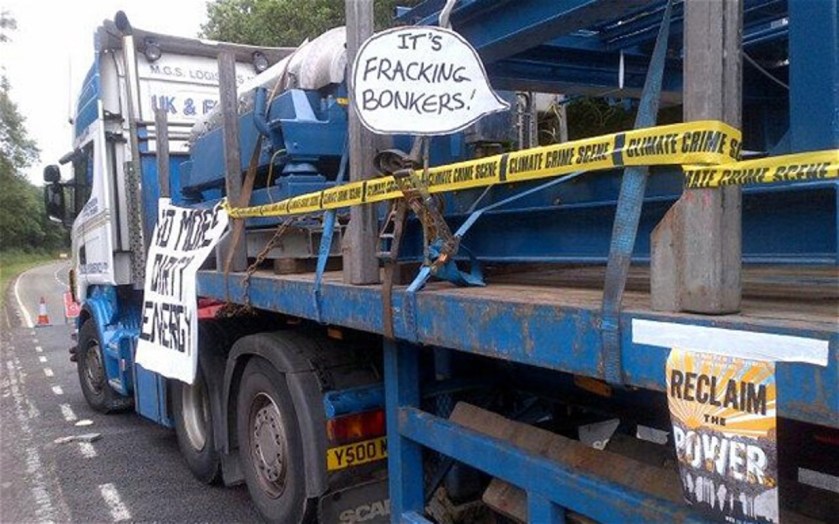
A team of American scientists has discovered that people who live near the places where ‘fracking’ operations are carried out, or hydraulic fracturing, may be exposed to radioactive particles released by this oil extraction activity.
After analyzing the radiation in the vicinity of 157 sites where hydraulic fracturing is practiced, the researchers detected high levels of radiation in a radius of 19 kilometers around the wells, reaching the maximum level in the vicinity of the well.
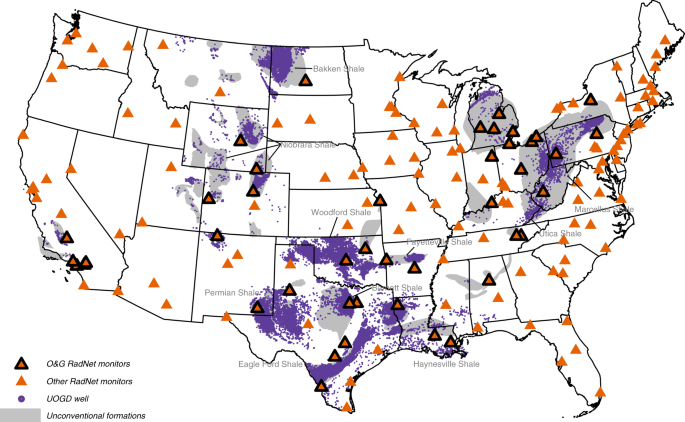
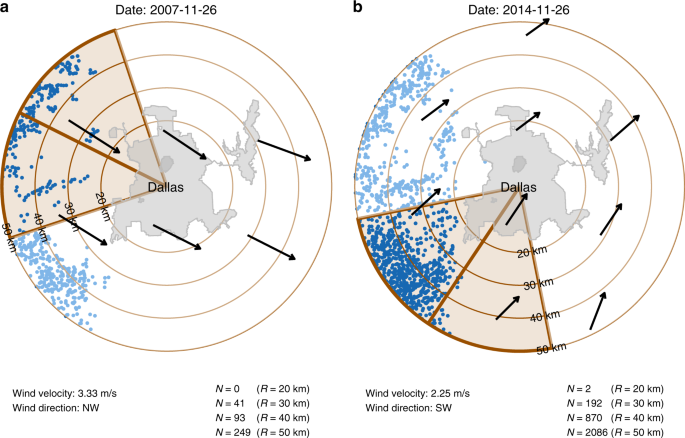
“We found that, as the [sampling] sites get closer to these complexes, the radioactivity of the particles increases,” quoted a member of the team, Petros Koutrakis, in The Harvard Crimson.
Regarding the effects that high levels of radiation have on people living in areas near the ‘fracking’ sites, the researcher warned that, although it does not cause immediate diseases, it can increase the risk of chronic health problems , affecting the functioning of the lungs and the heart, in addition to increasing the rate of birth defects and mortality. Especially vulnerable are poor communities that are often found in affected areas.
At the same time, Koutrakis indicated that since the US government does not classify the waste from hydrocracking as nuclear, this waste ends up in municipal landfills or is used for irrigation
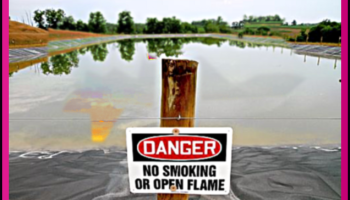
Currently, Koutrakis’s team is trying to establish when radioactive particle leaks occur. In particular, they consider the possibility that they take place during the production of oil, the storage of wastewater or the transfer of oil through pumps.
The article was published in the journal Nature Communications.
Seeb the Study HERE…Unconventional oil and gas development and ambient particle radioactivity
Científicos advierten que la fractura hidráulica provoca el aumento de la radiación a decenas de kilómetros del pozo
Posted on octubre 29, 2020 by el comunista in ECOLOGÍA, MEDIO AMBIENTE // 0 Comments

Especialmente vulnerables son las comunidades pobres que a menudo se encuentran en las zonas afectadas.
Un equipo de científicos estadounidenses ha descubierto que las personas que viven cerca de los lugares donde se llevan a cabo operaciones de ‘fracking’, o fracturacón hidráulica, pueden estar expuestas a las partículas radioactivas liberadas por esa actividad de extracción petrolífera.
Tras analizar la radiación en los alrededores de 157 sitios donde se practica la fractura hidráulica, los investigadores detectaron altos niveles de radiación en un radio de 19 kilómetros alrededor de los pozos, alcanzando el nivel máximo en las proximidades del mismo.
«Encontramos que, a medida que los sitios [de toma de muestras] se acercan a estos complejos, aumenta la radiactividad de las partículas», cita el diario The Harvard Crimson a un miembro del equipo, Petros Koutrakis.
En cuanto a los efectos que los elevados niveles de radiación tienen para las personas que viven en las áreas cercanas a los lugares de ‘fracking’, el investigador advirtió que, aunque no causa enfermedades inmediatas, sí puede aumentar el riesgo de problemas crónicos de salud, afectando el funcionamiento de los pulmones y el corazón, además de aumentar la tasa de defectos de nacimiento y la mortalidad. Especialmente vulnerables son las comunidades pobres que a menudo se encuentran en las zonas afectadas.
Al mismo tiempo, Koutrakis indicó que, dado que el Gobierno de EE.UU. no califica los desechos de la hidrofracturación como nucleares, estos residuos acaban en vertederos municipales o se utilizan para la irrigación.
Actualmente, el equipo de Koutrakis trata de establecer cuándo ocurren las fugas de las partículas radioactivas. En particular, consideran la posibilidad de que tengan lugar durante la producción del petróleo, el almacenamiento de las aguas residuales o la transferencia del petróleo a través de bombas.
El artículo fue publicado en la revista Nature Communications.

 The Free