editorial Red and Black newspaper (Rojo y Negro) Feb 2020 http://rojoynegro.info/sites.. shared and translated, images added
leer en Castellano abajo
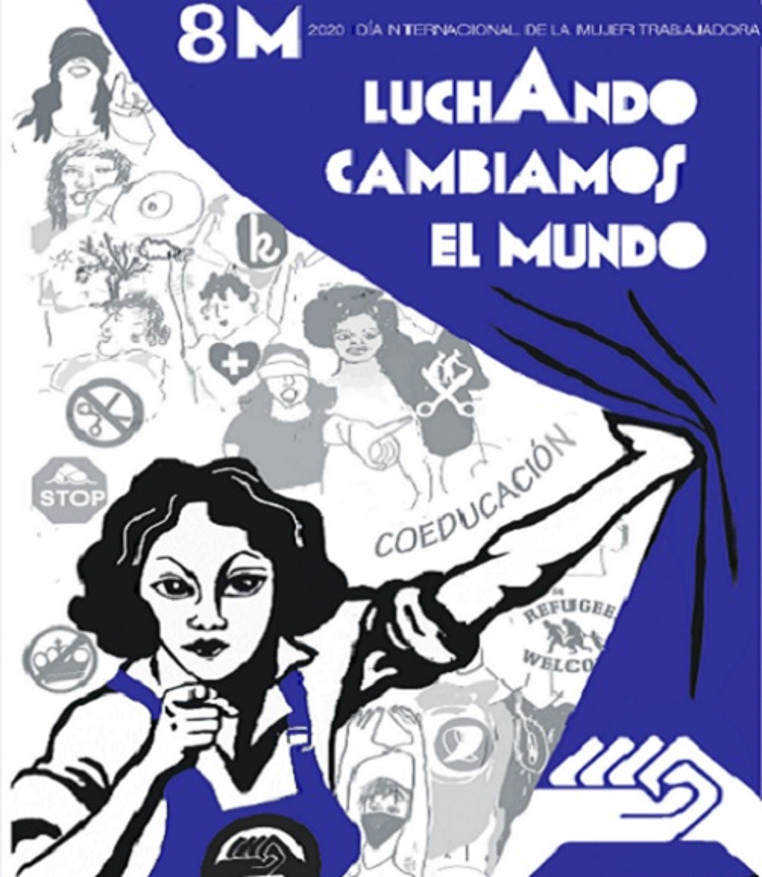
”March 8th was adopted as the International Day of Working Women in memory, along with other previous struggles in the second half of the nineteenth century, of the dozens of women killed in a textile factory in New York in March 1911 for claiming improvements in their labor rights and salary equality with men.
With the evolution of the times, for some years now, March 8 has become known as International Women’s Day, losing the words ‘Working Women’ and the concept of a worker, which may be due assuming that new social sectors are approaching feminism, thereby gaining in transversality and greater public visibility.
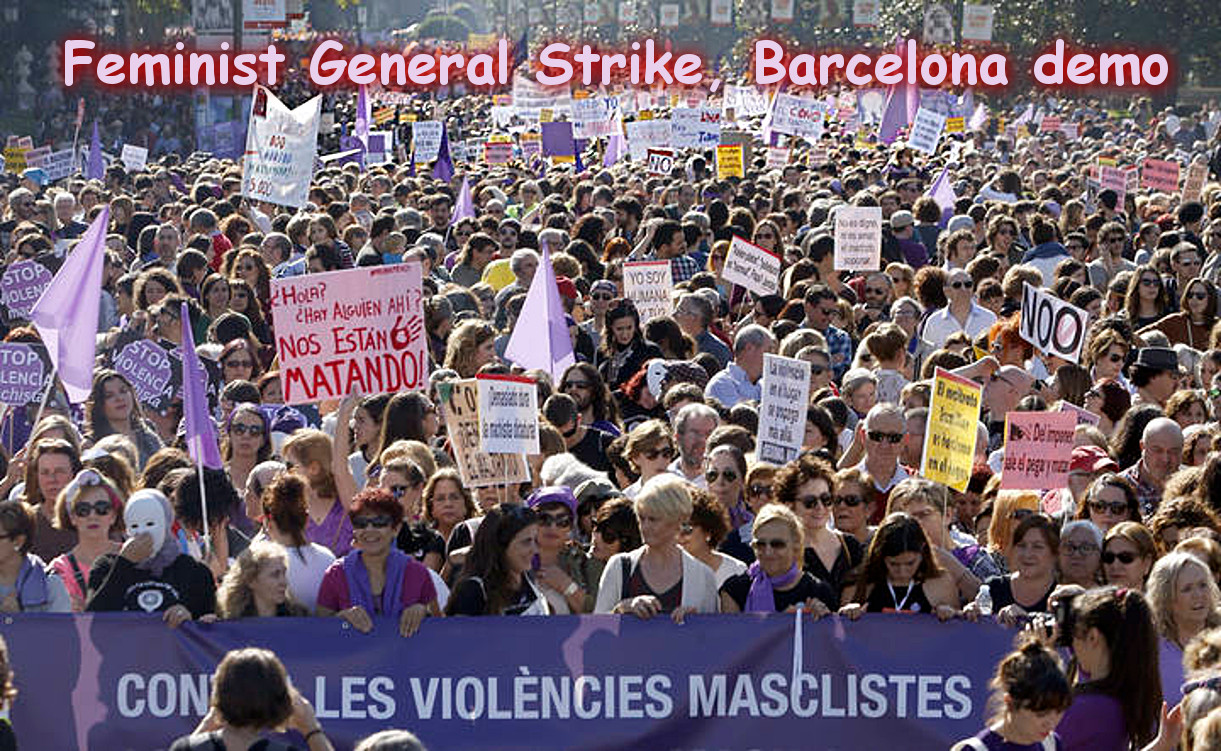
From liberal feminist and even social-democratic viewpoints, the the disappearance of the word ‘worker’ is may make sense. But for anarcho-feminism, the component of working women is indispensable.
We understand that feminism has to be, in the first place, a class feminism impregnated with other parameters such as postcolonial and racialized feminism, feminism of the intersectionality of migrant women, cyberfeminism, lesbian feminism, queer, ecofeminism, punkfeminism, transfeminism …”.
8M .. 2020
”The feminist movement in the Spanish State is preparing for a new 8M of 2020. After two editions marked by unprecedented massive demonstrations and strikes – labor, consumption and care, the relevance of calling it again is one of the questions that emerged a month after the call, because it falls on a Sunday and most want to advance with new actions. At the moment, only Catalonia is inclined to call a General Strike”.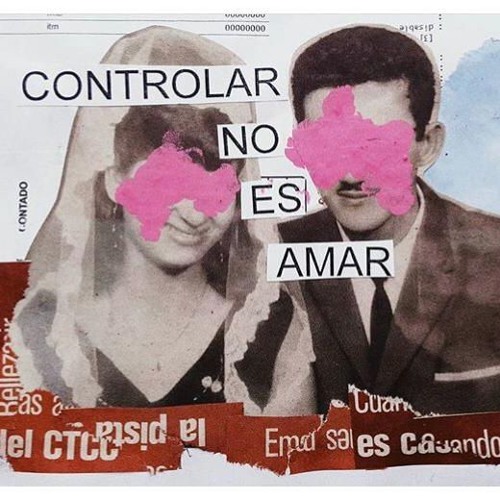
”As a previous step to the demonstrations that will be convened in all cities for and around the 8th, which when they coincide on Sunday have many possibilities of being massive, all the territories are organizing meetings, assemblies, workshops, appeals, activities … And many of these actions will be carried out on a small scale because “decentralization is one of the most powerful forces of the feminist movement,” says Dolo Pulido from Barcelona.
”In the Catalan capital, the 8M began already on February 14 with a performance called “San Violentín” to point out the myths of romantic love and on the same day the southeast of Gran Canaria held an Assembly with the same intention. One day later, on the 15th, the women took the north of the island in a feminist human chain in the style of that of Madrid and organized several workshops”.
”Of course, the feminist struggle is transversal and affects all women by the mere fact of being so, regardless of ethnicity, country, belief or social status, but in taking up the legacy of the Free Women anarchist movement (Mujeres Libres), women have to free ourselves of a triple slavery. On the one hand, illiteracy and inculturation, on the other the condition of being a woman and also the condition of being an exploited working woman.
While it is true that liberation from the first slavery has been achieved to a very high percentage, at least in our country and indeed in the new generation we can even see that the educational level of women is already higher than that of men, it is also true that the release from the other two kinds of slavery is still pending.
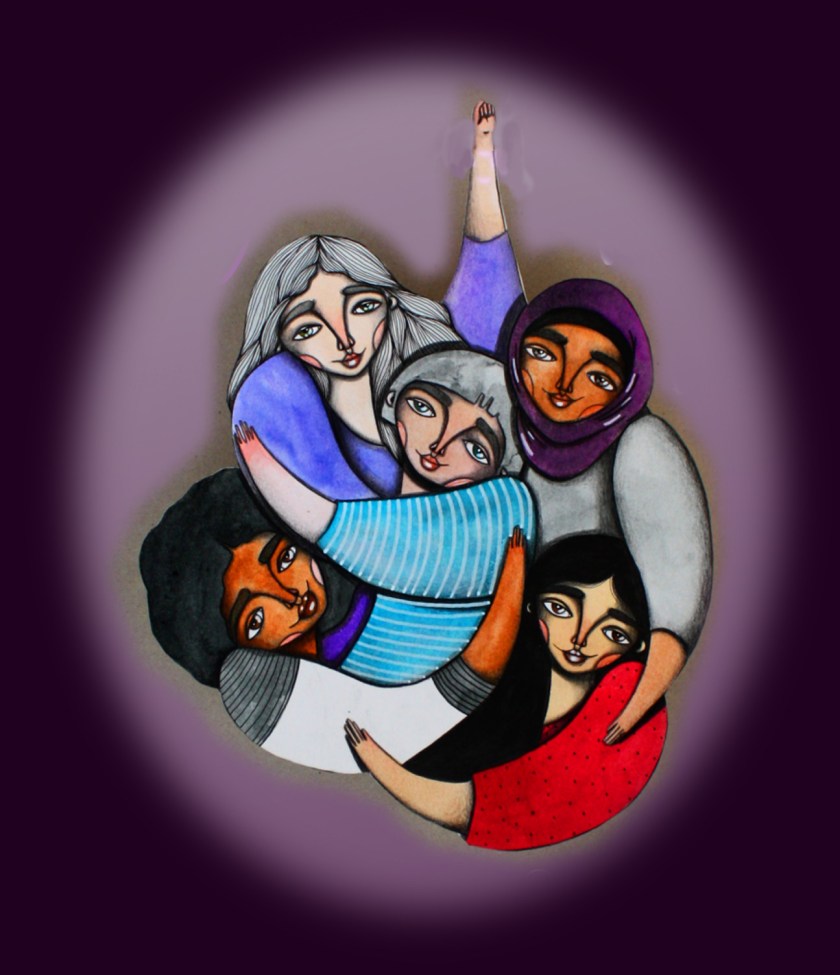
Thus, the woman, by her mere condition of being one, continues to occupy a secondary, invisible and merely a role in this capitalist and patriarchal society. And, furthermore, the working woman suffers an exploitation greater than the man.

 The second of



 The Free