
In the US it sometimes seems the fossil fuel corporations and far right nationalists OWN the state. It’s no secret that climate-lethal US methane emissions have been hidden for generations, only now its admitted in the official media. Finally under Obama a regulation law came in, but it was just VOLUNTARY monitoring.

And Trump reverted to pampering the Oil and Gas Cowboys by blocking even that and ignoring all types of methane leaks, including from over a million abandoned fracking wells, the Bakken Frack Rush, the maze of new pipelines, the Great Plastics Bubble and the giant LNG export plants, etcetera!
Methane emissions from oil and gas are ‘even worse than previously thought’ admits CBS News at last
Posted on AUG 18, 2021 / 8:30 AM / MONEYWATCH b y BY IRINA IVANOVA
“Recent research indicates that the fossil fuel industry is responsible for far more methane than previously believed”. CBS NEWS MoneyWatch
Not surprising. When Harvard studies exposed the great methane crime and huge clouds of methane were observed 10 years ago from satellites over the Fracking Fields it was claimed without evidence to be natural and ignored.
“Now experts say slashing methane emissions is essential to staving off the worst effects of global warming, with the United Nations calling it “the strongest lever we have to slow climate change.”
*****
Report: Oil companies are burning off natural gas — and leaving regulators in the dark Billions of cubic feet of natural gas are burned off in U.S. oil and gas fields every year, wasting the fossil fuel and emitting greenhouse gases without actually generating energy. In Texas alone, state regulators have permitted companies to burn more than a million cubic feet of gas every day since 2019. Combined, that would be enough natural gas to supply 15 million homes’ annual gas needs.
*****
Fossil fuel companies choose to burn natural gas instead of capturing and selling it for a variety of safety and economic reasons. Most commonly, oil fields have a gas glut and insufficient pipeline capacity to move it to refineries and markets. The solution to the logjam is to burn excess natural gas — which is primarily composed of methane, a potent planet-warming pollutant — with the permission of state regulators.
The Texas Railroad Commission, or RRC, is the state agency tasked with regulating the oil and gas industry and overseeing companies’ flaring practices. When fossil fuel companies want to flare, they’re required to request a permit from the agency. But a new analysis by Earthworks, an environmental nonprofit, has found compelling evidence that they often don’t bother to. In fact, more than two-thirds of the 227 flares observed during three months in 2020 were not permitted by the state, according to the group, potentially leaving the RRC in the dark.
Yet a new analysis of satellite data shows that fossil fuel companies — which contribute up to half of human-caused methane emissions around the globe — are falling far short of their pledges to eliminate the environmentally destructive hydrocarbon”.
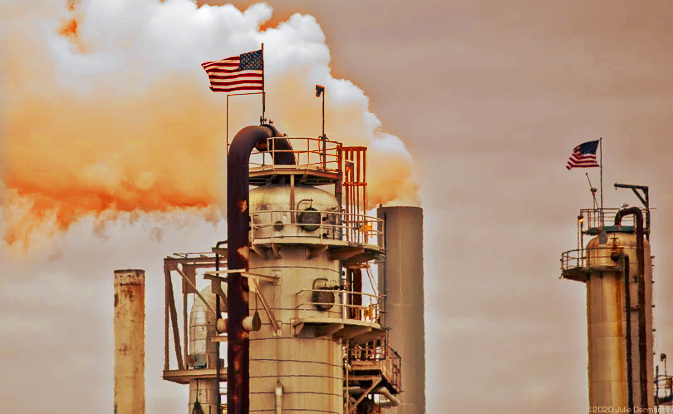
Venting methane to increase quick fracking profits is considered patriotic in West Texas
“Geofinancial Analytics, a satellite data provider, examined images of oil-and-gas producing regions in the U.S. and around the world, and, for the first time, linked methane emissions to specific companies. Researchers compared companies’ actual methane output with their expected emissions level based on self-reported data and climate plans.
The firm then ranked producers on a scale from “CC” to “A” (mimicking ratings for financial products), with the worst emitters earning the former grade.
https://www.cbsnews.com/newsletters
“Royal Dutch Shell and Chevron were the worst performers, according to an analysis of the 15 largest oil- and-gas producers. They were followed by ConocoPhillips, Marathon Oil and Exxon Mobil. No company received better than a middling grade, Geofinancial Analytics CEO Mark Kriss told CBS MoneyWatch”.
“All producers scored well below ‘best’,” Kriss said in an email.
Matching deeds to words
“Geofinancial’s analysis is one of the first attempts to compare fossil fuel companies’ promises to cut their methane emissions to the reality on the ground and in the atmosphere. The company relies on satellite readings of airborne methane concentrations in gas-producing areas in North America, Europe and Brazil.

“We cannot take specific action that makes a real difference without specific information about sources, and our data stream and information from emerging satellites is a key new insight,” Jessica Hellmann, Geofinancial’s chief scientist, said in an email.
“Although satellites can detect many types of greenhouse gases, “There is particular power and importance to methane (because of its potency and immediacy) and the oil and gas sector (a major methane source with clear ownership and risk parameters),” she said.
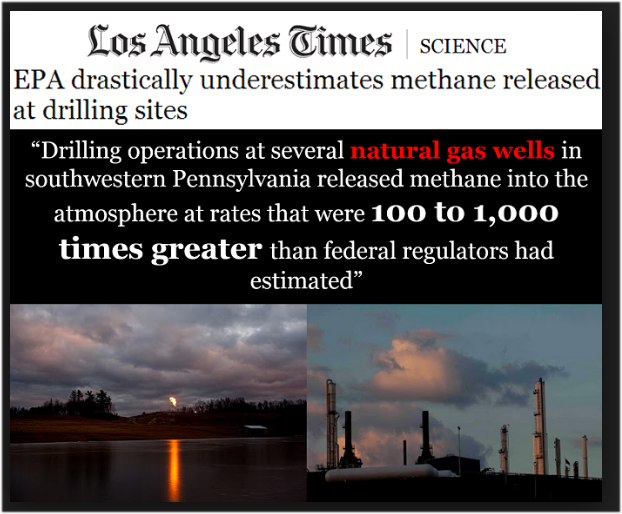
Story that escaped the coverup, from 2016… then ignored
“When actual methane emissions were compared to companies’ disclosures and climate goals, Chevron and Shell were again the worst performers, followed closely by ConocoPhillips and Marathon. Pioneer Natural Resources was the only company among the 15 largest whose measured emissions were similar to its reported emissions — earning a middling grade of “BB,” according to Geofinancial Analytics. https://www.cbsnews.com/embed/video
“Oil and gas producers named in the Geofinancial report questioned the group’s methodology while defending their efforts to reduce emissions.
“After a discussion with Geofinancial Analytics, we are concerned that the underlying data and assumptions used in their analysis may not be sufficiently robust to accurately attribute emissions to specific operators or support the generation of a company-by-company ranking for methane emissions in select basins in North America,” Sean Comey, a spokesperson for Chevron, said in an email to CBS MoneyWatch. “Over time, their models and analysis have the potential to improve as additional information becomes available to them.”
Cindy Babski, a spokesperson for Shell, noted that the energy giant owns and operates fewer than 2,000 active wellheads in North America, far less than the number attributed to it in Geofinancial’s analysis. Shell also pointed to its use of methane-detection technologies, including satellites.
“We disagree with the conclusions made by Geofinancial Analytics’ MethaneScan® and take issue with the methodology used to reach those conclusions,” Babski said. “Shell strongly supports the use of satellite data to detect Shell’s methane emissions. We use data collected by GHGSat, a high-resolution satellite which monitors greenhouse gas (GHG) emissions, in addition to other detection technologies. Based on this data, we are taking aggressive actions to effectively identify and reduce our emissions. Shell remains firmly committed to a methane intensity below 0.2% by 2025.”
“Spokespeople for Chevron and Exxon Mobil referred CBS MoneyWatch to the American Petroleum Institute, a trade group that represents oil and gas companies, for information on methane reductions. The group on Monday sued the Interior Department over the government’s refusal to allow oil and gas drilling on federal lands.

A spokesperson for ConocoPhillips said Geofinancial’s data “has significant limitations,” including attributing “emissions to companies based on wellhead density rather than identifying the specific sites from which the emissions originated,” and overlooking emissions from facilities such as pipelines.
In “areas like the Permian [Basin] where operators work in close proximity to one another, our experience has been that it is hard for satellites to accurately pinpoint the source of emissions,” the spokesperson said. “The benchmark methodology may only be identifying which companies have the most sites in an area, not necessarily which companies are responsible for the emissions.”
“Enough methane is lost from the Permian Basin in West Texas to power 7 million households every year, making natural gas in some instances far worse for the climate than even coal.
“ConocoPhillips also said that it “holds itself accountable to the highest standard of operational excellence” and that it has reduced methane emissions by 65% since 2015.
“Radical transparency”
“One explanation for the high methane emissions attributed to large extraction companies is that Geofinancial’s analysis holds companies responsible for wells for five years after they no longer operate them.

“Some of the oil majors have a very large number of abandoned wells for which they are the most recent operator. It is known that such wells can be a significant source of methane emissions over long periods of time,” Kriss noted.
“The large number of wells attributed to Shell in the analysis — 64,000, far more than the 2,000 Shell currently operates — is due to the company’s legacy operations in North America, noted Reuters, which teamed with Geofinancial on the data. There is some evidence that large oil and gas companies are achieving emissions reductions by selling old wells to smaller operators, the wire service reported. In 2019, half of the top 10 methane emitters were smaller companies that bought up abandoned wells, Reuters reported.
“Geofinancial Analytics plans to release more detailed emissions data as it gains access to more powerful satellite images, Kriss said, noting it “is just the beginning of a new era of radical transparency.”
“Identifying specific emitters will be key if the world is to cut down on methane emissions significantly. And the oil and gas industry — one of the largest sources of anthropogenic methane — is uniquely well-positioned to reduce its emissions. Nearly half of the industry’s methane leaks could be eliminated with no net cost, according to a recent analysis.
The fossil fuels sector “is one of the biggest methane emitters, but it also has the most cost-effective solutions,” said David Lyon, a senior scientist at the Environmental Defense Fund.
“Unlike carbon dioxide, which comes from a wide range of sources — cars, home heating systems, buildings and power plants — methane leaks come from a relatively limited number of sources.
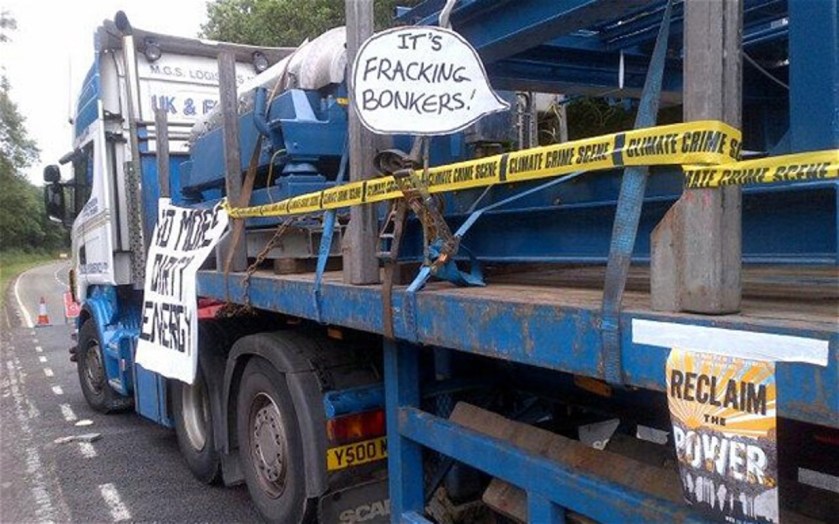
“A handful of point sources are responsible for a majority of emissions,” said Joe von Fischer, a professor of biology at Colorado State University who studies methane emissions.
“If we want to slow the pace of warming, we can attack methane emissions as a way to buy us more time,” he added.
But don’t hold your breath, the Fossil Fools Corporation have no intention of cleaning up their leaks or paying the multiple billions to secure the abandoned fracking wells. In private they admit to playing at greenwashing, while investing one $ Trillion in new fossil fuel projects and awaiting the return of Climate Denying Republican government.
******************
Biden Faces Mounting Pressure To Yank Line 3 Oil Pipeline Permits
More than two dozen Democrats in Congress are demanding the White House pause construction on the Line 3 project and carry out new environmental studies.
Alexander C. KaufmanBio by HuffPost and reproduced here as Climate Desk collaboration.
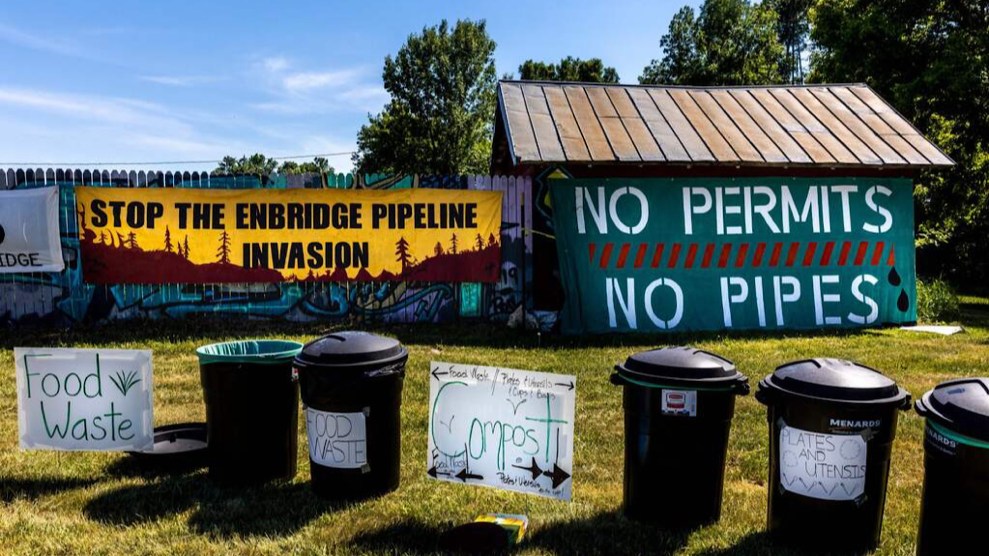
Waste segregation bins are seen in the campsite on the White Earth Nation Reservation near Waubun, Minnesota, on June 5, 2021.
The White House is facing mounting pressure from Democrats to yank federal permits for Line 3, the controversial oil pipeline under construction in Minnesota.
Eight Democratic senators and nearly two dozen House members criticized the Biden administration for allowing pipeline giant Enbridge to continue building Line 3 across wetlands in a letter sent Monday that HuffPost viewed. The lawmakers say President Joe Biden should suspend the Clean Water Act permits the Trump administration had granted until the Army Corps of Engineers completes a more thorough analysis of the potential environmental impacts.
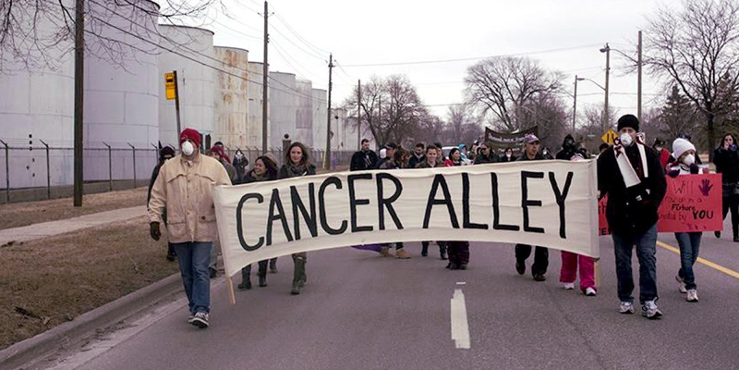
“The Trump Administration aggressively expanded fossil fuel infrastructure projects under a new policy of ‘energy dominance’ and severely limited public scrutiny on those projects,” said the letter, which Reps. Pramila Jayapal (D-Wash.) and Ilhan Omar (D-Minn.) and Sen. Jeff Merkley (D-Ore.) led. “The magnitude of this transfer will have grave implications for the ecosystems near the pipeline”
Carrying out a new assessment, they said, would “ensure a full and significant environmental review that includes assessing the project’s real costs on environment, public health, and climate change and ensuring the public is aware of those costs.”
The Army Corps conducted “almost no independent evaluation of the risk of oil spills at the crossings it authorized, despite the fact that the route for Line 3 crosses 227 lakes and rivers, including the headwaters of the Mississippi River and rivers that feed directly into Lake Superior,” the letter said.
Sign up for our free newsletter
Subscribe to the Mother Jones Daily to have our top stories delivered directly to your inbox. Email
By signing up, you agree to our privacy policy and terms of use, and to receive messages from Mother Jones and our partners.
The lawmakers complained that the Army Corps’s final permitting analysis last November of how the pipeline would affect climate change came down to “a single paragraph in which greenhouse gas emissions from construction and operation of a major tar sands pipeline are dismissed as ‘de minimis.’” They asked instead that the administration examine how the potential for serious drought across the region could “exacerbate the environmental costs of an oil spill.”
Yet “the most serious areas of omission” appeared in the infrastructure agency’s failure to adequately consult local tribes, many of whose members have led the ongoing protests against the pipeline’s construction, braving assaults from police and private security and blasts of debris from deliberately low-flying federal helicopters.
The lawmakers singled out the Minnesota Department of Natural Resources’ June approval of Enbridge’s plan to pump 10 times more water away from the construction site than was approved last November.
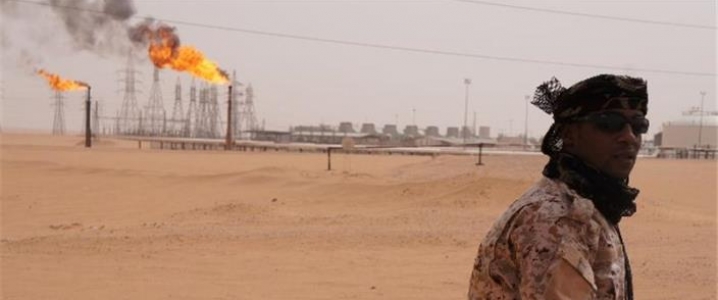
“The magnitude of this transfer will have grave implications for the ecosystems near the pipeline, including the wild rice beds that are a staple food for the Anishinaabe people and core to the way of life,” the letter read. “It is our understanding that the Red Lake and White Earth tribes were not consulted on this dramatic increase, despite the fact that it will directly impact them.”
The White House referred questions to the Army Corps, which did not immediately respond to a request for comment.
In a lengthy statement, Enbridge said its “pipelines have coexisted with Minnesota’s most sacred and productive wild rice waters for over seven decades” and insisted it has “demonstrated ongoing respect for tribal sovereignty” and “a commitment to addressing climate change with real action.”
Enbridge, based in Canada, boasted earlier this year that the 1,031-mile pipeline is nearly finished, with just a portion of the 337-mile stretch through Minnesota still awaiting completion. In June, the Biden administration defended the water permits granted to the pipeline during the Trump administration and asked a federal judge to toss out a complaint from Native Americans and environmental groups challenging the project.
Support for the project has thus far become one of the darkest bruises to Biden’s nascent climate record, which includes reducing how much a coal company has to pay in federal royalties and approving a massive wave of new oil and gas drilling permits on public lands.

 The Free