
from thefreeonline on 4th Oct 2023 by EcologistasEnAccion / Deutsche
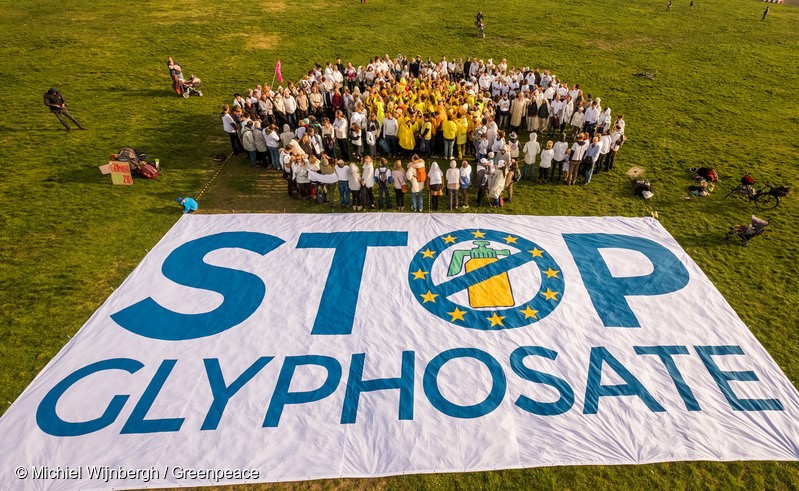
EU to renew glyphosate licence, ignoring concerns – Greenpeace
The European Commission submitted on 2o Sept 2023, its proposal to push through approval of deadly herbicide glyphosate, for ten more years, amid intense industry pressure, EU countries are now set to decide on the contentious draft.
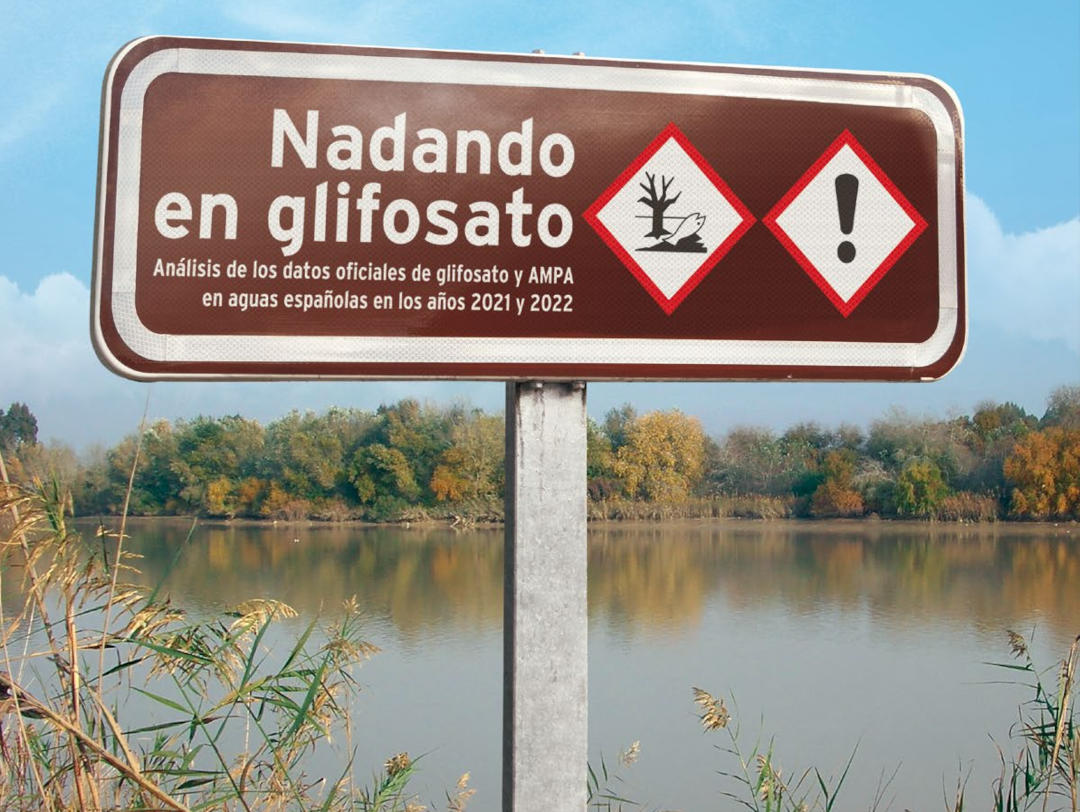
In Spain, for example, a new report, based on official data, shows that glyphosate pollutes more than a third of Spanish surface waters.
The worst pollution data was recorded in the Guadiana River, with 308.10 micrograms of glyphosate per liter, 3,000 times higher than the law allows
It soon became clear that citizen anger was forcing states to vote against, and the Commission is now making superficial restrictions to get the proposal accepted.
Approval in the European Union for the agrichemical is due to lapse this December The EU’s 27 members are expected to finally vote on the issue on October 13 2023
Ecologists in Action believes that the Spanish Government must oppose the renewal of the authorization of glyphosate in the European Union: the high level of pollution, the high toxicity for aquatic media, the scientific evidence on the toxicity for humans, damage to biodiversity, data gaps admitted by European agencies, the opposition of the European population (only 14% are in favor of renewal in Spain) and the existence of viable alternatives, are more than enough reasons to do so.
PEOPLE IN FAVOUR OF PROHIBITION, AND THOSE IN FAVOUR OF CONTINUED USE OF GLYPHOSATE IN THE EU

Only 14% of the EU population are in favor of renewal of Glyphosate use but the Eiropean Commission seeks to manipulate the decision
Austria will vote against the European Commission’s proposal , the country’s agriculture ministry confirmed on Monday (25 September).
Another source also told EURACTIV that the Commission is “trying to update the proposal behind the scenes”, based on feedback it has already received to “make it more likely to pass”…“The first proposal was to test the waters, but now it’s being changed based on the feedback from EU countries,” the source said.
Approval in the European Union for the agrichemical is due to lapse this December unless member states agree to a reauthorization.
Brussels backs 10-year extension of controversial glyphosate
by Gero Rueter, at • Deutsche Welle
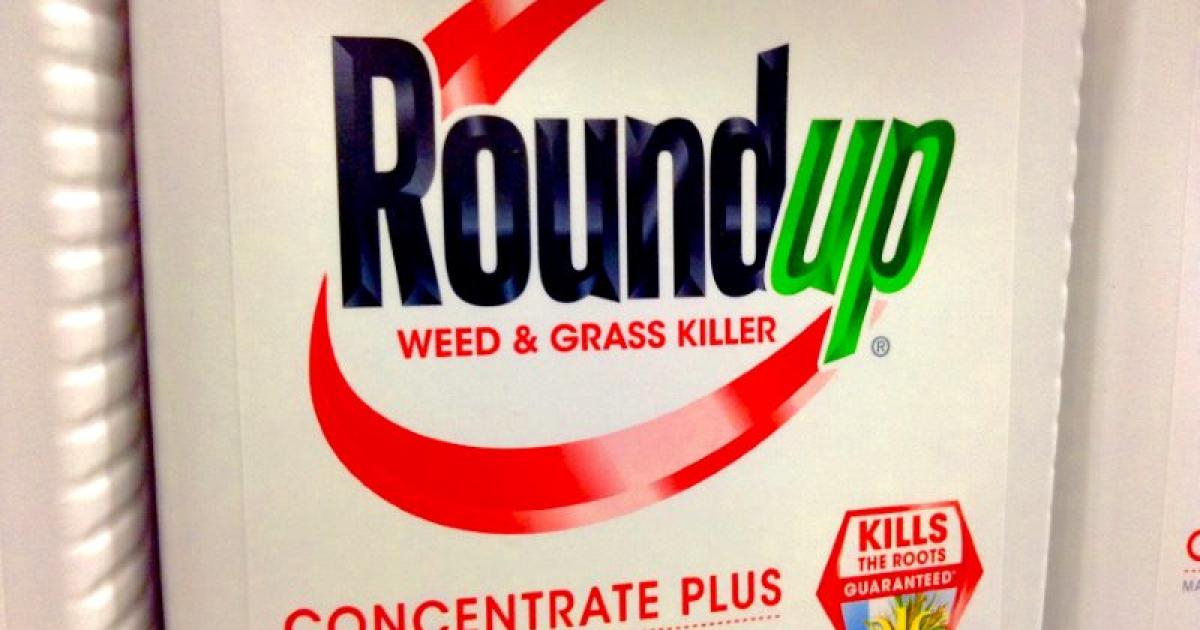
It remains the world’s bestselling weedkiller, despite causing cancer in humans. As EU approval of the chemical glyphosate is set to end, but the European Commission wants to extend it.The European Commission has proposed extending approval of the controversial weedkiller glyphosate, long manufactured under the name Roundup, by 10 years.
Approval in the European Union for the agrichemical is due to lapse this December unless member states agree to a reauthorization.
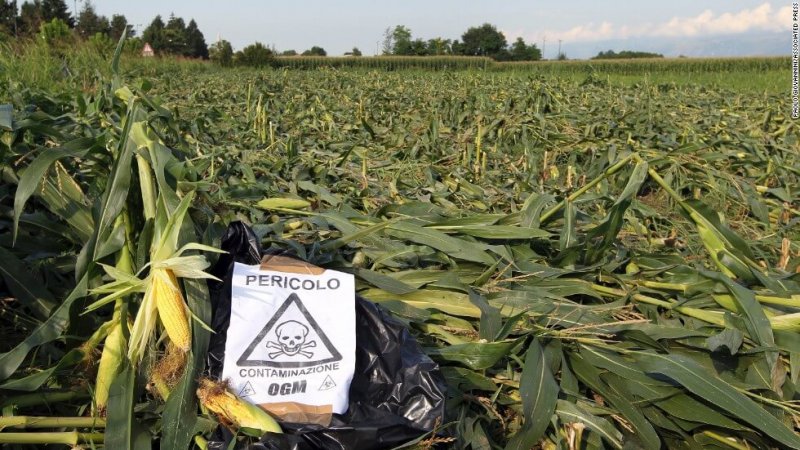
Italy expected to vote against EU renewal of glyphosate herbicide
The EU’s 27 members are expected to discuss the Commission proposal on Friday and will vote on the issue on October 13.
The German Agriculture Ministry, led by the Green Party, has said the renewal was “not justified.” But Greenpeace, an international NGO for environmental activism, had earlier seen a leaked document that revealed “the European Commission’s eagerness” to reauthorize glyphosate, saying this was despite the herbicide’s “negative effects on human health and the environment.”
What is glyphosate?
The US chemical company Monsanto used glyphosate, a mixture of the organic phosphorus compound with other substances, to create the weedkiller Roundup, which it first distributed in 1974.
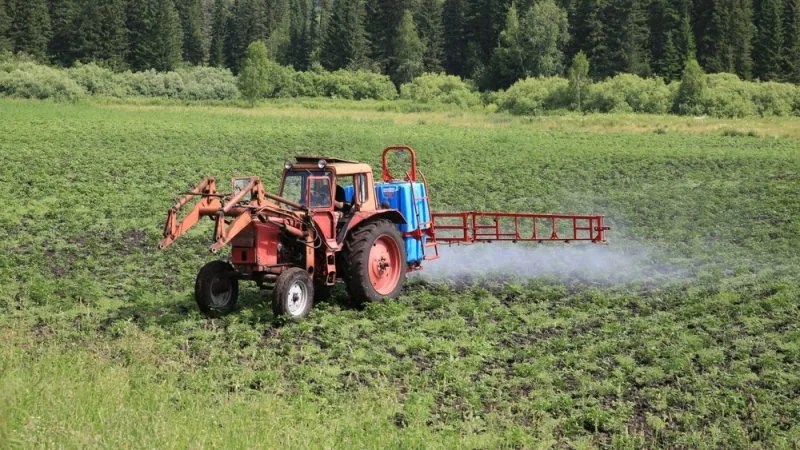
Farmers worldwide continue to spray their fields with the herbicide to kill off green weeds before a crop is sown. The chemical spray also inhibits the growth of weeds that can outcompete crops while they are growing.

EU fails again to agree glyphosate renewal
Pesticides containing glyphosate are now manufactured by several dozen chemical companies worldwide. Germany’s Bayer AG acquired Monsanto, including its top-selling product Roundup, in 2018 and maintains “a leading position” in the herbicides market, Bayer press spokesman Utz Klages told DW.
What is the problem with glyphosate?
Killing wild weeds and plants on agricultural fields deprives insects of their habitat. This, in turn, deprives birds of food.
“The herbicide destroys the nutritional basis for animals,” Jörn Wogram, head of the pesticide department at Germany’s Federal Environment Agency, told DW. “Thus glyphosate, along with other pesticides, threatens biodiversity.”

However, according to studies, glyphosate-based sprays might also alter genetic material and affect the nervous system in animals and humans. For example, a study by the University of Ulm found massive malformations in tadpoles, with disorders of the brain, heart, eyes and body shape due to exposure to the herbicide.
Since the toxin is spread through the air when sprayed on fields, it contaminates widely, from surface water and groundwater to agricultural produce. Traces have been found in human urine and breast milk.
Pesticides containing glyphosate are sprayed in large quantities in soy production, such as the genetically modified soy seeds created by Monsanto to be resistant to Roundup. Health consequences include a higher risk of cancer within farming communities.

“We can see very clearly that people are getting sicker from glyphosate,” said Medardo Avila Vazquez, a physician at the University Hospital of Maternity and Neonatology in Cordoba, Argentina. “In certain rural areas, they are three times more likely to have cancer,” added the co-author of studies on the health impacts of glyphosate on agricultural populations.
The use of glyphosate in soybean-growing areas increased the number of miscarriages by a factor of between two and three, Avila Vazquez told DW. Meanwhile, damage to genetic material “quadrupled the number of malformations,” he added.
Cancer researcher Luoping Zhang of the University of Berkeley in California has evaluated the link between glyphosate and types of lymphoma, including non-Hodgkin lymphoma.
“People exposed to glyphosate or glyphosate-based herbicides have a 41% higher risk of developing non-Hodgkin lymphoma,” Zhang told DW of one study.
Other independent studies show that glyphosate can damage the nervous system, leading to Parkinson’s disease. The herbicide also harms microorganisms, changing the vital composition of gut bacteria essential for human health.

How are the cancer research agency and regulatory authorities responding?
In 2015, the International Agency for Research on Cancer concluded, based on independent and published studies, that glyphosate is probably carcinogenic.
However, the national authorities responsible for approving glyphosate rely almost exclusively on research provided by pesticide manufacturers. These studies are not public, have not been independently verified and have been criticized by scientists.
By contrast, the European Food Safety Authority (EFSA) released an assessment in July stating it could not identify “critical areas of concern” concerning the impact of glyphosate on the health of humans, animals and the environment. While acknowledging that it could not make a comprehensive evaluation due to “data gaps,” it did recommend that glyphosate be considered for EU reauthorization.
“Pesticide producers withheld studies on neurotoxicity in the EU authorization procedure,” stated toxicologist Peter Clausing of the Pesticide Action Network regarding the EFSA assessment. The process is marked by “unacceptable secrecy,” he added.
For toxicologists, health experts, environmentalists and some farmers, the lapse of approval in the EU would be a win for the environment and human health.
Such a progressive change must be backed with broad agricultural reforms, said Clausing. “As a unilateral, isolated measure, a glyphosate ban would have the potential to exacerbate the crisis in conventional agriculture.”
For example, farmers should be better supported to adopt sustainable farming techniques.
“Organic farming shows that farming without herbicides, such as glyphosate, is quite possible and has developed numerous innovations on how to farm well without them,” said Saskia Horenburg of the German Federation of the Organic Food Industry.
Measures include the introduction of new cereal varieties that produce shade with their leaves and thus “suppress” weed growth, Horenburg explained.
What would the reauthorization of glyphosate mean?
The continued use of glyphosate and other herbicides “jeopardizes the achievement of sustainability goals related to environmental protection,” said Wogram of the German Federal Environment Agency.
Amb més d’un terç de les aigües contaminades per glifosat, Espanya ha de votar contra la renovació de l’herbicida a la UE10/2/2023 ● 9:45 AM…. Castellano | Català | Aragonés | Euskera
For the countries of the Global South, too, the EU decision “undoubtedly has enormous significance,” said Larissa Mies Bombardi, who researches the consequences of pesticides in Brazil.
If Europe were to ban glyphosate spraying, she believes this would have a significant signal effect on Brazil and other countries.
Pesticides can be more easily sold when EU authorities claim that environmental and health problems are not a major concern. This would change with a ban.
“The European Union can take the first step by eliminating pollutants and making sure that the rules on its territory can be extended to the world,” said Mies Bombardi.
This article was originally written in German and was updated on September 20 during EU talks on glyphosate renewal.

 The Free