from thefreeonline on 26th April 2024 by Deutsche Welle dw.com
The link between predatory capitalism and the destruction of nature.
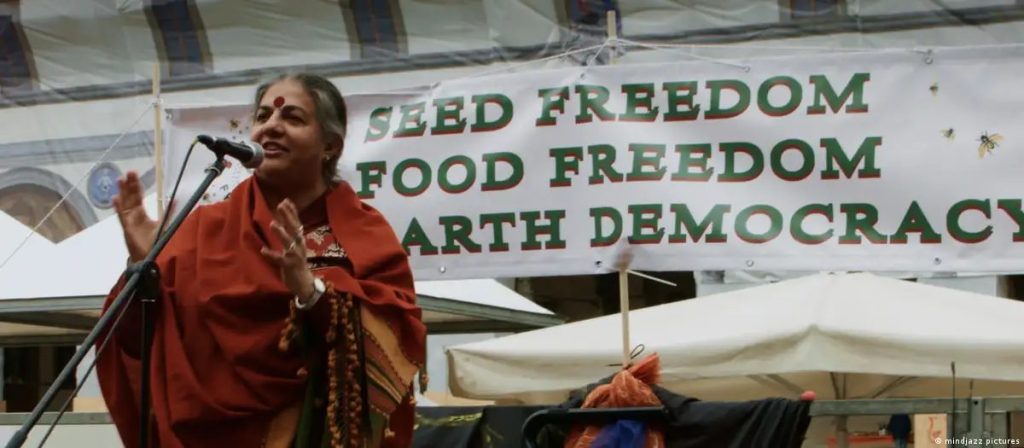
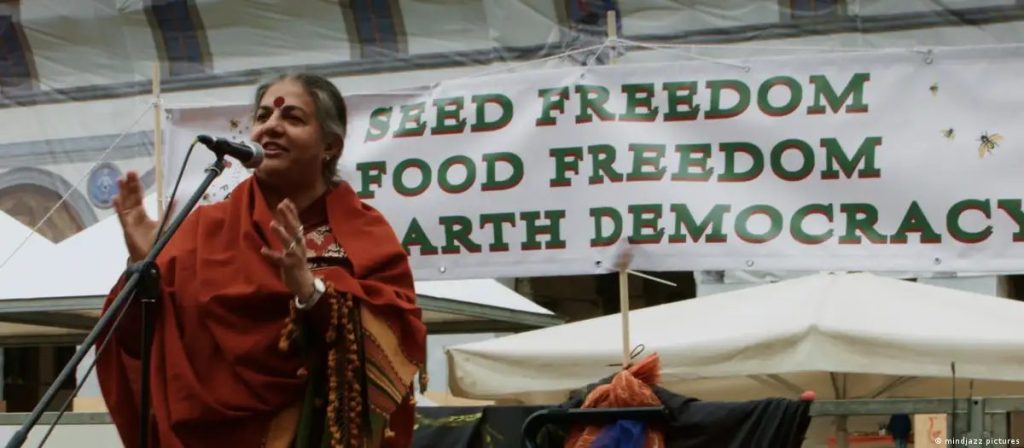
Activist Vandana Shiva, director of the Science, Technology and Ecology Research Foundation, based in New Delhi, India. Photo: Mindjazz Pictures
.
From April 2, 2024
Vandana Shiva:
“Hunger is created before the temperature rises”
In an interview, Indian activist Vandana Shiva defends indigenous peoples’ knowledge and food sovereignty as a way to combat climate change and rising food prices.
In Tierra viva: my life in a biodiversity of movements, the author revisits 40 years of struggle in defense of food sovereignty and against what she calls the link between predatory capitalism and the destruction of nature.
“Drink water, enough food and be able to breathe cleanly. These are the basic flows that give us life. And when attempts are made to privatize and close them, what is threatened is the very possibility of living. At this point, if we make a very honest assessment, a large number of our fellow humans, other human beings, as well as other beings on Earth, are threatened and experiencing an extinction crisis,” states Shiva.
In an interview with DW, the scientist also affirms that Brazil needs to change the logic of large-scale production created by the globalized industrial agriculture model, giving way to organic agriculture as a way to combat rising prices.
“The mistake was betting everything on industrial agriculture, reducing agriculture to manufacturing, which uses fossil fuels and obtains raw materials. Globalization further reduces the food system. Before we ate ten thousand species of plants and now we sell corn, soybeans and cotton only because they are genetically modified and generate royalties for large companies,” she says.
DW: In her new book, Living Earth: My Life in a Biodiversity of Movements, she reviews environmental struggles that combine quantum physics with science, technology, and environmental policy.
How do you see the evolution of these issues since you began to get involved
Vandana Shiva: My values are the same. My orientation comes from the same things: protecting the Earth, defending Human Rights and Justice. When I started, there was a smaller lobby, such as the logging and mining lobby, among others. That was very little compared to what we have today.
Now, as globalization and neoliberalism have emerged, we have reached the point where large corporations want to control all life on Earth through standards and genetically modified organisms.
In addition to companies, there are also a handful of billionaires who use the money from the funds.
The difference is the constant creation of power, the globalization of power and the attempt not to leave any aspect of human life on Earth free. Before, a mountain would be threatened by logging. Today, the entire future of the planet is threatened by all forces of destruction.
We have to remember that we are part of the Earth because this alienation is what allows the extraction of resources and the displacement of people. Develop our resilience. Create our alternatives and defend all aspects of our cultures.
The diversity we had on the planet respected life and that is why, at this moment, colonialism begins to declare that all indigenous cultures are primitive, but it is these cultures that will show the way to the future.
We have to question the definition of primitive and civilizing mission. How can they define themselves as civilizers if they destroy the very future of humanity?
You cite “bioimperialism,” water control, and biotechnology as one of the dangers of today’s world. Because?
As a scientist and also as a human being, I see that threats are dangerous when they focus on the basis of life. The question of freedom was defined only as a civil right, but not as an ecological right to be alive.
Drink water, eat enough food and be able to breathe cleanly. These are the basic flows that give us life.27 april 2024
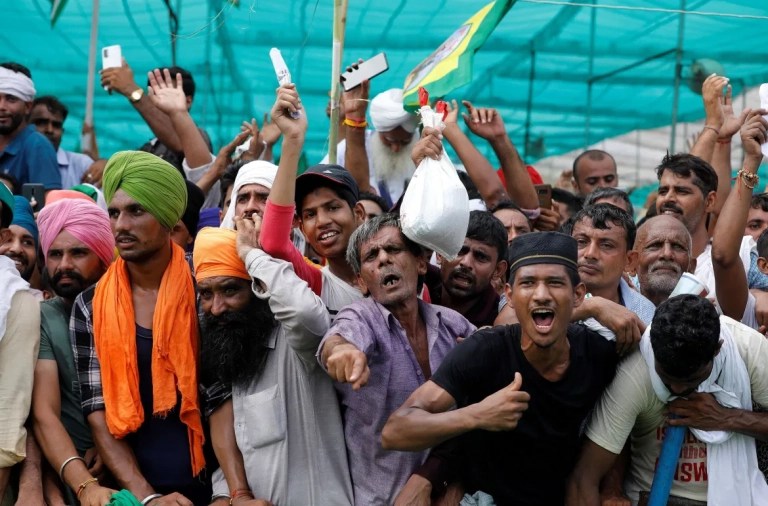
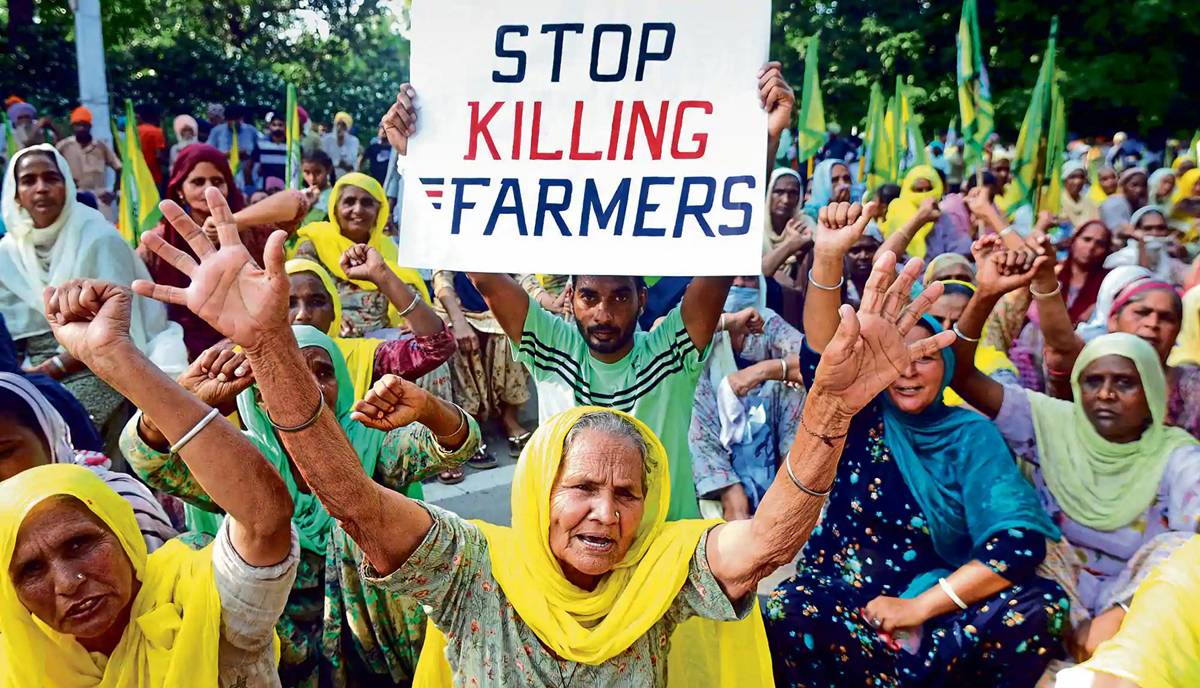
- 27 APRIL 2024.. Modi gov’t anti-farmer’: Thousands rally against India farm laws
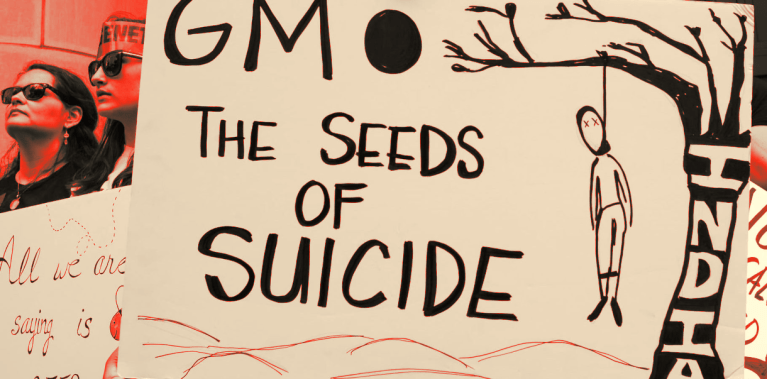
- Farm suicides, anger mount in Indian villages that Modi promised hope
- India farmers march against Agro-Capitalist Plague+ How GMOs will destroy Indian agriculture
And when attempts are made to privatize and close them, what is threatened is the very possibility of living.
At this point, if we make a very honest assessment, a large number of our fellow human beings, as well as other beings on Earth, are threatened and experiencing an extinction crisis.
My heart hurts. My mind goes to the Amazon. Do you know that there exists the most vital ecosystem on the planet. And there are sophisticated cultures that have lived for thousands of years.
Today they are being expelled to mine gold or plant genetically modified soybeans. These are the worst human activities that invade their lands, their competition really takes place at this point between life and death.
The destruction is motivated by greed.
For me, life is at the center of everything and the vital resources that give us life are a fundamental human right, it is a right of all beings because we all need water, all beings need to breathe. All beings need to eat and have food. These are the flows that connect us with the rest of life. And that is what we have to defend.
You mentioned the Amazon region and, there, in recent years we have seen an increase in deforestation to make way for agriculture and mining, and a crisis that impacts indigenous peoples, especially the Yanomami. How can we grow economically while respecting these people?
I believe that the idea that growth, as invented during wars, is a fundamental measure of our existence on Earth is a fallacy since this form of growth was created to mobilize resources for war.
Growth was defined as taking wealth from people and wealth from nature to build larger armies.
Therefore, the idea of an economy to finance war cannot be the basis. We need to finance peace, including peace with nature.
That’s why we need different measures and why the degrowth movement has become so popular. This does not mean that people should eat less.
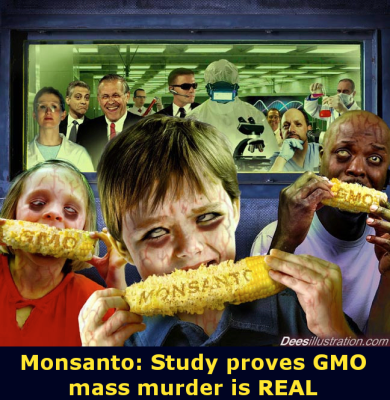
Monsanto fails at attempt to explain away tumors caused by GM corn (dprogram.net)
This does not mean that people should not have water, but it does mean that this construction of growth has allowed the transfer of social wealth into the hands of a few.
Growth does not tell how wealth flows. It doesn’t say where it will end. Measures are needed to treat this as a benefit for everyone.
The growth of the gold and mining industry is, in fact, genocide for these people. Brazil is one of the world’s largest food producers, but food prices put pressure on overall inflation. How can we change this?
I think the way to change this is to go back to the true ontology of food. Do you know what food is?
Food is the basis of life. Food is the currency of life that flows from the soil to the plants and into our gut and is therefore the nexus of our health.
The mistake was betting everything on industrial agriculture, reducing agriculture to manufacturing, which uses fossil fuels and obtains raw materials.
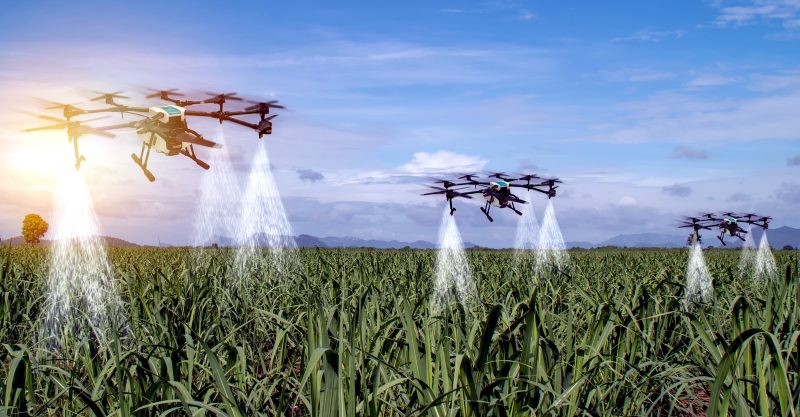
Gates Foundation Initiative Claims to ‘Empower’ Small Farmers, But Will Actually Enrich Corporations
Globalization further reduces the food system. We used to eat ten thousand species of plants and now we sell corn, soybeans and cotton only because they are genetically modified and generate royalties for big companies.
At first, when Brazil wanted to remain free of genetically modified organisms, I went to talk to members of the government.
But they ended up introducing these seeds and Brazil became one of the most toxic nations, with enormous use of pesticides, diseases, etc.
And how can we change this? Eliminate the illusions that chemicals feed us. Chemicals destroy life.
Agriculture is a living process. And the way to produce more food is to regenerate living soils, regenerate biodiversity and regenerate ecosystems.
We have four global seed and agrochemical companies trying to define the model of how we eat. No. They are a poisoned cartel. Their specialty is making poisons and poisons kill.
What we need is food for health.
Therefore, we must move from the globalized industrial agriculture model to organic agriculture and, finally, we must definitely move away from globalized supply chains. These chains are starving the world, the diversity of local food systems that provide food for everyone.
source: https://mst.org.br/2024/04/02/a-fome-e-criada-antes-de-a-temperatura-subir
.forwarded by enred_sinfronteras@riseup.net
https://twitter.com/RedLatinaSinFro/
https://mastodon.bida.im/@RedLatinasinfronteras
Related Posts
Nature must Not be for Sale- Vandana Shiva tells RFK Jr.-videos
Human Health Depends on Biodiversity at Every Level of the Food System
Rewilding Food- Rewilding Our Minds – Rewilding the Earth – Prof. Vandana Shiva
Ecological ‘holocaust’: Women saving India’s Western Ghats forest
original em Portugues
“A fome é criada antes de a temperatura subir”
Em entrevista, ativista indiana Vandana Shiva defende o conhecimento dos povos originários e a soberania alimentar como forma de combater as mudanças climáticas e o aumento dos preços dos alimentos
- EntrevistasNotícias
- 2 de abril de 2024
Do Deutsche Welle
A necessidade de transformar a produção de alimentos em algo extremamente lucrativo acelera as mudanças climáticas no mundo e deixa milhares de seres vivos lutando contra a extinção, de acordo com a análise de Vandana Shiva, filósofa, física e diretora da Fundação de Pesquisas em Ciência, Tecnologia e Ecologia, com sede em Nova Déli, Índia.
Em Terra viva: minha vida em uma biodiversidade de movimentos, a autora revisita 40 anos de luta em defesa da soberania alimentar e contra o que chama de ligação entre o capitalismo predatório e a destruição da natureza.
“Água potável, comida suficiente e poder respirar de forma limpa. Esses são os fluxos básicos que nos dão vida. E, quando se tenta privatizá-los e encerrá-los, então o que está sendo ameaçado é a própria possibilidade de viver. Neste ponto, se fizermos uma avaliação muito honesta, um grande número de nossos semelhantes, de outros seres humanos, bem como de outros seres da Terra estão ameaçados e vivendo uma crise de extinção”, diz Shiva.
Em entrevista à DW, a cientista afirma ainda que o Brasil precisa alterar a lógica da produção em larga escala criada pelo modelo de agricultura industrial globalizada, dando lugar à agricultura ecológica como forma de combater a alta dos preços.
“O erro foi apostar tudo na agricultura industrial, reduzindo a agricultura a uma manufatura, que coloca os combustíveis fósseis e obtém commodities. A globalização reduz ainda mais o sistema alimentar. Comíamos dez mil espécies de plantas e agora comercializamos milho, soja e algodão só porque são geneticamente modificados e trazem royalties para grandes empresas”, afirma.
DW: No seu novo livro, Terra viva: minha vida em uma biodiversidade de movimentos, a senhora revisita lutas pelo meio ambiente que combinam física quântica com ciência, tecnologia e política ambiental. Como a senhora vê a evolução desses temas desde que começou a se engajar?
Vandana Shiva: Meus valores são os mesmos. Minha orientação vem das mesmas coisas: a proteção da Terra, a defesa dos Direitos Humanos e a Justiça. Quando comecei, existia um lobby menor como, por exemplo, o madeireiro e da mineração, entre outros. Isso era muito pequeno comparado ao que temos hoje.
Agora, à medida que a globalização e o neoliberalismo surgiram, passamos ao ponto de grandes empresas quererem controlar toda a vida na Terra através de padrões e organismos geneticamente modificados. Além das companhias, há também um punhado de bilionários utilizando dinheiro de fundos.
A diferença é a constante criação de poder, a globalização do poder e a tentativa de não deixar nenhum aspecto da vida humana livre na Terra. Antes, uma montanha seria ameaçada pela exploração madeireira. Hoje, todo o futuro do planeta está ameaçado por todas as forças da destruição.
Temos que lembrar que fazemos parte da Terra porque essa alienação é o que permite a extração de recursos e o deslocamento de pessoas. Crie nossa resiliência. Crie nossas alternativas e defenda todos os aspectos de nossas culturas.
A diversidade que tivemos no planeta respeitava a vida e é por isso que, neste momento, o colonialismo passa a declarar que todas as culturas indígenas são primitivas, mas são essas culturas que mostrarão o caminho para o futuro. Temos que desafiar a definição de primitivo e a missão civilizadora. Como podem se definir como civilizadores, se destroem o próprio futuro da humanidade?
Você cita o “bioimperialismo”, o controle da água e das biotecnologias como um dos perigos do mundo atual. Por quê?
Como cientista e também como ser humano eu vejo que as ameaças são perigosas quando focam na base da vida. A questão da liberdade foi definida apenas como um direito civil, mas não como um direito ecológico de estar vivo.
Água potável, comida suficiente e poder respirar de forma limpa. Esses são os fluxos básicos que nos dão vida. E, quando se tenta privatizá-los e encerrá-los, então o que está sendo ameaçado é a própria possibilidade de viver. Neste ponto, se fizermos uma avaliação muito honesta, um grande número de nossos semelhantes, de outros seres humanos, bem como de outros seres da Terra estão ameaçados e vivendo uma crise de extinção.
Meu coração dói. Minha mente vai para a Amazônia. Você sabe que aí está o ecossistema mais vital do planeta. E são culturas sofisticadas que vivem há milhares de anos.
Hoje eles estão sendo expulsos para a mineração de ouro ou do plantio da soja geneticamente modificada. São as piores atividades humanas invadindo suas terras. A competição deles realmente ocorre neste ponto entre a vida e a morte. E a destruição é motivada pela ganância.
Então, para mim, a vida está no centro de tudo e os recursos vitais que nos dão vida são um direito humano fundamental, mas é um direito para todos os seres porque todos precisam de água, todos os seres precisam respirar. Todos os seres precisam comer e ter comida. Então esses são os fluxos que nos conectam ao resto da vida. E é isso que temos que defender.
Você citou a região Amazônica e, por lá, nos últimos anos vimos um aumento do desmatamento para dar lugar a agropecuária e a mineração, e uma crise que impacta os povos originários, principalmente os yanomamis. Como podemos crescer economicamente, respeitando esses povos?
Penso que a ideia de que o crescimento, tal como foi inventado durante as guerras, é uma medida fundamental da nossa existência na Terra, é uma falácia dado que essa forma de crescimento foi criada para mobilizar recursos para a guerra.
O crescimento foi definido como retirar a riqueza das pessoas e a riqueza da natureza para montar exércitos maiores. Portanto, a ideia de uma economia para financiar a guerra não pode ser a base. Precisamos financiar a paz, incluindo a paz com a natureza.
Portanto, precisamos de medidas diferentes e é por isso que o movimento pelo decrescimento se tornou tão popular. Isso não significa que as pessoas devam comer menos. Isto não significa que as pessoas não devam ter água, mas significa que esta construção de crescimento permitiu a transferência da riqueza social para as mãos de poucos.
O crescimento não lhe diz como a riqueza flui. Não diz onde vai parar. É preciso uma medida para tratar isso como um benefício para todos. O crescimento da indústria do ouro e da indústria mineradora é, na verdade, um genocídio para esses povos.
O Brasil é um dos maiores produtores de alimentos do mundo, mas o preço dos alimentos pressiona a inflação geral. Como podemos mudar isso?
Acho que a maneira de mudar isso é voltar à verdadeira ontologia da comida. Você sabe, o que é comida? A comida é a base da vida. A comida é a moeda da vida que flui do solo para as plantas e para o nosso intestino e por isso é a conexão da nossa saúde.
O erro foi apostar tudo na agricultura industrial, reduzindo a agricultura a uma manufatura, que coloca os combustíveis fósseis e obtém commodities. A globalização reduz ainda mais o sistema alimentar. Comíamos dez mil espécies de plantas e agora comercializamos milho, soja e algodão só porque são geneticamente modificados e trazem royalties para grandes empresas.
Nos primeiros dias, quando o Brasil queria permanecer livre de organismos geneticamente modificados, eu fui palestrar para membros do governo. Mas, eles acabaram introduzindo essas sementes e o Brasil se tornou uma das nações mais tóxicas, com enorme uso de pesticidas, doenças, etc.
E como podemos mudar isso? Eliminando as ilusões de que os produtos químicos nos alimentam. Os produtos químicos destroem a vida. A agricultura é um processo vivo. E a maneira de produzir mais alimentos é regenerar o solo vivo, regenerar a biodiversidade e regenerar os ecossistemas.
Temos quatro empresas de sementes e agroquímicos mundiais que tentam definir o modelo de como nos alimentamos. Não. Eles são um cartel envenenado. Sua especialidade é fazer venenos e venenos matam.
O que precisamos é de alimentos para a saúde. E então precisamos mudar do modelo de agricultura industrial globalizada à agricultura ecológica e, finalmente, precisamos definitivamente nos afastar das cadeias de abastecimento globalizadas. Isso está matando o mundo de fome, a diversidade de sistemas alimentares locais que fornecem alimentos para todos.
Postsrelacionados
Com agroeologia e cooperação há Reforma Agrária Popular
- 23 de abril de 2024
Mandioca, macaxeira, aipim: alimento ancestral que está na base do Brasil e do MST
- 22 de abril de 2024
Encontro Nacional reúne cooperativas e associações da Reforma Agrária de todo o Brasil
- 22 de abril de 2024
Fighting giants: eco-activist Vandana Shiva on her battle against GM …
Apr 28, 2023Y ou don’t have to look very far to find the essence of life, says Vandana Shiva. But in a society caught up in a blur of technological advances, bio-hacks and attempts to improve ourselves and …
https://newint.org › features › 2023 › 04 › 03 › interview-vandana-shiva-india
The interview: Vandana Shiva | New Internationalist
May 30, 2023The interview: Vandana Shiva. 30 May 2023. Amy Hall. The Indian physicist and veteran food sovereignty activist speaks to Amy Hall about a lifetime of keeping smiling while fighting the lies of the ‘poison cartel’. Credit: Drona.
https://www.acsh.org › news › 2023 › 07 › 13 › activist-vandana-shiva-mortal-threat-most-vulnerable-17186
Activist Vandana Shiva Is A Mortal Threat To the Most Vulnerable
Jul 13, 2023Vandana Shiva, an Indian activist and ostensible face of anti-modern agrarianism in the global south, was a booster of the ban but turned mute as the ban’s cruel consequences became clear. In sum, Shiva’s worldview and policy recommendations have been shown to be more than just fantastical; they are harmful.
https://navdanyainternational.org › calendar › orfc2023-in-the-name-of-the-farmer-vandana-shiva-recalls-a-lifetime-of-campaigning-for-small-scale-farmers
#ORFC23: In the Name of the Farmer: Vandana Shiva recalls a lifetime of …
5 January 2023 – 11am GMT. For over four decades, Vandana Shiva, has vociferously advocated for farmers’ rights, indigenous knowledge, diversity, localisation, and real democracy. She has been at the forefront of seed-saving, food sovereignty, and connecting the dots between the destruction of nature and indiscriminate corporate greed.
https://www.youtube.com › watch?v=dMCU0_MwP5o
Vandana Shiva on India’s Farmer Protests and Agricultural Bills
Dr. Shiva breaking down the three agricultural bills, why we need to support the farmer protests, and why farmers are no strangers to the corporate hijacking…
https://frontline.thehindu.com › interviews › interview-vandana-shiva-environmental-activist-we-must-reclaim-land-as-a-commons-with-shared-use-rights-for-both-men-and-women › article67251141.ece
Vandana Shiva: ‘We must reclaim land as a commons with shared use …
Aug 30, 2023Vandana Shiva was in Chennai to discuss Seeds of Freedom: India’s agrarian crisis, debt-ridden farmers, rising suicide rates, and Western seed corporations striving for control. Shiva advocates organic farming and safeguarding native crop varieties. She stresses gender equality in farming, sustainable farming, farmers’ rights, and dynamic changes in Indian agriculture.
https://www.youtube.com › watch?v=cbR203v_XYU
INTERVIEW | Vandana Shiva: ‘Farmers today resemble refugees’
Sep 12, 2023Vandana Shiva, noted environmental activist known for her advocacy of organic farming, talks to Frontline on the agrarian crisis in India, the need for gende…
https://frontline.thehindu.com › interviews › interview-vandana-shiva-farmers-today-resemble-refugees-agrarian-crisis-sustainable-agriculture-gender-equality › article67302702.ece
INTERVIEW | Vandana Shiva: ‘Farmers today resemble refugees’
Sep 13, 2023I n the face of India’s agrarian crisis, with farmers weighed down by debt, suicide rates on the rise, and Western seed corporations striving for monopolistic control, the environment activist, Vandana Shiva, noted for her advocacy of organic farming and the safeguarding of native crop varieties, was in Chennai recently to give a lecture titled “Seeds of Freedom”, on invitation by the …
https://en.wikipedia.org › wiki › Vandana_Shiva
Vandana Shiva – Wikipedia
t. e. Vandana Shiva (born 5 November 1952) is an Indian scholar, environmental activist, food sovereignty advocate, ecofeminist and anti-globalization author. [2] Based in Delhi, Shiva has written more than 20 books. [3] She is often referred to as “Gandhi of grain” for her activism associated with the anti-GMO movement.

 The Free