
In our lifetimes the great majority of wild animals have been slaughtered, and the process, including the whole biosphere, is accelerating.
from Pebble Galaxy & Grist.org on 6th Dec 2024 via thefreeonline at https://wp.me/pIJl9-F5T Telegram t.me/thefreeonline.
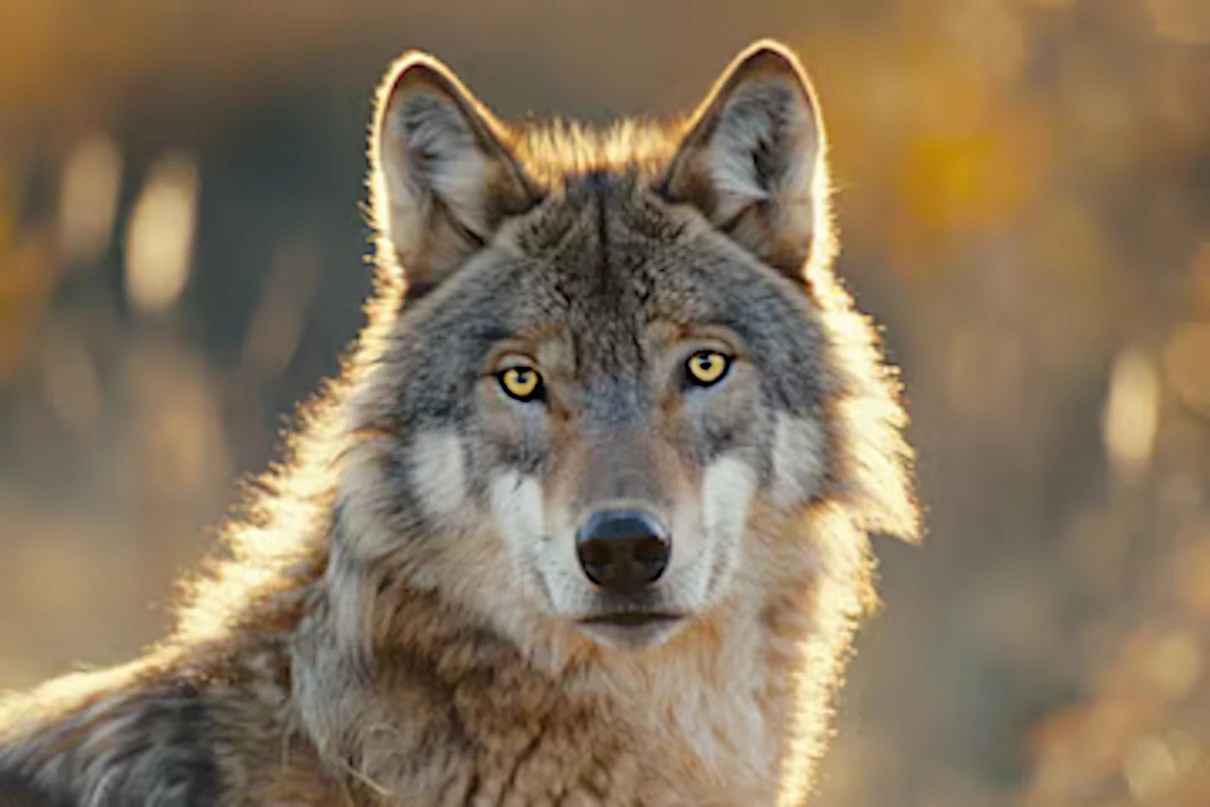
Have you ever locked eyes with a wild fox or felt the silent gaze of a bear in the woods? This immersive post blends prose, poetry, and personal reflections to explore humanity’s connection with the wild. From tigers in Bandhavgarh to the gentle majesty of elephants, let’s journey through the untamed and rediscover the wild in us.
The Whispering Wilderness
You stand at the edge of the forest, your breath visible in the crisp air. The silence feels alive, vibrating with hidden stories. You wonder: Do you ever see wild animals? The thought dances in your mind like fireflies in twilight.
The forest does not answer in words. Instead, it speaks through the rustle of leaves, the distant hoot of an owl, and the almost imperceptible sound of something moving — or perhaps it’s your imagination. But you wait. You must wait. Because the wild, like poetry, cannot be rushed.
“Do you see them?” The voice within you asks. And then, just as your patience begins to wane, a fox steps out from behind a bush, its amber eyes locking with yours for a heartbeat before it vanishes.
Echoes of the Past
In the highlands of Scotland, a boy once ran barefoot through the heather, chasing shadows he thought were deer. His name was Callum, and he believed the wild spoke only to those who dared to listen. One evening, as the sun bled into the horizon, Callum saw a stag standing atop a hill, its antlers like a crown carved from ancient wood.
He froze. The stag froze. Two worlds collided in a moment of breathless stillness. Years later, Callum would describe it as the closest he ever came to touching the divine.
“The wild,” he would say, “is not just a place. It’s a state of being.”
Reflections in the Wild
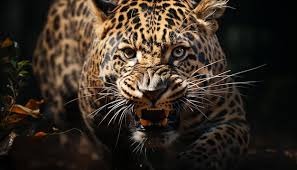
I remember the first time I saw a tiger in the wild. It was in Bandhavgarh, a sanctuary where silence is a language, and every shadow feels alive. My guide whispered, “Look there.”
And there it was — a streak of orange and black moving through the underbrush. My heart pounded as if the tiger could hear it. But what struck me most wasn’t its size or its beauty. It was its indifference.
The tiger didn’t care about me, my life, my worries. It walked with the confidence of something that has seen empires rise and fall. It reminded me how small I was — and how connected we all are.
The wild does not roar; it whispers.
In the sway of grass, the leap of a hare,
In the ancient cry of wolves, hanging in the air.

Do you see it?
Do you feel it?

The untamed heart of the earth, still beating.
The Silent Observer
Imagine this: you’re walking along a misty trail in the early hours of dawn. The world is hushed, and the first rays of sunlight are like liquid gold.
Suddenly, you feel it — the weight of eyes watching you.
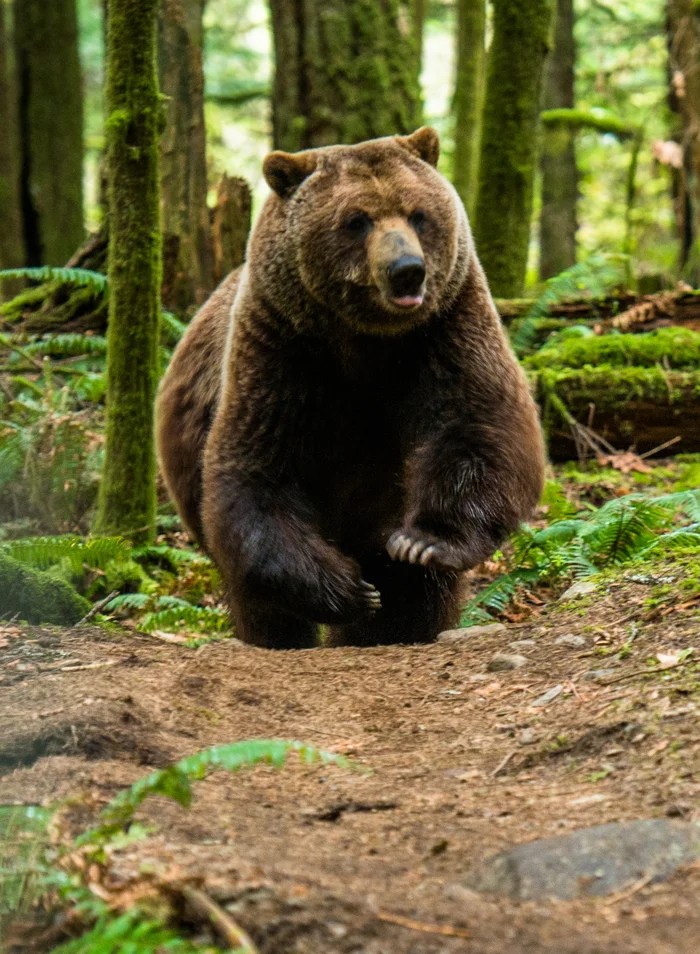
You turn slowly, and there it is: a bear. It isn’t menacing, merely curious, as if wondering what brought you here. For a moment, you both exist in a fragile bubble of mutual respect.
You don’t move. It doesn’t move. And then, like a shadow melting into the trees, it’s gone. But the moment stays with you, etched in your memory like a tattoo.
What the Wild Teaches Us
She was a woman from the city, used to skyscrapers and deadlines. When her friends invited her to a safari, she laughed. “Why would I want to see animals?” she had asked.
But then it happened. On a sun-drenched afternoon, a herd of elephants crossed their path. She watched as a baby elephant, no bigger than a small car, clung to its mother’s side. There was something so profoundly gentle in their movements, so familial, that she felt tears prickle her eyes.
That night, as she lay under a canopy of stars, she wrote in her journal:
“Wild animals show us the essence of life. They remind us what we’ve forgotten in our cities: community, instinct, and freedom.”
A Call to See
I ask you now, not as a writer, but as a fellow traveler on this spinning blue planet: Do you ever see wild animals? If not, why?
Maybe it’s time you did. Step out of your routine. Venture into a forest, a sanctuary, or even the edges of your city. Look for the wild in birdsong, in the glint of a squirrel’s eye, in the rustle of leaves.
You don’t need to see a tiger or a bear to feel the magic. The wild is everywhere — waiting to be seen, felt, and remembered.
The Wild in Us
The wild is not outside us; it is within.
In our hearts, where the untamed winds begin.
In our dreams, where rivers twist and turn,
In our souls, where ancient fires burn.

Do you ever see wild animals?
Or do you only see the walls we’ve built?
Look beyond. Look closer.
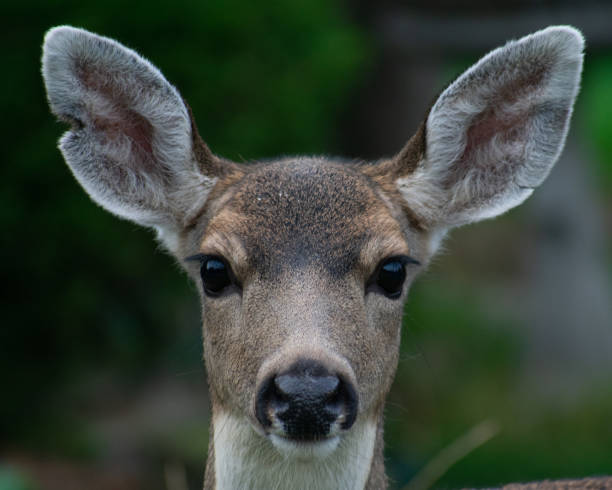
The wild is calling. Will you answer
Action Time
Share your wildest encounters — or your longing for them. Let’s keep the spirit of the untamed alive, one story at a time.
#WildlifeEncounters #ExploreTheWild #NatureLovers #UntamedNature #AnimalStories #WildlifePoetry #ForestAdventures #HumanAndNature #WildernessReflections #ProtectOurWildlife
Do You Ever See Wild Animals? Tales, Reflections, and the Call of the Untamed
How do you save a rainforest?
Leave it alone.
Research shows that, instead of replanting rainforests, allowing them to bounce back naturally would store loads of carbon.
https://grist.org/climate/save-rainforest-carbon-science-biodiversity/
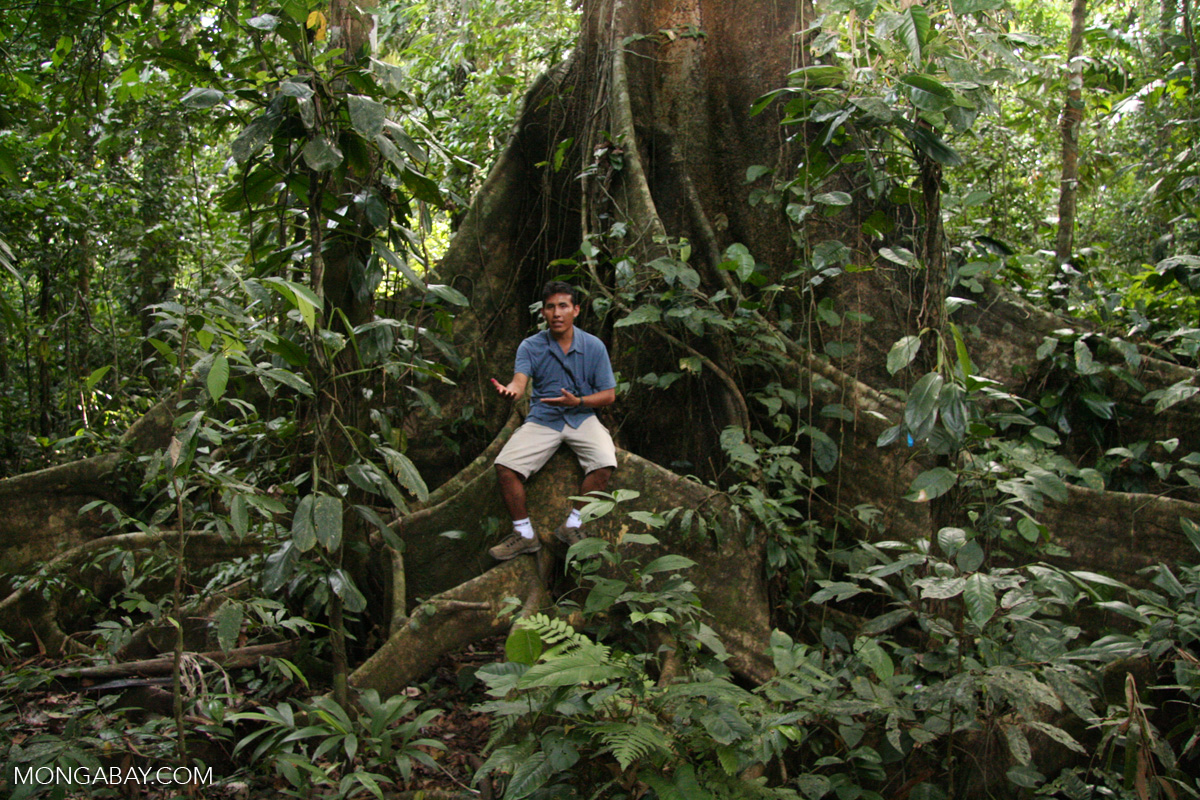
Johnny Appleseed’s heart was in the right place when he walked all over the early United States planting fruit trees. Ecologically, though, he had room for improvement: To create truly dynamic ecosystems that host a lot of biodiversity, benefit local people, and produce lots of different foods, a forest needs a wide variety of species.
Left on their own, some deforested areas can rebound surprisingly fast with minimal help from humans, sequestering loads of atmospheric carbon as they grow.
New research from an international team of scientists, recently published in the journal Nature, finds that 830,000 square miles of deforested land in humid tropical regions — an area larger than Mexico — could regrow naturally if left on its own.

Five countries — Brazil, Indonesia, China, Mexico, and Colombia — account for 52 percent of the estimated potential regrowth. According to the researchers, that would boost biodiversity, improve water quality and availability, and suck up 23.4 gigatons of carbon over the next three decades. …

 The Free