
What’s at stake is not just water supply, but food and energy security, regional stability, and the ability of nearly two billion people to adapt to a rapidly changing climate.
by C.A.R.E. climateawarenessreport on 24 April 25 via thefreeonline at https://wp.me/pIJl9-GJG Telegram t.me/thefreeonline/2962
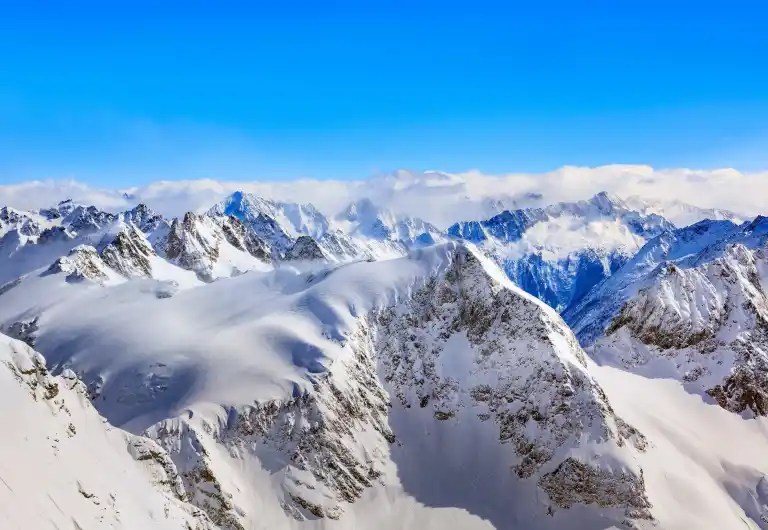
Snow Deficits in the Himalayas Signal a Water Crisis for Nearly 2 Billion People – ↗.wo
The 2025 Snow Update Report has delivered a stark warning: for the third consecutive year, the Hindu Kush Himalaya (HKH) region has experienced below-normal snow cover.
Download the HKH Snow Update 2025
With snow persistence—a measure of how long snow remains on the ground after falling—reaching a record low of -23.6%, the findings highlight a troubling trend for the 12 major river basins that depend on this vital seasonal snow.
This significant drop in snow persistence is more than a weather anomaly. It’s a clear indicator of how climate change is disrupting natural systems, putting at risk the water security of nearly two billion people who live downstream of these rivers, including the Indus, Ganges, and Brahmaputra.
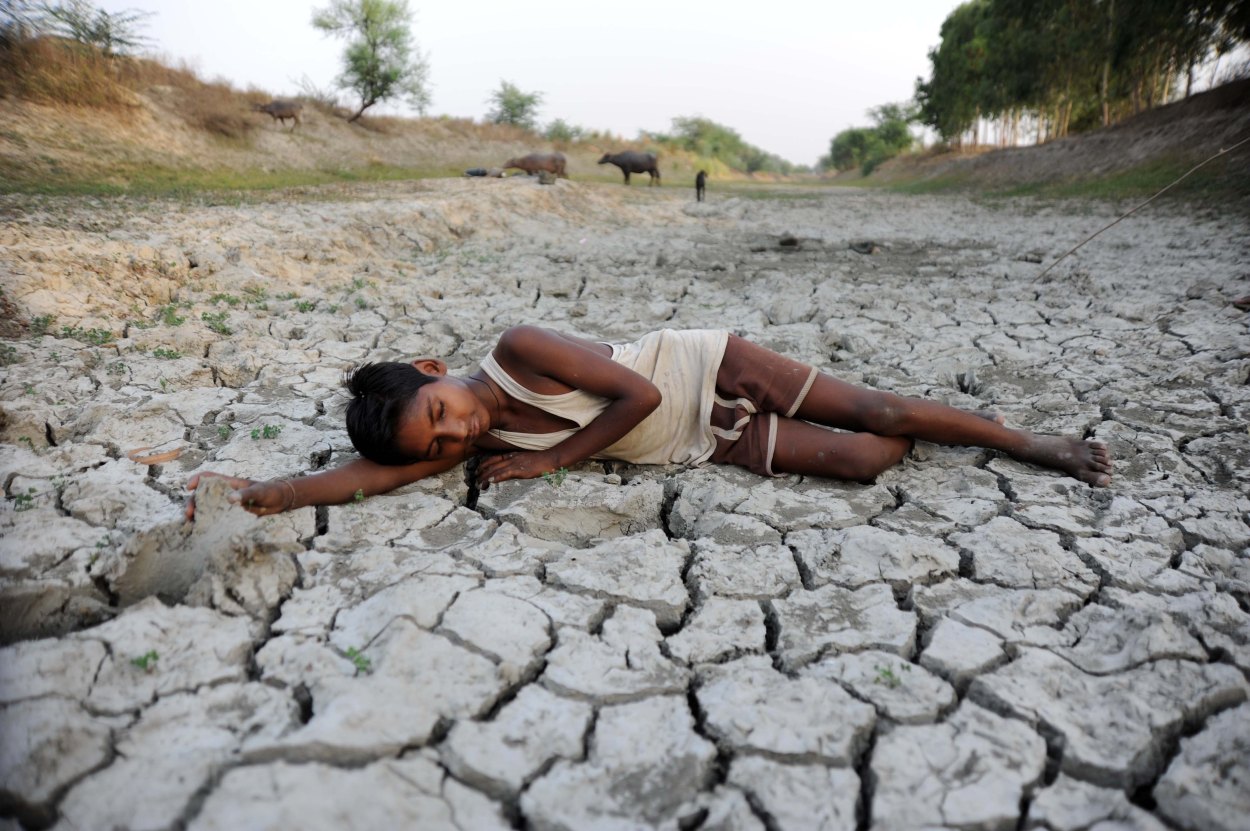
India’s parched rivers: At least 13 without water, … Apr 1, 2024
A Third Year of Alarming Decline
The HKH region, often referred to as the “Third Pole” due to its vast snow and ice reserves, is crucial for seasonal water storage. These snowpacks melt gradually during spring and early summer, feeding rivers that support agriculture, hydropower, and daily life across South and Southeast Asia.
However, the report shows that all twelve major river basins in the region faced below-average snow cover in 2025. The Mekong and Salween basins were particularly hard-hit, losing over 50% of their typical snow persistence.

While seasonal snowmelt typically contributes about 25% of annual river runoff—with western rivers relying on it even more—a sustained shortfall means rivers will run drier, earlier.
That translates into early summer water stress, especially for downstream communities already grappling with more frequent and intense heatwaves.
Basin-Specific Warnings

The numbers are especially concerning in key river systems. The Brahmaputra Basin, which saw peak snow persistence of +27.7% in 2019, has now dropped to -27.9% in 2025.
The Tibetan Plateau—a critical water tower for Asia—experienced an even steeper decline, from +92.4% in 2022 to -29.1% this year.
The Ganges Basin, too, has hit a 23-year low at -24.1%.
Although the western basins fared slightly better than last year, their persistent deficits still offer no real relief. Snowmelt is vital for sustaining water supplies in these regions, and continued shortfalls threaten to deepen existing water stress.
Meanwhile, the eastern river basins, which had near-normal snow levels last year, are now seeing snow persistence drop by as much as 50%.
Even though snow contributes less to river runoff in these areas, a 15% dip can still have tangible effects, especially in mountainous communities and across the fragile Tibetan Plateau.
What the Future Demands
The 23-year dataset compiled in the report shows more than just a trend—it shows a pattern of worsening snow deficits and increased year-to-year variability.
This volatility makes long-term planning difficult, and leaves vulnerable populations exposed to sudden shifts in water availability.

The report is unequivocal in its call to action. To combat this looming crisis, countries in the HKH region must invest in:
- Science-led, forward-looking water management policies
- Early warning systems and drought preparedness
- Regional cooperation on transboundary water issues
- Efficient meltwater usage and storage infrastructure
In short, adapting to this new reality means reshaping how we think about water—from reactive crisis management to proactive, resilient systems.
A Call for Regional Unity

What’s at stake is not just water supply, but food and energy security, regional stability, and the ability of nearly two billion people to adapt to a rapidly changing climate.
The HKH region’s snow crisis is no longer a distant concern—it’s a present and growing emergency.
Without urgent, cooperative action and science-backed solutions, the situation will only worsen.
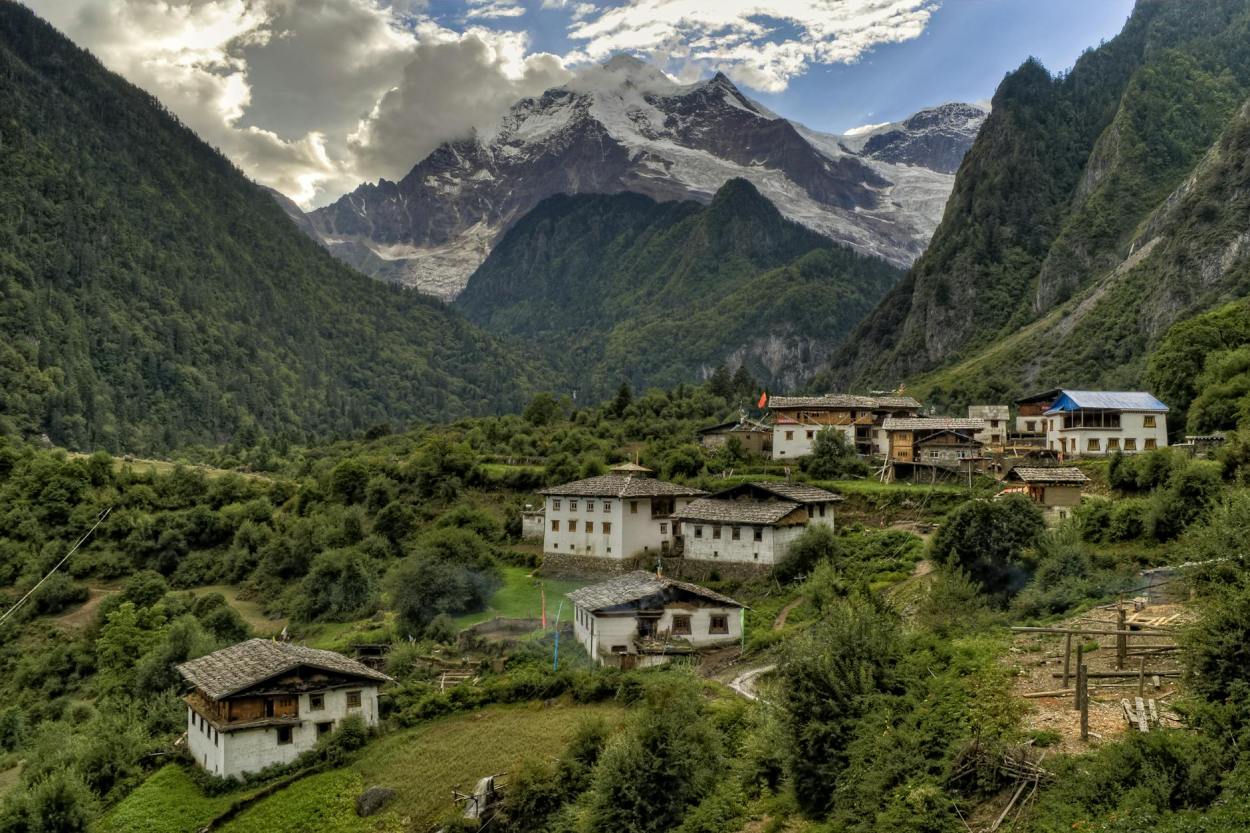
Now more than ever, the region needs to unite in protecting one of its most vital and vulnerable resources: snow.
Download the HKH Snow Update 2025
Related
Himalayan Communities Rally to #SaveOurSnow May 30, 2023In “#COP28”
Hindu Kush Himalaya- a ‘biosphere on the brink’ February 6, 2024In “#Biodiversity”
The Everest Glacial Meltdown February 7, 2022In “#LeadOnClimate #ActOnClimate #ClimateCrisis #wedonthavetime #ClimateReality”

 The Free