blog of the post capitalist transition.. Read or download the novel here + latest relevant posts
Author: thefreeonline
The Free is a book and a blog. Download free E/book ...”the most detailed fictional treatment of the movement from a world recognizably like our own to an anarchist society that I have read...
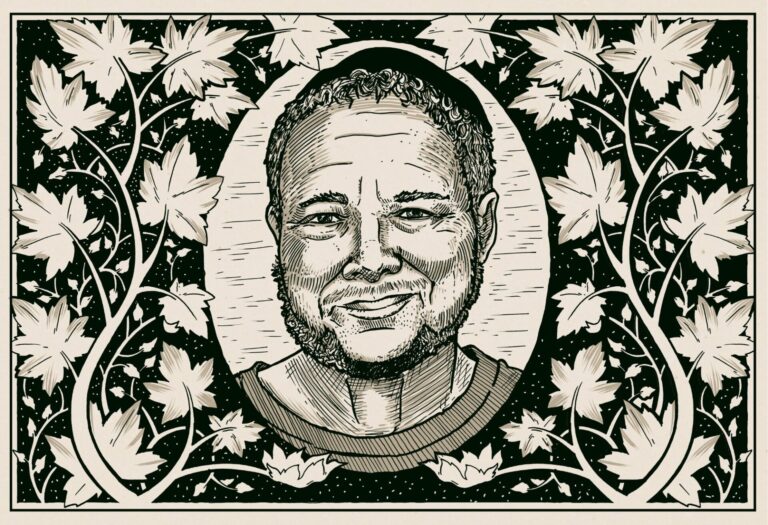
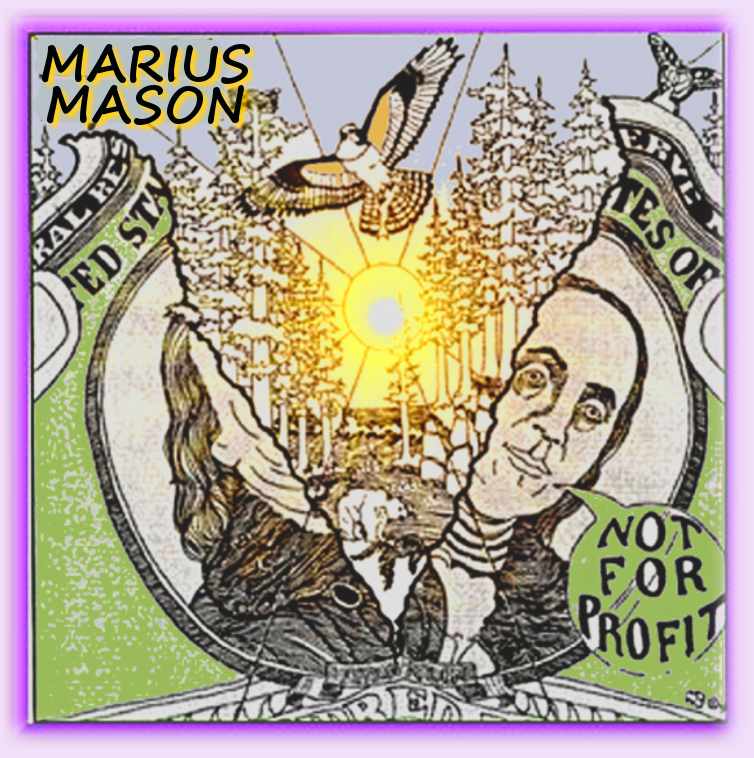
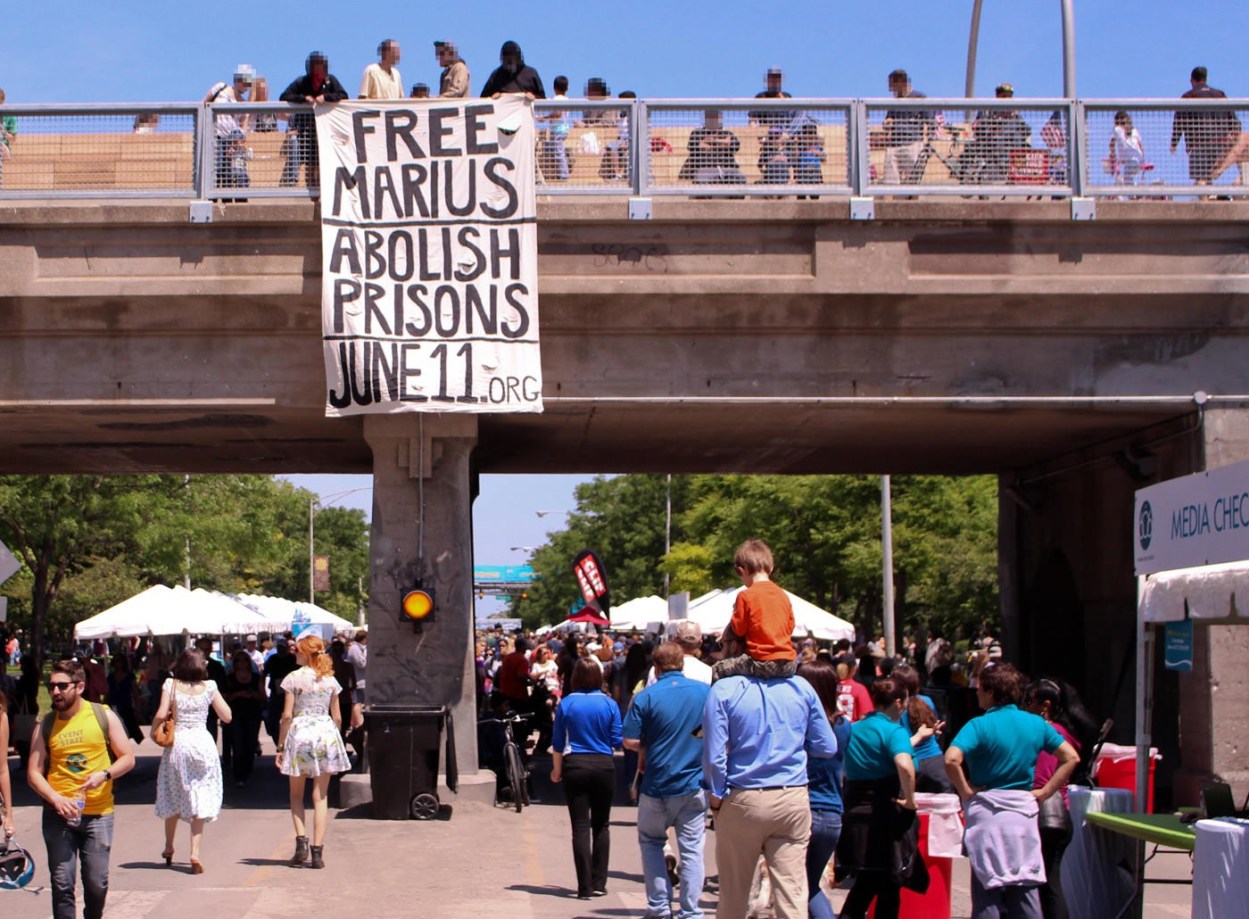
After the hard won years long battle of getting Marius Mason transferred to a men’s prison the increasingly transphobic state in the so called USA have decided to return him to a woman’s prison.
Marius still has just under two years to serve. An eco, animal lib minded anarchist sentenced with terrorist changes for his involvement in property damage against ecocidal companies. His arrest was part of what’s now known as the ‘green scare’.
The 21+ year prison sentence that was given to Marius has not stopped him fighting against injustice as he has tirelessly fought for trans prisoner rights while behind bars.
To write to Marius and send him some love and support please address letters to:
MARIE MASON #04672-061 FCI Danbury ROUTE 37 DANBURY, CT 06811
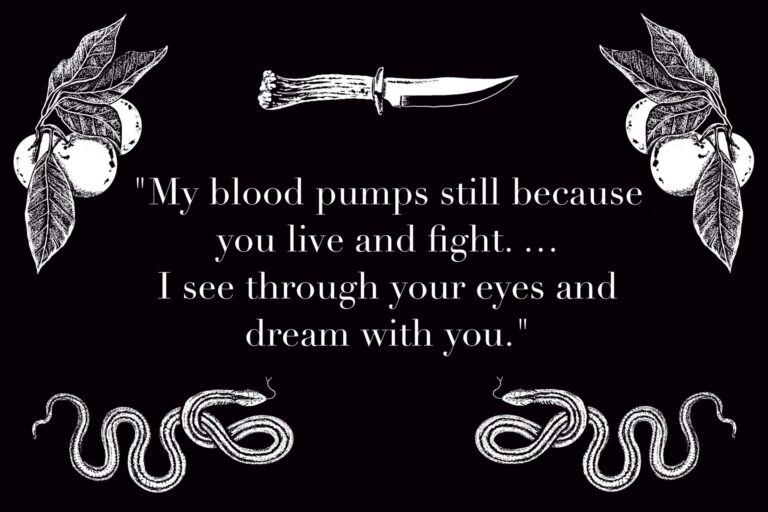
“My blood pumps still because you live and fight… I see through your eyes and dream with you”
Marius was convicted of sabotage and arson as part of the struggle against environmental destruction and all forms of domination in 2009. Marius was arrested during a period of targeted repression known as the Green Scare and is serving a 22 year sentence. Support Marius Mason!
Marius Mason enviado de nuevo a una carcel de mujeres tras edicto de Trump
Marius es un prisionero Anarquista Trans Eco de larga condena –
Marius Mason ha sido enviado a una prisión de mujeres tras las políticas de Trump contra las personas transgénero.
A Marius aún le quedan casi dos años de prisión. El compañero anarquista fue condenado por delito de terrorismo por luchar contra el ecocidio y por la liberación animal
La sentencia de prisión de más de 21 años que recibió Marius no le ha impedido luchar contra la injusticia, ya que ha seguido luchado incansablemente por los derechos de los presos trans mientras estaba tras las rejas.
Marius fue declarado culpable de sabotaje e incendio provocado como parte de la lucha contra la destrucción del medio ambiente y todas las formas de dominación en 2009. Marius fue arrestado durante un período de represión selectiva conocido como el Susto Verde y está cumpliendo una condena de 22 años. ¡Apoya a Marius Mason!
Más info y cómo apoyar: https://supportmariusmason.org Presos subversivos a la calle 👆👆🔥🔥 Escribir ahora aquí – MARIE MASON #04672-061 FCI Danbury ROUTE 37 DANBURY, CT 06811
Thank you for inviting me to speak here today on this historic anniversary. Last month, I addressed the Security Council of the United Nations on the tenth anniversary of the signing of the Minsk II agreements. Anyone who’s interested can check it out at UNTV. I stuck that day to the agenda, Ukraine and Crimea and the Donbass and the war in Ukraine, but I included mention of the Right Sector and Stepan Bandera and the place of white supremacism in Ukrainian politics, but I did not digress. Today, I am not restricted by protocol, and so, with your permission, I will digress as I see fit.
Every morning, when I awake, my chest tightens, and tears well up, I get a grip and gird my loins for the fray: What can I do today? Why do I prepare for battle every day? Because every day we are fighting the existential battle for the soul of the human race.
If we live in the West, our government is aiding and abetting the genocide of the indigenous people of Palestine by the rogue state of Israel in real time, in front of our very eyes. It feels like a nightmare, but it’s not a nightmare; it’s real.
Roger Waters’ speech on the 75th anniversary of the Yalta conference condemning the global escalation towards war.
WHY are no western States sanctioning Israel?
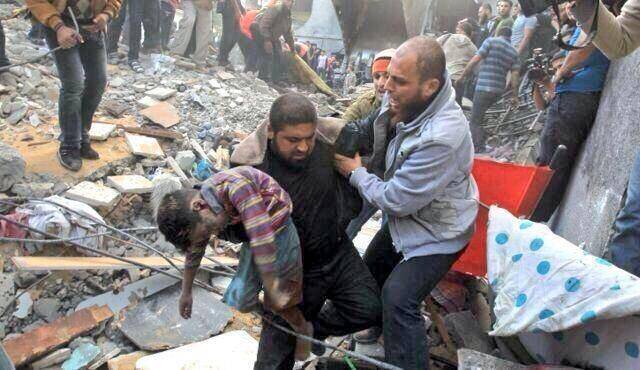
We pinch ourselves in disbelief. This can’t be real. If we have children, they tug at us, ‘Mamma, Pappa make them stop! Hey Mum, Dad why doesn’t someone make them stop? Pappa! Pappa! What about the United Nations, Pappa? What about international law? Pappa! What about the Geneva Conventions? Pappa, Pappa, they’re killing the children Pappa! Pappa, they’re burying them under the rubble. Make them stop.’
And then I take a breath. Why do you think I’m here in Yalta? It’s a good question, though, isn’t it? What about international law, what about the United Nations?
We are here today to mark the eightieth anniversary of a meeting between three men: Joseph Stalin, Winston Churchill, and Franklin D. Roosevelt. They met here in March 1945 to sort of divide up what was left of Europe after the Second World War. They did that without too much fuss, but they also discussed trying to replace the League of Nations, which had failed to prevent the Second World War, by creating a new international forum that might succeed where the League of Nations had failed. Good idea, tighten up the rules a bit, call it the United Nations; that has a nice ring to it.
So, they did. The United Nations Charter was drafted and signed in San Francisco that very summer, and low and behold, surprise, surprise our three chums from the Yalta summit, joined by France and China the other two perceived victors in World War II, were all appointed permanent members in the most important council of the new United Nations, the Security Council.
And what is the Security Council? Why is it important? The Security Council was and is important because its primary responsibility is and I quote, ‘Maintaining international peace and security, including determining threats to peace, taking measures to restore it, and establishing peacekeeping operations’.
Good God. That sounds great; did it work? Well, there was just one little wrinkle.
Ah ha! Go on.
Well, Stalin, Churchill, and Roosevelt had agreed at Yalta that not only should they be permanently represented in the Security Council but that they should also each individually have the power to VETO any Security Council resolution. Of course, France and China chimed in, ‘Me too, me too!’ The big five made it very clear to the smaller nations. Either have a UN Charter with the veto, or no UN Charter at all.
I say that wasn’t very democratic, was it?
Well, no, but the United Nations founding principles sounded pretty good, so all the little guys agreed. These are the founding principles.
Maintain International Peace and Security. Protect Human Rights. Deliver Humanitarian Aid. Uphold International Law. And did they? Well, they did Number 3, a bit, but the other stuff was too difficult, hamstrung as they were and still are by the big five’s power of veto in the Security Council.
I have no doubt they did the best they could, anyway after the war Germany was duly carved up into four zones occupied by the military of the US, the UK, France, and the USSR, but there’s more to the story, three and a half years later on the 10th of December 1948, the fledgling United Nations re-convened in Paris and among other things signed the Universal Declaration of Human Rights. That declaration, partially written, I’m told, by Eleanor Roosevelt, FDR’s Missus, one for the ladies. Thank you, ladies. The thirty articles were then enshrined in international law, or so we were led to believe. It was a very big deal at the time, the dream of equal human rights for all our brothers and sisters all over the world irrespective of their religion or ethnicity or nationality was a very big deal.
Think about it. If adopted, it would probably have signaled the end of all war and absolutely, definitely would have removed the threat of another genocide forever. What a fitting way to remember and also universally condemn the very recent attempted genocide of European Jews by the Nazis. Our leaders, with hand on heart made it a solemn promise, ‘Never again’. But, as they made that promise, and I hate to have to be the one to tell you this, some of them had their fingers crossed behind their backs, some of them were lying. Some of them swore to support and uphold Universal Human Rights, but they didn’t really mean it. Some of them were actually ethno/supremacists, like the Nazis had been, people who believe some people should have more human rights than others.
They believe in Human Rights but only for a chosen few. The few they choose.
Let me give you a fleeting glimpse, come back with me to Palestine in 2007. I was in a UNWRA jeep with a lovely woman called Allegra Pacheco who worked for the UN, we were heading North through the occupied territory towards Jenin on a brand new highway when I remarked, ‘Well at least they have nice roads’ ‘Yes’ said Allegra, ‘They’re for Jews only’.… ‘Don’t be silly, that’s ridiculous.’ ‘Yes, it is, but it’s true if you live here, you have to be Jewish to be allowed to use the road’.
The point I’m making is that the Israelis don’t see this as a contradiction. For them, genocide was wrong in the Second World War in Europe, in Germany or in, say, Warsaw in Poland, but it’s ok now in the Middle East in Gaza because the jackboot is on the other foot.
So, the declaration of Universal Human Rights was a bit of a charade really, part of a sort of masked ball to celebrate the divvying up of the spoils of war. Sorry to be the bearer of bad news, sorry to spoil the party.
Most of you are too young to remember, I’m almost too young to remember myself, but I can read, and I have read the history.
Anyway, we all dutifully wore our masks to the ball. We declared our attachment to all the right sacred cows. We all declared, hand on heart, that we cared about human rights, freedom, democracy, and the rule of international law and yet? Now the jackboot is on the other foot, and so?
Thirty-five years ago, in 1990, I wrote a song called ‘Too Much Rope’ for an album I made called Amused to Death. These are a couple of lines from it:
‘You don’t have to be a Jew
To disapprove of murder
Tears burn our eyes
Moslem or Christian Mullah or Pope
Preacher or poet who was it wrote
Give any one species too much rope
And they’ll fuck it up’.
I’m going to fast-forward seventy-nine years from March 1945 to April the 18th last year. On that day the UN Security Council convened to vote on a draft resolution submitted by Algeria, recommending the State of Palestine be admitted to full UN membership. The draft resolution was not adopted due to a VETO by the United States. So there were twelve votes for the resolution, two abstentions, the UK and Switzerland, and, the killer blow the US VETO.
Why did the USA use its veto to block that resolution? Good question, they’d been bleating on about peace in the Holy Land for years, The famous two-state solution.
And yet, the USA has used its power of veto 45 times since 1972 to support the state of Israel in everything it does. Including, critically, Israel’s ongoing occupation of Palestinian land and genocide of its people.
Why? Good question.
Maybe that is why I am here today to attempt to shed some light on the ‘why’ of it.
I think it may have something to do with an unholy attachment to the ethno/supremacist tendencies I mentioned earlier, manifest destiny, and sacred texts.
I’ll come back to all that, but it might also be about good old-fashioned Greed?
It’s interesting that Donald Trump, the current President of the United States of America, has recently declared an interest in ethnically cleansing Gaza and developing it as an upmarket tourist attraction, a seaside resort with golf courses and, as I recall, a giant golden statue of himself. A nice little earner for Jared Kushner, his son-in-law, no doubt. Not to mention the trillions of cubic meters of natural gas just offshore that rightfully belongs to the indigenous people.
In 1964, in his famous Ballot or the Bullet speech, Brother Malcolm X had this to say:
I’m not here tonight to discuss my religion. I’m not here to try and change your religion. I’m not here to argue or discuss anything that we differ about, because it’s time for us to submerge our differences and [realize] that it is best for us to first see that we have the same problem, a common problem, a problem that will make you catch hell whether you’re a Baptist, or a Methodist, or a Muslim, or a nationalist.
Brother Malcolm didn’t say ‘or a Jew’ that night so I’m adding it for him, ‘Or a Jew’. The point being that in terms of human rights, our religion should be irrelevant, or as Malcolm put it, left at home in the closet.
Back to Brother Malcolm:
Whether you’re educated or illiterate, whether you live on the boulevard or in the alley, you’re going to catch hell just like I am. We’re all in the same boat and we all are going to catch the same hell from the same man. He just happens to be a white man. All of us have suffered here, in this country, political oppression at the hands of the white man, economic exploitation at the hands of the white man, and social degradation at the hands of the white man.
Now in speaking like this, it doesn’t mean that we’re anti-white, but it does mean we’re anti-exploitation, we’re anti-degradation, we’re anti-oppression. And if the white man doesn’t want us to be anti-him, let him stop oppressing and exploiting and degrading us. Whether we are Christians or Muslims or nationalists or agnostics or atheists, we must first learn to forget our differences. If we have differences, let us differ in the closet; when we come out in front, let us not have anything to argue about until we get finished arguing with the man.
Let us leave our religion in the closet.
Thank you, Brother Malcolm.
By the way, for ‘White man’, please read ‘European man’.
Back in the day, before the Israel Lobby gave me up as a lost cause, they used to try and quiet me down by saying things like, you’ll catch more bees with honey than with vinegar, and wouldn’t you rather be seen as like Martin Luther King than like Malcolm X, Roger?
Yes, I can smile now.
Maybe the US representative always uses the power of veto to support Israel because the USA is still an essentially European Colony at heart.
When the Pilgrim fathers landed at Plymouth Rock, when Mr. Christopher Columbus sailed the sea without a compass, when the Portuguese landed in Brazil, they all did so driven by manifest destiny, they all had divine providence and the blessing of the church on their side.
The abundant land in the West, the New World across the ocean, was their Zion. They said so.
So, with God on their side, they conquered all, they lied to the local people, signed treaties they never meant to keep, plundered, raped, all that good old proud boy bullshit.
The genocide of the indigenous people in the Holy Land is just a rerun of the genocide of the indigenous people in the New World. Brother Malcolm’s white man is still that same good old European boy.
So, thank you, Brother Malcolm and thank you, Brother Martin Luther King; you both hold a place very close to my heart, and Brother King, I share the dream. It is a good dream, and we are here today to hold on to it.
We’re holding on to it as best we can here in Yalta, and all over the world, including in Europe, millions of our brothers and sisters daily take to the streets to protest the genocide of our brothers and sisters in Palestine.
Students risk being battered by militarized police while exercising their first amendment rights to protest on college campuses in the US; yes, thank you, Mahmoud Khalil, you are one of those millions, we are all part of the same choir. We sing with one voice.
The fundamental question is, ‘Can we raise the volume of the voices in the crowd, to a level where we effect the way our governments behave, because at the moment our governments are behaving very badly, rooted as they are to their white supremacist racist European roots, and they are standing in the way, between us and progress toward our goal, progress towards the holy grail, The Implementation of The Declaration of Universal Human Rights from all those years ago?’
So, I think we’ve established we can’t leave anything up to our leaders.
And speaking of leaders, much of our attention is focused on the new administration in Washington, DC. Which way will Donald Trump jump? His actions speak louder than words, his actions tell us he couldn’t care less about anyone’s rights but his own. He is at least open and honest about that.
His actions speak louder than words, his plan is obvious; it is to enrich himself and his immediate family and then Elon Musk, and Jeff Bezos, and Mark Zuckerberg and the rest of the oligarchs, all 0.0001% of us. And that is what he will do.
And the rest of us? (mimes cleansing hands) Welcome to the 99.9999%.
We stand at the crossroads.
We are all engaged in the existential battle for the soul of the human race.
Which path should we take?
Can we hold on to the dream?
How can we explain that the unspeakable crime of genocide is unspeakable whoever’s foot wears the jackboot.
Is there a reason the crime of genocide is unspeakable?
What if the unspeakable crime of Genocide turns out to be the Achilles’ heel of Zionism because it invites us to stare, like Narcissus, at our own reflection in the pool?
What if through the surface of the pool we see our own unspeakable reflection?
What if we European colonizers have to confront our own history of genocide in both North and South America and Africa and Australasia? The colonies of empire, be they English or Spanish or Dutch or Portuguese or French, were never home to anything to be proud of.
For hundreds of years, we Europeans committed the unspeakable in God’s name. The rest was theater.
Is any of this ringing any bells? All the fine words spoken in declarations of independence; all the constitutions writ large in flowing script on fine parchment. The pretense of liberty, freedom, democracy – it was all just theater.
Look into the pool, Narcissus; all the artifact of Hollywood cannot conceal the depths of the depravity that is our common history. What is that thing that Americans, in particular, but really all white men, fear so much? We all fear being exposed for who we really are. We fear, in other words, the blinding light of truth.
The truth is that what Western governments are doing when they support Israel’s psychotic bloodbath is not simply justifying Israel’s horrific crimes, they are also defending themselves, standing, as they do, perched precariously, on very shaky, very unstable ground, shame-ridden, in defense of indefensible imperial pasts.
OK, I might as well be hung for a sheep as a lamb. The Old Testament of the Bible. Without the Old Testament and its stories of a victimized people mercifully rescued by a vengeful, bloodthirsty God, we Europeans would have had nothing to give a fake, higher meaning to our own barbaric colonial past. So, if enough of us look into the pool and see through the Achilles’ heel, we will see the truth.
It is not God who is giving Israel permission to continue its murderous rampage, it is us.
How many of us need to look into each other’s eyes and recognize there our shared humanity, before we can stand shoulder to shoulder, arm in arm, face to face with Trump and Netanyahu and Starmer, and, armed with love and truth, we, the choir, will find the strength to say, enough.
This is the ending of your road,
We are not lemmings
We are human beings
We will not move one solitary inch towards
Your Armageddon.
Today, at the crossroads
We came across a child alone
We will not stand aside
And let your bulldozers pass us by?
No, we will not stand aside,
Here we stand
With Rachel Corrie
And Shireen Abu Akleh
And Marielle Franco
And the rest
And embrace this child
And together, we will bring this child home?
Please share this story and help us grow our network!
Roger Waters
Donate Online Send a Check You can also make a donation to our PayPal or subscribe to our Patreon.
Occidente ha decidido que no sólo va a financiar el genocidio perpetrado por Israel contra el pueblo palestino, a declarar la guerra a cualquier país u organización que intente frenar la masacre y bloquear toda iniciativa en el marco de Naciones Unidas que busque detener la maquinaria de exterminio de Tel Aviv.
Ahora también se criminalizará y perseguirá a quien denuncie estas atrocidades, suprimiendo la libertad de expresión de toda persona que conserve la suficiente humanidad para condolerse con los niños, mujeres y ancianos destrozados por las bombas, con los recién nacidos que mueren entre los escombros, con los periodistas cazados sistemáticamente, con los cineastas linchados por turbas de sionistas fanáticos, con un pueblo entero humillado por las burlas de sus asesinos.
En Estados Unidos, el regreso de Donald Trump a la Casa Blanca ha terminado cualquier disimulo en el embate contra la libertad de expresión.
El secretario de Estado, Marco Rubio, admitió que se han cancelado las visas de más de 300 personas por participar en protestas contra el genocidio, y amenazó con expulsar del país a todo extranjero que exprese su disidencia con el gobierno israelí.
En los últimos días la policía ha secuestrado a Mahmoud Khalil y Rumeysa Ozturk e iniciado trámites para deportarlos por sus posturas políticas, pese a que el primero cuenta con una residencia permanente. Asimismo, Trump anunció que retiraría fondos federales a todas las instituciones educativas que no tomen medidas para imponer el sionismo como pensamiento único en sus campus.
Como resultado, Columbia, donde una parte de la comunidad estudiantil se había negado a voltear la mirada mientras tiene lugar la más atroz limpieza étnica del siglo, se comprometió a militarizar sus instalaciones, designar a un censor en sus departamentos de estudios de relaciones con Medio Oriente, cambiar sus políticas de admisión y expulsar a estudiantes o académicos críticos.
Alemania ha seguido un camino similar, normalizando expresiones de odio que hace poco nadie habría imaginado fuera de los círculos de la extrema derecha. En este país, que rivaliza con Washington en su apoyo a Tel Aviv y donde la islamofobia está siempre latente bajo las buenas maneras cultivadas por la clase política y los grandes medios, se han girado instrucciones para que las escuelas persigan toda manifestación verbal de apoyo a la resistencia del pueblo palestino.
A las personas se les puede impedir la libre circulación por portar la kufiya, la prenda icónica de Palestina, que, como todos los símbolos de dicha nación, son calificados por las autoridades como una apología del terrorismo en lo que constituye una estigmatización por motivos étnicos y religiosos de la que se supondría más precavida a la sociedad alemana.
Con diversos matices, la islamofobia y la feroz persecución contra los denunciantes del genocidio se repiten en todo Occidente.
Ante los ojos del mundo, se ha instalado un consenso fascista-sionista con el que se justifica la clausura de las libertades de expresión, de reunión, de movimiento, de manifestación y de pensamiento.
La principal responsable de hacer frente a este oscurantismo es la sociedad estadounidense, cuya aceptación de la Ley Patriótica promulgada en 2001 por George W. Bush la condenó a sí misma, pero también al resto del planeta, a una degradación de las libertades que hoy se encuentra totalmente naturalizada.
Debe recordarse que esa ley habilita la detención indefinida de personas sospechosas de terrorismo sin necesidad de presentar cargos formales, otorga a las agencias gubernamentales amplios poderes para realizar vigilancia electrónica y acceder a registros financieros y de comunicación de ciudadanos estadunidenses sin una orden judicial.
El espionaje fuera de Estados Unidos ya era una actividad rutinaria de Washington, y lo sigue siendo.
En suma, es necesario reconocer que la regresión desatada por el trumpismo se inscribe en una larga erosión de las libertades en nombre de la seguridad nacional y el combate a enemigos reales o imaginarios, en una senda prohibicionista que se asemeja de manera notoria al macartismo de la guerra fría.
Hoy las principales víctimas son el pueblo palestino, sus simpatizantes y las personas migrantes no blancas, incluso las que cuentan con documentos.
Sin embargo, ya ha iniciado el embate contra las mujeres, el colectivo de la diversidad sexual, los afroestadunidenses y otros grupos que no deberían esperar a un recrudecimiento de la intolerancia para tejer redes de solidaridad y resistencia.
He’s done it again. Or rather, they have. As part of their curious slash-and-burn crusade to dismantle – for better or worse – large swathes of the American state from the top, President Donald Trump and his bestie-in-chief Elon Musk with his gang of enforcers at DOGE have put the axe to yet another seven government agencies.
Carried out by presidential executive order, this particular blitz is aimed at offices busy with things as diverse as labor dispute mediation and the mitigation of homelessness.
Yet, tellingly, there is only one kind of cut that has really made centrists, liberals, and the mainstream media furious. Nope, not the hit on the homeless; and not the one on labor relations either.
What caused a ruckus instead is that Trump and Musk have gone after state propaganda. To be precise, state propaganda for the rest of the world. https://www.youtube.com/watch?v=_wIOqHSsV9c
For one of the offices that has been given the Trumpist flamethrower treatment this time is the US Agency for Global Media (USAGM). And that is, in reality, the US ministry for propaganda abroad.
While it’s a fairly new (2018) label, USAGM’s roots reach deep into the fetid soil of the last century’s Cold War.
Originally, there were Voice of America, Radio Free Europe, and Radio Liberty. Voice of America was founded during World War II and was quickly retooled afterwards to be used as a Cold War propaganda weapon by the CIA.
But that “involvement was kept secret until the late 1960s for fear of Soviet retaliation,” as Encyclopedia Britannica puts it with fine British understatement as well as a whopping portion of brute disinformation: The fact that the CIA remained in hiding was, of course, not due to the big bad Russians (the Soviets at the time) being so terribly scary. It was simply a means to manipulate publics in the East and the West and present what was geopolitically driven propaganda as ‘independent news’.
Of course all nation States promote their racket, but the US took the rest of us for idiots, presenting their own racist settler culture as a Disneyland paradise, inventing double speak in mellifluous caring tones, while looting the planet.
Even the title, Voice of America, is seen as an insult, claiming their patently false voice speaks for the whole Continent of America.
After 1971, the CIA (officially) ended its (direct) control. If you believe that means an agency specializing in lying – and so much worse – was no longer pulling the strings, I have a Ukrainian ‘democracy’, complete with ‘civil society’ and all the fixings, to sell you.
The defence cited grim reports of “white torture” in Hungarian prisons, including permanent solitary confinement and 24-hour surveillance ~ Alisa-Ece Tohumcu
~ After five months in Fresnes Prison, Rexhino “Gino” Abazaj, a 32-year-old Albanian anti-fascist activist, was released under judicial supervision yesterday (26 March).
Arrested in Montreuil in November 2024, he faces up to 24…
Ante la compleja y peligrosa situación geopolítica mundial, nos encontramos con un escenario de gran incertidumbre, de cierta sicosis,.
Puesto que la casta bélica y política europea, ligada a la oligarquía del viejo continente, está buscando que el conflicto entre Ucrania y Rusia pueda seguir escalando
Padece un conjunto de síntomas que afectan la mente y que hacen que se pierda cierto contacto con la realidad.
Esta casta política ligada a los grandes empresarios y complejo militar industrial europeo busca empujar el carro hacia la guerra nuclear.
Ha desatado toda una campaña de mentiras y del terror con respecto al gran invento de la “amenaza rusa”, buscando generar pánico en los pueblos europeos.
La retórica belicista en Europa, especialmente de parte de figuras como Ursula von der Leyen, Kaja Kallas, Emmanuel Macron, Keir Starmer, Friedrich Merz y otros líderes de algunos países de la UE, está impulsada por varios factores estratégicos, económicos y políticos, pero todos al servicio del gran capital.
La desquebrajada unidad de la UE y la OTAN, a través de sus líderes belicosos busca mantener la narrativa de una presunta “amenaza rusa”, tratando de fortalecer a los países europeos bajo un objetivo común y justificar una supuesta mayor integración y gasto militar en el bloque.
Para ello a costa de los impuestos de los ciudadanos y la reducción del gasto social, se busca financiar el llamado rearme de Europa, aumentando así sus presupuestos militares, bajo la presión de EE.UU. y la OTAN.
Lo que beneficia a la industria armamentística europea y estadounidense, las cuales ya están obteniendo jugosas ganancias con el conflicto ucraniano-ruso, en donde 800.000 millones de euros, irán a incrementar aún más la riqueza de las mafias armamentísticas.
En este sentido cabe destacar que los EE.UU. ha sido un actor clave en la política de confrontación con Rusia, buscando mantener su influencia en Europa y debilitar a Rusia geopolíticamente, hasta “ganar la guerra”.
La retórica alarmista, ruso fóbica ayuda a justificar sanciones, medidas económicas y restricciones políticas que de otro modo serían impopulares.
En realidad, se busca reducir la influencia rusa en Europa, cortando la dependencia energética, castigando con sanciones que no han tenido ningún efecto relevante y aislando a Moscú diplomáticamente.
Asunto que tampoco han conseguido pues solo alrededor de 40 países apoyan los intentos de una guerra mayor con Rusia.
La estrategia de campaña del terror de la Comisión Europea (CE), está orientada a preparar a los pueblos del viejo continente, para un conflicto mayor, prolongado, ya sea económico, político o incluso militar, mientras se fortalece la influencia de EE.UU. y la OTAN en Europa, de allí, los aires belicosos y la satanización de Rusia.
¿Ahora que significaría una guerra de la Europa occidental contra Rusia?
Al respecto señalamos algunos aspectos que se desprende del lenguaje guerrerista de los líderes belicistas europeos, entre los cuales se encuentra el gasto en defensa, el envió de tropas a Ucrania, que podría llevar a una escalada militar innecesaria, con riesgos de enfrentamientos provocados o accidentales.
Ahora las sanciones contra Rusia, como se ha podido apreciar, han perjudicado a Europa, generando inflación, crisis energética y una gran incertidumbre económica.
Un conflicto directo agravaría estos problemas, afectando aún más a los pueblos europeos.
El gran cuento de la “amenaza rusa” podría usarse para justificar restricciones a las libertades, censura y mayor control estatal sobre la sociedad, instalando una Europa totalitaria, con tintes fascistas.
A través de distintos sondeos realizados por algunos medios de prensa, se ha podido constatar que los pueblos europeos no desean la guerra y la política de provocaciones que emanan de las directrices de la CE, además nuevas sanciones a Rusia, puede desencadenar una reacción que lleve a enfrentamientos aún más graves.
Finalmente cabe destacar que, si las élites políticas belicistas y que representan los intereses oligárquicos europeos, siguen ignorando la voluntad de los pueblos, que en su mayoría no apoyan una guerra con Rusia, el descontento social podría ir creciendo gradualmente, debilitando la cohesión de la UE.
La clave será si los movimientos sociales y pacifistas, además de la diplomacia, logran imponerse sobre los intereses militares y geopolíticos, del capital europeo que impulsan la confrontación y que nos puede llevar a la guerra nuclear, lo que es una gran irresponsabilidad de la elite belicista de la Unión Europea.
♦♦♦
Eduardo Andrade Bone, Analista Político Comunicador social . WMP/PP/IA/EAB/AIP 26/03/2025\
The film shows how we can transform degraded landscapes into places of 🌿 water abundance & 🌎 biodiversity, helping to cool our global climate. ❄️🌱
💬 What people are saying:
🔹 “I hope that everyone who cares about the climate crisis will watch this film.” — Skeena Rathor, Extinction Rebellion co-founder 🔥
🔹 “This film should be shown in every school and university.” — Maude Barlow, Blue Gold author 💧
🔹 “I loved it! Water is Love will empower the next generation to build an ecological society.” — Debbie Bookchin, award-winning journalist 🏆
20,622 views Apr 23, 2024 . Water is Love: Ripples of Regeneration follows a group of young people grappling with the climate crisis while we journey around the world to share inspiring stories of regenerative ecosystem design to create water retention in communities, villages, and regions.
We touch upon traditional ecological knowledge, how water makes climate, and the importance of restoring complete water cycles.
Through inspiring stories from successful projects in India, Kenya, and Portugal, we aim to spark conversations and actions that contribute to a regenerative and resilient world.
As we’re facing both the growing devastating impacts of climate disruption and the failure of governments to act, this film points to an often overlooked need and possibility: community-driven decentralized water management as a critical key for surviving — and thriving in — this century.







 The Free