
Dec 15, 2020. Wild Manifesto: Domination, Fear, and Radical Disobedience
By Eduardo Gudynas at servindi.org translation thefreeonline
Leer ORIGINAL en castellano AQUÍ
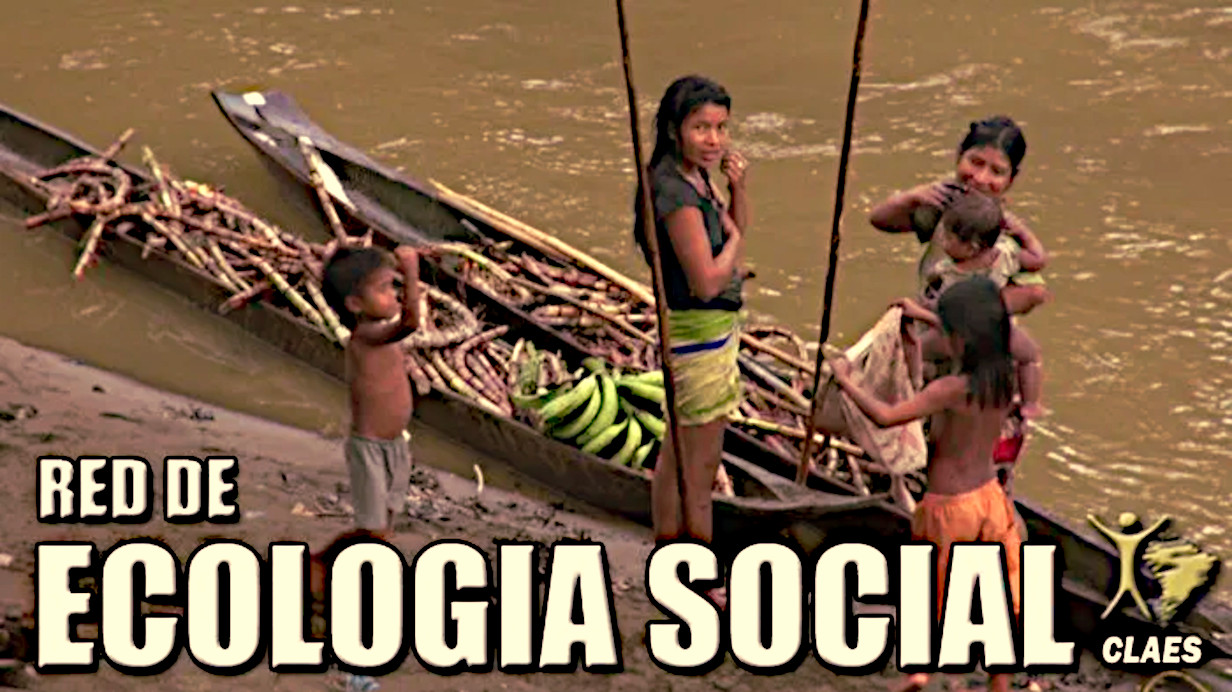
Is there something of the wild left in the 21st century? In the jungles and mountains there are hardly any places that are truly wild or free of any trace of contemporary capitalism. Wild beasts barely survive in a few places, and are best known for television documentaries or behind bars in zoos.
The roar of the cougar can be reproduced from an application on the cell phone. The indigenous should no longer be savage, and if she/he were, it is still not a compliment to many. The wild is tied to the past of engravings and black and white photos, to a history that is left behind. The equation is less savagery and more modernity, less jungle and more plastic.
What does it mean to be wild today? In today’s vocabulary that word has other uses. Some use it to denounce those who wage war or mercenaries in drug gangs as savages. It’s what we hate. But in the opposite sense, wild can also be the slogan in the advertising of a deodorant or a perfume. It is an animal ancestry that some long for.
But wild is not just any word. Much less is it a term without history.
It has marked the future of the global south from the first day of colonization. An attempt was made to appease the foundational fear by imposing civilization on the wild, on other humans and on Nature.
With the passage of time, many people celebrated that the sense of the wild was replaced by ideas such as progress, development or modernization. But there is nothing to celebrate. When the wild lost its guts, the shell that survived was easier to master and control. Obedience is accepted, imposed, even desired.
Faced with the multiple crises that we now face, it is imperative to break with that compliance that leaves us more and more defenseless and immobilized. It is time for disobedience, and for that, we need to be wild again.
Reinventing Savages
Before entering hell there was the jungle, and she was wild. A dark, rough and thick space that aroused fear, as Dante Alighieri made clear in his Divine Comedy (1).
That fear, confessed almost two centuries before the arrival in the Americas, was the burden that the colonizers carried. The first Europeans to set foot on American beaches applied these ideas, turning almost everything around them wild.
They did not invent anything, but instead performed a transatlantic juggling act that transplanted European myths to the American lands and its inhabitants of the Americas (2). They were unable to do otherwise.

In western Europe of those times, wild was the label that was applied to forests, mountains or any other remote place, to wild animals, but also to men and women who lived in those places, the uneducated that they were naked or in worn clothes, covered with hair from head to toe, unable to speak or that if they did, they were very rude (3). An image of uncultivated spaces, undomesticated animals, chaos and disorder.
But what is not always noticed is that the idea of wildness is intimately dependent on fear. That dread that Dante invoked was due to the fact that these places were dangerous to them and the uneducated who inhabited them did not differ from the beasts of the forest. Fear appears again and again associated with the wild, applied both to the environment and to its inhabitants, undifferentiated from each other, and that was the sensitivity that the colonizers installed in our continent.






 The Free