-
-

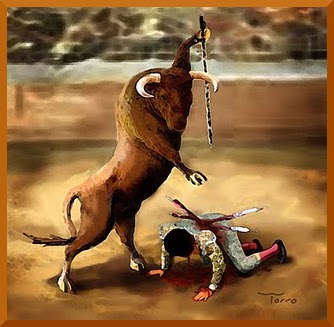
Concentración antitaurina Villena
Location: Plaza de toros de Villena
-
Time: 4:30PM Sunday, April 10th
Category: social revolution
SOUTH AFRICA: The Invisible People
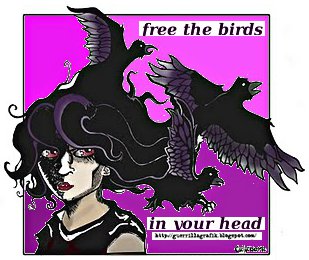
One in six South Africans struggle with a mental disorder.
CAPE TOWN, Apr 4, 2011 (IPS/Street News Service)
By Jamie Elkon* Since psychiatric care was decentralised last year in South Africa, patients have been moved from hospitals into community day hospitals that don’t have the appropriate resources to deal with mental illnesses. As a result, many of society’s most vulnerable have slipped through the cracks in the system and now walk the streets like invisible people…………. /cont.
Let’s make everything FREE!..
The Free World Charter is a document that proposes an advanced alternative society that uses no money, is free, fair, and sustainable.
It is neither political nor religious. It is simply sense, science and survival.
This is our world and we can choose a better society now if we want it.
Please read and sign The Free World Charter today at http://www.freeworldcharter.org
via Let’s make everything FREE! An introduction to The Free World Charter. – Money-Free.
por um mundo sem violência machista

Shaming of a repeated sexist agressor inside the Free Transport movement in Sao Paolo (see video)
Texto do panfleto: escracho público a agressor no 11º ato contra o aumento
Posted on 2011/03/31 by feministascontraoaumento
PARA COPIAR-COLAR-DIFUNDIR!
Por um mundo sem catracas e sem violência machista!
Estamos aqui hoje para falar de um assunto que tem nos afetado muito nesses meses de luta contra o aumento: a presença de um agressor de mulheres no centro das mobilizações.
Há cerca de 6 meses um dos militantes do movimento passe livre de São Paulo ameaçou de morte, perseguiu, constrangeu, agrediu verbalmente, insultou e limitou o espaço físico de uma companheira de movimentos sociais autônomos.
http://www.youtube.com/watch?v=zvqBxEFJMy0
Fazemos essa denúncia porque esse agressor continua frequentando os mesmos espaços políticos como se não houvesse acontecido nada ou como se aquilo que aconteceu não tivesse relevância política nenhuma. Que as agressões cometidas contra as mulheres sejam vistas como algo de pouca importância infelizmente não nos surpreende. Os movimentos sociais têm muita dificuldade de enfrentar coletivamente e publicamente as violências machistas que acontecem em seu meio. É estranho ver como as bocas daqueles que defendem todo o tempo que tudo é coletivo ou que assim deveria ser, ficam caladas nesse
An end to the occupation

An end to the occupation
Complicity, Duplicity, Monstrosity, Let me count the ways. A numerate response to the apparitions of neo-liberal confinement.
Nic Beuret
The Paper
1. The violence comes in waves of shock, panic and terror. As the waves crash, outrage emerges as the universal emotional condition: so commonplace as to become another affliction like an obsession with the weather. People are outraged about what is being cut and from whom. Others are outraged about occupations and property damage. With baton charges and things thrown from roofs. People are outraged about the complicity of the TUC, the duplicity of the Liberal Democrats and the so-called self-interest of students and public sector workers.
2. Outrage flies in all directions, creating a numb sense of brutality. There are two faces to this brutality. It is productive of both our ability to solve the twin crisis of profitability and governance and to their policing of our labouring bodies.
3. But outrage gives us no special insight: it is mere reaction. So it must be put to one side. We need to see why our struggles, actions and protests have invited the intensity of violence that they did. We must look to what the theatre of baton charges, horse charges and late night imprisonment meant.
4. The police are not merely an agent of repression. The idea of the police evolved from a set of practices……….
read more.. via UK: An end to the occupation – Infoshop News.
Bekhsoos » Queer Arab Weekly

Inspired by the march to “Take Back the Night” for International Women’s Day in Beirut, Lebanon. Dedicated to my good friend Zee who’s always pushing me to write myself into words. March 9th 2011. Take back the night because the morning after, at 25, you still have to argue with your mother who’s pleading that……..
can t pay WONT PAY
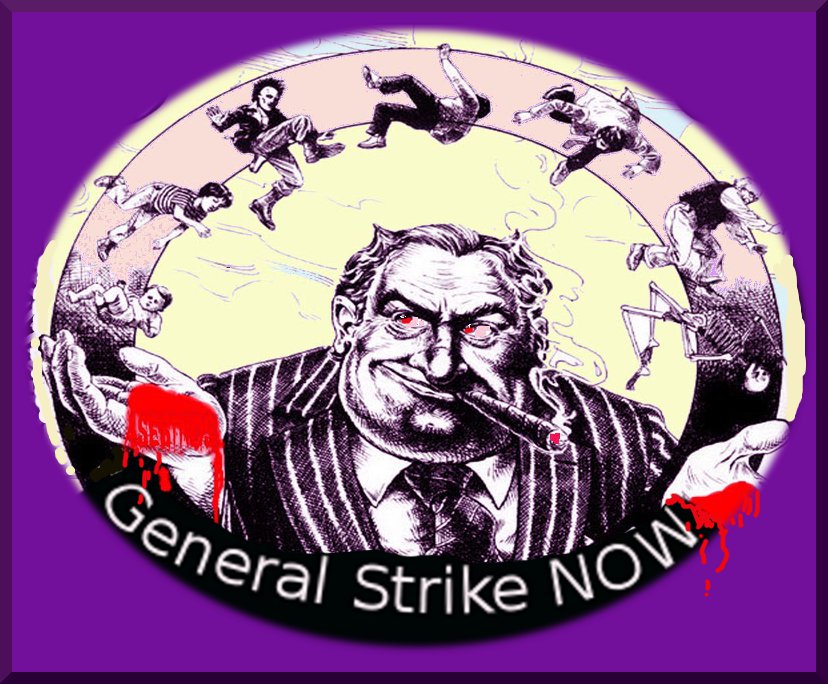
The Republic of Ireland’s banks need an extra 24bn euros (£21.2bn) to survive the financial crisis.
via BBC News – Irish banks need extra 24bn euros to survive.
 The Free