The prevailing mindset is so fixed in set-in-stone definitions that it cannot even allow itself to see that these definitions are subjective and limiting. Not only can it see no alternative reality, but it cannot even grasp that there could be another reality to the one it has been conditioned to accept. It is in […]
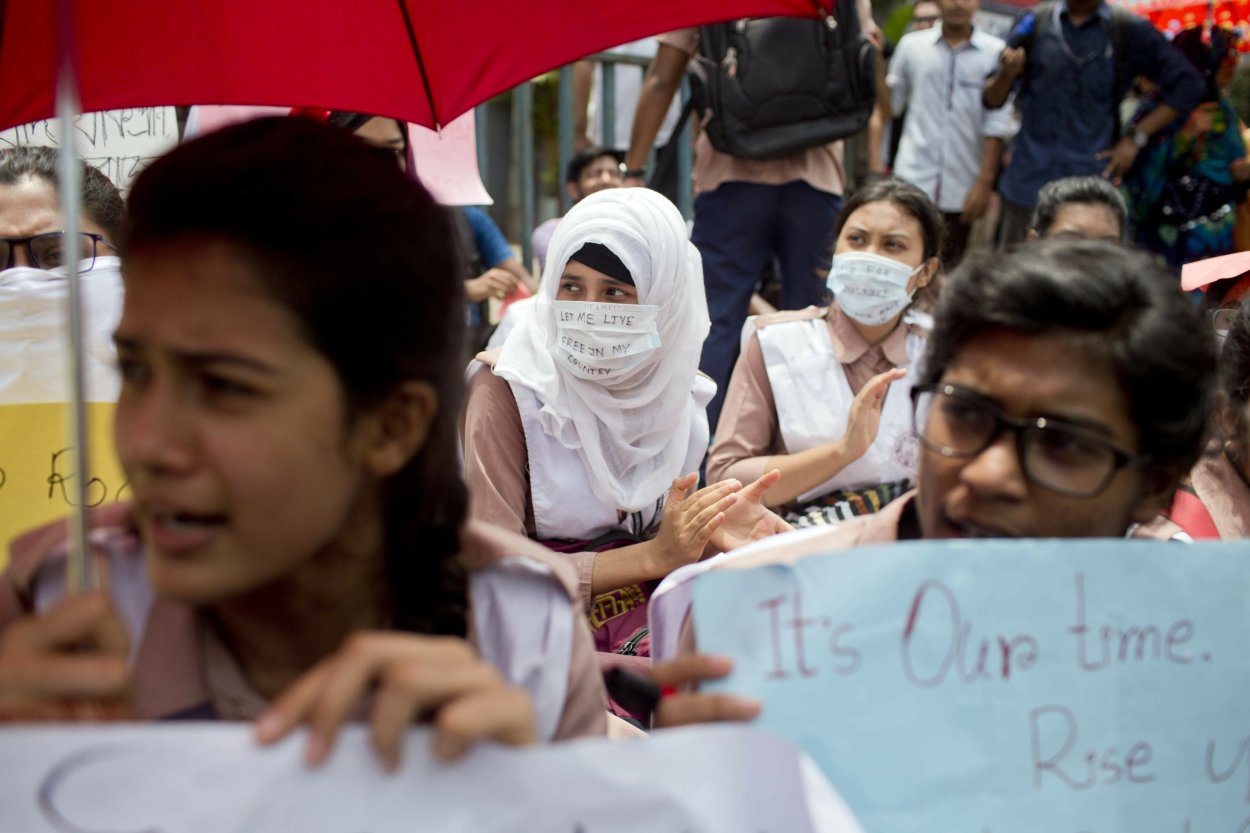
A member of Bangladeshi anarchist group Auraj writes about the events and background of the current rebellion As I am writing this statement, I don’t know the whereabouts of most of my comrades who participated in the ongoing protest of students in Bangladesh.
All of this started with a peaceful protest by the students and government job seekers in demand for quota reformation.
The quota system in Bangladesh reserves 30% of the jobs for the descendants of the freedom fighters who took part in the liberation war against Pakistan in 1971. This 30% quota leaves most general people with very little chance to secure a government job.
The problem of unemployment and recent economic crises have made government jobs very competitive, and most people consider this 30% quota discriminatory and unfair.
Even though the ruling party describes the quota system as a way to show respect to the family of freedom fighters, in reality, the ruling party used it to have an obedient group of people in bureaucracy.
First of all, the liberation war of Bangladesh in 1971 against Pakistan was a people’s war; people from all walks of life helped the freedom fighters through various means.
Second, many of the poor freedom fighters belonging to the working class couldn’t manage any certificate of being freedom fighters.
Third, there have been claims of corruption and nepotism in issuing freedom fighter certificates by the ruling party. So, this 30% quota allows the government to consolidate their power.
Furthermore, reserving 30 % of government jobs for the third generation of freedom fighters, which is less than 5% of the population, stands against the central ethos of the liberation war: equality, freedom, and justice.
As anarchists, we supported the just demand of the students. Still, we also believed that mere quota reformation could not solve the problem of the capitalist economy maintained by an autocratic ruling party.
However, things escalated when the government responded to the peaceful protest with unparallel violence from police and their fascist goons. The state violence against protesters completely transformed the current movement.
Before, moving to this part of the current stage of the movement, it’s necessary to describe the current political scenario of Bangladesh.
For the past 16 years, Bangladesh has been ruled by Prime Minister Sheikha Hasina and her party, Awami League. Even though they first came to power by gaining an electoral majority, they soon became an autocratic party and retained state power through three rigged or staged general elections. ..
Furthermore, Sheikh Hasina and her party boast of being the only party in favor of the spirit of liberation war. In reality, they have appropriated the spirit and gains of liberation war from the masses. They have tried to portray the liberation war from only a nationalistic perspective while it was a peoples’ war led by aspiration for equality, freedom and justice.
Post-independence, the class characteristics of the state did not transform, as one group of domestic rulers just replaced another group of foreign rulers.
The state apparatus and legal systems also continued to carry the legacy of the Pakistani and British colonial ruling system. Awami league in their last 16 years of rule has utilized all of these organs of the state ruling system to wipe out opposing views.
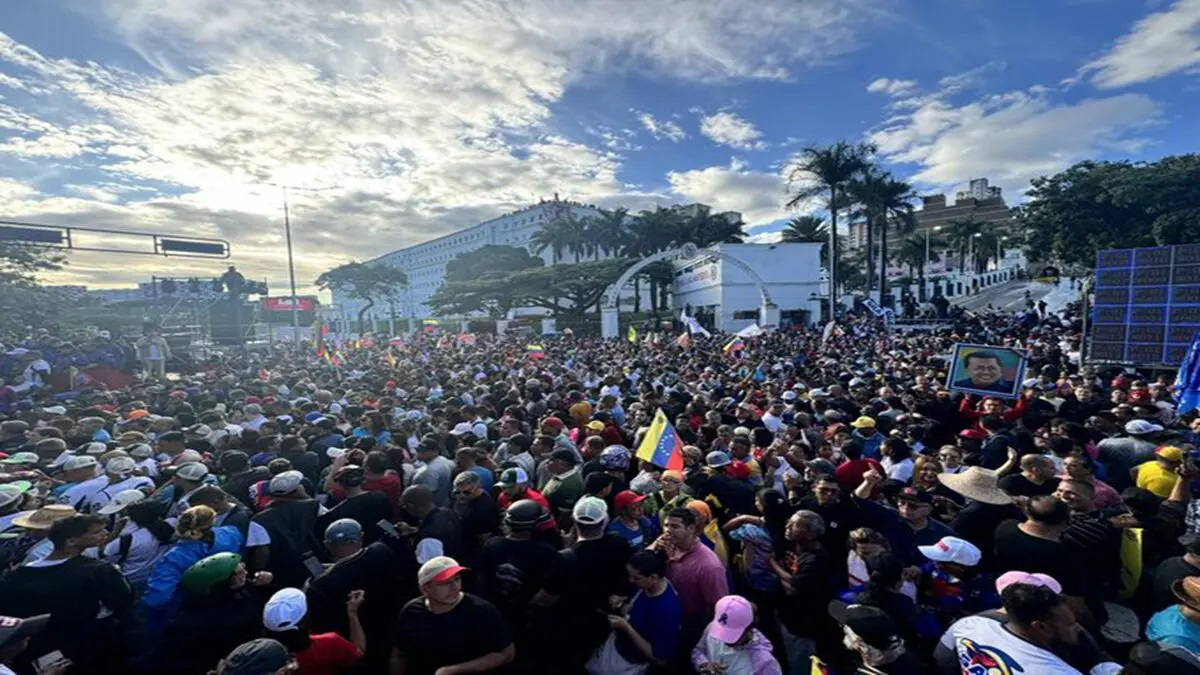
“Defenderemos al pueblo del fascismo criminal”, dijo Nicolás Maduro. El presidente Nicolás Maduro subrayó como una magnífica marcha, la movilización del pueblo venezolano en diferentes puntos del país, entre ellos el palacio de Miraflores en donde se encuentra, en defensa de democracia y de los resultados electorales del 28 de julio. “Defenderemos al pueblo del […]
Two journalists on a critical tour of the Olympics with the activist group Saccage 24 were arrested and interrogated by Parisian police, along with one activist. Is the Olympics destroying what remains of France’s democracy?
By Talia Mullin / Original to ScheerPost I want to introduce two Palestinian photojournalists who have deeply inspired me, and who I hope to meet someday. I have been lucky enough to come in contact with Adel Al-Hawajri and Hosni Salah via Instagram and WhatsApp where they have shared over 200 photos with ScheerPost. The […]
A member of Bangladeshi anarchist group Auraj writes about the events and background of the current rebellion As I am writing this statement, I don’t know the whereabouts of most of my comrades who participated in the ongoing protest of students in Bangladesh. All I know is that they were on the streets, trying to […]
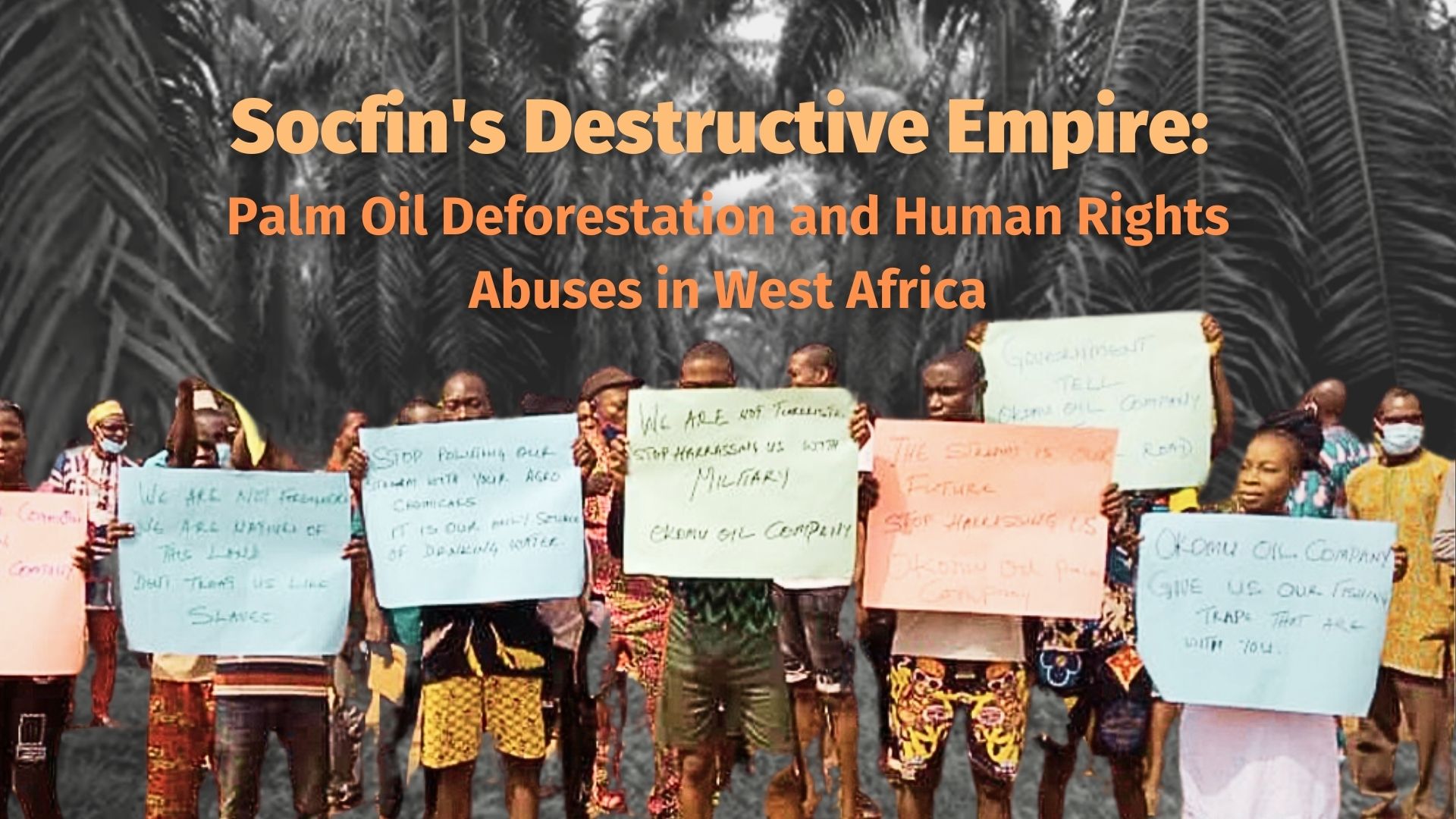
A six-month investigation reveals Socfin’s exploitation of rubber and palm oil in Ghana and Nigeria, leading to deforestation, landgrabbing and human rights abuses. SOCFIN is a palm oil company and member of the RSPO purportedly using “sustainable” palm oil. The company’s activities have caused significant environmental and social harm, including the destruction of vital rainforests and the displacement of indigenous communities. Despite its substantial profits, Socfin’s operations have left local communities impoverished and struggling financially for survival. Help them to survive each time you shop when you #Boycottpalmoil





 The Free