
from thefreeonline May 4, 2024 by peoplenatureblog By Masashi Soga, and Maldwyn John Evans.
This Plain Language summary is published in advance of the paper discussed; check back soon for a link to the full paper.
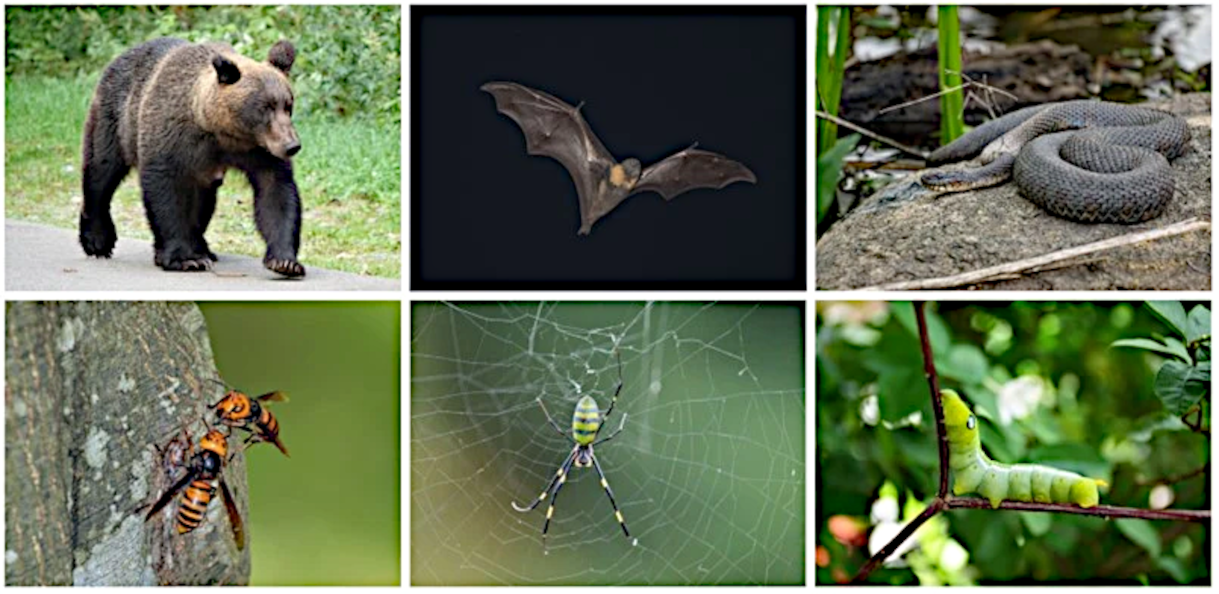
Throughout history, humans have maintained an intricate connection with nature, often finding fascination with, and deriving numerous benefits from, the natural world.

This positive emotional bond with nature, which is considered to have a genetic basis, is known as “biophilia”. However, biophilia represents just one facet of our relationship with nature.
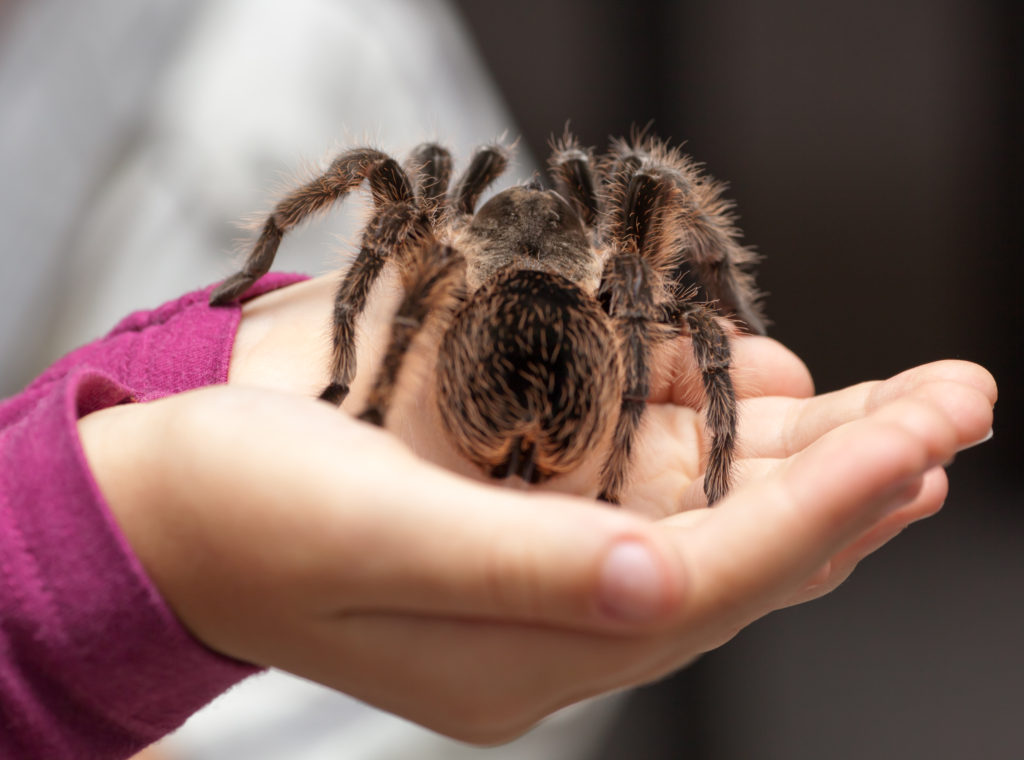
People can also harbour strong negative emotions and attitudes towards nature, referred to as “biophobia”. For example, encounters with snakes, spiders, and wasps can evoke profound fear in humans.
Similarly, people often feel disgust towards invertebrates such as flies, earthworms, and cockroaches.
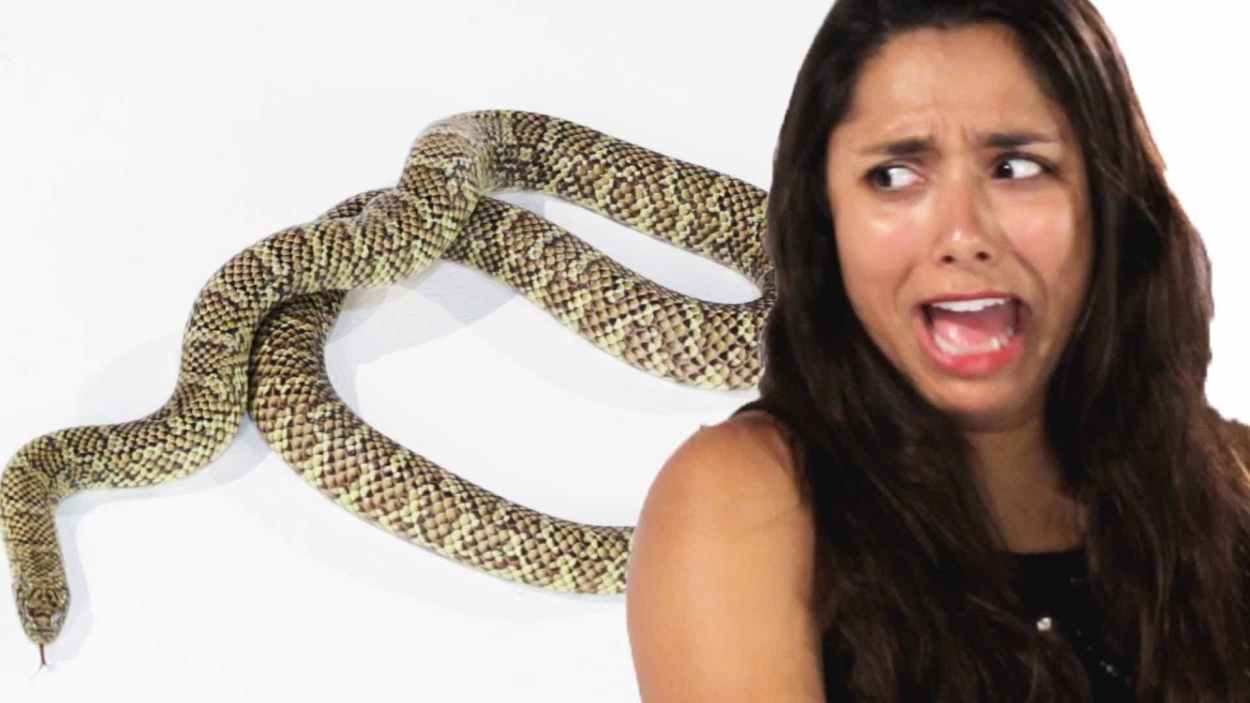
Current evidence suggests that, in more urbanised and economically developed societies, the prevalence of biophobia is high and potentially increasing.
Further, research suggests that the prevalence of animal phobia is higher than that of other phobias such as fears of heights, medical experiences, flying, and enclosed spaces.
Despite this, the significance of biophobia in the human-nature interactions discourse has largely been overlooked. This is concerning, as levels of biophobia beyond that which could be considered useful or necessary can have far-reaching negative impacts on both human health and biodiversity conservation.
This Biophobia special feature comprises seven papers from different disciplinary perspectives, including biodiversity conservation, psychology, and behavioral science.

These studies explore diverse aspects of biophobia, with a particular emphasis on the drivers and consequences of increased biophobia.
They also provide key insights into how to mitigate excessive phobic responses towards nature. In this introductory paper, we will briefly explore what biophobia entails, how it operates, and why it is important in the context of the relationship between humans and nature.
We hope that this special feature will serve as a catalyst for more biophobia research, encouraging collaboration among researchers from diverse backgrounds to shed more light on this often-overlooked subject.
The People and Nature Blog

 The Free