

Ten of the best…ways to get stuck into urban gardening
Growing your own fruit and vegetables doesn’t have to involve huge amounts of space. As Hannah Corr explains, there are plenty of short cuts for city dwellers who want to get
The recession and the resulting squeeze on living standards have little to recommend them except in one respect. Thanks to a combination of rising food prices and greater environmental awareness, the last few years have seen interest in DIY food production skyrocket. According to the Department of the Environment, Food and Rural Affairs [DEFRA], one in three of us now grows fruit and vegetables at home. And why not? Not only can you ensure that what you grow is totally organic, you also avoid the human rights issues surrounding commercial vegetable production and slash food miles to almost zero. In short, DIY vegetables are not only good for you; they’re excellent for the planet to boot. What’s more, say DEFRA, DIY veg production is winning new converts every day with many of the new recruits coming from urban – and even inner city – backgrounds.
Sebastian Mayfield, co-founder of London based grower’s network, Food Up Front, was forced to think creatively after spending four years on an allotment waiting list and never making it higher than 22nd. ‘I began looking for an alternative closer to home’ he says. ‘And then it dawned on me while lying in the bath one day: why don’t we make better use of the space we already have?’ And he’s not alone. People are looking to their balconies, windowsills and lawns as potential places to produce food, which means that even the residents of inner city areas can try their hand at grow your own. Here’s how to get started.
Make the most of your windowsill
According to the National Trust, there are over 600 acres of growing space on windowsills across the UK, which makes them the perfect place to start for the space starved urban dweller. The easiest ’ledge veg’ to grow are spinach, rocket, lettuce and herbs, all of which thrive in small tubs and can be grown from seed….
Try a grow bag
Container gardening is the commonest – and most practical – way to grow food in the city. Pots can be placed almost anywhere, are easily moved, simple to reach when you want to start picking and excellent value for money – you can get even the pots for free by recycling catering tubs….
Use your walls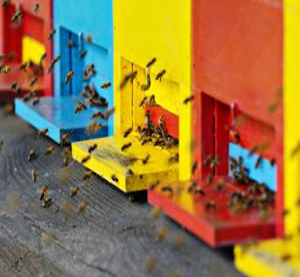
Finding extra space for veg means looking at wall space as well as what you can squeeze onto your balcony. There are plenty of varieties that are happy to twine around a trellis and still produce an abundant crop….
Grow your own fruit
Approximately 60 per of orchards have been lost since the 1950s, according to the Orchard Network, All you need is an underused corner of the garden and you could be producing apples, pears, plums, quinces, cherries, apricots or peaches within a year….
Invest in raised beds
Swap your clematis for carrots by converting your garden borders into vegetable plots….
Adopt a chicken
If you’re blessed with a reasonable sized garden, adopting a couple of hens not only means a daily supply of fresh eggs but also free help with your garden….
Put a Hive on your Roof Although relatively simple, there are many intricacies to keeping bees so get some advice from the British Bee Keeping Association before getting started. Oh, and you get delicious honey too. …
Get a Greenhouse Vegetables that thrive in a greenhouse include tender crops such as aubergines, cucumbers, chillies, tomatoes or more exotic plants like melons and sweet potatoes….
Convert urban wasteland
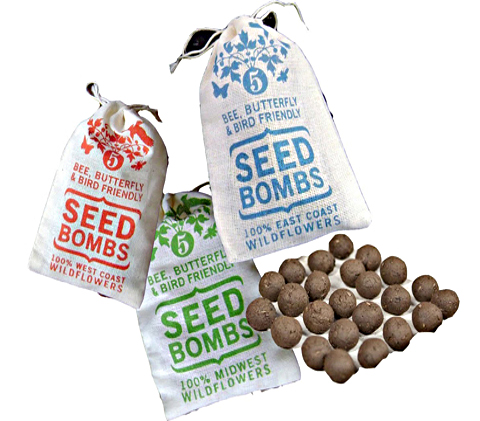
While inner city land is scarce and at a premium, you might be lucky enough to come across a pocket of derelict land that can be converted into an organic paradise. Along with the fun to be had during an hour or two of seed bombing, community gardening provides security against volatile food prices and gives you truly local produce. The Cuban ‘Organoponico’ model has inspired many organisations…
Get on the waiting list for an allotment
Thanks to increased interest in home vegetable production, allotments have become like gold dust. The average waiting list is three years (or 40 for an unlucky few in central London)….
READ MUCH MORE HERE (with thanks!) http://www.theecologist.org/green_green_living/gardening/1110208/ten_of_the_bestways_to_get_stuck_into_urban_gardening.html

 The Free
this site sucks hairy balls and dirtyass
LikeLike