Release Mumia Abu-Jamal NOW NOW NOW

“Because Mumia has for thirty years been subjected to torture on death row and because he is innocent, justice for Mumia will not be served by life imprisonment, but by his release from prison.”
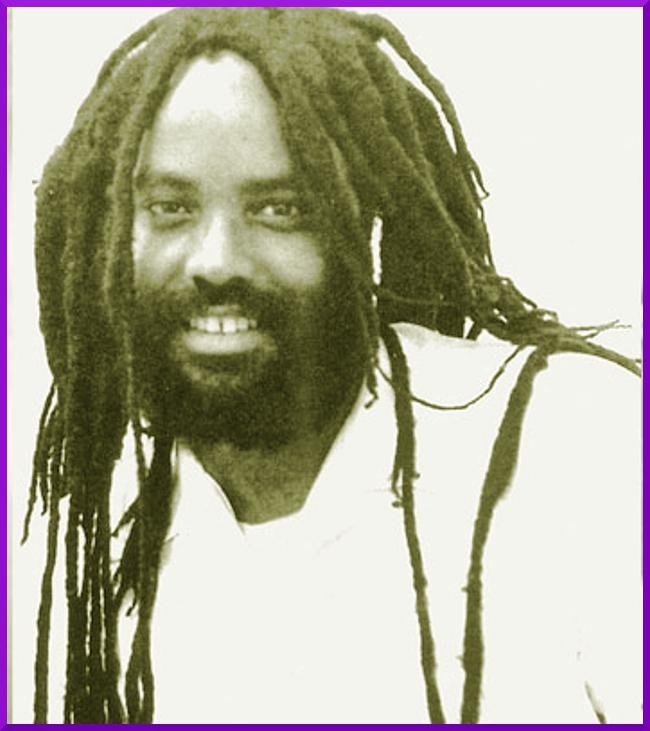
Philadelphia District Attorney Seth Williams announced Wednesday this office has called off their 30-year battle to execute former Black Panther Mumia Abu-Jamal for allegedly murdering a white police officer, the Associated Press reports. The decision comes just two days short of the 30th anniversary of the killing.

Supporters and advocates who argue Abu-Jamal is not guilty say Williams’ decision shouldn’t be a surprise.

“Now that it is clear that Mumia should never have been on death row in the first place, justice will not be served by relegating him to prison for the rest of his life—yet another form of death sentence. Based on even a minimal following of international human rights standards, Mumia must now be released,” South African activist Archbishop Desmond Tutu said in a statement sent out by FreeMumia.com.

“I therefore join the call, and ask others to follow, asking District Attorney Seth Williams to rise to the challenge of reconciliation, human rights, and justice: drop this case now, and allow Mumia Abu-Jamal to be immediately released, with full time served,” Tutu continued.

“The news that the DA’s Office of Philadelphia is no longer seeking the death penalty for Mumia is no news to supporters of the nearly 30 year Pennsylvania Death Row prisoner,” Dr. Johanna Fernandez wrote in a statement to the Loop21.com. Fernandez is a U.S. History professor at Baruch College and an advocate who’s been working on Abu-Jamal’s case for several years.

“Because Mumia has for thirty years been subjected to torture on death row and because he is innocent, justice for Mumia will not be served by life imprisonment, but by his release from prison.”

Fernandez, who produced a documentary on Abu-Jamal, explains the conditions today of the Pennsylvania courts that found Abu-Jamal guilty and describes his prison cell. From Loop21.com:

We must remember that the same Pennsylvania courts that are being denounced today for the mass incarceration of juveniles are the same courts that framed Mumia. Pennsylvania has more juveniles serving life than any other state in the nation. The backdrop of constitutional violations in Mumia’s case include: routine corruption, evidence tampering, prosecutorial misconduct, judicial racism, discrimination in jury selection, and the disproportionate incarceration of African Americans and Latinos. The issue of mass incarceration of black and Latino males is one of the gravest civil rights crises of our time.

We’re sobered by the realization that for 30 years an international movement kept Abu-Jamal alive long enough for the appeals process to run its course. But what if the movement hadn’t kept him alive? For 30 years Abu-Jamal has been forced to withstand tortured isolation in a windowless cell the size of a small bathroom. For thirty years the threat of execution has hung over his head, and he’s not been allowed to touch his children or his grandchildren, or his wife and siblings, or his friends.

Supporters of Abu-Jamal, including Princeton professor Cornel West and Archbishop Desmond Tutu, have a symposium planned for Friday at the National Constitution Center for the man they call an “innocent revolutionary and celebrated journalist.”

Chimeras..human hybrids tomorrow..

ChimerasAnimal-Human Hybrids Spark Controversy

Scientists have begun blurring the line between human and animal by producing chimeras—a hybrid creature that’s part human, part animal.

Chinese scientists at the Shanghai Second Medical University in 2003 successfully fused human cells with rabbit eggs. The embryos were reportedly the first human-animal chimeras successfully created. They were allowed to develop for several days in a laboratory dish before the scientists destroyed the embryos to harvest their stem cells.

In Minnesota last year researchers at the Mayo Clinic created pigs with human blood flowing through their bodies.

And at Stanford University in California an experiment might be done later this year to create mice with human brains.

Scientists feel that, the more humanlike the animal, the better research model it makes for testing drugs or possibly growing “spare parts,” such as livers, to transplant into humans.

Watching how human cells mature and interact in a living creature may also lead to the discoveries of new medical treatments.

But creating human-animal chimeras—named after a monster in Greek mythology that had a lion’s head, goat’s body, and serpent’s tail—has raised troubling questions, this is even worse than experimenting on normal animals: What new subhuman combination should be produced and for what purpose? At what point would it be considered human and have human rights?

There are currently no U.S. federal laws that address these issues.

http://first-news.blogspot.com/2011_01_28_archive.html


OCCUPYing evicted homes in 20 Cities

‘Occupy’ protesters reclaiming foreclosed homes in 20 cities

#OccupyOurHomes, By David Edwards. The 99 percent movement, which has been evicted from many of their encampments across the country, is finding common cause with thousands of homeowners who are also being evicted from their homes.

Even though the movement has often been criticized for a lack of defined goals, Tuesday’s “Occupy Our Homes” action in at least 20 cities makes it clear that they are standing up to banks to reverse foreclosures.

“We’re in the neighborhood in New York City that had the highest number of foreclosure filings in 2010 to send a message that the economy is failing the 99 percent,” Vocal New York organizer Sean Barry told Raw Story from a Brooklyn neighborhood as about 200 protesters chanted in the background.

“We’re here because [there are] a lot of empty buildings owned by Wall Street banks and we’re going to liberate them.”

Tasha Glasgow, the single mother of a 9-year-old daughter and a 5-year-old son, was expected to be one of the first occupants of a reclaimed home. Barry said that Glasgow, who had been in and out of the shelter system in New York City, had been slated to get a Section 8 voucher before budget cuts by Mayor Michael Bloomberg put an end to that promise.

“We’ve gained access to the home, and we’ve got the support of the neighbors,” Barry explained. “They’re going to start occupying it. … And then, there’s going to be 24/7 eviction defense by Occupy Wall Street.”

There were over 40 events planned in more than 20 cities Tuesday, but that is just the beginning.

“When it comes to Wall Street’s control over our economy, our democracy and our lives, there’s few better examples than the housing crisis,” Barry noted. “Occupy Wall Street is going to continue to support this national Occupy Our Homes campaign, and both defend homeowners who are being threatened with eviction due to foreclosure, and to move families that need homes into vacant buildings that banks are just sitting on.”

David Edwards has served as an editor at Raw Story since 2006.  Follow him on Twitter at @DavidEdwards.

Related: Occupy protesters take over foreclosed homes

http://incorporealcommittee.wordpress.com/2011/12/07/occupy-protesters-reclaiming-foreclosed-homes-in-20-cities/

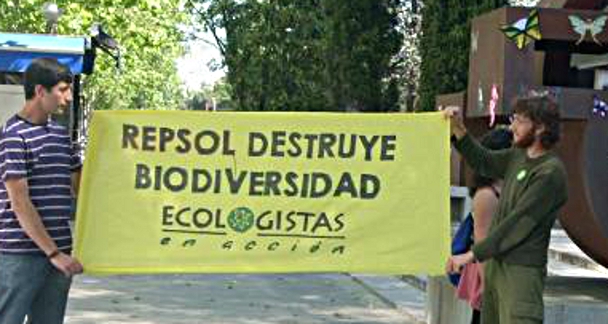
Repsol se enriquece Matando

¡ Encontraron el Dorado!

Repsol se enriquece con los lotes y mercados cautivos de América Latina

Domingo 4 de diciembre de 2011, por repsolmemata

Las pasadas semanas Repsol sorprendió a los accionistas con la noticia del descubrimiento histórico de 927 millones de barriles equivalentes de petróleo en el yacimiento de Vaca Muerta, Neuquén, Argentina. La noticia coló y los inversores premiaron a la compañía con un aumento del 6% de la cotización bursátil a las pocas horas de su difusión. Aunque exagerada por su contenido (pues según los analistas, ni son reservas probadas, ni el shale oil es todavía petróleo ya que necesita de costosos procesos de refinación)[1] pareciera que la crisis mundial no afecta a la compañía petrolera, que sigue amasando altísimos beneficios. Pero si ellos ganan, quién pierde?

En el último lustro la estampa de Antoni Brufau, presidente de Repsol-YPF, abrazado a presidentes de diferentes países de América Latina se ha hecho familiar . No en vano, la compañía petrolera ha apostado millonarias inversiones en la exploración de nuevas áreas y el desarrollo de campos productivos que han engrosado unas reservas muy cotizadas en los mercados bursátiles. Otra estrategia ha sido formar sociedades mixtas con las empresas nacionales, para conseguir áreas prioritarias y superar las resistencias gubernamentales. De este modo, los países productores, que a la vez son consumidores, abren sus puertas a la compañía, entregando unos combustibles para que la compañía los exporte, o los venda al propio país con un gran margen de ganancias.

Mientras la compañía anuncia en las bolsas sus fabulosos hallazgos en zonas no tradicionales, los habitantes de estas regiones sufren los pasivos ambientales del avance de la frontera extractiva. Y los conflictos afloran con el petróleo.

Petróleo bajo el mar

En Brasil, Repsol materializó a finales del pasado año un acuerdo con la empresa china Sinopec para desarrollar conjuntamente los proyectos de exploración y producción que posee en las Cuencas de Santos, Campos y Espírito Santo, donde participa en 14 bloques, de los cuales opera siete.

En las últimas semanas, el consorcio Repsol Sinopec Brasil anunció descubrimientos de importantes reservas en varios pozos en la costa de Vitoria y Sao Paolo a profundidades entre 2 y 5 kilómetros. Estos hallazgos se añaden a otros mega-yacimientos que Repsol ya contabilizó en los pasados años y que le posicionaron en una de las empresas líderes en descubrimientos en aguas profundas.

Pero entre la detección de reservas ubicadas a kilómetros bajo la superficie y su posterior extracción, existen riesgos e impedimentos tecnológicos que – sirva el desastre del golfo de México de 2010 como precedente- conviene no subestimar.

En aguas colombianas, Repsol se propone realizar exploración y explotación petrolera en las Cayos del Norte, parte del archipiólago de San Andrés, Providencia y Santa Catalina. El proyecto ha levantado la oposición del pueblo indígena raizal y de organizaciones ambientalistas por poner en peligro los sistemas coralinos del conocido Mar de los Siete Colores.

Gas guaraní para la exportación

En Bolivia, Repsol se asoció a YPFB para formar la empresa PetroAndina SAM y conseguir nuevas áreas de exploración en la Amazonía.

Más al sur, en el Chaco, la compañía sigue perforando pozos exitosos en el interior de territorios indígenas. El Bloque Caipipendi, de 123.000 hectáreas que se superponen a los Territorios Comunitarios de Orígen Itika Guasu, Tentayapi, y al Parque Nacional Aguaragüe, ya se han puesto en marcha 5 pozos a profundidades de hasta 6.000 metros. En 2010 Cristina Fernandez y Evo Morales inauguraron un nuevo gasoducto de 40 kilómetros para unir este bloque con la red de gasoductos argentinos y asegurar mayores flujos de exportación hacia el mercado argentino, deficitario de este combustible – a pesar de que este país permite a las empresas exportar el gas a chile y otros países.

El pasado octubre, Repsol anunció la inversión, junto a su socia Pan American Energy de 1.400 millones de dólares para seguir perforando nuevos pozos con el horizonte de aumentar la producción de 3 a 14 millones de metros cúbicos diarios de gas en los próximos tres años. Con este repunte productivo “se garantizará los contratos de exportación a Argentina y por supuesto satisfacer el mercado interno”, el cual, valga decirlo, todavía es mínimo por no contar con una red de suministro domiciliario.

Amenazada por el bloque Caipipendi, la comunidad guaraní de Tentayape, declarada como Patrimonio Historico Cultural de los Guaranís en 2006, ha defendido a ultranza una posición de determinante rechazo a cualquier entrada de la compañía en su territorio. La empresa, a sabiendas de las reservas gasíferas que aguardan bajo el suelo de la comunidad, acorrala su territorio implantando cada vez más infraestructuras en la zona.

Amenazas a los pueblos amazónicos

Repsol opera en varios lotes en la Amazonía del Perú. Al norte, en el controvertido Lote 39, se discute la existencia o invención de pueblos en aislamiento voluntario. Mientras las organizaciones indígenas piden la creación de una reserva territorial que los proteja, Repsol niega su existencia en base a la colocación de trampas fotográficas. Mientrastanto, la francesa Perenco, ha obtenido la licencia para la construcción de un oleoducto en el vecino Lote 67, también en territorios de posible presencia de pueblos aislados.

Al sur del país, Repsol es socia del consorcio Camisea, que opera al interior de la Reserva Territorial Nahua Kugakapori Nantis. Pluspetrol, la operadora del Lote 88, ha iniciado hace unos meses cuestionados movimientos no previstos al interior de la reserva, contratando a comunarios del pueblo Nahua, en situación de contacto inicial, para actividades de vigía ante posibles encuentros con grupos aislados.

A parte, el descubrimiento de enormes bolsas de gas en el vecino Lote 57 ha empujado a Repsol a iniciar un ambicioso proyecto de industrialización de la selva. Para este año, peinará sus bosques con un proyecto de sísmica 3D que afectará 2.360 Km de la Reserva Comunitaria Machiguenga, así como su área de amortiguamiento y la del Parque Nacional Otuqui. También proyecta la contrucción de 22 pozos más que se añadirán al pozo ya perforado Kinteroni I y una conexión de gasoductos entre los pozos de los lotes 57, 56 y 88.[2]

En la región del Madre de Dios, el lote 76 operado por Repsol y Hunt, genera conflictos por la invasión con la Reserva Comunal Amarakaeri, pues se superpone a casi todo el territorio de la reserva y sin que se les haya efectuado la consulta previa a sus habitantes.

Repsol obtuvo un beneficio neto de 1.901 millones de euros en los nueve primeros meses de 2011, un 6,4% superior al año anterior. Buenas noticias para la bolsa, malas para los pueblos que cobijan el filón hidrocarburífero.

[1] Aleardo F. Laría , El misterio de Loma de la Lata, Diario Río Negro, Neuquen, 24/11/2011

[2] Agunos artículos sobre el tema: “ El desembarco de la modernidad, la sobmra de Repsol en Nuevo Mundo” http://servindi.org/actualidad/50232, “Repsol barrerá 5.000 km2 en reservas comunales” http://servindi.org/actualidad/48268, “La historia se repite para los pueblos aislados de la Reserva del Estado Nahua Kugakapori” http://www.kaosenlared.net/noticia/…

por  repsolmemata

Occupy our Homes Action..latest news

  • National Day of Action to Stop and Reverse Foreclosures

  • December, 06 2011 1 Comment

    Today is the Occupy Our Homes National Day of Action to Stop and Reverse Foreclosures. Actions are taking place in over twenty-five cities around America, as the Occupy movement joins with homeowners and people fighting for a place to live. Our system has been serving Wall Street, big banks, and the one percent. Clearly this has not worked. We are the 99% and we are reclaiming our homes.

    Follow this post for updates from around the country today. Go below to see videos from the day of action.

    4:49 PM: Report on Twitter says Occupy action in Alameda shut down a foreclosure auction at the court. Picture from the action.

    4:17 PM: Dozens of Portlanders vow not to leave foreclosed neighbors’ homes.

    4:00 PM: VIDEO: Debbie Henry talks about why she and her husband are occupying their home.

    3:58 PM: Picture of Robert and Debbie Henry of Southgate, MI as they took action today.

    3:43 PM: Volunteer cleaning crew from Occupy Wall Street arrives at reclaimed and reoccupied home in East New York Brooklyn to begin cleaning and renovating the home for Tasha Glasgow and her two children.

    » Read More

Fuerzas Policiales..Esquiroles Traidores Enemigos..

Ver muchos más AKÍ http://tintanegraanartchistblog.blogspot.com/2011/12/fuerzas-policiales-psicovicio.html

Revista de prensa de la corrupción policial en España en un solo día
Un guardia civil en la Coruña, un ertzaina en Bizkaia y once policías locales en Sevilla. – Viernes.2 de diciembre de 2011 – 411 visitas

Solo mirando por casualidad en noticias publicadas en diarios de España en el día de hoy hemos encontrado estos casos (quizá haya alguna noticia más de este tipo). En nuestra opinión no es muy común que la policía investigue y detenga a sus propios colegas, así que cabe ver estos casos como una pequeña punta de un gran iceberg. En realidad todo lo que tiene que ver con la administración del estado, siempre según nuestra opinión, supura corrupción por todos sus poros. Nota de Tortuga.

Tres años de cárcel para un guardia destinado en Lavacolla por blanquear dinero de la droga

Try safer Marijuana, not toxic Corporate drugs


The utter failure that is the war on drugs seems to have ulterior motives besides protecting society, as evidence by the countless harmful chemicals that are legal to consume.  Marijuana is the most obvious example of a substance that remains illegal not because of health threats or because it’s a danger to society, but rather because its benefits threaten entire industries, especially Big Pharma.

If you need a fix to ease pain, depression, anxiety, sleep disorders and a host of other ailments, then a legal drug dealer is happy to sell you a chemical concoction with endless side effects.  Recent studies show huge spikes in psychiatric drug use as well as addiction to prescription pain pills, yet they remain legal and doctors get incentives to push them.

In nearly every case, marijuana is a safer alternative and just as effective.  When eaten or vaporized, cannabis has proven entirely beneficial as a natural alternative. Here are 5 popular but dangerous drugs that could, in most cases, be replaced by all natural

1. Painkillers: Vicodin, Demerol, Oxycontin, or Percodan are used to treat moderate or severe pain.  They’re all highly addictive and come with side effects that vary widely from stomach problems, dizziness, depression, pain and spasms, to even death. Marijuana is a proven pain reliever that takes the edge off even the most severe pain.  It is not physically addictive, has very few side effects by comparison, and has never caused a single death in 5000 years of recorded use.

2. Tranquilizers: Valium, Xanax, and Ambien are examples of popular anti-anxiety drugs.  All Americans will likely know someone close to them who are dependent on these drugs to cope with daily life.  The side effects are similar to anti-depressants and painkillers; stomach and liver problems, depression or suicidal thoughts, dizziness and confusion, etc.  Marijuana is an excellent substitute for these temporary anxiety relievers, again with far fewer negative effects.

3. Alcohol: Alcohol is the most commonly used and accepted substance for self-regulated stress relief.  It’s used by countless Americans to take the edge off a long work day, and also by many soldiers seeking to relieve Post Traumatic Stress Disorder (PTSD).  Alcohol is highly addictive and causes many long-term problems like high blood pressure and liver failure.  Marijuana has proven to be far safer and more effective in reducing stress, especially among PTSD sufferers.

4. Anti-depressants: Prozac, Zoloft, Elavil, or Paxil are popular anti-depressants that a huge portion of the population are now dependent on. Side effects like nausea and sexual dysfunction are common, while suicidal tendencies are also increased tremendously, which seems to negate their very prupose.  These selective serotonin reuptake inhibitors (SSRIs) reduce the body’s ability to produce natural serotonin and can be difficult for people to find a healthy balance once they rid the drug from their system.  Marijuana, although a temporary anti-depressant, is far less dangerous and may result in instant happiness bordering on silliness.

5. Aspirin and Tylenol: These commonly-used over-the-counter drugs for minor aches and pains cause stomach problems like ulcers, liver damage, and even death. That’s right, Tylenol causes about 450 deaths a year and Aspirin causes a whopping 13,000 deaths per year from sudden bleeding.  Many natural alternatives can be used for the symptoms that these drugs ease, and marijuana is just one of the safer options — with none of the damaging side effects.

As you can see, marijuana, which can be easily grown in nearly every climate, is a huge threat to these billion-dollar-a-year drugs.  And this list represents a tiny fraction of the harmful pharmaceuticals that can be replaced by cannabis.  To claim that cannabis is more dangerous than any of these popular legal substances is blatantly false, thus there’s no reason for its prohibition other than the threat of competition to Big Pharma.

Thankfully, you’re not a criminal in over a dozen US states if you use marijuana in place of them.

READ MORE..with thanks  http://www.activistpost.com