
“While for men there are socially accepted models of transgression, which can even be seen as an emblem of masculinity, for women the transgression is transformed into stigma and rejection”. 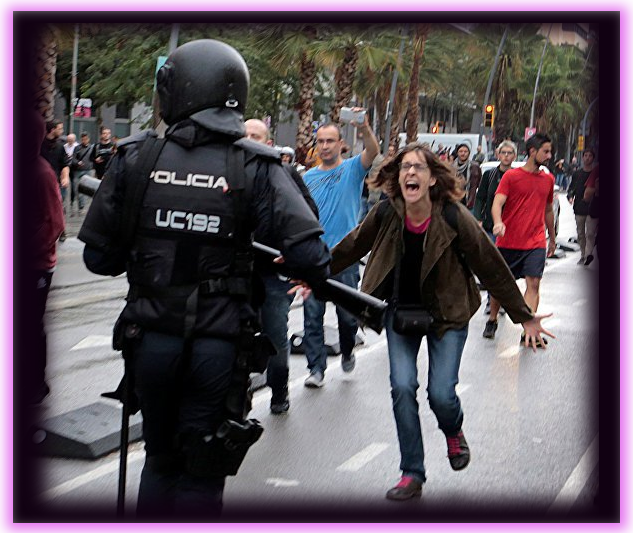 Novact and the Defend The Defenders platform have published a Report that analyzes the phenomenon of repression from a gender perspective. The document shows how punitive and patriarchal power is cohesive to preserve social order
by Àngel Garcia and Anna Celma
That the state has repressive mechanisms to curb dissent and control the population is something widely known among social movements and activists. Cases like Pandora or Piñata, the 4-F (see Ciutat Morta docu), the imprisonment of Alfon, among many others, have led to the activation of a police, political and judicial apparatus and the creation of a speech that builds an “internal enemy” like the anti-systemites or the perroflautas.
 What is not yet so visible is how patriarchy and state social control tools are bundled together. To look into this, from Novact and with the support of entities and groups members of the platform ‘Defender of those who Defend‘ ( like Center Irídia, Calala and Stop Represión Granada, among others ) have prepared a report on the relationship between repression and gender, which was presented at the University of Barcelona.
 As the professor of law philosophy Encarna Bodelón says, “the fight against patriarchy has also been the story of multiple repressions,” individual or collective. The authors of the report gave an overview of the social and feminist mobilizations to study how repression is legitimated through the idea of ”citizen security”.
 For them, “the gender system and the dominant neoliberal ideology in the State are two structures of a mutually constitutive nature” and as such, they must be considered together.
Citizen security and family protection are two areas where the patriarchal state works to “repress and discipline” the bodies that are seen as non-normative
The report is low in the feminist perspective to understand the phenomenon of repression exerted by the State. With this starting point, it addresses the psychosocial impacts and underlines the importance of putting care in the center as a mechanism of repair and support driven from the gender perspective.
At the same time, the impact of state repression on women and feminist movements is analyzed, and it analyzes whether the punitive system acts differently depending on gender or sexual orientation in protest contexts and in the face of social movements. Citizen security (public domain) and the protection of the family (private area) are two areas where the patriarchal state works to “repress and discipline” the bodies that are read as non-normative.
Women have experienced various offenses against their bodies, either from the attempts to impose legislation that violates their sexual and reproductive rights – such as the “Counter-Counter Gallardon” of abortion – or directly, suffering from violence when they occupy and politicize public spaces.
The report also highlights how the expansion of the criminal system in Spanish territory has been parallel to the restriction of welfare policies. These cuts suffer more, again, women.

In view of all this, the authors argue that a logic of feminist analysis opens the door to rethink how to deal with the actions of the criminal system. “While for men there are socially accepted models of transgression, which can even be seen as an emblem of masculinity, for women the transgression is transformed into stigma and rejection.
This causes dissent to be more easily assumed by men, as they are more compatible with social and family roles that require less obligations, “concludes the document. Before that, however, they now identify a flight of the “figure of the hero” and the images of heroicity and victimism.
When repression arrives, there is also a phenomenon of feminization of the response. When time goes by and the repressive process continues, with people pending trial or imprisonment, for example, those who remain within the anti-prescription and support groups are women. This, for the authors of the report, implies that in the end it ends up giving more importance to the care in these environments.
A space is allowed to express everything that the “message of heroicity” does not allow: fears, pains, shortcomings or insecurities. Also, the effects of repressive violence that do not always arise at the first moments, such as depression, anxiety, less frequent psychotic disorders … All in all, consequences of post-traumatic stress disorder. This means that, from experience, a logic of prevention, care and co-responsibility has begun: preparation before the repression arrives to have more room for action and the ability to receive the violence. Sexual repression On October 1, between various songs, there was “without the girls, there is no revolution.”
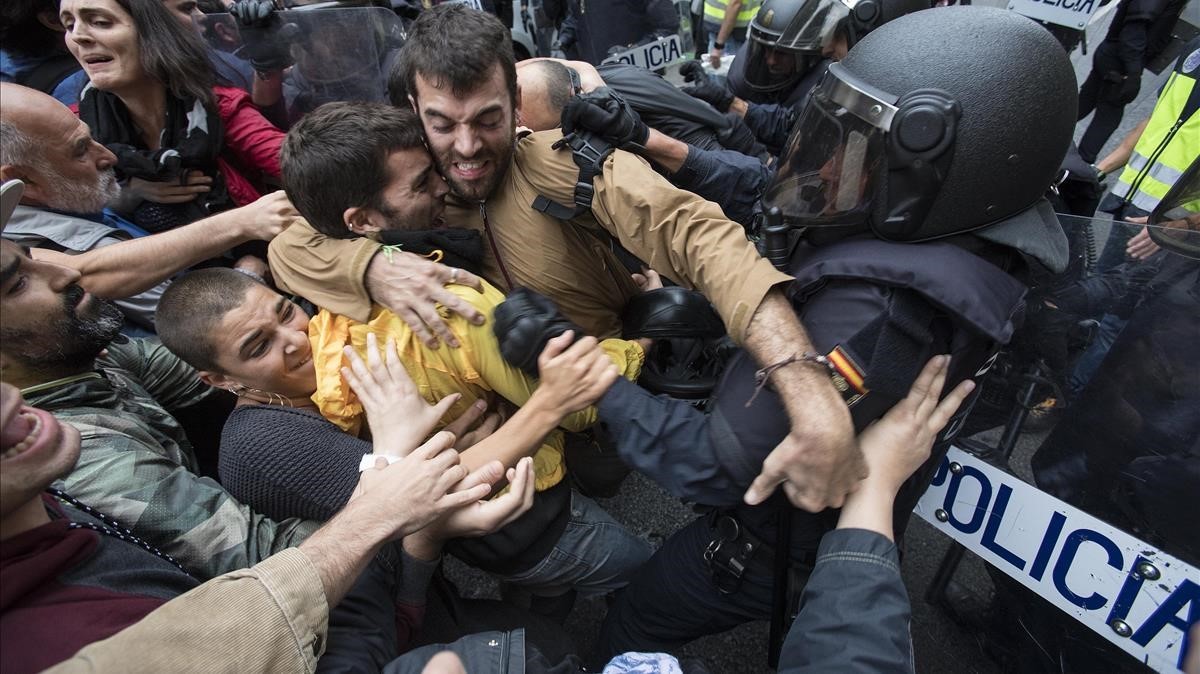
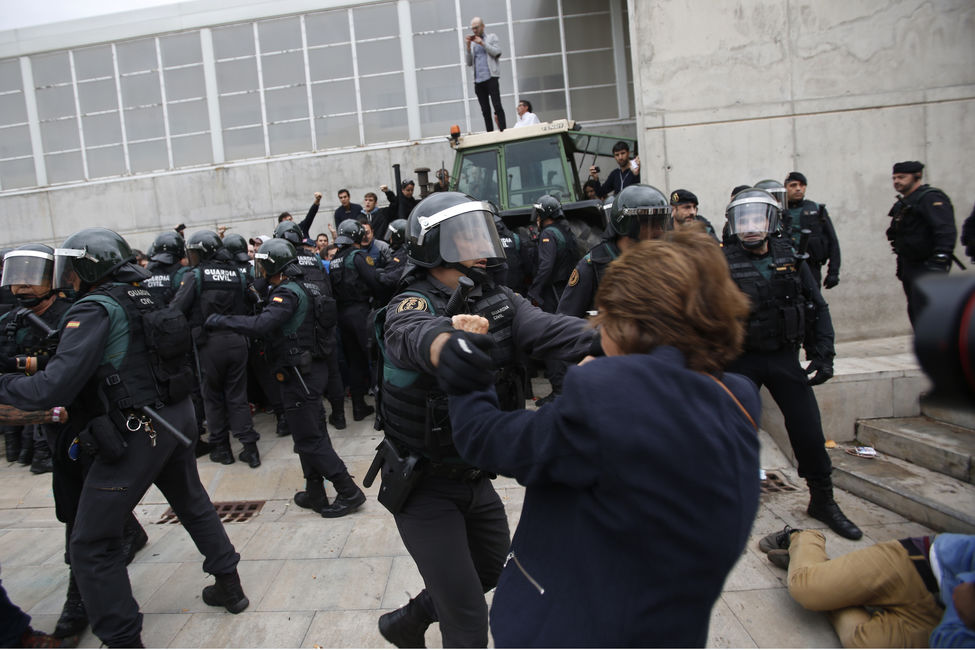
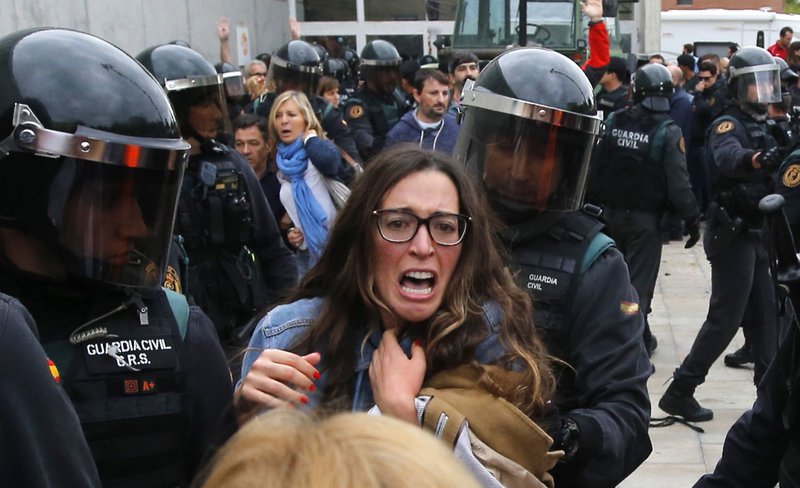
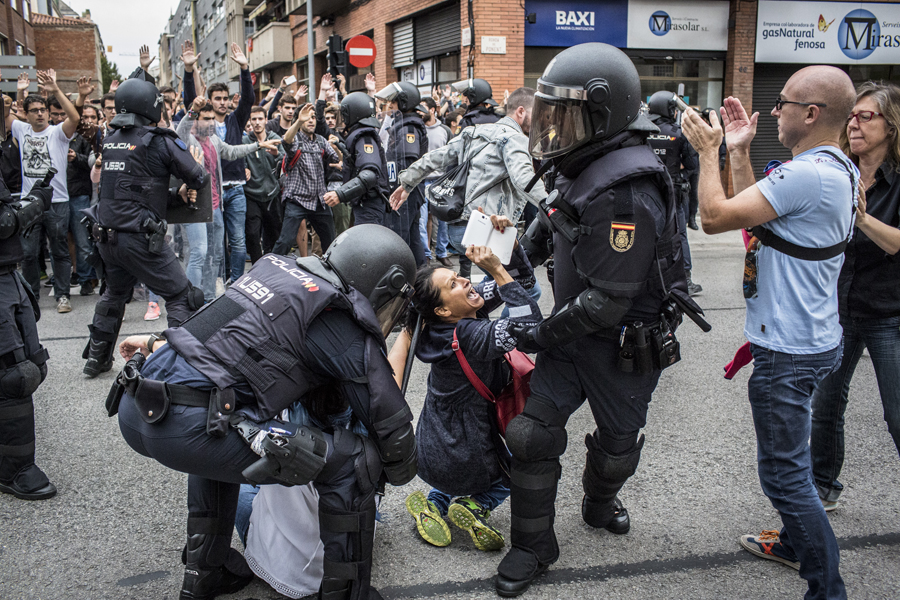
These screams resounded while the police forces of the National Police Force (CNP) and the Civil Guard entered their constituencies to prevent voting during the Catalan referendum. During the day, repression became universalized and jumped from the creation of the “internal enemy” on a small scale to extrapolate it to the entire Catalan population mobilized in defense of the referendum. In this context, the report indicates that it is he produced “again the body of the woman to mean the masculine dominion”.
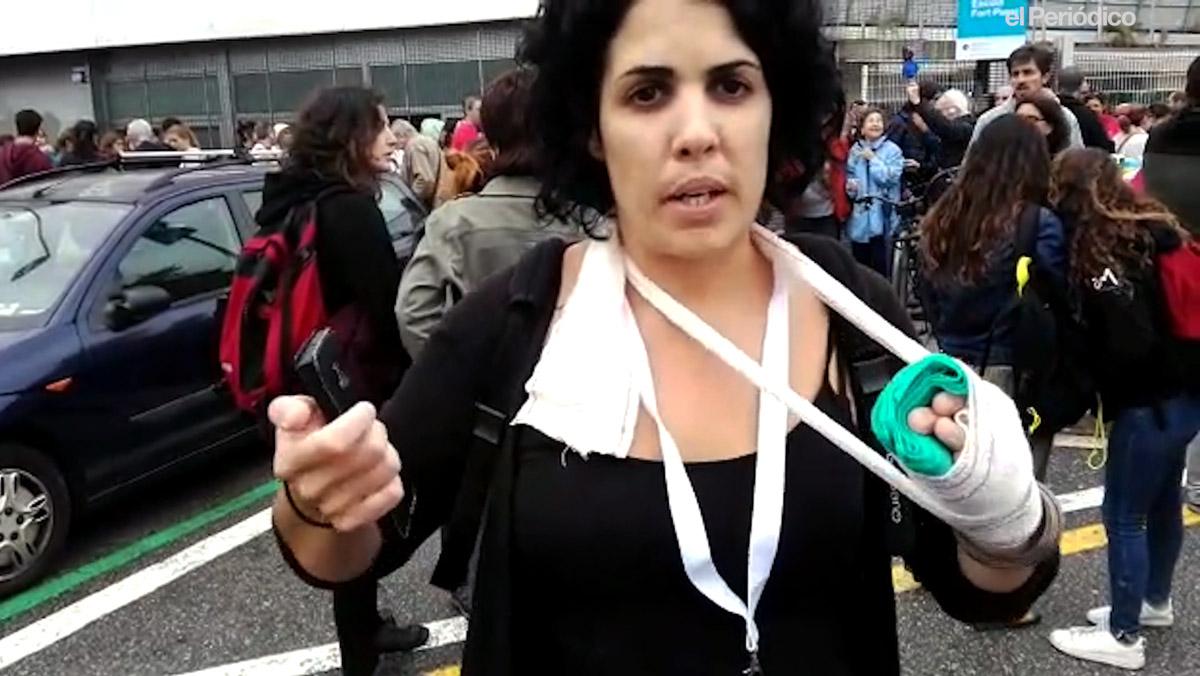
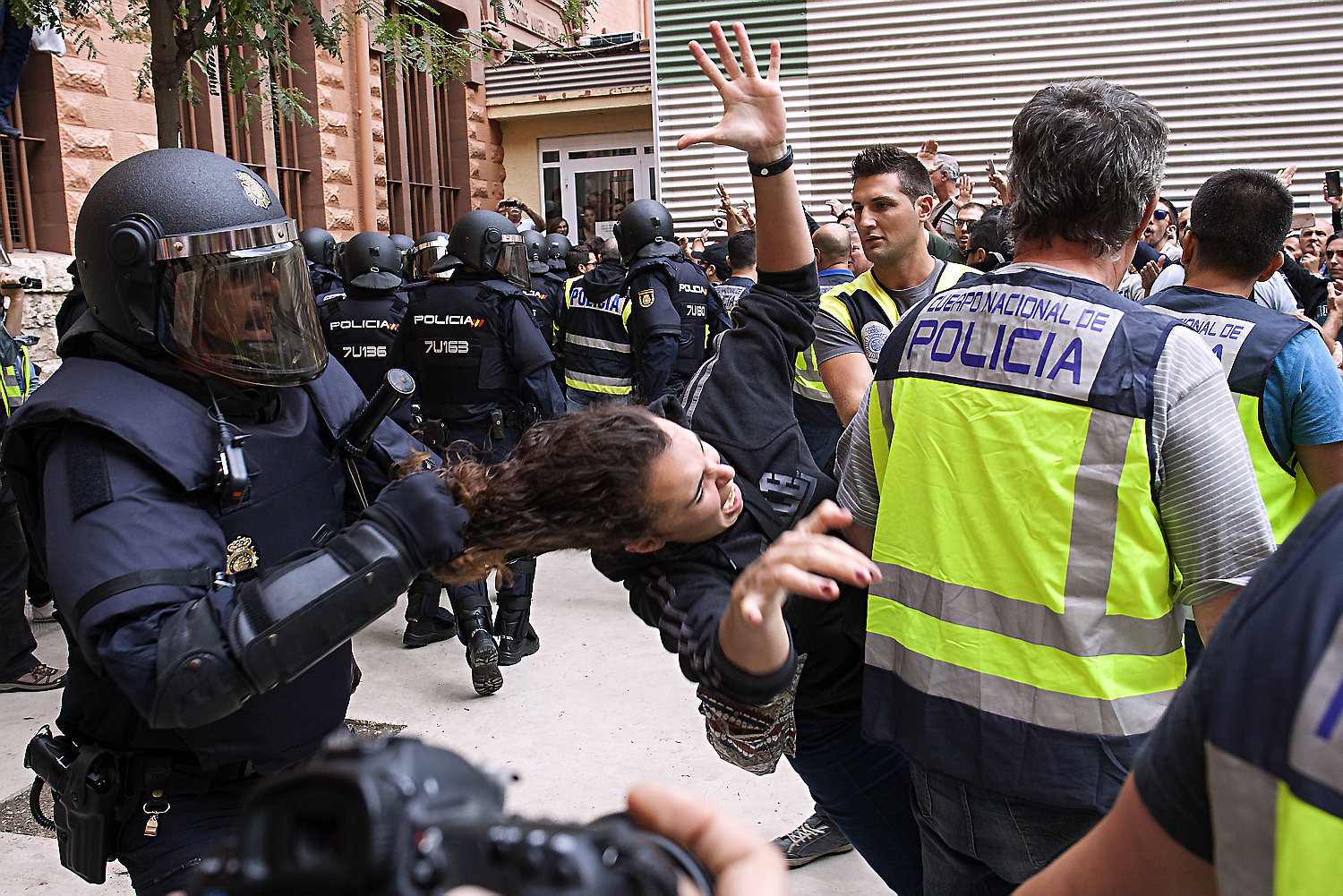
On October 1 there were cases of “sexuada repression”, in which the woman’s body is a receptacle of punitive mechanisms that want to redirect and highlight what must correspond to femininity, one band, and that at the same time uses violence that expresses the message of the domination of men. This is the case, for example, of the aggressions by which Marta Torrecillas filed a complaint.
The report indicates that “once again the body of women” became “to mean male dominance.” On October 1 there were cases of “sexuada repression” On October 25, Torrecillas denounced the sexual violence that was submitted by the CNP to the IES Pau Claris – recorded on video and that ran for the Nets. Torrecillas accuses them of twisting their fingers, touching the breasts and throwing her dow the stairs.
Many women, to a lesser or greater extent, suffered this police violence at first hand, also elderly women. The authors of the report, at the same time, study how sexual repression is exercised from patriarchy against men to impose their patriarchal domain.
For example, they analyze the sexual violence used by the police forces in the French State against a young person in Paris: on February 1, 2017, in a “routine” drug control in the neighborhood Aulnay-sous-Bois, four agents of the French police arrested some guys to ask for their documentation.
Théo, aged 22, suffered aggression when the agents were searching his anus, aggressions from which he had to be operated on in the hospital’s emergency department. In response to this police violence, there were disturbances in this peripheral zone of the French capital for several nights.
A similar strategy, although with much lower intensity, is anmalysed in the conversation between police, fortuitously recorded during the transfer of Oriol Junqueras to the prison center of Estremera. The agents mocked the possibility that the vice president of the Generalitat could suffer rape in prison. All the repressive logic of sexual violence was reproduced, in this case, as a tool by men in a situation of domination against a man in a situation of vulnerability.
The report, by Novact and Defend Who Defends, allows us a first approach to analysing the relationship between state, patriarchy and repression.
original en català Llibertats
Quan estat i patriarcat es troben en la repressió
Que l’Estat té mecanismes repressius per frenar la dissidència i controlar la població és quelcom àmpliament conegut entre els moviments socials i l’activisme. Casos com Pandora o Piñata, el cas 4-F, l’empresonament d’Alfon, entre molts altres, han comportat l’activació dels aparells policials, polítics i judicials en la creació d’un discurs que construeix un “enemic intern”, com l’antisistema o el perroflauta.
veure també… Cas ‘la Manada’ o què suposa que la llei no consideri la violació com a violència de gènere
El que encara no és tan visible és com el patriarcat i les eines estatals de control social estan entortolligades. Per evidenciar-ho, des de Novact i amb el suport d’entitats i col·lectiu membres de la plataforma Defender a Quien Defiende – com Centre Irídia, Calala i Stop Represión Granada, entre altres- han elaborat un informe sobre la relació entre repressió i gènere, que aquest dijous 16 de novembre s’ha presentat a la Universitat de Barcelona.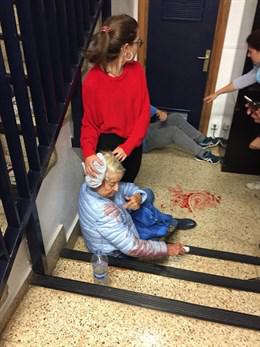
“des de Novact i amb el recolzament d’entitats i col·lectius membres de la plataforma Defender a Quien Defiende, com Centre Irídia, Clala i Stop Represión Granada, entre altres.”
Com diu en el pròleg la professora de filosofia del dret Encarna Bodelón, “la lluita contra els patriarcats ha estat també la història de múltiples repressions”, individuals o col·lectives. Les dones autores de l’informe han fet una panoràmica de les mobilitzacions socials i feministes per estudiar com es legitima la repressió a través de la idea de “seguretat ciutadana”. Per a elles, “el sistema de gènere i la ideologia neoliberal dominant a l’Estat són dues estructures de caràcter mútuament constitutiu” i com a tal, han d’examinar-se juntes.
L’informe es bassa en l’òptica feminista per a comprendre el fenomen de la repressió exercida per l’Estat. Amb aquest punt de partida, atén els impactes psicosocials i subratlla la importància de posar en el centre les cures com a mecanisme de reparació i acompanyament impulsat des de la visió de gènere.
Alhora, radiografia l’impacte de la repressió estatal envers les dones i els moviments feministes, i analitza si el sistema punitiu actua de manera diferent en funció del gènere o les orientacions sexuals en els contextos de protesta i enfront dels moviments socials. / Pau Fabregat
Davant de tot això, les autores defensen que una lògica d’anàlisi feminista obre les portes a repensar com fer front a les actuacions del sistema penal. “Mentre que per als homes hi ha models socialment acceptats de transgressió, que fins es poden lluir com a emblema de masculinitat, per a les dones la transgressió es transforma en estigma i rebuig.
Això fa que les dissidències puguin ser més fàcilment assumides pels homes, ja que a més resulten més compatibles amb uns rols socials i familiars que requereixen menys obligacions”, conclou el document. Davant d’això, però, identifiquen avui dia una fugida de la “figura de l’heroi” i de les imatges d’heroïcitat i victimisme.
Quan arriba la repressió, també es produeix un fenomen de feminització de la resposta. Quan el temps passa i el procés repressiu continua, amb persones pendents de judici o empresonades, per exemple, qui es manté a dins dels grups antirepressius i de suport són les dones. Això, per a les autores de l’informe, implica que al final s’acabi donant més importància a les cures en aquests entorns .S’habilita un espai per expressar tot allò que el “missatge de l’heroïcitat” no permet: pors, dolors, mancances o inseguretats. També els efectes de la violència repressiva que no sempre afloren als primers moments, com ara depressió, ansietat, trastorns psicòtics amb menys freqüència… Tot plegat, conseqüències del trastorn d’estrès post- traumàtic. Això fa que, des de l’experiència, es comenci a instaurar una lògica de la prevenció, de la cura i de corresponsabilitzar: preparar-se abans que arribi la repressió per tenir més marge d’actuació i capacitat per rebre el cop.
La repressió sexuada
L’1 d’octubre, entre diversos càntics, hi havia el de “sense les iaies, no hi ha revolució”. Aquests crits ressonaven mentre les forces policials del Cos Nacional de Policia (CNP) i de la Guàrdia Civil entraven a les seus electorals per impedir les votacions durant el referèndum català. Durant la jornada, la repressió es va universalitzar i va saltar de la creació de “l’enemic intern” a petita escala a extrapolar-lo a tota la població catalana mobilitzada en defensa del referèndum. En aquest context, l’informe assenyala que es va produir “altra vegada el cos de la dona per significar el domini masculí”. L’1 d’octubre es va haver-hi casos de “repressió sexuada”, aquella en què el cos de la dona és receptacle d’uns mecanismes punitius que volen reconduir i remarcar el que ha de correspondre a la feminitat, d’una banda, i que alhora empra unes violències que cosifiquen i expressen el missatge de la dominació dels homes. És el cas, per exemple, de les agressions per les quals Marta Torrecillas va presentar una querella.
El 25 d’octubre, Torrecillas va denunciar la violència sexual a què va ser sotmesa pel CNP a l’IES Pau Claris – gravada en vídeo i que va córrer per les xarxes. Torrecillas els acusa de torçar-li els dits, tocar- li els pits i llançar-la per les escales. Moltes dones, a menor o major mesura, van patir aquesta violència policial de primera mà, també dones grans. Les autores de l’informe, alhora, estudien com la repressió sexuada s’exerceix des del patriarcat contra els homes per arrabassar-los el domini patriarcal. Per exemple, analitzen la violència sexual emprada pels cossos policials a l’Estat francès contra un jove a París: l’1 de febrer del 2017, en un “rutinari” control de drogues al veïnat Aulnay-sous- Bois, quatre agents de la policia francesa van aturar uns nois per demanar-los la documentació.
Théo, de 22 anys, va ser agredit quan els agents van “introduir una porra per l’anus, agressions fruit de les quals va haver de ser operat a l’hospital d’urgència”. Com a resposta davant d’aquesta violència policial, hi va haver disturbis en aquesta zona perifèrica de la capital francesa durant diverses nits.
Una estratègia similar, tot i que de molt més baixa intensitat, es troba en la conversa entre policies, gravada fortuïtament durant el trasllat d’Oriol Junqueras al centre penitenciari d’Estremera. Els agents feien mofa de la possibilitat de què el vicepresident de la Generalitat patís una violació a presó.
Es reproduïa tota la lògica repressiva de la violència sexuada, en aquest cas, com una eina d’homes en situació de dominació contra homes en situació de vulnerabilitat. Per tant, l’informe, impulsat per Novact i Defender a Quien Defiende, permet fer una primera aproximació a l’abast de la relació entre estat, patriarcat i repressió.

 The Free