
Police Halt Activist-Led “Toxic Tour” of Spain’s “Dirtiest” Corporate Polluters Sponsoring COP25
Watch Show on Democracy Now Madrid Climate Corporate Power Donate
see below EXPOSÉ: Santander and hypocrisy with climate change
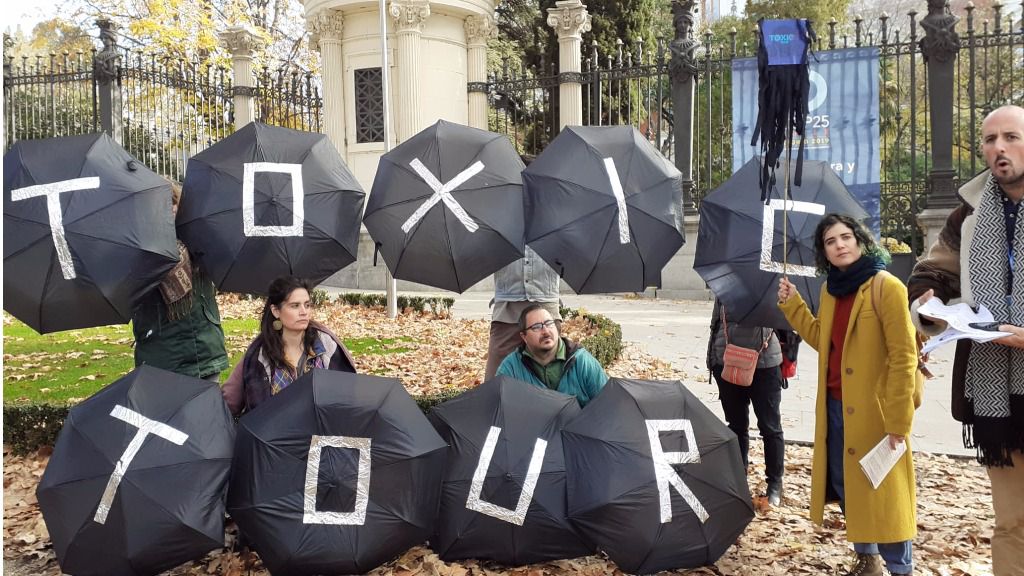
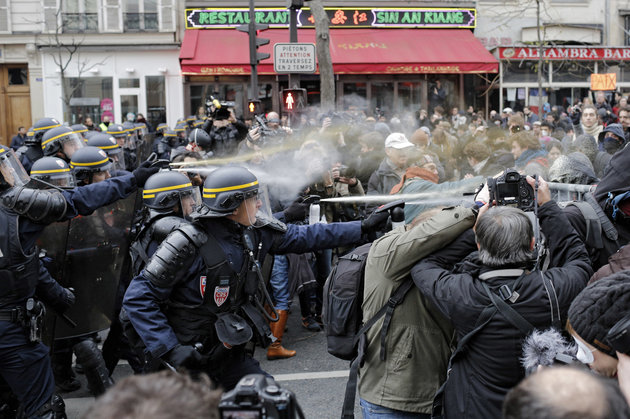
In Spain, the country’s biggest fossil fuel polluters are also some of the most generous sponsors for this year’s U.N. climate talks. On Saturday, we joined activists on a “toxic tour” of Madrid from the Madrid stock exchange to Santander Bank. Activists explained that when Spanish President Pedro Sánchez announced that Spain would host COP25, he went to IBEX 35 — the 35 biggest listed companies in the Spanish stock exchange — offering them a 90% tax break on a $2 million sponsorship. Advocates say that these same companies “have deep and dirty links to the fossil fuel industry.” But midway through, the police shut down the tour, threatening fines of over 3,000 euros if the peaceful tour did not disperse. Climate justice campaigner for Friends of the Earth International Héctor de Prado says he was shocked and “ashamed” by the attempts by police to halt the tour. “It is not normal,” he says.
El Cambio Climático en España: impacto y consecuencias
Transcript
This is a rush transcript. Copy may not be in its final form.
AMY GOODMAN: This is Democracy Now!, democracynow.org, The War and Peace Report. I’m Amy Goodman, as we broadcast live from the U.N. climate summit, known as COP25, here in Madrid, Spain. We turn now to the fossil fuel polluters that are sponsoring this year’s climate talks. On Saturday, activists took us on what they called a “toxic tour” of Madrid, from the Madrid stock exchange to Santander Bank to the world-famous Prado Museum. But midway through, the police shut it down. This is Pascoe Sabido of Corporate Europe Observatory, or CEO, but begun with Lise Masson of BankTrack.
LISE MASSON: So, welcome to the toxic tour. So, inside COP25, the negotiations are supposed to be tackling the climate crisis. But they’re completely failing, and they have been for 25 years because of the influence of big polluters. The same companies who are causing the crisis are derailing the talks and the real solutions in order to protect their business models. Some of these biggest polluters or even sponsoring the COP, and we’ll be paying a visit to some of them today. The first stop is, in fact, here at la Bolsa, Madrid’s stock exchange.
PASCOE SABIDO: When Pedro Sánchez, the president of Spain, announced that Spain would hold COP25, do you know the first thing he did? Not yet? No? He came here to the IBEX 35, to the 35 biggest listed companies in the Spanish stock exchange, to ask them to sponsor COP25. He asked them for 2 million euros each. And you know what? He offered them a tax break of 90% on the contributions they would make. And do you know who accepted? Some of the most polluting companies in Spain, also in the IBEX 35: Endesa, who is the most polluting; Iberdrola, a gas company who tries to be green; Suez, a French waste and water company, who’s the biggest water privatizer in Chile; so, also Santander, which is one of the biggest fossil fuel financing banks out there; as well as many, many others. And all these organizations, these companies, are going to use the COP for greenwashing and gaining privileged access to negotiators, to the talks, to make sure they protect their profits, subsidized by the taxpayer in Spain. And now we’re going to pass over to Nathalie Rengifo from Corporate Europe Observatory to talk more about the impact this has on the climate talks.
NATHALIE RENGIFO: Gracias. [translated] As my colleagues have just said, the walls of the COP smell bad, just like international climate politics. They smell of gas. They smell of petrol. They smell of oil. They smell of all the polluting things that these companies are bringing inside the climate talks. And what is worse is that the governments of the North are the ones that are actually pushing the agendas of these corporations and taking them into the negotiating rooms inside the UNFCCC. So, these governments should be defending the people and the interests of the planet biodiversity, but instead they are defending the interests of corporations inside the negotiating rooms. And these companies which are greenwashing, they are, and they continue to be, the cause of the climate crisis. And they are taking the whole of humanity and our planet towards extinction. Thank you.
LISE MASSON: So we’re now going to head to our second stop, another sponsor, a gold sponsor, indeed. We’re going to head to Santander.

AMY GOODMAN: So, we’re walking from the Madrid stock exchange, which is the place the organizers say represents the most dirty polluters and that are sponsoring the COP. They handed out a flyer, “COP25 Bankrolled by Big Polluters. Time to Delay.” The organizers called out Santander, the Spanish fossil fuel financier. Banco Santander is Spain’s largest bank and the 16th largest bank in the world. While it boasts of its investments in renewables, they say, its continued financing of fossil fuels is the real story, they argue. We’re now moving on to the next stop, Santander Bank.
LISE MASSON: OK. So, welcome to our second stop, Santander, as you can see. We have Yago from Ecologistas en Acción.
YAGO MARTÍNEZ:

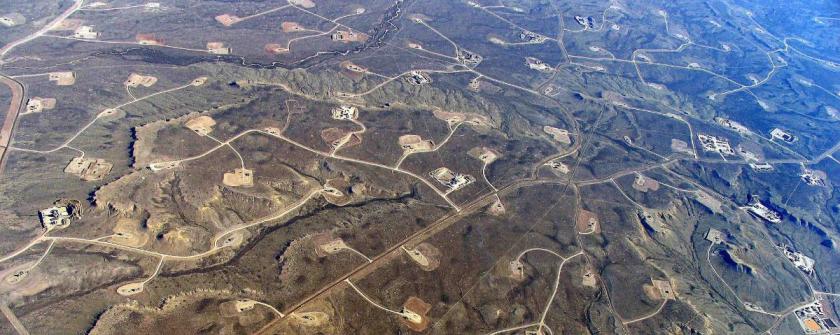
This particular bank, behind us, in the last year, it has invested over 15,000K, millions, to over 1,800 companies all over the world, including oil operations in the Arctic, fracking, any kind of dirty energy. Not long time ago, we saw the CEO of Santander, Ana Patricia Botín, going to Greenland and stating that she was so concerned about climate change. However, BBVA and Santander, they keep investing money in dirty energy industry. This is a hypocrisy. It’s what some civil society organizations in Spain are publicly denouncing.
LISE MASSON: What do we say to fossil banks?
PROTESTERS: No thanks!
LISE MASSON: Fossil banks?
PROTESTERS: No thanks!
AMY GOODMAN: The second stop on the tour was Santander Private Banking. The organizers explained what Santander Bank’s role was in investing in fossil fuel. And now, after the people stood and listened to the explanations, the police have come over. There’s a line of four police officers here. There’s around 10 police. Pascoe Sabido says, “When there’s a lot of money, there’s a lot of protection.” Now what’s he saying?
PASCOE SABIDO: He’s saying if we continue the tour, if we continue going, we have to tell them where we’re going, what we’re doing, etc. I guess around the COP there’s a lot of security, and this is quite a well-protected zone with a lot of money in it. So, when there’s a lot of money, there’s a lot of people protecting it. So they have a whole police force out to come and talk to people who are doing nothing.
POLICE OFFICER:
One thing is a touristic tour, and another is to advocate as you are doing, talking about Santander Bank or maybe the stock exchange, their methods of work, as a complaint or as advocacy.
AMY GOODMAN: I’m a journalist. I’m a journalist. I’m a journalist from the U.S.
UNIDENTIFIED: Amy Goodman.
AMY GOODMAN: I’m covering the — I’m covering the U.N. COP.
UNIDENTIFIED: You have a —
AMY GOODMAN: I’m covering the U.N. climate summit. We’re going to move on. I’m allowed to walk. I don’t need to ID myself. OK, all right, we’re just going to keep walking. The police are looking for my identification. But the question is whether this “toxic tour” can continue right now. They’re trying to move on, so we’re going to follow them. The police are lined up in front of one of the largest banks in the world, that invests in fossil fuels.
PASCOE SABIDO: We’re now going to go to our next stop, which is yet another icon of Madrid. It’s the Museo del Prado. Like with many cultural institutions, they have deep and dirty links to the fossil fuel industry, including as sponsors. So, follow us this way, and we’re heading to the Museo del Prado.
Pascoe Sabido from Corporate Europe Observatory. We are heading to El Prado Museum, which is in fact sponsored by some of the COP25 sponsors, to denounce some of this. But, unfortunately, the police have just told us that if we carry on, we’re going to get a fine, and they’re trying to shut down the tour.

Anarchists beaten and expelled from Climate Change Demo
What happened on day 6 during the demonstration was not that “the police were
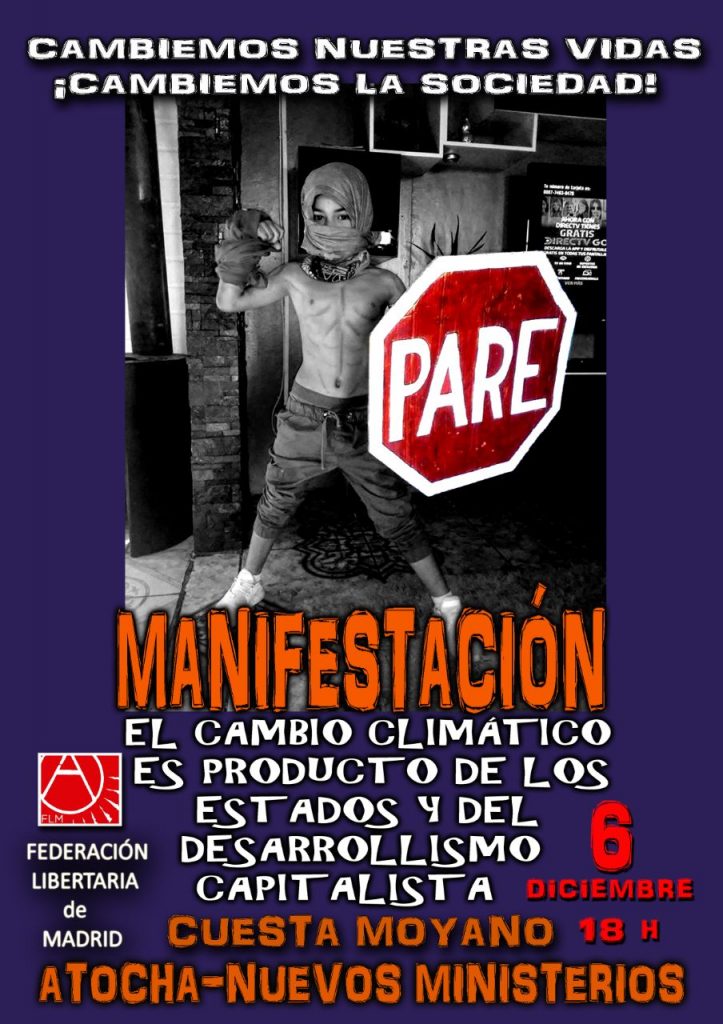
instructed not to let that anarchist block (made up of around 200 people) be part of that mobilization from the beginning …it was all orchestrated and so they did, splitting the demonstration in two, isolating and trying to put people against us.
A couple of people were arrested at that time and there were some injured by blows and several blows from the police. … Indymedia Barcelona
YOU WILL ALWAYS HAVE US IN
SOLIDARITY WITH THOSE DETAINED FIGHTING
WHOM DESTROY THE EARTH
000000000000000000000000000000000000000000000000000000000
LISE MASSON: We’re going to gather here.
PASCOE SABIDO: So, we’re here at the Prado. Does anyone know what the Prado is?
UNIDENTIFIED: A museum.
PASCOE SABIDO: A museum. It’s Spain’s most famous art museum. It has some lovely pieces inside it. But does anyone know who sponsors the Prado? As well as Iberdrola, it turns out Endesa, Spain’s dirtiest, most polluting single company, is also involved in the Prado, because it has refurbished the Salón de Reinos, one of the big rooms in there, by giving a large sum of money, and now gets to use it for its own PR exercises. But here to give more information on Endesa, the dirty singlest — dirtiest company in Spain, we have Héctor de Prado — perfect name for this museum — from Amigos de la Tierra. Héctor.
HÉCTOR DE PRADO: Thank you, Pascoe. So, Endesa is the largest energy company in Spain. They have interests in — not only in art, as just Pascoe mentioned, also in sport. They are the main sponsors of the basketball league, for instance. And they love the coal that comes from countries such as Russia, as Chile. And despite, they try to make up their image. For instance, they are part of the Better Coal platform.
PASCOE SABIDO: A technical point: The police have said if we dissolve it ourselves, we have a smaller fine. And if they have to dissolve it for them, we have a bigger fine.
PROTESTERS: Boo!
AMY GOODMAN: We are right behind the famous museum, the Prado. And the organizers wanted to talk about the energy company investment here, but the police are moving in, and they’re saying if they break it up, they’re going to charge these groups a large fine. If the people self-dissolve the group, it will not be as much of a fine. So we’ll see what happens.
AMY GOODMAN: Explain what the police officer said to you about what you were explaining to the group, what made you different.
YAGO MARTÍNEZ: My name is Yago Martínez. I am in Ecologistas en Acción, which is an environmentalist group in Spain.
YAGO MARTÍNEZ: He said that if it was a touristic tour, it would be OK, but this was different. This was about corporations. We were speaking bad about big corporations, and that’s considered political concentration.
AMY GOODMAN: How do you feel right now? Do you feel, as a Spanish citizen, that your freedom of speech was violated?
YAGO MARTÍNEZ: I’m a bit shocked.
HÉCTOR DE PRADO: I’m Héctor de Prado. I’m a climate justice campaigner for the Spanish chapter of Friends of the Earth International, Amigos de la Tierra España.
AMY GOODMAN: And so, what happened? Why didn’t you speak?
HÉCTOR DE PRADO: Well, because we were preventing, apparently, the police came and interrupted us. They think that we are giving very bad publicity to Spanish companies. And I think that it’s our right to do this. And basically they threatened us, too, with fines of over 3,000 euros.
AMY GOODMAN: How do you feel about that?
HÉCTOR DE PRADO: I feel ashamed. I mean, it’s not normal. It’s not normal.
LISE MASSON: And as much as it’s frustrating, we don’t really have a choice in this instance. We’re going to have to dissolve the tour.
PROTESTERS: ¡El pueblo unido jamás será vencido! ¡El pueblo unido jamás será vencido! ¡El pueblo unido jamás será vencido! ¡El pueblo unido jamás será vencido!
AMY GOODMAN: That was Lise Masson of BankTrack ending Saturday’s “toxic tour” a bit earlier than planned, after police broke up the walking tour.
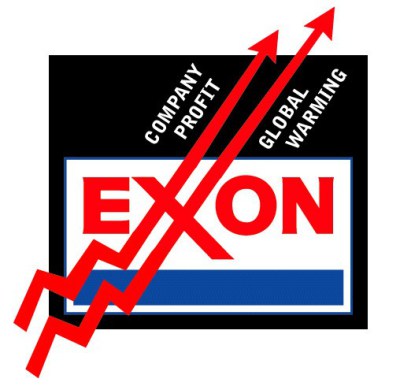
When we come back, the Commission on Human Rights of the Philippines has just determined 47 major companies, including, oh, Shell, Mobil, as well as ExxonMobil, Shell, Chevron, BP and Total, could be found legally and morally responsible for human rights abuses in the Philippines that are resulting from climate change. We’ll speak with the former Philippines climate chief negotiator Yeb Saño. Stay with us.
AMY GOODMAN: “Stayin’ Alive” by the Bee Gees. Extinction Rebellion protesters danced to the song in a “discobedience,” shutting down a major street in Madrid for two hours on Saturday.The original content of this program is licensed under a Creative Commons Attribution-Noncommercial-No Derivative Works 3.0 United States License. Please attribute legal copies of this work to democracynow.org. Some of the work(s) that this program incorporates, however, may be separately licensed. For further information or additional permissions, contact us.
Santander and hypocrisy with climate change
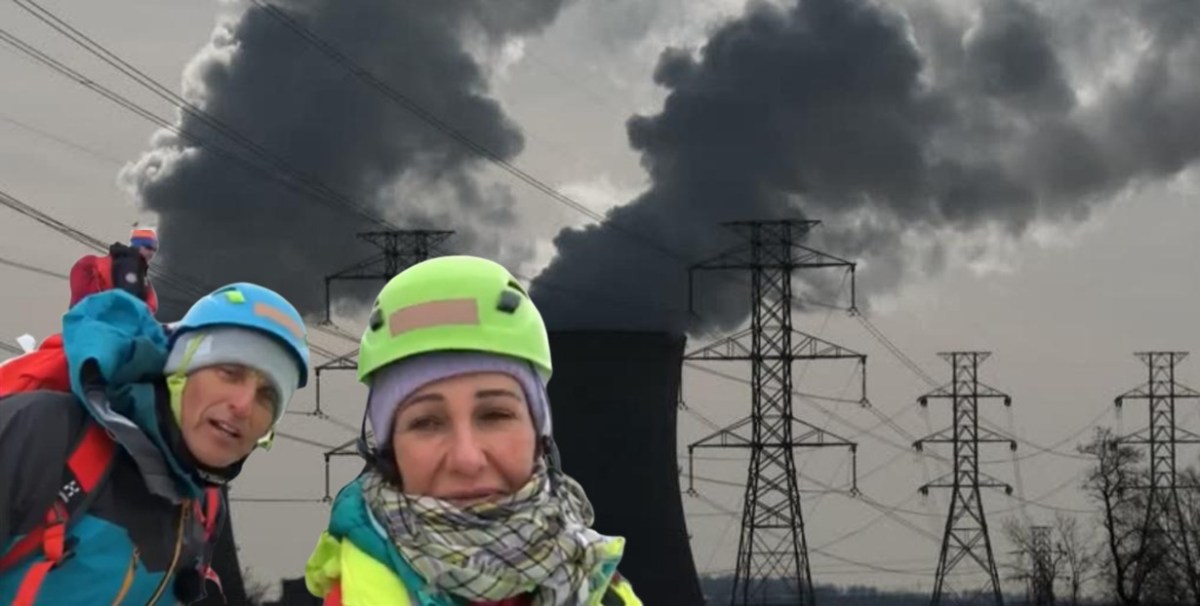
Ana Patricia Botín, president of Banco Santander, which is subsidising COP25, has participated in a program with Jesús Calleja on the disappearance of glaciers in Greenland, while Santander finances coal and lignite extraction companies that, with their combustion, produce carbon dioxide and black smoke that generate greenhouse gases that accelerate ice melting and drive global warming and climate change
rough translation from Diario 6 exposé article HERE: El Santander y la hipocresía con el cambio climático https://diario16.com/el-santander-y-la-hipocresia-con-el-cambio-climatico/ shared with thanks!

The news of Ana Botín protecting glaciers was published by its related media and distributed, with hype, on Twitter and Instagram by the president of Santander and Jesús Calleja.
Without entering into considerations of the image campaign of the president of Santander, is it not hypocritical to star in a program on climate change and the disappearance of glaciers when at the same time they are financing companies that produce greenhouse gases that cause melting of ice and generate global warming?
This hypocrisy is even greater when Ana Patricia Botín, as president of Santander, is perfectly aware of the financing of these companies by the bank and, in addition, every year she is remembered by different shareholders at the General Meeting.
It is known that the burning of fossil fuels (coal, lignite, etc.) produces carbon dioxide and suspended particles, known as “black smoke,” which generate acid rain and greenhouse gases that cause global warming and climate change. and pollute the water. The burning of fossil fuels is done in different ways and one of them is in thermal power plants for the generation of electricity.
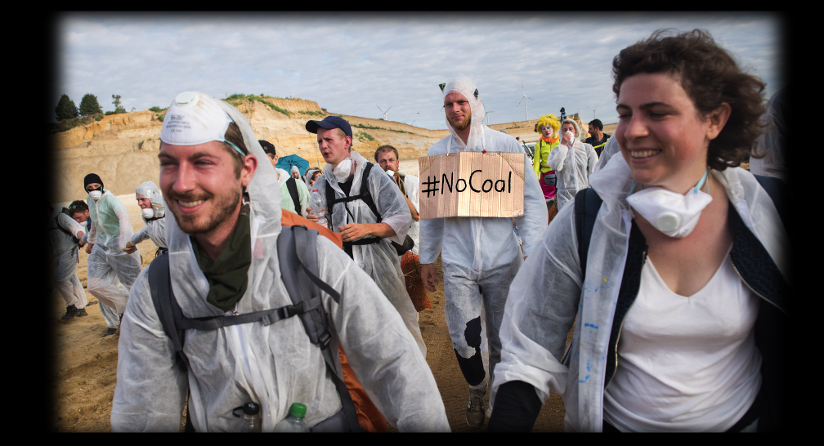
There are a multitude of scientific reports that state that burning coal can release more radioactive waste in the environment than nuclear power plants, which also seeps into the aquifers. A report published in the late 80s in the journal Science concluded that people who lived near thermal power plants received more radiation than those who did near nuclear power plants.
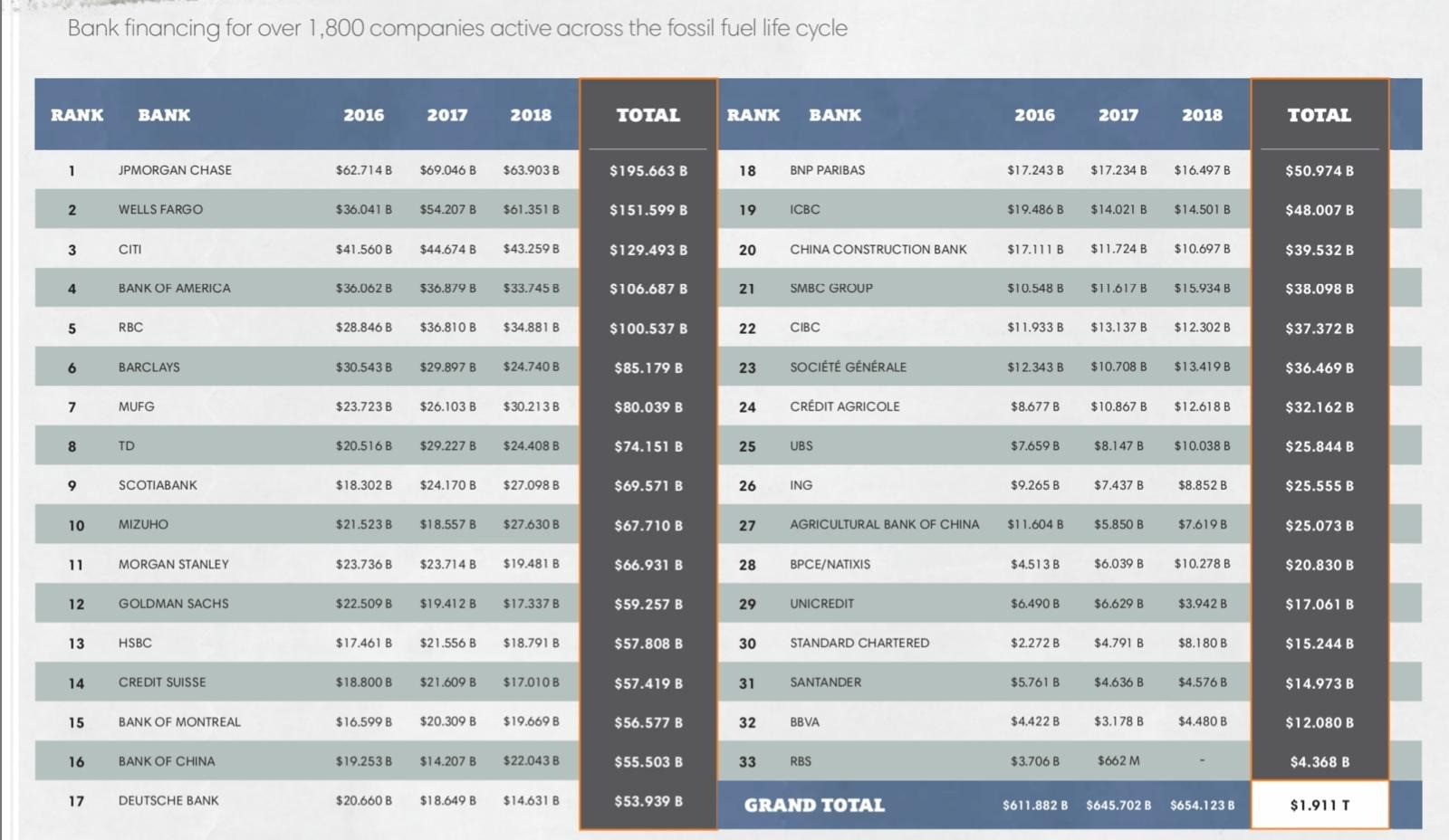
Well, according to various reports, Santander is one of the world’s largest banks that invests in fossil fuel companies above 4.5 billion dollars annually with a total of 14,973 in the 2016-2018 triennium.
These facts and figures do not escape Ana Patricia Botín as different shareholders have expressed it in different shareholders meetings such as March 2018 and April 2019.
At the 2018 meeting Ana María Barreira López and Olaya Carlota Ruiz Bautista, director and lawyer of the International Institute of Law and Environment (IIDMA), reminded Ana Patricia Botín that the presiding bank finances “some of the largest companies in the coal sector in the world, such as CEZ in the Czech Republic, PGE and Tauron in Poland, RWE in Germany, SGCC and SPIC in China or Marubeni Corporation in Japan ».
Olaya Carlota Ruiz explained that Santander, through its Polish bank BZ WBK, finances coal mining companies such as ZE PAK, which is dedicated to the extraction of lignite and the generation of electricity with its burning in thermal power plants, which has received 50 million euros since 2016. He also accused Santander of financing other Polish companies such as PGE and ENEA that have plans to open new coal mines and create new thermal power plants. La Ruiz also said that Santander had subscribed bonds of the Polish Mining Group in 2017 for more than 300 million euros along with other entities.
At the 2019 Board, Ana María Barreira said that Santander’s energy policy “did not contain clear criteria that prevented financing customers in the coal mining and coal production sectors, despite the fact that several European banks had already adopted such criteria ». He also stated that, according to the Banking on Climate Change report, Santander had allocated $ 14,973 million to fossil fuel related projects since the Paris Agreement of 2015.
In that same Board of 2019, Jakub Jerzy Gogolewski intervened, stating that Santander was listed as “the second largest fossil fuel financer in Europe” and referred to the Polish companies PGE and ZE PAK that the bank continued to finance. He also asked when he would make public his strategy to eliminate his exposure to the entire fossil fuel sector that competitors “like BBVA, and other European banks like ING, already had.”
In short, Ana Patricia Botín, like the vast majority of citizens of the world, is aware of the seriousness of the greenhouse gas emissions generated by global warming and climate change and, if not, shareholders remind her at the shareholders meetings. Despite this, it is the second largest financing bank in Europe with 14,973 million dollars between 2016 and 2018 and continues to finance companies that are dedicated to the extraction and burning of fossil fuels for the generation of electricity producing the pernicious carbon dioxide and black smoke that drifts in acid rain.
The Banking on climate change: fossil fuel finance report card 2019 report indicates that in the years 2016 to 2018 the main banks, including Santander, invested 1.9 billion dollars in fossil fuel companies. According to the report, the Cantabrian bank would have increased financing to companies that extract gas and oil in the Arctic from 2016 to 2018 by 566%.
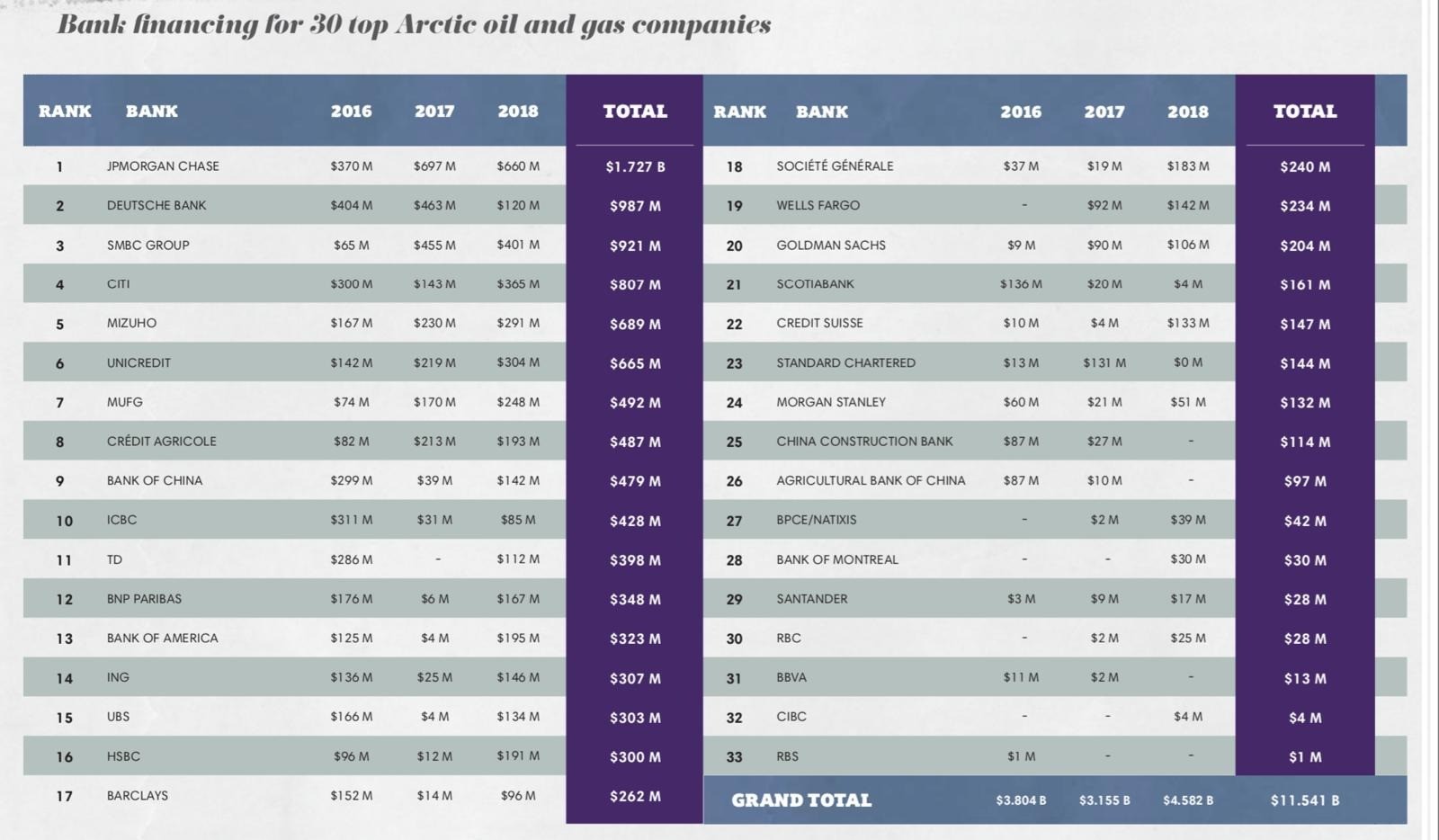
The same report states that Santander in 2016 did not finance oil extraction through fracking it began doing so in 2017 doubling financing in 2018.
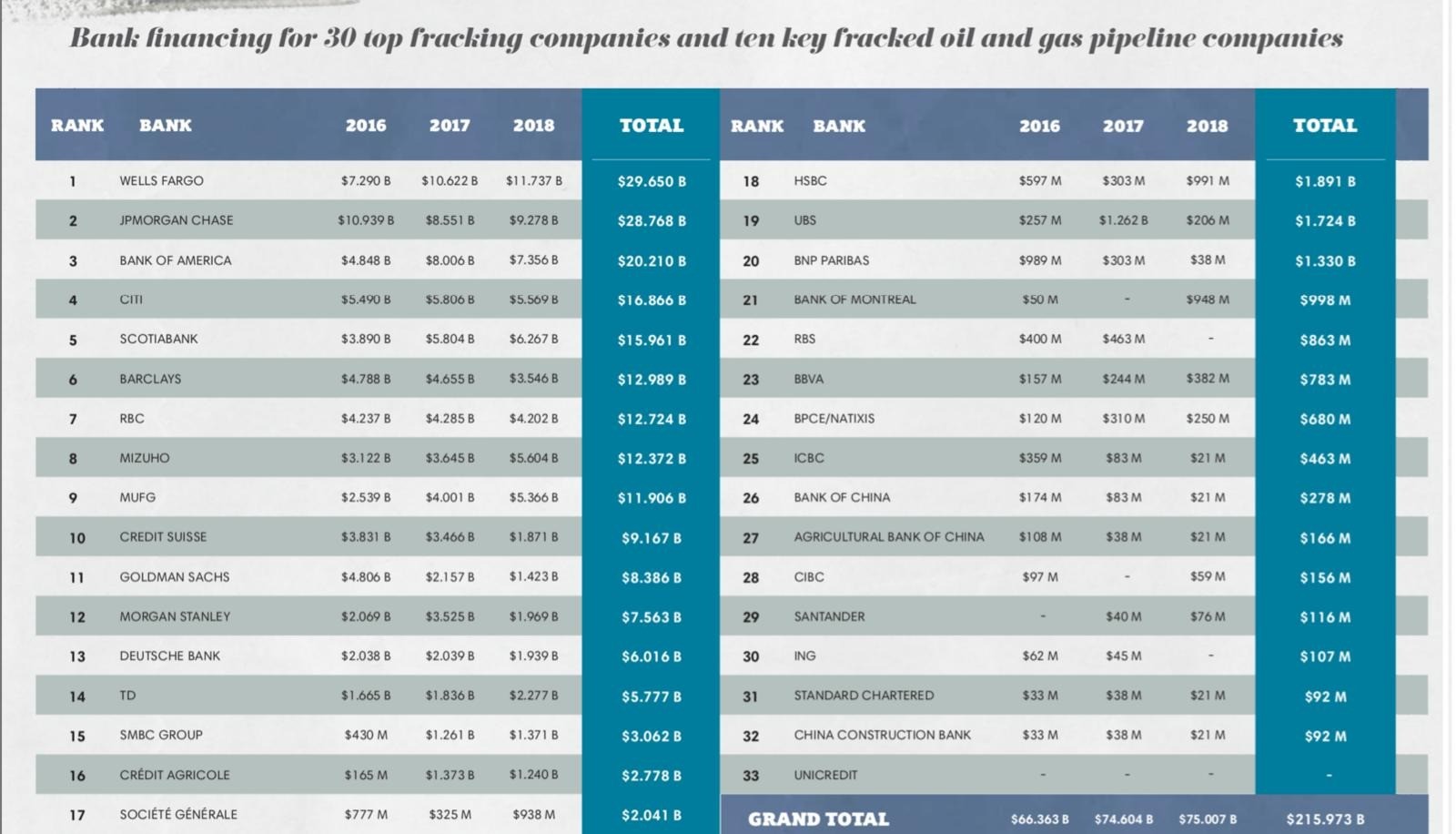
In turn, Santander’s financing to export and import companies of liquefied natural gas increased by a huge 1,783% from 2017 to 2018.

Regarding the financing of coal mining companies, Santander doubled it from 2016 to 2018.
Consequently, the program that Ana Patricia Botín has starred with Jesús Calleja in the Greenland glaciers is completely discredited when it is evidenced that it is nothing more than a simple “posturing” and an image operation at the expense of climate change, since the Santander continues to finance companies that produce carbon dioxide and black smoke and cause the melting of the polar ice caps and glaciers of Greenland and the Arctic.
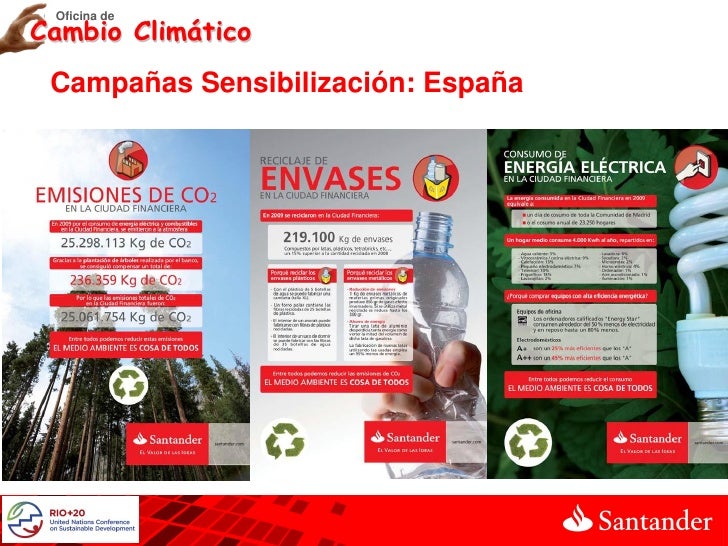
What really matters to Ana Patricia Botín is her income statement and, if to increase it, she has to continue financing fossil fuels she will continue doing so without stopping promising investments in sustainability, energy transition, clean financing and regulatory compliance.
Statements that look very good in the bulky annual reports are systematically broken, as Bloomberg has published, mentioning the report of the group of experts who form “Carbon Tracker” that shows that these promises are not fulfilled.

 The Free