https://blogpatriagrande20.wordpress.com/2021/08/06/argentina-experimento-sojero-con-ninos-wichi/
”60% of the dangerous substances found are possible or probable carcinogens, 80% alter hormones and 40% affect the nervous system “.
By Silvana Melo (APe) .-shared with thanks
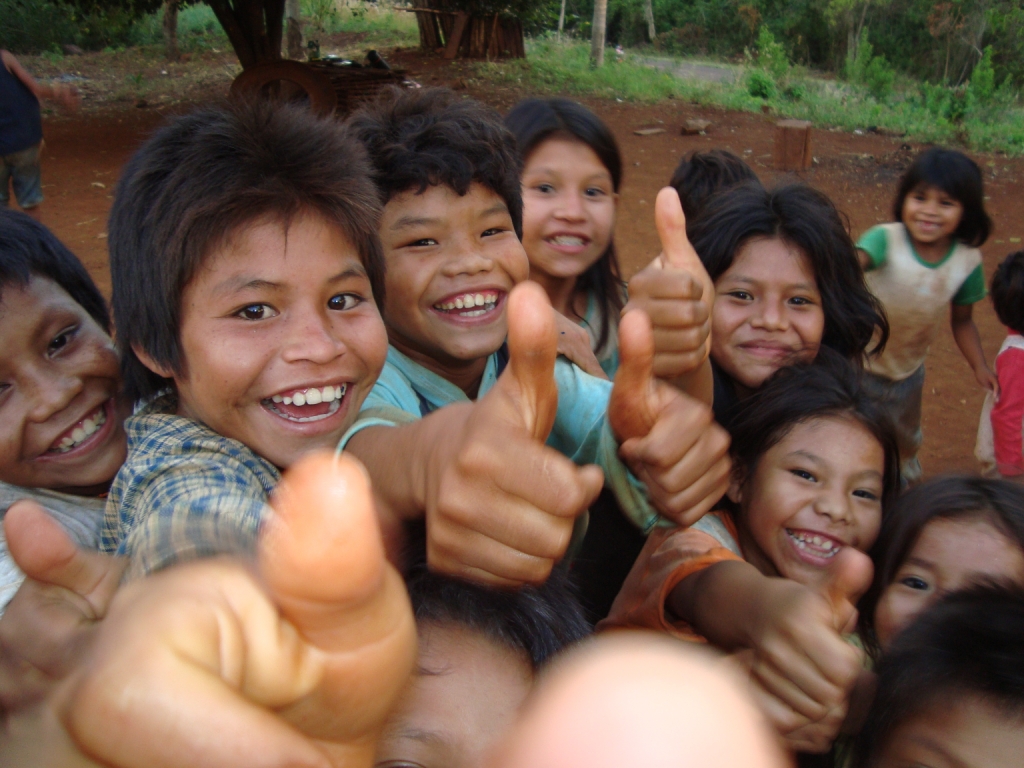
Almost twenty years after the collapse of the super soybean soup, the agribusiness proposes, once again, to intervene in the bodies of the most fragile children and experiment in the extreme vulnerability of Wichí malnutrition.
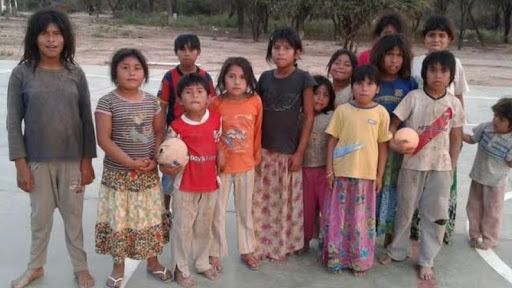
The creation, from the Ministry of Agrarian Development of the province of Buenos Aires, of a bun flavored with sugared milk and a heart of wheat and soy, is a lifeline for childhood malnutrition. A transgenic muffin (in the language also colonized), streaked with agrochemicals, tested on 30 young Wichí youngsters.
In Santa Victoria Este, where childhood is condemned by origin, the agribusiness tests its food for fattening. Which at the same time is one more key to produce profit with unhealthy eating, this time through the state.
In a dark time of hunger and discouragement, the agribusiness circle returns to 2002, as if nothing had happened on this long road that took the lives of so many children. Of small stories with names, faces and futures cut down.

These viuctims of the fiercest capitalism have been a pauperizer and expelled from their lands, in the expansion of the agrarian frontier to grow exportable commodities.
Thousands of peasant families were exiled and sought refuge in the suburbs of the big cities.
The towns and settlements exhibited exponential growth for two decades the State was and is sustained by the logic of extraction. The perverse logic of a productive system that affects people’s health, that excludes and violates.
Wichí children die each summer in clusters of malnutrition and dehydration.
The agribusiness left them without their mountain home – the Chaco of Salta is the most cleared area in the country. The Wichí, who were when the owners of a land without evil, were stripped naked in a world that is not their own, which took away their forest pharmacy and warehouse (1), left them without water and confined them to the most barren lands.
Their culture was not just one of gathering, but of hunting and gathering. Without the habitat that was taken from them, survival is a chimera. The closest thing to health is a hospital where no one speaks their language. And where the sanitary strategy that came down from the trees and woven by the spirits is not understood.
In Santa Victoria Este “the statistics collected indicated an infant mortality rate of 17.19 per thousand and of children under 5 years reaches 31.94 per thousand, with indigenous children as the most affected”, says the Tierra Agency.
Children do not eat and they drink bad water. They die as one year olds, or at two years, little sprouts just from a plant that will not grow. Little leaves in the wind.
The government of Salta offers them and has them available to test the new food toy of agribusiness: a super protein muffin – as advertised by media spokesmen – with wheat and soybeans. Its like a return to 2002, when the distribution of the legume in the soup kitchens created a generation of poor children with serious hormonal and nutritional problems.
There is a deadly content of pesticides, part of the technological package that Monsant introduced six years earlier in the country. With the blind signature of Felipe Solá (2).
The nutritional problem of Argentine children is not solved with soy. Not with the delusions of Abel Albino in Salta. But with a healthy and varied diet, with access to poison-free fruits and vegetables, at a distance from industrial ultra-processing.
The ingredients change: in the place of soy, food sovereignty is needed.
When the presidency of Eduardo Duhalde, backed by the power of agribusiness hyped a dramatic social situation to poverty that far exceeded 60% by launcheing Solidarity Soy, the consequences of having it in the center of food were not yet public.
However, the Argentine Society of Pediatrics (SAP) considered that children between 2 and 5 years old should not consume it because “it generated hormonal alterations.”
The doctor from Entre, Ríos Darío Gianfelici, in his clinic in the greater Paraná, observed a change in the health profile of his patients, coinciding with the profusion of soy in the diet, as a response to the explosive pauperization.
“I noticed birth problems, cancer in people under 40, sterility, cleft lip, malformations”.

“In the early years, when producers brought soybeans to school canteens, the amount of hormones caused boys to have breast development and girls to begin to menstruate rapidly.” In 2003 he was witnessing the consequences of the “Solidarity Soy” plan, which fed the poor by creating a systemic perversity with a transgenic experimental action of uncertain results.
Luis Sabini wrote in January 2003: “99% of the soy produced in the country is exported. Precisely because it is not socially incorporated into the national diet. About half goes to East and Southeast Asian consumer markets, for humans. Another half goes primarily to Europe, as fodder.
The soy offered to the indigent and poor in the country is the cheapest. It is the forage which is exported for European pigs and cows. This soy can legally contain up to one hundred times more agrochemical residues than that destined for human consumption ”. Gianfelici and Sabini were part of the lonely voices of those times.
“It is official data in Argentina that 99.86% of the soy produced in the country is transgenic and fumigated with pesticides, mainly glyphosate,” says the organization Nature of Rights.
And it is conclusive: “in the 49 controls carried out by SENASA, between 2017 and 2019, on pesticide residues in soybean crops, 5 active principles were detected (2.4-D, Glyphosate, Pirimiphos-methyl, Malalation, Dithiocabamates ). 60% of the dangerous substances found are possible or probable carcinogens, 80% hormonal changers and 40% affect the nervous system ”.
Almost twenty years later, solving the fatal cycle of agribusiness as a meta-power in the heart of the state, soybean experimentation returns with the hunger of confined childhood, expelled from the brilliance of the system. With thirty Wichí children who, it will have been considered, had little to lose.
And it is public policy, it is a state decision. From the office of God in the very province of Buenos Aires.
Notes
(1) Medicines for all ills arose originally from nature. And food from hunting, fishing, fruits and vegetables.
(2) 108 of the 136 pages in the file were the Monsanto reports, never translated from English.
Opening Image: AFP / Ronaldo Schemidt
Edition: 4365
.
Argentina. Experimento sojero con niños wichí
El 60 % de las sustancias peligrosas encontradas son posibles o probables agentes cancerígenos, el 80 % alteradores hormonales y el 40 % afectan el sistema nervioso”
(APe).- A casi veinte años de la super sopa sojera del derrumbe, el agronegocio propone, una vez más, intervenir en los cuerpos de los niños más frágiles. Y experimentar en la vulnerabilidad extrema de la desnutrición wichí.
La creación, desde el Ministerio de Desarrollo Agrario de la provincia de Buenos Aires, de una madalena con sabor a dulce de leche y corazón de trigo y soja, es un salvavidas para la desnutrición de la infancia. Un muffin (en el idioma también colonizado) transgénico, veteado de agroquímicos, testeado en 30 chiquitos wichí salteños.
En Santa Victoria Este, donde la infancia está condenada por origen, la agroindustria ensaya su alimento para engorde. Que a la vez es una llave más para producir ganancia con la alimentación no saludable, esta vez a través del estado. En un tiempo sombrío, de hambre y desaliento, el círculo del agronegocio vuelve a 2002, como si nada hubiera sucedido en este extenso camino que se cargó la vida de tantos niños.
De pequeñas historias con nombres, caritas y porvenires talados.

Este riñón del capitalismo más feroz ha sido un pauperizador y generador de éxodos, en su ampliación de la frontera agraria para la siembra de commodities exportables.
Miles de familias campesinas fueron desterradas y buscaron refugio en los conurbanos de las grandes ciudades. Las villas y asentamientos exhibieron un crecimiento exponencial en dos décadas de transgénesis y divisas aseguradas para un estado que –sin grietas- se sostuvo y se sostiene con la lógica extractiva. La lógica perversa de un sistema productivo que afecta la salud de la gente, que excluye y vulnera.
Los niños wichí se mueren cada verano de a racimos por desnutrición y deshidratación. El agronegocio los dejó sin el monte –el Chaco salteño es la zona más desmontada del país-, los desnudó frente a un mundo que no es el propio, les quitó la farmacia y el almacén (1), los dejó sin aguadas y los confinó a los terrenos más yermos cuando fueron los propietarios de una tierra sin mal.
Su cultura no fue de acopio, sino de caza y recolección. Sin el habitat que les arrancaron, la supervivencia es una quimera. Lo más cercano a la salud es un hospital donde nadie habla su lengua. Y donde no se comprende la estrategia sanitaria que bajaba de los árboles y tejían los espíritus.
En Santa Victoria Este “las estadísticas relevadas indicaron una tasa de mortalidad infantil de 17,19 por mil y de menores de 5 años llega al 31,94 por mil, con los niños y las niñas indígenas como principales afectados”, dice la Agencia Tierra Viva.
Los niños no comen y beben agua mala. Se mueren al año de vida, a los dos años, brotecitos apenas de una planta que no crecerá. Hojitas al viento.

El gobierno de Salta los ofrece y los dispone para testear el nuevo juguete alimentario del agronegocio: un muffin super proteico –así lo publicitan los voceros mediáticos- con trigo y soja.
Y un regreso al 2002, cuando el reparto de la leguminosa en los comedores populares creó una generación de niños pobres con graves problemas hormonales y de nutrición. Más allá del contenido fatal de agrotóxicos, parte del paquete tecnológico que había introducido Monsanto seis años antes en el país. Con la firma a ciegas de Felipe Solá (2).
El problema nutricional de los niños argentinos no se soluciona con soja. Ni con los delirios de Abel Albino en Salta. Sino con una alimentación saludable y variada, con acceso a las frutas y verduras sin veneno, a distancia del ultraprocesamiento industrial. Los ingredientes cambian: en el lugar de la soja, soberanía alimentaria.
Cuando la presidencia de Eduardo Duhalde, jaqueada por el poder de la agroindustria y una situación social dramática con una pobreza que superaba largamente el 60%, lanzó la soja solidaria, las consecuencias de disponerla en el centro de la alimentación no eran todavía públicas.
Sin embargo la Sociedad Argentina de Pediatría (SAP) consideró que no debían consumirla los niños de entre 2 y 5 años porque “generaba alteraciones hormonales”.

El médico entrerriano Darío Gianfelici, en su consultorio del gran Paraná, observó una mudanza en el perfil sanitario de sus pacientes, coincidente con la profusión sojera en los comedores, como respuesta a la pauperización explosiva.
“Noté problemas en los nacimientos, cáncer en personas de menos de 40 años, esterilidad, labio leporino, malformaciones”.

Y no sólo: “en los primeros años, cuando los productores llevaban soja a los comedores escolares, la cantidad de hormonas hacía que los nenes tuvieran desarrollo mamario y las nenas comenzaran a menstruar aceleradamente”.
En 2003 estaba asistiendo a las consecuencias del plan “soja solidaria”, que alimentaba a los pobres creados por la perversidad sistémica con una experimentación transgénica de resultados inciertos.
Luis Sabini escribió en enero de 2003: “el 99% de la soja que se produce en el país se exporta. Justamente porque no está incorporada socialmente a la dieta nacional. Una mitad aproximadamente va a los mercados de consumo del este y sudeste asiático, para humanos.
Otra mitad va primordialmente a Europa, como forraje. La soja que se ofrece a los indigentes y pobres del país es la más barata. Es la forrajera. La que se exporta para cerdos y vacas europeas.
Esa soja puede contener legalmente, hasta cien veces más restos agroquímicos que la destinada al consumo humano”. Gianfelici y Sabini formaban parte de las voces solitarias de esos tiempos.

“Son datos oficiales en Argentina que el 99,86 % de la soja que se produce en el país es transgénica y fumigada con agrotóxicos, principalmente con glifosato”, dice la organización Naturaleza de Derechos.
Y es contundente: “en los 49 controles realizados por el SENASA, entre los años 2017 y 2019, sobre residuos de agrotóxicos en los cultivos de soja, se detectaron 5 principios activos (2.4-D, Glifosato, Pirimifos-metil, Malation, Ditiocabamatos).
El 60 % de las sustancias peligrosas encontradas son posibles o probables agentes cancerígenos, el 80 % alteradores hormonales y el 40 % afectan el sistema nervioso”.
Casi veinte años después, resolviendo el círculo fatal del agronegocio como meta-poder en el corazón del estado, regresa la experimentación sojera con el hambre de la infancia confinada, expulsada de los brillos del sistema. Con treinta niños wichí que, se habrá considerado, poco tenían que perder.
Y es política pública, es decisión estatal. Desde la oficina de dios en la mismísima provincia de Buenos Aires.
(1) Las medicinas para todos los males surgió ancestralmente de la naturaleza. Y los alimentos, de la caza, de la pesca, de los frutos y de los vegetales.
(2) 108 de los 136 folios del expediente fueron los informes de Monsanto, nunca traducidos del inglés.

Imagen de apertura: AFP / Ronaldo Schemidt
Edición: 4365
.

 The Free
Reblogged this on Rangitikei Environmental Health Watch and commented:
More rape & pillage … heart breaking. The colonizers never went away
LikeLike