NATO estimates that a second phase of war in Ukraine is inevitable. It will be much more complex and bloody.
This was stated by Deputy Secretary General of the Alliance Mircea Geoana in a commentary for the Digi24.
Geoana assured that NATO countries supply Ukraine with a large number of armored vehicles, military equipment and weapons capable of hitting targets at long distances.
“This second part of the war will be different in quality, intensity and consistency, so it is natural that we are helping Ukraine to this stage of the war,” the NATO representative said.
As Ukrainian News Agency earlier reported, Advisor to the Head of the President’s Office Oleksii Arestovych said that two weeks of heavy battles are coming in the Donbas and their fate will…
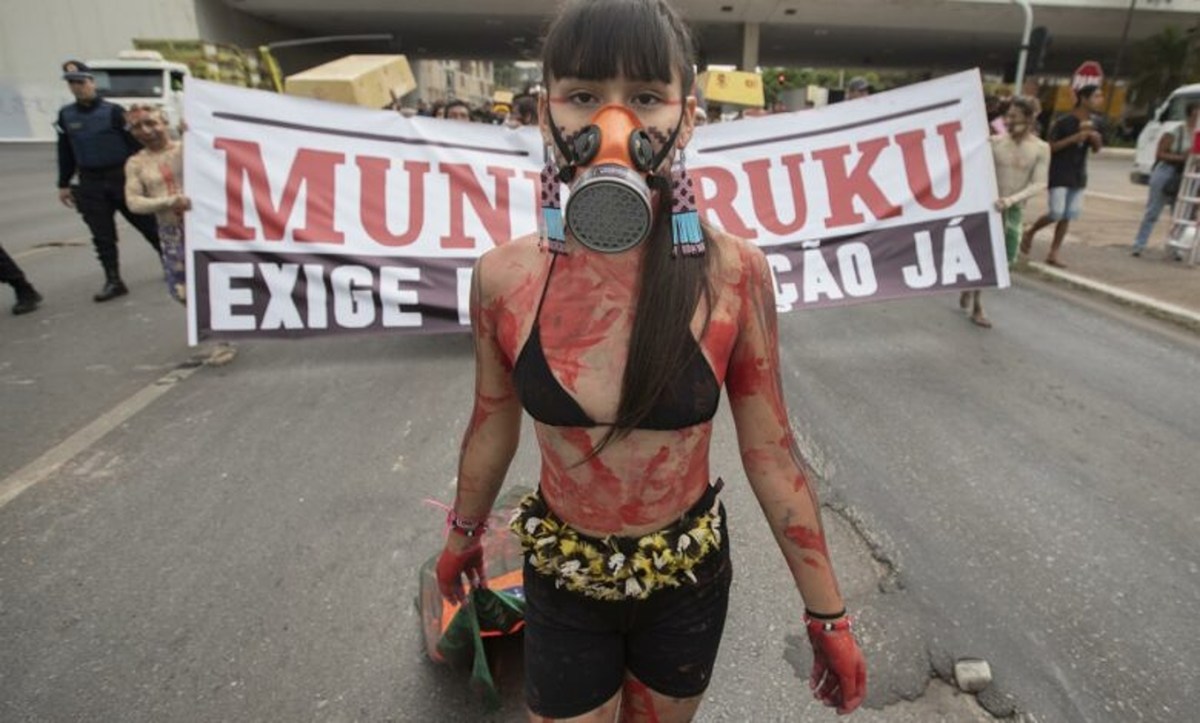
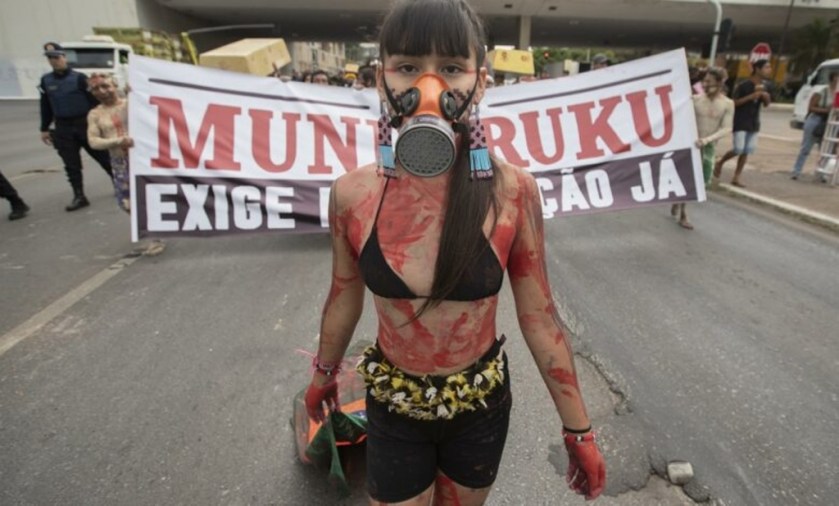
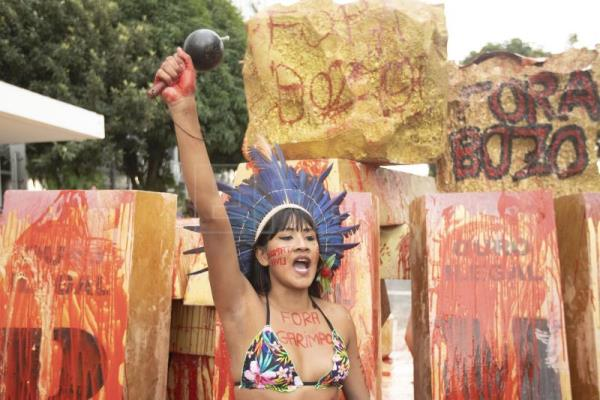
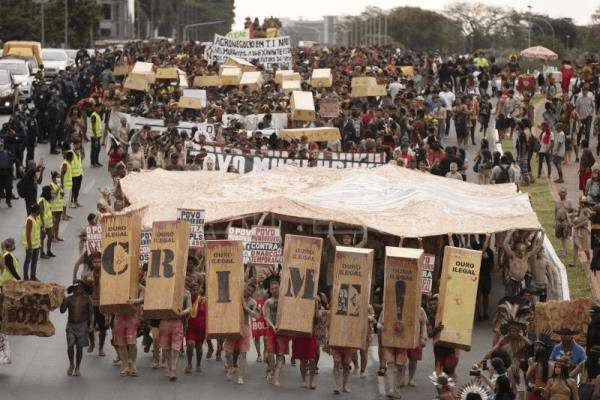
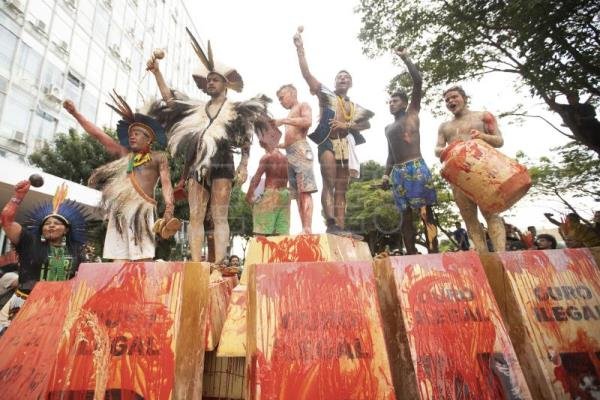
An indigenous woman belonging to one of the towns gathered at the Free Land Camp (ATL), protests during an act called ‘Ouro de Sangue’ (Gold of Blood), against the increase in mining in indigenous territories, in Brasilia, Brazil, 11 April 2022. EPA-EFE/Joedson Alves
Brasilia | Apr 11 2022
More than 6,000 indigenous people marched in Brasilia on Monday to protest against the policies of President Jair Bolsonaro’s administration and demand the end of illegal mining in the Amazonian reserves.
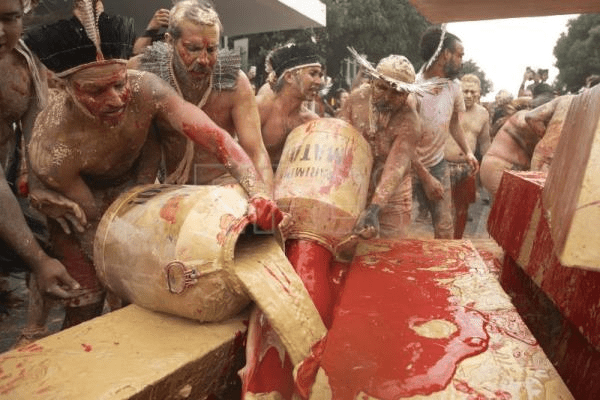
The march progressed peacefully along the esplanade next to government ministries until they reached the mines and energy ministry, outside which they dumped mud and red paint representing the destruction and death caused by illegal mining.
Brazilian flags were also smeared with red ink as were large boxes symbolic of ingots of gold — one of the most sought-after minerals in the largest tropical rainforest on the planet — on which…
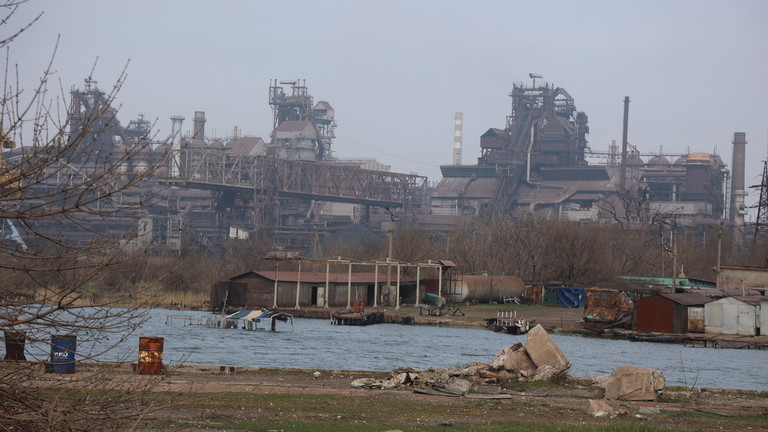
Ukraine’s neo-Nazi Azov Battalion has accused Russian forces of deploying a chemical weapon against its fighters during the siege of Mariupol. Moscow has warned that such claims could be used to create a pretext for the US and its Western allies to step up efforts to punish Russia over the ongoing conflict.
An unidentified chemical agent was dropped from a drone on Monday, leaving several Ukrainian fighters in the area struggling to breathe, according to unverified accusations posted on Telegram by the ultra-nationalists.
“A poisonous substance of unknown origin” was used, the militants claimed, allegedly leaving three fighters suffering mild respiratory issues, dizziness and headaches.
However, an aide to Mariupol Mayor Petro Andryushchenko noted that the allegations of a chemical attack hadn’t been confirmed, according to Reuters.
Separately, the Ukrainian parliament accused Russian forces of “firing on nitric acid tanks” in the Donetsk region. “This was reported by the patrol police,” according to a post on the parliament’s Twitter account on Monday night. “Locals are urged to prepare protective face masks soaked in soda solution.”
Western officials quickly pounced on the allegations, warning of severe consequences for Moscow. “We are working urgently with partners to verify the details,” UK Foreign Secretary Liz Truss said. “Any use of such weapons would be a callous escalation in this conflict, and we will hold Putin and his regime to account.”
In Washington, Pentagon spokesman John Kirby said US officials were monitoring the situation in Mariupol. “These reports, if true, are deeply concerning and reflective of concerns that we have had about Russia’s potential to use a variety of riot control agents, including tear gas mixed with chemical agents, in Ukraine,” he added.
US, UK and Ukrainian leaders have claimed for weeks that Russia might deploy chemical or biological weapons in its military operation in the former Soviet republic. Ukrainian President Volodymyr Zelensky reiterated those concerns on Monday, calling for stronger sanctions against Russia to deter the use of such weapons.
“It is time to make this [sanctions] package in such a way that we would not hear even words about weapons of mass destruction from the Russian side,” Zelensky said. “An oil embargo against Russia is a must.”
White House Press Secretary Jen Psaki first set the stage for an alleged Russian chemical or bioweapon attack last month – while responding to reports from Moscow on US-funded biolabs in Ukraine. She called the charges “an obvious ploy” and said “We should all be on the lookout for Russia to possibly use chemical or biological weapons in Ukraine, or to create a false-flag operation using them.”
Also last month, US President Joe Biden said NATO members would respond “in kind” if Russia used weapons of mass destruction in Ukraine.
Moscow launched a large-scale offensive against its neighbor in late February, following Ukraine’s failure to implement the terms of the Minsk agreements, and Russia’s eventual recognition of the Donbass republics of Lugansk and Donetsk, where the city of Mariupol is located. The German- and French-brokered protocols had been designed to regularize the status of those regions within the Ukrainian state.
Russia has now demanded that Ukraine officially declare itself a neutral country that will never join the US-led NATO military alliance. Kiev insists the Russian offensive was completely unprovoked and has denied claims it was planning to retake the two rebel regions by force.
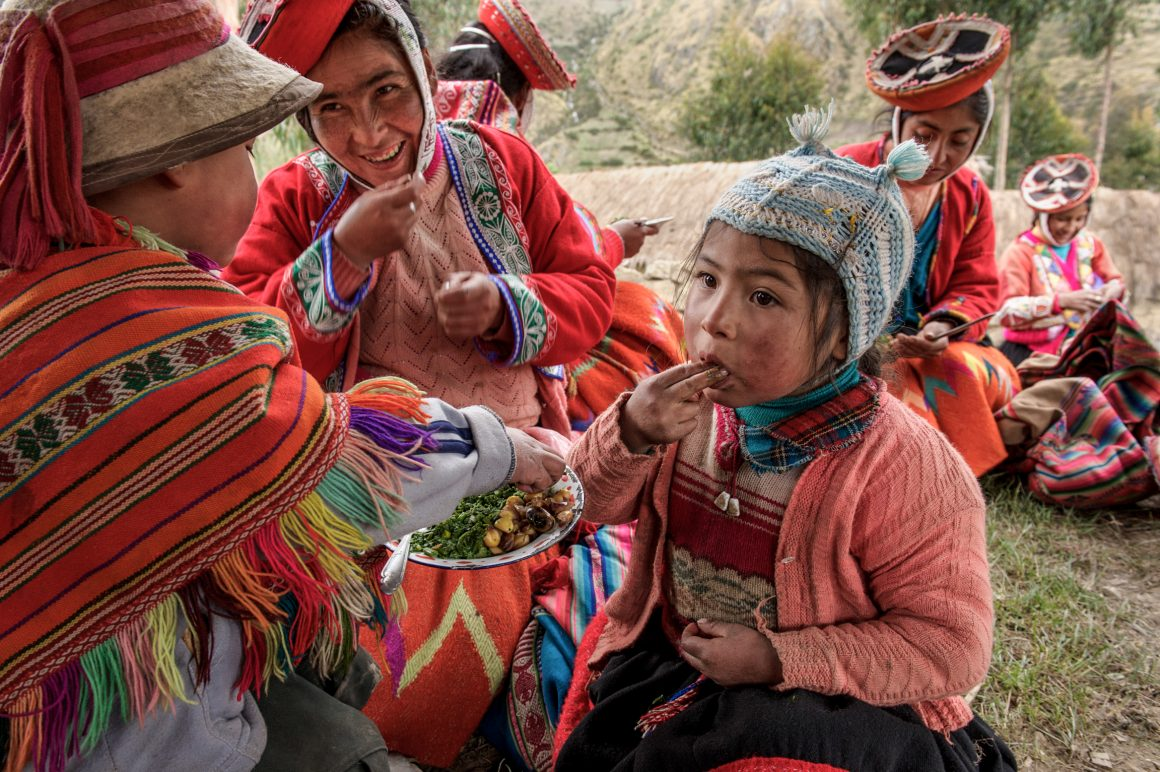
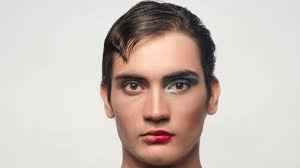
Female-bodied people who assumed male social roles and dressed like men were known as elxa’ Male-bodied Quechans who took on women’s social roles and wore female clothing were known as kwe’rhame
When the Quechan people first encountered Spaniards in the mid-16th century, their homelands stretched from the Colorado River to the Gila.
The Quechan spoke a Yuman dialect and lived in small, patrilineal bands. These social ties developed over time into larger tribal groups known as rancherías comprising as many as five hundred people. By the mid-16th century, the Quechan had a history of fighting to preserve their collective identity and provide sustenance for the members of each ranchería.
Balancing the subsistence needs of rancherías demanded that Quechans pay attention to the limits of local ecologies. One of the ways they did this was through a flexible system of gendered labor. Quechans lived with local ecosystems, paid attention to environmental changes, and noted fluctuations in the flow of rivers.
Binary distinctions—wilderness/civilization, male/female—had little utility in this ever-changing world. People needed to adapt to local ecosystems and embrace a fluid understanding of what it took to ensure the health of their respective communities.
Rigidly prescribing which types of labor men and women must perform made little sense to the Quechans; instead, they fostered a dynamic worldview that empowered individuals to take on roles based on evolving skill sets, accomplishment, and communal need. Europeans didn’t appreciate this complexity.
When they caught their first glimpses of Quechan society their reports suggested that men were employed in menial tasks that required greater physical strength, while people who took on a more feminine appearance engaged in skilled labor involving agriculture and the distribution of food.
Quechan life focused on community collaboration. Individual expression wasn’t frowned upon so long as it adhered to the protocols of reciprocity and balanced the needs of everyone who lived within the ranchería.
Unlike the Spanish, Quechan people never developed a system of wealth accumulation like those encouraged by the individual or mission-operated encomiendas, a type of estate and system of forced labor in the Spanish settler colonies. An extensive network of trade routes connected communities, facilitating an exchange economy that supported life on the rancherías.
Within this social system Quechan people nurtured blended gender identities and formed intimate relationship that sometimes breached the heteronormative ideals that Europeans brought with them to the Americas.
Marriage usually involved a monogamous relationship, although it was not unheard of for a man to have multiple partners. Marriage began with a proposal. The parents of the intended groom usually initiated marriage negotiations with the intended’s family, a process that often started shortly after a young woman had her first menses. A dowry was established, and gifts were distributed among the extended family.
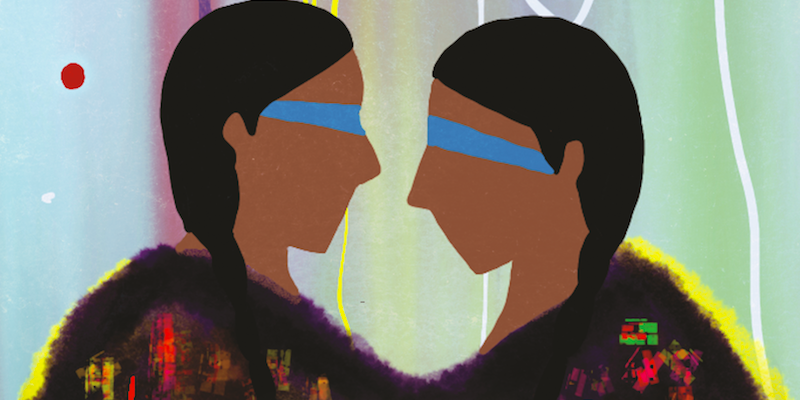
Intimate social and sexual relationships in Quechan society also included kwe’rhame and elxa’ people. Male-bodied Quechans who took on women’s social roles and wore female clothing were known as kwe’rhame. Female-bodied people who assumed male social roles and dressed like men were known as elxa’. For both kwe’rhame and elxa’ people, the adoption of these identities in a Quechan ranchería was as much a spiritual as a physical experience.
Like scores of Native communities throughout the American West, Quechans placed great importance on dreams. Visions that foretold a person’s future path were viewed as spiritual messages. For people with gender-fluid identities, teenage dreams held particular importance. Dreams awakened young people to their special identity and, particularly for the elxa’, their considerable spiritual powers, which other Quechans both feared and respected.
Reading this Manifesto by Chiara Bottici [1], at the end of 2021, was a breath of fresh air in the panorama of anarchist feminism which is lacking in ideas, let alone building a social movement, in this country.
I do not underestimate, far from it, all the efforts that are made to build a feminist proposal from anarchism, everything is useful and, especially, in these times.
However, we have to recognize how difficult and slow it is to start it: sometimes due to a lack of ideas, also because activism in other fields leaves little time for the creation of solid anarcho(a)feminist groups with continuity over time. and, finally, often because confrontations dominate the feminist and anarchist space and time and energy are wasted on them.
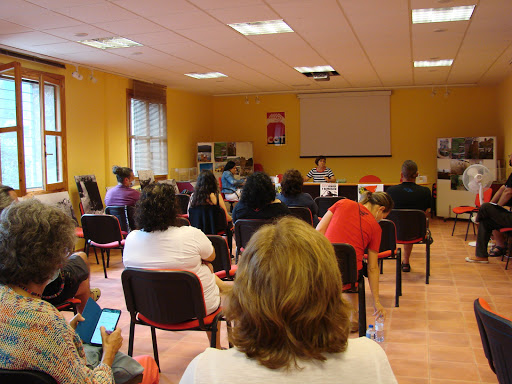
In addition to reading the Manifesto, I attended the conference in Barcelona (March 7, 2022) in which the author synthesized her ideas, which she explains in a book [2] that has just come out and which I am immersed in reading these days. .
Anarchafeminism in Times of COVID with Chiara Bottici… In this talk, I argue that anarchafeminism is a particularly timely form of feminism, because it is able to articulate a feminist position without turning the latter into yet another form of essentialism, or, even worse, white privilege, and that an ontology of the transindividual is the best possible philosophical ally for such a project. The Covid-19 crisis made it quite clear that women are not only at the forefront of care work, but are also those who paid the highest price for the lockdown, since gender violence has dramatically increased since the beginning of the pandemic. But it also made clear that our methodological individualism is largely inadequate, thus pushing us towards a different social ontology.. Presented by Chiara Bottici, Associate Professor of Philosophy and Director of Gender Studies
Why a Manifesto? The need for a Manifesto here and now is given by the existence of gendered bodies that are exploited and dominated throughout the world, not because it is presented as a plan that can be given once and for all and applied in all contexts.
The latter would be in flagrant contradiction to the anarchism that impregnates this Manifesto that must be open and in constant development, as the author proposes.
Why Anarchafeminist? Anarchism means that there is no arché (that there is no law, that there is no single principle that explains the oppression of women) and the anarcho concept is feminized to give visibility to the specifically feminist facet within anarchist theory and practice.
anarchafeminists
Content of the Manifesto (following the idea that the Manifesto is open and in constant development, it should be clear that this is not a summary of the Manifesto, I have made it my own and have chopped it up to my liking).
The author starts from the existence of a global androcracy (political and social supremacy of men). Although patriarchy, which means the law of the male head of the family, has been overthrown in many contexts, the power of men over the “second sex” (a term borrowed from Simone de Beauvoir’s ‘The Second Sex’) [3]) continues through death, the state, capital and the imaginal. Bottici dedicates seven of the nine chapters that make up her Manifesto to these four instruments of androcracy.
Death, the State, Capital and the Imaginal.
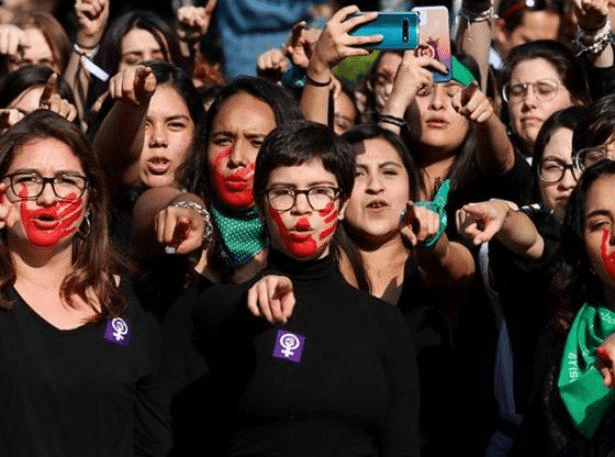
Regarding death (chapter 1), the author points out the existence of an authentic global gendercide against people perceived as women.
“Lucha y represión a las mujeres libertarias” – “Struggle and repression of libertarian women”
The second instrument of androcracy is the State (chapters 2 and 3) and its gender dimension. The State has always been a tool of a minority (where there are hardly any women) that governs the majority.
Capital (chapter 4) is the third instrument of androcracy, it needs the gender division of labor, in this way it can achieve the extraction of surplus value from productive salaried work and also from unpaid reproductive work.
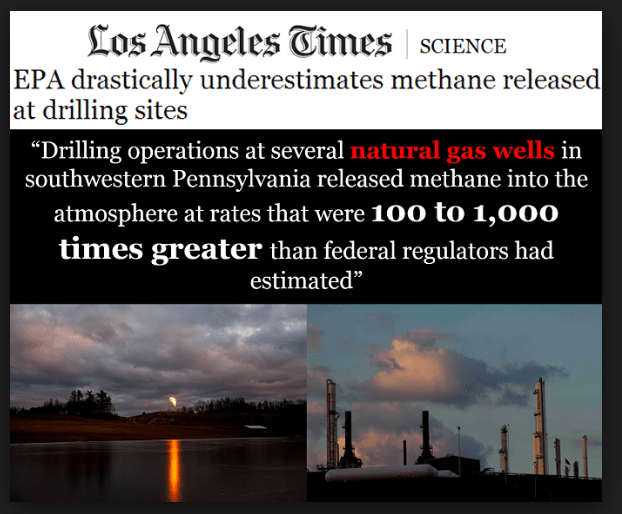
Methane emissions rose by a record amount last year, making the biggest jump since the National Oceanic and Atmospheric Administration began monitoring them 40 years ago. Carbon dioxide emissions also climbed at a historically high rate for the 10th straight year.
Adopted as part of regime-change operation, sanctions have killed at least 40,000 Venezuelans.
Economic coercive measures, commonly known as economic sanctions, are a means of coercive pressure through disruption of trade relations and economic isolation. The use of sanctions under international law is governed chiefly by Chapter VII of the United Nations Charter, providing that the Security Council may decide to enact a “complete or partial interruption of economic relations” in order to restore international peace and security.







 [Source:
  The Free