
By Lorena Cotza & Ouafa Haddioui, at MASSolidarity.org via thefreeonline Aug 2022
‘Who Will Feed Us?’, small-scale producers provide food to 70% of the world, while using only 25% of the resources.
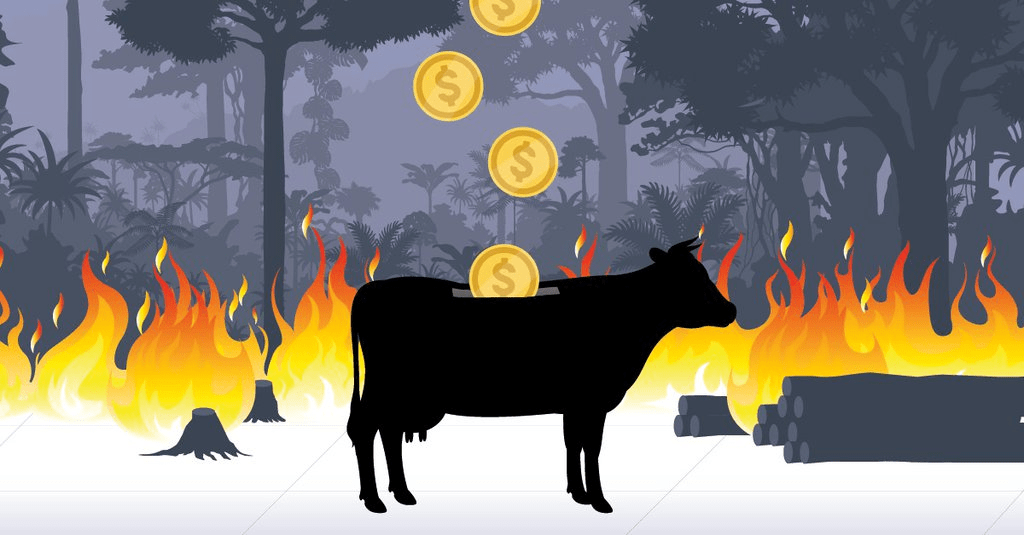
Originally posted on OpenDemocracy, Article also available in Portuguese
Public finance has a key role to play in agriculture. Instead of propping up corporate interests, it should learn from local producers
In 2017, the people of Zagora, Morocco, took to the streets in what became known as the ‘thirst revolution’.
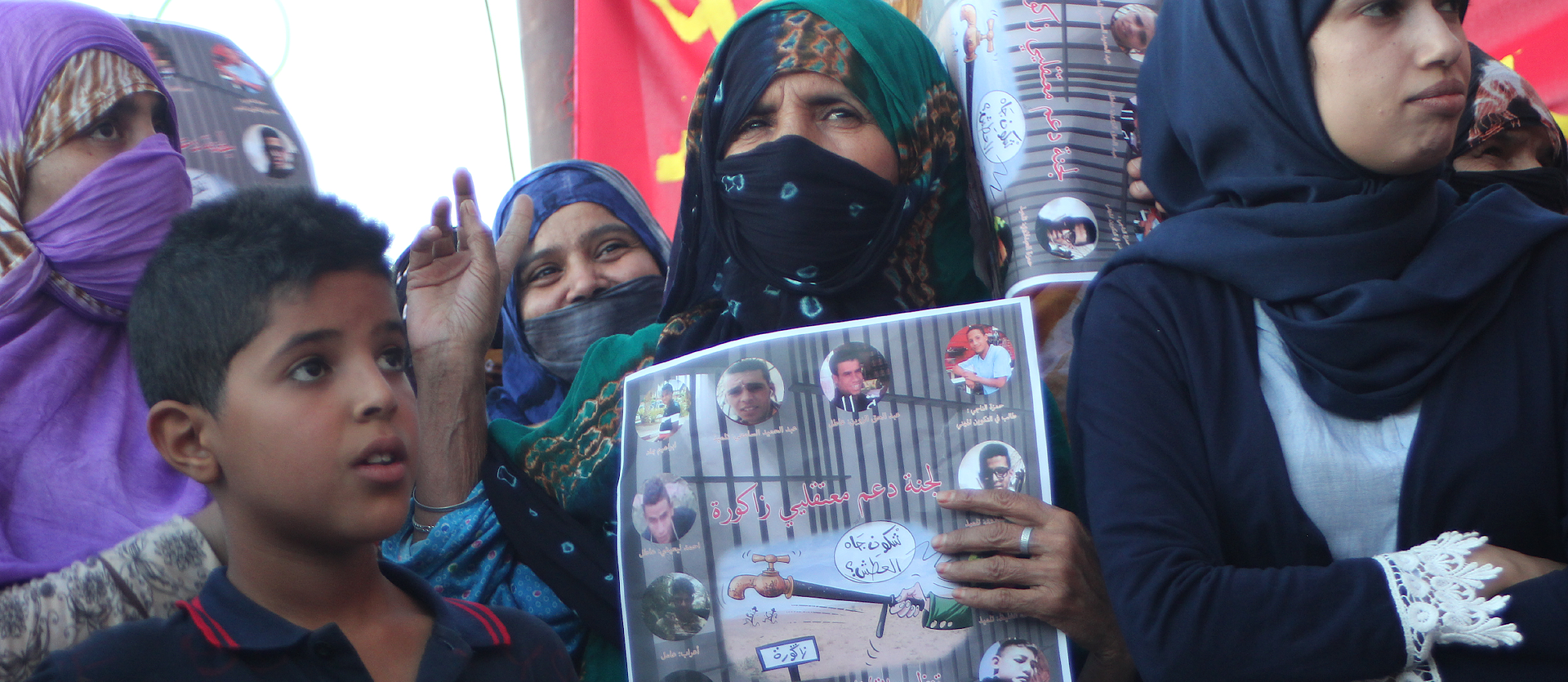
They were demanding safe drinking water and an end to the excessive use of water by big agricultural companies.
In an already arid area, experiencing frequent droughts and heatwaves due to climate change, much of the available water supply was being used to grow watermelons for export to Europe. Residents had been left with an insufficient, unreliable and undrinkable supply. Twenty-three of the demonstrators were arrested.
In Morocco, irrigation for agriculture consumes almost 90% of the annual available fresh water. This intense extraction dates back to the colonial period, when the French authorities replaced the khettara – a traditional irrigation system developed and managed by local communities – with water-intensive structures that allow production to fulfil the demand of European markets.

Agriculture now constitutes almost 15% of Morocco’s GDP. The industry receives substantial support from public development banks such as the African Development Bank and the World Bank. Both banks supported the 2008 Green Morocco Plan, which aimed to “fully exploit the agricultural potential of the country”.
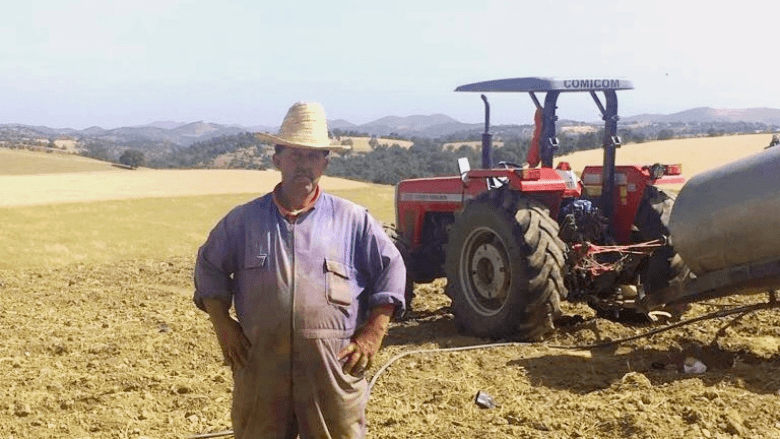
 World Bank Involvement in the Agricultural Sector in Morocco
The plan favoured export-oriented crops with high water requirements, such as watermelons, tomatoes and citrus fruits.
Morocco’s water crisis is not an isolated case. All around the world, water scarcity and food crises are being caused by the man-made disasters of climate change, colonialism, and an extractive economic model – pushed by governments, private companies and development finance institutions – that boosts productivity at any cost and disregards the rights of local communities.

Escalated by the pandemic and the subsequent global economic crisis, water and food shortages have reached unprecedented levels in dozens of countries, with small-scale producers – especially women – disproportionately affected.
Continue reading “World Food Systems are in Crisis, and Big Agribusiness is at its Heart“









 The Free