
from thefreeonline on July 13, 2023 by EDITORIAL TEAM at Prensa Bolivariana
Labor trafficking is a serious problem in Canada, especially for migrant and seasonal workers as they are at greater risk due to precarious immigration status, isolation and language barriers. (Of course all of us are Wage Slaves under predator Capitalism and need solidarity and horizontal Unions to force bosses to give our Labor Rights).

“That is why we started a campaign to reach migrant workers directly, in English, Spanish and French, and connect with what they experience on a daily basis.
Migrant workers often face a language barrier that does not allow them to express their situation to the authorities or their employer coerces them with threats of deportation if they do not comply with their employers’ requests,” the professional highlighted.
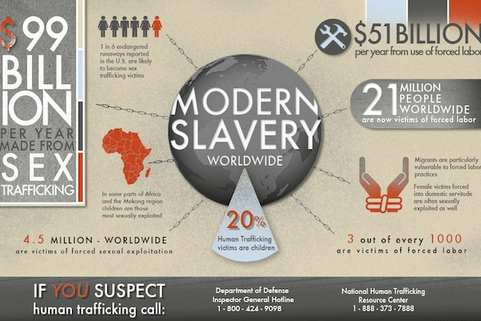
The history of Canadian slavery goes back 400 years, except we’re blind …

While many workers are treated well with fair wages, safe housing and working conditions, many more are not.
Living in substandard accommodation with health and safety problems; perform work outside the contract; withholding or reduction of salary; or even receiving threats of deportation are some of the problems faced by temporary workers and newcomers to Canada.
Unthinkable conditions for the 21st century and much more in a multicultural country.

Migrant workers plant strawberries on a farm in Mirabel, Que.,
Migrant workers need better access to correct information. They tend to be unaware of their rights, they don’t know who to trust or where to go for help; All of this creates significant obstacles that must be overcome.
Unfortunately, it can be difficult to reach temporary and migrant workers, since most of the information is passed through their employers or government agencies and is not in their native language.
Julia Drydyk, executive director of the Canadian Center to End Human Trafficking, explained to Canada Post that while anyone can be a victim of labor trafficking, in Canada it largely affects those in the agricultural sector.

Drydyk noted that while labor trafficking is a major problem in Canada, new research reveals that many Canadians are unaware of the realities or how to make a difference.
“More than half of Canadians (55%) don’t believe or don’t know that labor trafficking is a major problem in Canada. 85% of those surveyed believe that migrant workers come to the country in search of better living and working conditions and 93% support the fair treatment of migrant workers, although the majority do not know how to make a difference”, she detailed. .
There are some telling alerts to watch out for. Canadians or Latin Americans can call the Canadian Human Trafficking Hotline if you or someone you know:
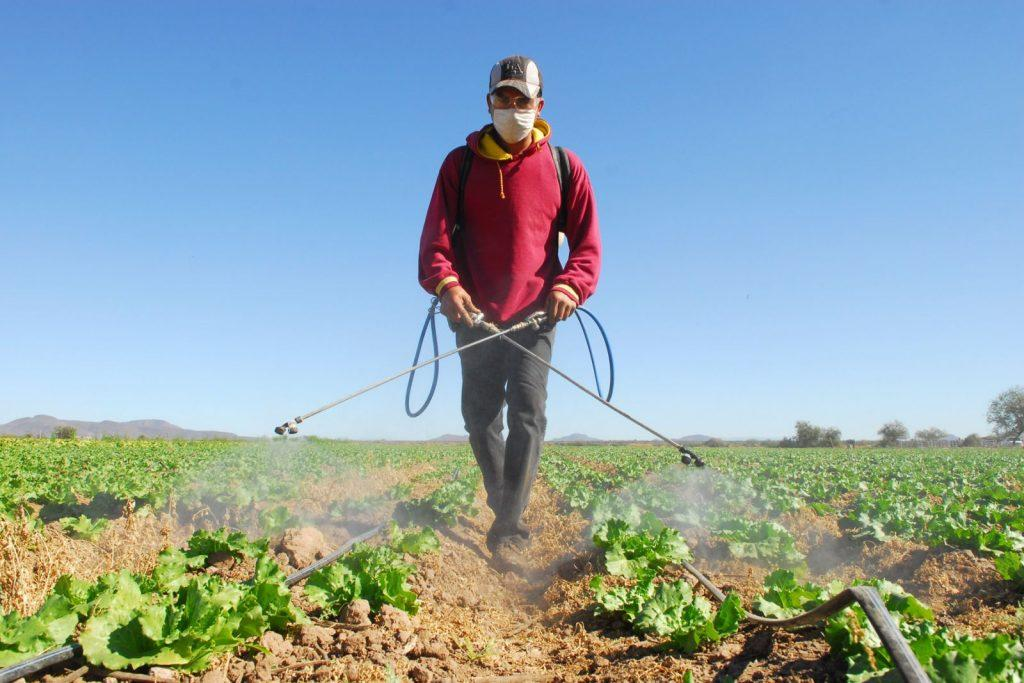
- Are being controlled by others and escorted at all times
- Have their passport and identity documents confiscated by an employer
- Is afraid or intimidated through facial expressions or body language
- Has bruises or other signs of physical abuse, including malnutrition
- Lack basic medical services or are denied services by an employer
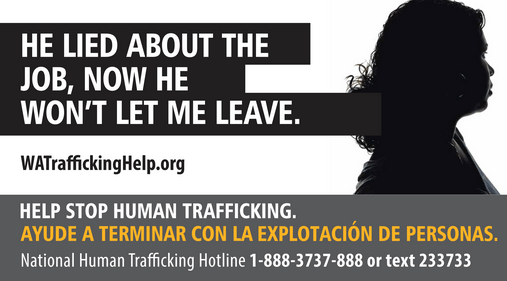
Everyone can help end labor trafficking in Canada. Canada Post joins the campaign of the Canadian Center to End Human Trafficking this week, and we recommend that everyone take action on this issue:
- Get informed
- Know the signs
- Speak up and call the Canadian Human Trafficking Hotline at 1-833-900-1010.
The Canadian Center to End Human Trafficking is a national charity dedicated to ending all forms of human trafficking in Canada. In 2019, the organization launched the Canadian Human Trafficking Hotline, a multilingual service available by phone, chat, web form and email.

The Center also works as the national umbrella organization dedicated to this problem, works with governments, companies and service providers to facilitate collaboration, identify best practices and promote changes to end trafficking in our country.
- AnalysisWhat does it mean to call Canada’s treatment of Indigenous women a ‘genocide’?
- For more information about the Center, visit http://www.canadiancentretoendhumantrafficking.ca
The Hotline
In 2019, the Center launched the Canadian Human Trafficking Hotline, a 24/7 confidential, multilingual service that can be accessed by phone, chat, web form and email. The hotline connects victims and survivors with social services, law enforcement, and emergency services. The public can also call to the hotline to share tips on human trafficking.
The hotline is anonymous, works 365 days a year and offers services in more than 200 languages. It is independent of law enforcement and government authorities, and is associated with more than 900 service providers across the country, allowing callers to connect with services located.
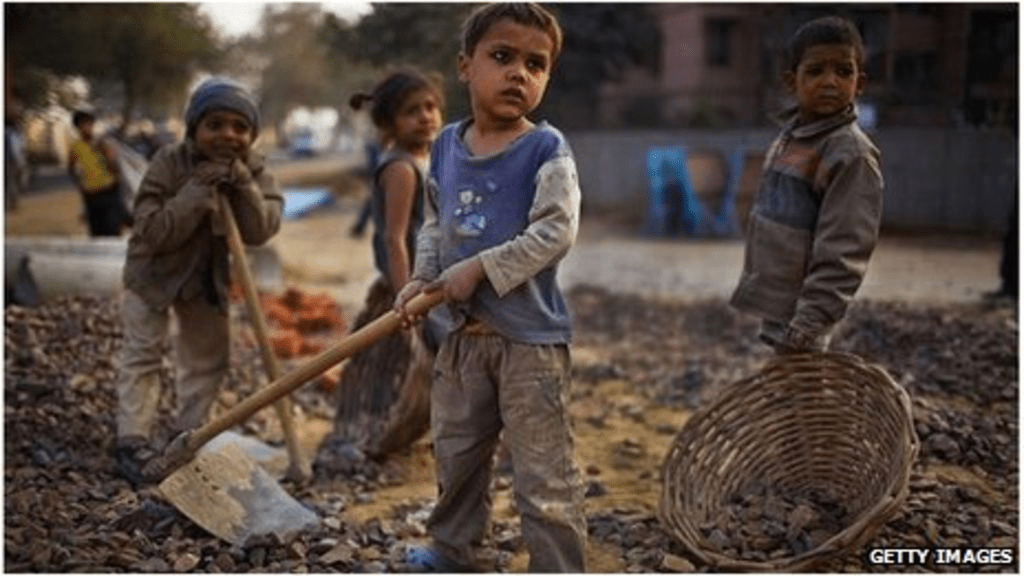
US trafficking report reveals ‘modern slavery’ toll –
La trata laboral: un flagelo que afecta a la comunidad latinoamericana
Fecha: julio 6, 2023Autor/a: prensabolivariana 0 Comentarios
Por EQUIPO EDITORIAL| CORREO | julio 6, 2023
La trata laboral es un problema grave en Canadá, especialmente para los trabajadores migrantes y tenporales ya que corren un mayor riesgo debido a la precariedad de su estatus migratorio, el aislamiento y
las barreras lingüísticas. Aunque muchos trabajadores reciben un buen trato con salarios justos, alojamiento y condiciones de trabajo seguros, muchos más no corren con la misma suerte.

What is Labour Trafficking? | The Canadian Human Trafficking Hotline
Habitar en alojamientos deficientes con problemas sanitarios y de seguridad; realizar trabajos fuera del contrato; retención o reducción del sueldo; o incluso recibir amenazas de deportación son algunos problemas que enfrentan los trabajadores temporales y recién llegados a Canadá. Condiciones impensables para el siglo XXI y mucho más en un país multicultural.
Los trabajadores migrantes necesitan un mejor acceso a información correcta. Suelen desconocer sus derechos, no saben en quién confiar o a dónde acudir en busca de ayuda; todo ello genera obstáculos importantes que hay que superar. Desgraciadamente, puede ser difícil llegar a los trabajadores temporales y migrantes, ya que la mayor parte de la información se transmite a través de sus empleadores o agencias gubernamentales y no está en su lengua materna.

Modern slavery: Labor trafficking is everywhere and nowhere – CSMonitor.com
Julia Drydyk, directora ejecutiva de el Centro Canadiense para erradicar la Trata de Personas, explicó a Correo Canadiense que si bien cualquier persona puede ser víctima de la trata laboral, en Canadá esta afecta en gran medida a quienes se encuentran en el sector agrícola.
“Es por eso que iniciamos una campaña para llegar directamente a los trabajadores migrantes, en inglés, español y francés, y conectarnos con lo que viven a diario. A menudo, los trabajadores migrantes enfrentan una barrera del idioma que no les permite expresar su situación a las autoridades o su empleador los coacciona con amenazas de deportación si no cumplen con las solicitudes de sus empleadores”, resaltó la profesional.

Drydyk señaló que aunque el tráfico laboral es un problema importante en Canadá, una nueva investigación revela que muchos canadienses desconocen las realidades o cómo hacer la diferencia.
“Más de la mitad de los canadienses (55 %) no creen o no saben que la trata laboral es un problema importante en Canadá. El 85 % de los encuestados cree que los trabajadores migrantes vienen al país en busca de mejores condiciones de vida y de trabajo y un 93 % apoya el trato justo de los trabajadores migrantes, aunque la mayoría no sabe cómo hacer la diferencia”, detalló.
Hay algunas alertas reveladoras de las que hay que estar atento. Canadienses o latinoamericanos pueden llamar a la línea directa canadiense contra la trata de personas si usted o alguien que conoce:
• Están siendo controlados por otros y escoltados en todo momento
• Tienen su pasaporte y documentos de identidad confiscados por un empleador
• Tiene miedo o sufre de intimidación a través de expresiones faciales o lenguaje corporal
• Tiene moretones u otros signos de abuso físico, incluida la desnutrición
• Carecen de servicios médicos básicos o un empleador les niega los servicios
Todos pueden ayudar a poner fin al tráfico laboral en Canadá. Correo Canadiense se suma esta semana la campaña del Centro Canadiense para erradicar la Trata de Personas, y recomendamos que todos tomen medidas sobre este tema:
1. Informarse
2. Conozca las señales
3. Alce la voz y llame a la línea directa canadiense contra la trata de personas al 1-833-900-1010.

The Canadian Centre to End Human Trafficking es una organización benéfica nacional dedicada a acabar con todos los tipos de trata de personas en Canadá. En 2019, la organización lanzó la Línea directa canadiense contra la trata de personas, un servicio multilingüe disponible por teléfono, chat, formulario web y correo electrónico. El Centro también funciona como la organización nacional central dedicada a esta problemática, trabaja con gobiernos, empresas y proveedores de servicios
para facilitar la colaboración, identificar mejores prácticas e impulsar cambios para acabar con la trata en nuestro país.
Para más información sobre el Centro, visite http://www.canadiancentretoendhumantrafficking.ca

En 2019, el Centro lanzó la Línea directa canadiense contra la trata de personas, un servicio multilingüe, confidencial y disponible 24/7 al que se puede acceder por teléfono, chat, formulario web y correo electrónico. La línea directa conecta a víctimas y sobrevivientes con servicios sociales, fuerzas del orden público y servicios de emergencia. El público también puede llamar
a la línea directa para compartir consejos sobre la trata de personas. La línea directa es anónima, funciona los 365 días del año y ofrece servicios en más de 200
idiomas. Es independiente de autoridades policiales y gobierno, y está asociada con más de 900

proveedores de servicios en todo el país, permitiendo a quienes llaman conectarse con servicios localizados.
Libertad de Expresión

Bolivarian press
Freedom of expression

 The Free
