

Crane Valley Hotshots set a back fire as the York fire burns in the Mojave National Preserve on July 30, 2023
Scientists warn the planet will cross the 1.5 degrees threshold this decade, much earlier than the IPCC fears. The trend is clear, and so are the actions needed.
Reposted from Common Dreams via thefreeonline
Another year and another UN climate change conference. As our ‘world leaders’ prepare for two air-conditioned weeks of wrangling at COP28 in Dubai later this month, forgive us for sounding underwhelmed, despairing, and even cynical about these annual jamborees where actions rarely match promises.
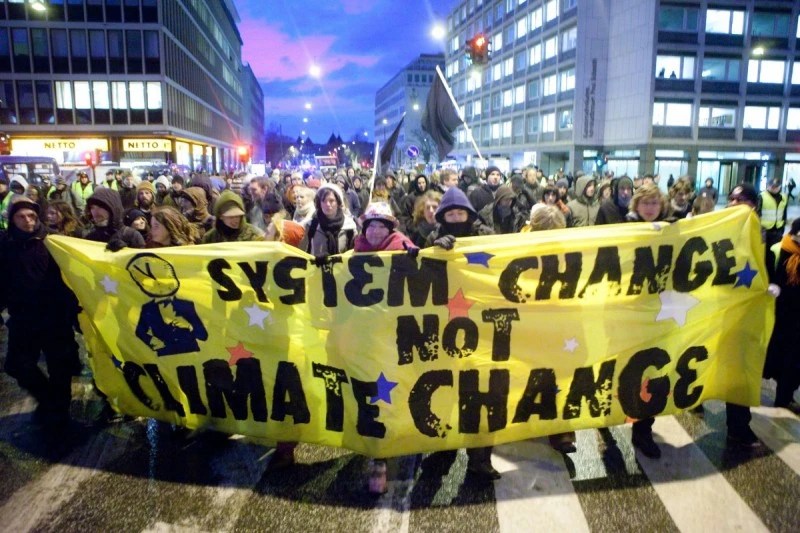
Some context: 2023 is almost certain to be the hottest year for Earth for some 125,000 years, and it has already seen devastating storms, floods, extreme drought, and wildfires. September and October set shocking records for monthly global temperature highs.
Earth’s systems are flashing warning signals. Immense carbon sinks in peatlands and tropical wetlands show signs of morphing instead into sources of greenhouse gas emissions; the melting of Antarctic Sea ice has accelerated; the Arctic risks total loss of late summer sea ice in the next decade; drought and deforestation in the Amazon could turn rainforest to savannah.
This year’s Conference of the Parties (COP) comes mid-way between the landmark 2015 Paris Agreement and the 2030 interim target of reducing greenhouse gas emissions by 45 percent from 2010 levels to reach net zero emissions by 2050 and thus keep global temperature increases within 1.5 degrees Celsius of pre-industrial levels.
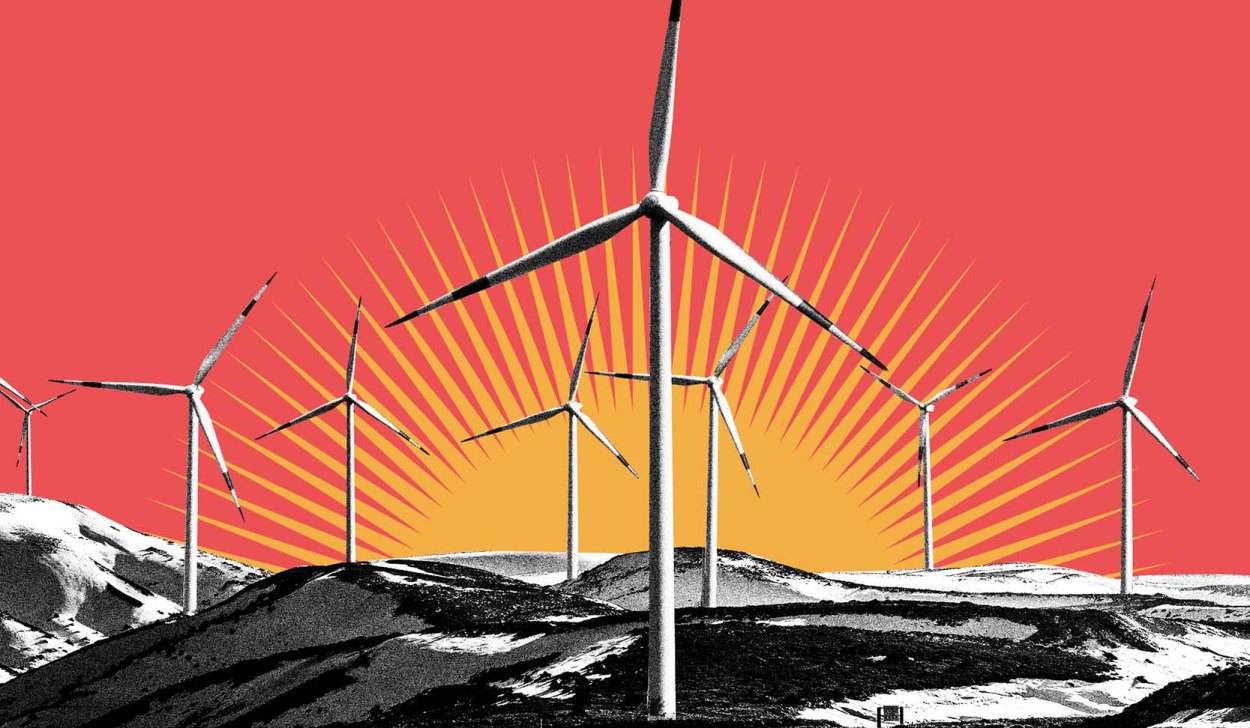
But we are way off target. Based on national commitments made by governments worldwide, we are still heading towards a sizeable increase in emissions by 2030 compared to 2010.
A roadmap to accelerate climate action is desperately needed at COP28. But instead of phasing out fossil fuels – by far the major source of emissions – big and wealthy nations are, in the words of UN Secretary General António Guterres, “literally doubling down on fossil fuel production.”
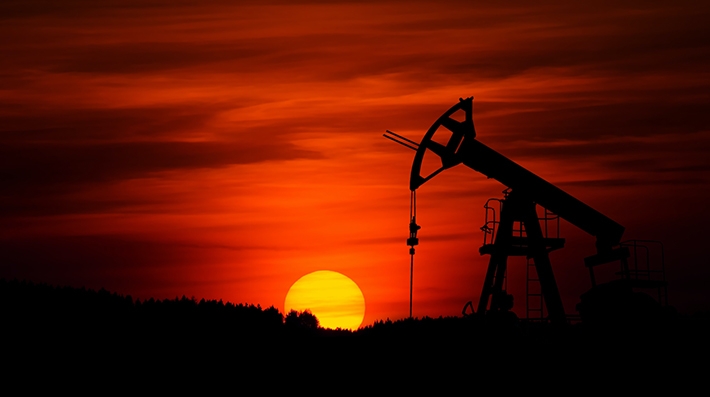
In aggregate, according to the UN-led 2023 Production Gap Report, governments still plan to produce more than double the amount of fossil fuels in 2030 than would be consistent with limiting warming to 1.5 degrees C.
The report names the top 10 countries responsible for the largest carbon emissions from planned production: India for coal, Saudi Arabia for oil, and Russia for coal, oil, and gas. Major oil producers with big plans also include the US and Canada.
The United Arab Emirates is the host of COP28, due to start on November 30, and is presided over by Sultan Ahmed Al Jaber, UAE industry and advanced technology minister and group CEO of the Abu Dhabi National Oil Company.
Of course, producers would not produce without customers. China, the world’s largest emitter of greenhouse gases, approved the equivalent of two new large coal plants a week in 2022.
So, have we humans already pushed the planet to the point of no return, to a stage of cascading negative feedback loops already triggering a sixth mass extinction of species, the last being 65 million years ago when the dinosaurs were wiped out?
Perhaps not yet… quite… but maybe soon.
Continue reading “Earth’s Warning Systems Are Flashing Bright Red, But Leaders Refuse to Listen / by Farhana Haque Rahman”


 The Free