
Declining Britain promotes looting Africa via its companies and inherited colonial wealth centered on the lawless City of London and its web of Tax ‘Havens’-robbing both Africa and British people-
from thefreeonline / https://wp.me/pIJl9-DVG on 21st sept´24 by Curtis Research ( on Telegram: t.me/thefreeonline )

This report reveals the degree to which British companies now control Africa’s key mineral resources.
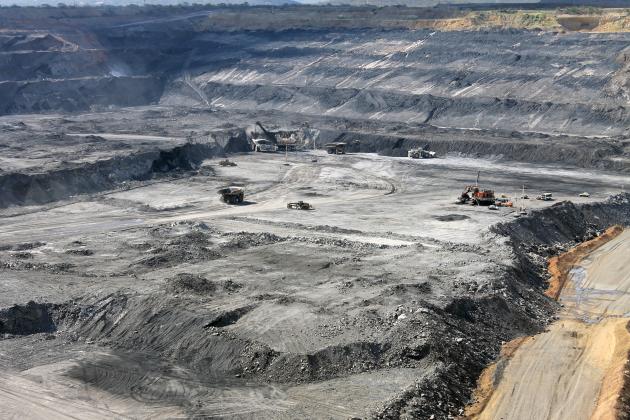
It reviews the operations of all the companies listed on the London Stock Exchange (LSE) that have mining interests in Africa, focusing on key minerals and metals such as gold, platinum, diamonds, copper, oil, gas and coal.
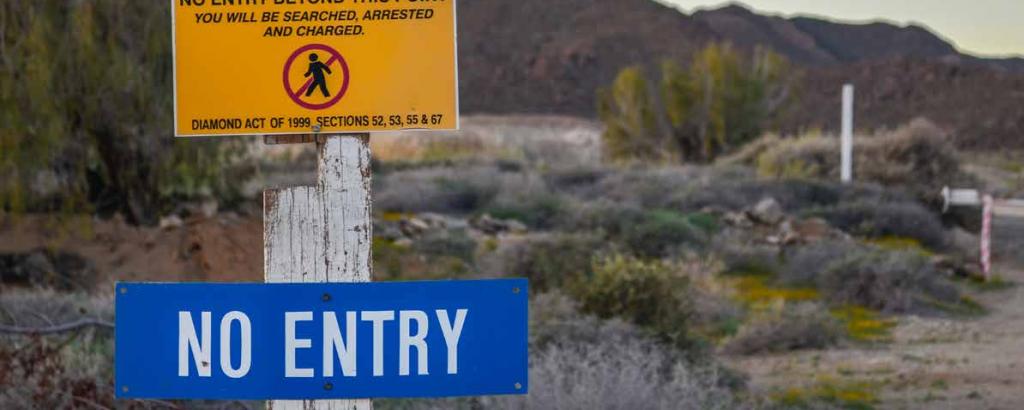
https://waronwant.org › resources › new-colonialism-brit…
It finds that 101 companies have mining operations in 37 sub-Saharan African countries. These companies, which are mainly British, now control an identified $1.05 trillion worth of resources in Africa in just five commodities — oil, gold, diamonds, coal and platinum.
Of the 101 LSE-listed companies, one quarter are incorporated in tax havens. A determination to plunder the natural resources of Africa is taking place, with the active support of the British government; this is contributing significantly to a net drain of resources from Africa, already the world’s poorest continent.
In terms of amounts of land, the African country that has assigned the most land to the UK is Sierra Leone, with 692,606 ha, which hosts the two largest British investments: Whitestone Charles Anderson, with 525,000 ha, and the SLGreen Oil Corporation, with 121,406 hectares.

Cruel Britannia: A Secret History of Torture – amazon.comDrawing on previously unseen official documents, and the accounts of witnesses, victims and experts, prize-winning investigative journalist Ian Cobain looks beyond the cover-ups and the equivocations, to get to the truth. From WWII to the War on Terror, via Kenya and Northern Ireland, Cruel Britannia shows…. Cruel Britannia is a real eye-opener, tracing the deployment of torture by British forces since WWII all the way to the Iraq War and contemporary times. Cobain proves through the testaments of witnesses, victims and de-classified documents that torture have been used systematically and ruthlessly in times….
Britain’s New African Empire
By Mark Curtis
We need to radically rethink the notion that Britain is helping Africa to develop. The UK’s large aid programme is, among other things, being used to promote African policies from which British corporations will further profit.
British policy in Africa, and indeed that of African elites, needs to be challenged and substantially changed if we are serious about promoting long term economic development on the continent.
Companies listed on the London Stock Exchange control over $1trillion worth of Africa’s resources in just five commodities – oil, gold, diamonds, coal and platinum.
My research for the NGO, War on Want, which has just been published, reveals that 101 companies, most of them British, control $305billion worth of platinum, $276billion worth of oil and $216billion worth of coal at current market prices.

The ‘Scramble for Africa’ is proceeding apace, with the result that African governments have largely handed over their treasure.
Tanzania’s gold, Zambia’s copper, South Africa’s platinum and coal and Botswana’s diamonds are all dominated by London-listed companies.
They have mines or mineral licences in 37 African countries and control vast swathes of Africa’s land: their concessions cover a staggering 1.03million square kilometres on the continent.
This is over four times the size of the UK and nearly one twentieth of sub-Saharan Africa’s total land area. China’s resources grabs have been widely vilified but the major foreign takeover of Africa’s natural riches springs from a lot closer to home.

Many African governments depend on mineral resources for revenues, yet the extent of foreign ownership means that most wealth is being extracted along with the minerals. In only a minority of mining operations do African governments have a shareholding.
Company tax payments are minimal due to low tax rates while governments often provide companies with generous incentives such as corporation tax holidays.
Companies are also able to avoid paying taxes by their use of tax havens. Of the 101 London-listed companies, 25 are actually incorporated in tax havens, principally the British Virgin Islands.
It is estimated that Africa loses around $35billion a year in illicit financial flows out of the continent and a further $46billion a year in multinational company profits taken from operations in Africa.
UK companies’ increasingly dominant role in Africa, which is akin to a new colonialism, is being facilitated by British governments, Conservative and Labour alike.
Four policies stand out.
First, Whitehall has long been a fierce advocate of liberalized trade and investment regimes in Africa that provide access to markets for foreign companies. It is largely opposed to African countries putting up regulatory or protectionist barriers to such investment, the sorts of policies where have often been used by successful developers in East Asia.
Second, Britain has been a world leader in advocating low corporate taxes in Africa, including in the extractives sector.
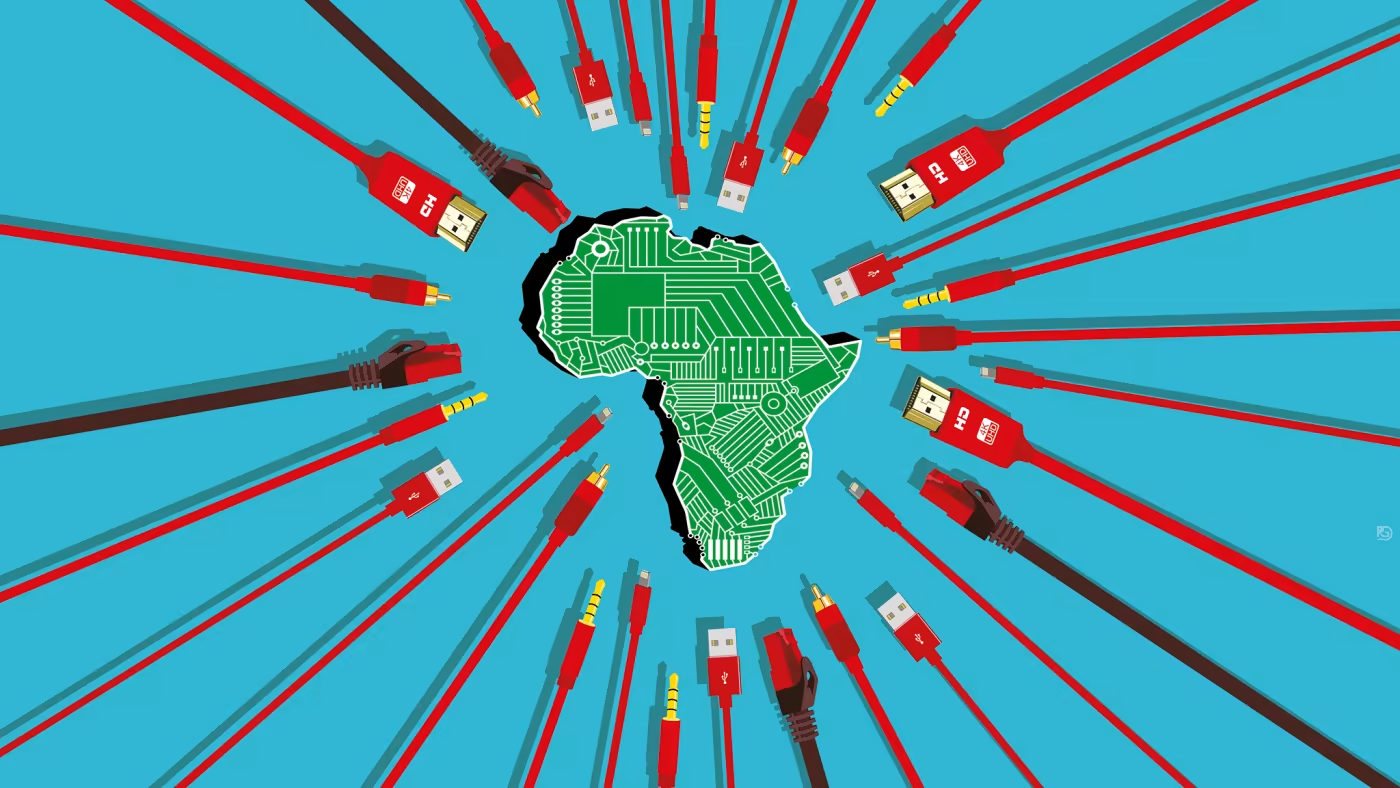
Third, British policy has done nothing to challenge multinational companies using tax havens; indeed the global infrastructure of tax havens is largely a British creation.
Fourth, British governments have constantly espoused only voluntary mechanisms for companies to monitor their human rights impacts; they are opposed to enhancing international legally binding mechanisms to curb abuses.

King Charles III and Queen Camilla view dancers at Fort Jesus the UNESCO World Heritage Site on November 03, 2023 in Mombasa, Kenya. / Samir Hussein / WireImage/ with thanks
The result is that Africa, the world’s poorest continent, is being further impoverished. Recent research calculated, for the first time, all the financial inflows and outflows to and from sub-Saharan Africa to gauge whether Africa is being helped or exploited by the rest of the world.
It found that $134billion flows into the continent each year, mainly in the form of loans, foreign investment and aid. However, $192billion is taken out, mainly in profits made by foreign companies and tax dodging. The result is that Africa suffers a net loss of $58billion a year.
British mining companies and their government backers are contributing to this drainage of wealth.
“On top of this the ‘investment’ is often in the form of IMF and World Bank loans, contingent on lengthy repayment with interest and ideological clauses, often to “agreements to liberalize” cheap selloffs of national companies, institutions and land, as well as ethical edicts to comply with ‘Western Standards’… Although Chinese loans also often require repayment they avoid neo-liberal edicts, penalties and sanctions. … British Investments and Grants are often ‘justified’ at home by showing how they are tied to purchasing UK goods and services”.

We need to radically rethink the notion that Britain is helping Africa to develop. The UK’s large aid programme is, among other things, being used to promote African policies from which British corporations will further profit.
British policy in Africa, and indeed that of African elites, needs to be challenged and substantially changed if we are serious about promoting long term economic development on the continent.
Tech companies Africa’s new colonialists?
“2023 report// We have significantly reduced our losses and cash utilization, securing a liquidity position that we believe enables us to work on fundamental, long-term improvements to grow our core business.”https://www.ft.com/content/4625d9b8-9c16-11e9-b8ce-8b459ed04726

Many Western exploiters have put their faith in “leapfrogging”, the idea that Africa can escape its poverty and colonial heritage by skipping whole stages of development.
The biggest example of that has been Africa’s jump straight to mobile phones, almost entirely bypassing fixed-line technology.

Behind such hopes, however, lies a familiar neo colonial fraud over ownership and control. Big Tech, far from being a liberating force, turns out instead to be a new kind of colonialist
Cruel Britannia—the bloody truth about the British Empire
Far from helping Africa, says Enonchong, Jumia and companies like it are throttling Africa’s homegrown tech industry at birth. That is because of what its critics say is the great unspoken advantage of such companies: their access to capital and inherited ownership and control of institutions.

A 2018 study of start-ups in east Africa confirmed that 90 per cent of profits had gone to foreign founders.
“Blackwashing”
Many African entrepreneurs complain that foreign companies use a false African identity as a marketing tool, raising capital on the basis that they are “doing good” through “impact investing”, but in the end cashing out like any savvy capitalist.
“Jumia, touted as the “Amazon of Africa”is everything but an African company /2o19.
Jumia, which operates in 14 African countries from Nigeria to Egypt and from Ivory Coast to Kenya, this year became the first entirely Africa-focused e-commerce company to be listed on the prestigious US stock exchange.
There is, however, one problem with the Jumia story. No sooner did the company complete its New York listing than a backlash began. Jumia, say its detractors, is not an African company at all.

Not long after Jumia’s launch, a note from a short-seller at Citron Research knocked hundreds of millions of dollars off the company’s valuation by questioning the validity of some of its claims and even calling the stock “worthless”. Jumia vigorously denied misleading investors
With a combination of online technology and strategic offline infrastructure — including warehouses and fleets of motorbikes — Jumia promised an “expanding African consumer class” the opportunity to have goods delivered directly to their homes.
By 2024 Jumia still exists, but only in 4 or 5 African countries, and narrowly avoiding bankruptcy, due often to lack of basic infrastructure, ignorance of cultural context, and restriction to activities sucking cash to management abroad.
Here is some of the initial Hype:
“Customers are able to order anything from an iPhone or an LED television to a chicken korma at the touch of a screen, bypassing the potholed roads and exhaust-filled traffic jams that characterize many fast-growing African cities”.
“Jumia’s listing had shone a light on what close watchers of Africa had long known: that the continent was buzzing with tech ideas”.
“After the leap to mobile, the story began in earnest a little over a decade ago ( in 2019) in Kenya, with the invention of M-Pesa, a system for transferring small amounts of money by mobile phone”.
“As easily as sending a text message, people in some parts of Africa could in theory transfer money home to relatives in their village or pay for goods or utilities”.
“M-Pesa and dozens variants could be used by hundreds of millions of Africans, many of them otherwise excluded from the formal banking system”.
“Even the poorest can build up a credit history and take out microloans. In the Kenyan capital Nairobi, the ecosystem has given rise to a vibrant tech hub known, almost inevitably, as “Silicon Savannah”.
“Hundreds of companies sprung up around the money transfer network ito offer services such as the renting of solar panels, with customers making ‘micropayments’ by phone”.
“Online pharmacies have been launched, in principle enabling customers to screen for fakes and cut out gouging middlemen. Health apps in Rwanda offer the poorest citizens the prospect of cheap medical consultations driven by AI”..
The UK has been linked to Congo’s ‘conflict minerals’The Guardianhttps://www.theguardian.com › commentisfree › jul › th… Jul 21, 2021 — The country is home to about 60% of the world’s known cobalt reserves, which makes some of Kabila’s corrupt friends in the UK, Gibraltar and …
Sign of the Times: How the ‘United Kingdom’s Integrated Review ‘Affects Relations with Africa.. Feb 22
The UK, with this integrated review, now sets aside the doctrine of cooperation and charity by default in favor of advancing its own interests even more explicitly.
Global Witness uncovers foreign companies’ links to …Global Witnesshttps://www.globalwitness.org › archive › global-witness….. UK-based Afrimex, and Belgium-based Trademet have been buying minerals from the Democratic Republic of Congo (DRC) that are funding armed groups and …
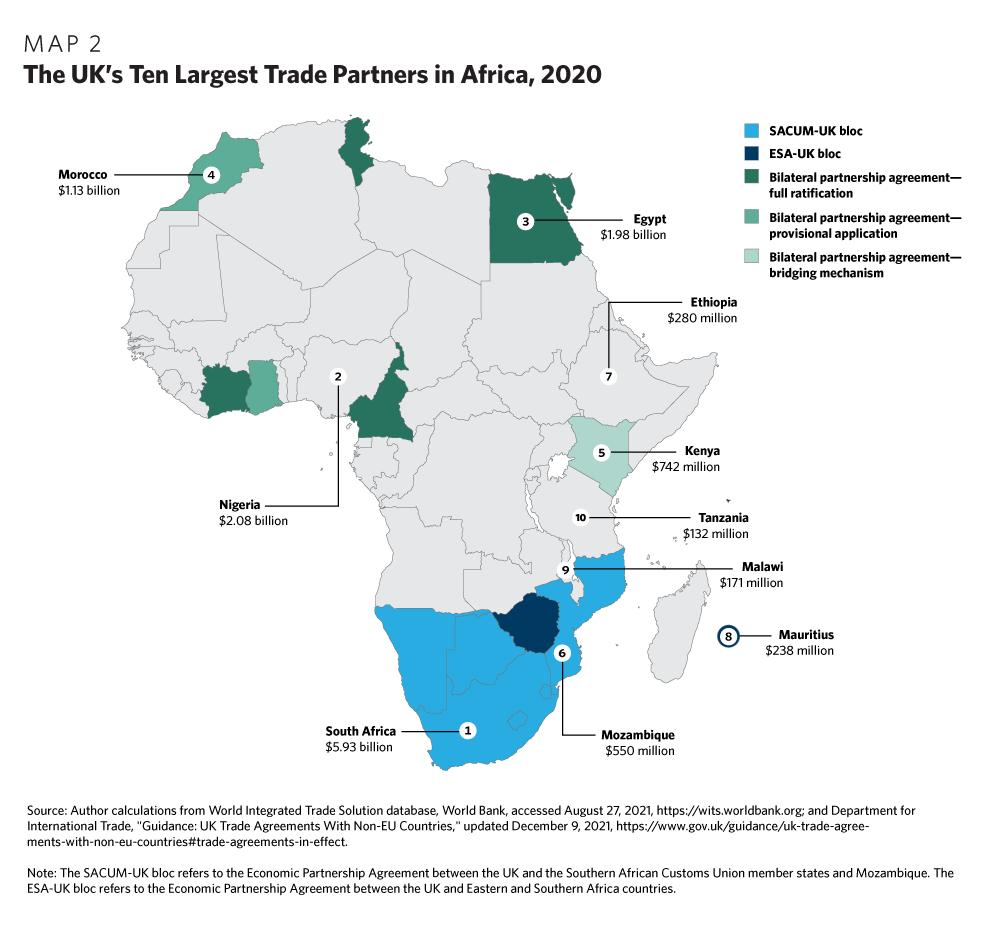
In 2019, net UK foreign direct investment (FDI) flows to Africa reached a decade-high of nearly $14 billion, although nearly 83 percent of UK investment stock in Africa is in the extractive industries of oil, gas, and mining, as well as in financial services.
UK-Africa trade has been declining since it peaked at $43 billion in 2012, down to $14 billion in 2020. The UK is the fourth-largest bilateral donor to Africa, providing $3.9 billion in 2019
African countries could face increasing pressure to shift from somewhat neutral aid recipients and even business partners to “allies” in the UK’s international projection of military might.
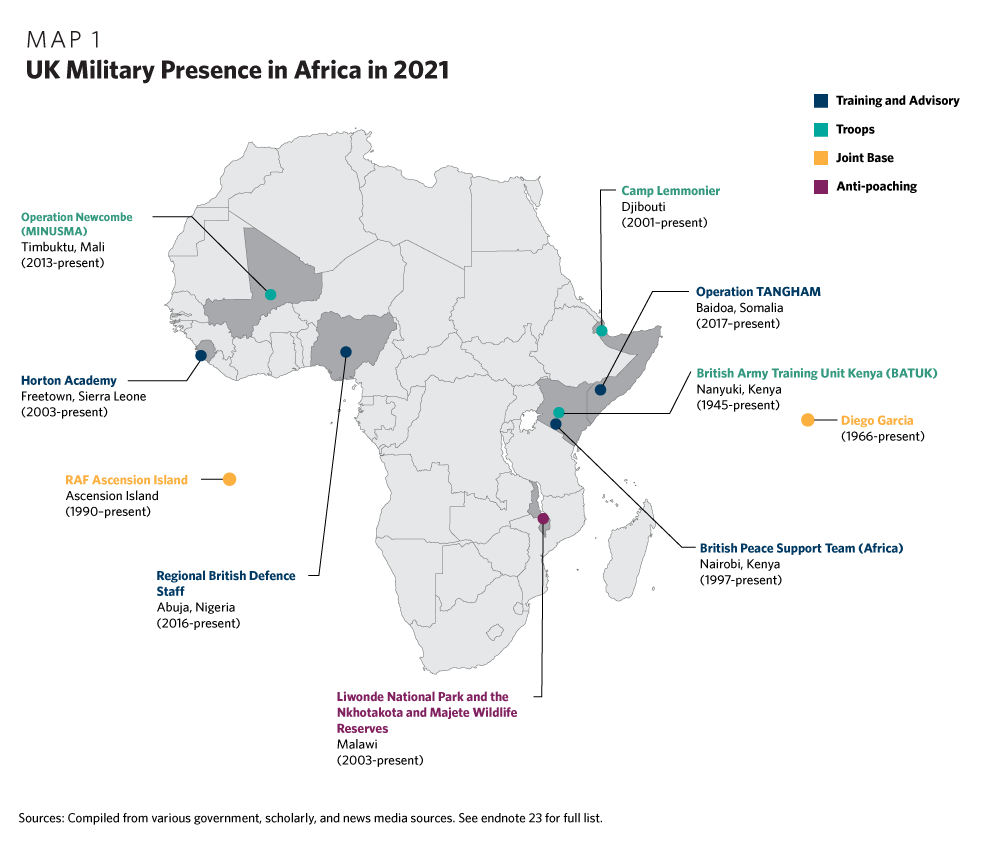
The UK already has a foundation to build upon were it to increase its military presence in Africa; it has military presence or engagement in at least ten countries and territories in Africa (see map 1).23
How will this restated belief in free societies and markets translate into geopolitical relationships? As the UK steps up its resistance to the authoritarian regimes and illiberal attitudes that it associates with global competitors (like China and Russia), African countries should expect greater pressure to respect human rights and civic freedoms.
And as Western donor funding to illiberal regimes comes under more scrutiny, the principles of free and open societies may come to bear on the UK’s economic relations with Ethiopia, Rwanda, Tanzania, and Uganda, among others.18
The power and influence wielded by the UK in global bodies such as the World Bank Group and the WTO could be used to press for the continuation of familiar free-market solutions of the past three decades rather than the innovative public-facing solutions many African countries would favor.
Take as examples the UK’s reticence to lead discussions around debt relief at the G20 or the UK’s resistance to South Africa and India’s WTO proposal for intellectual property waivers on COVID-19 vaccine technologies.19
…UK Engagement in Africa on Critical Minerals Summary: This submission makes the argument that the UK is well placed to benefit from greater engagement with African producers of critical minerals given the …UK Parliamenthttps://committees.parliament.uk › writtenevidence › html……
Projecting Military Might to Deter Adversaries
“We will remain a nuclear-armed power with global reach and integrated military capabilities across all five operational domains. . . . Our diplomacy will be underwritten by the credibility of our deterrent and our ability to project power.” —“Global Britain in a Competitive Age: The Integrated Review of Security, Defence, Development and Foreign Policy,” 7.
This militaristic competition in a multipolar world may exacerbate conflict in hot spots in Africa if global players funnel resources into different parts of the political spectrum on the continent.
Take action today
https://waronwant.org/our-work/climate
Stop corporate courts from destroying the planet- Take action to abolish secret courts before they destroy the planet – Act now!
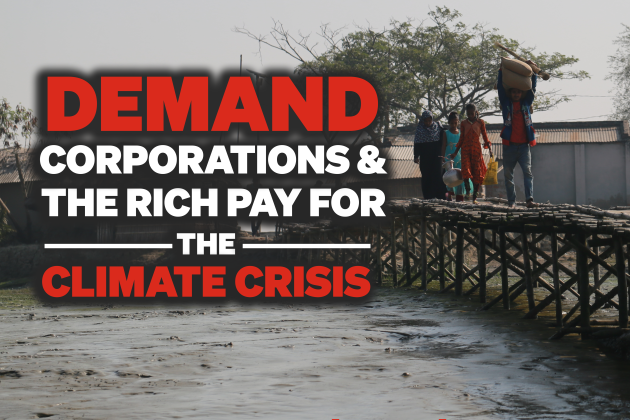
Make corporations and the super-rich pay for the climate crisis – Act now!
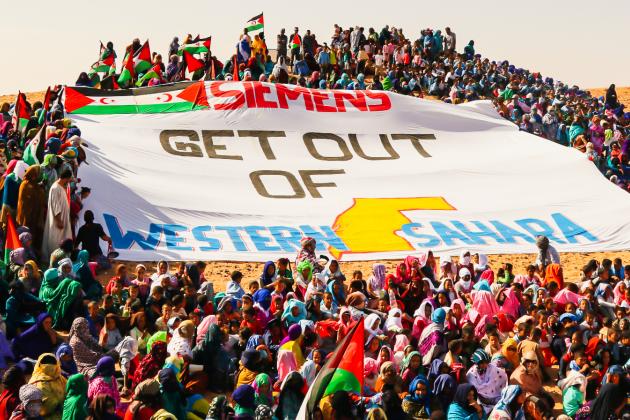
Siemens Gamesa: Stop the plunder Siemens Gamesa are profiting from Morocco’s plunder of illegally occupied land & violent repression of the people of Western Sahara.Act now!
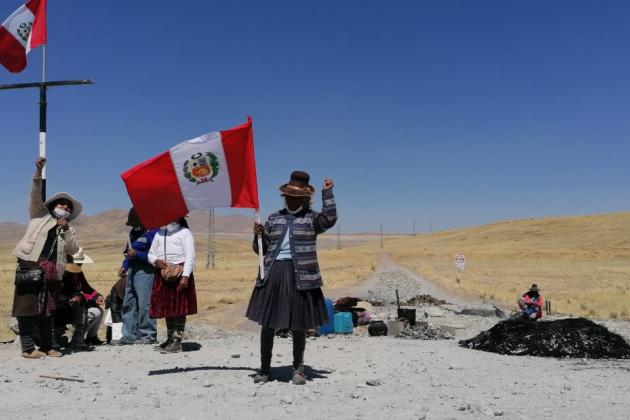
Unmask Glencore’s toxic mining Glencore is getting away with greenwashing its environmental and human rights abuses. Unmask their toxic trade, and call on investors to demand action. ACT NOW!
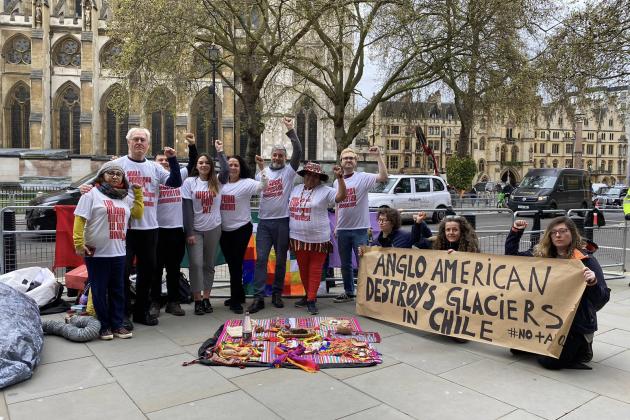
Resist Anglo American’s greenwashing and destruction Stand with Latin American land defenders in their fight for climate justice – Act now!
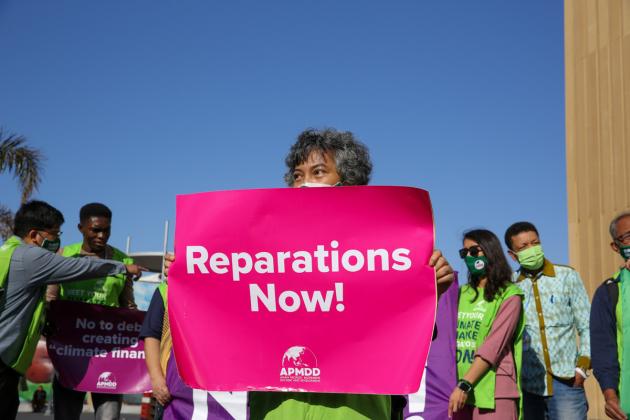
Demand the UK pays climate reparations The UK must take responsibility for its role in fuelling the climate crisisAct now!
Demand a just energy transition for all Tell the UK chancellor we need a justice based transition to ‘clean’ energy Act now!

Join us in calling for a Global Green New Deal Stand with us and reimagine a world where protecting people and the planet come first. Act now!

Rules for corporations, rights for people! Ask your MP to support a UN Binding Treaty on Business and Human Rights Act now!
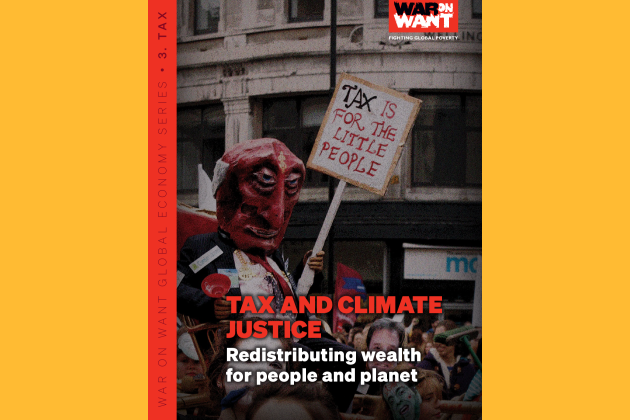
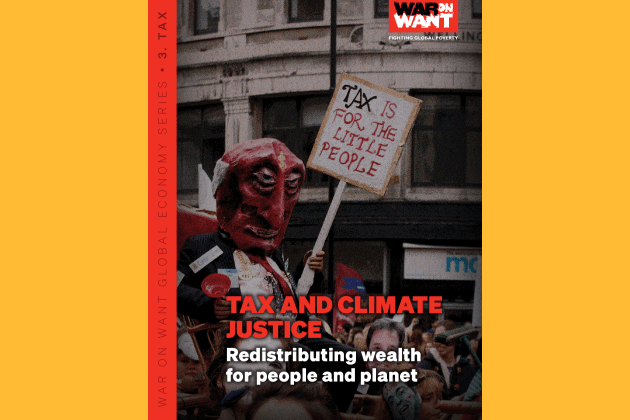
Download report (PDF) Tax and Climate Justice Redistributing wealth for people and planet Download now!

 The Free
One thought on “Cruel Britannia – The New Colonialism: British Regime’s Scramble for Africa’s Energy and Mineral Resources”