Despite being among the most impacted by economic war, women continue to foster a sense of solidarity, care, and hope in humanity.… via thefreeonline at https://wp.me/pIJl9-Gsw Telegram.. https://t.me/thefreeonline/2725
20 March 2025 By Vijay Prashad / Tricontinental: Institute for Social Research The 12th Newsletter (2025) Download PDF Español Português हिन्दी Italiano ไทย … Newsletters
Dear Friends,
Greetings from the desk of Tricontinental: Institute for Social Research.
In 1945, when the United Nations Charter was drafted, its authors and those who first adopted it carefully crafted language on how to deal with armed conflict in the world.
Between the signing of the charter in June and its coming into force in October, the United States dropped atomic bombs on two Japanese cities: Hiroshima, on 6 August, and Nagasaki, on 9 August.
It is hard to digest the fact that as the charter’s solemn preamble was being formalised, setting out to ‘save succeeding generations from the scourge of war, which twice in our lifetime has brought untold sorrow to mankind’, the United States armed forces were preparing to destroy two civilian cities in a country already on the brink of surrender.
Nonetheless, the authors of the charter thought long and hard about the problem of belligerent states and produced Chapter VII, which outlines two approaches to prevent war. The first approach was to use as many non-military methods as possible (Article 41) before the United Nations could authorise violence against a belligerent state (Article 42). .
The charter noted that the UN Security Council (UNSC) ‘may decide’ to call for the ‘complete or partial interruption of economic relations and of rail, sea, air, postal, telegraphic, radio, and other means of communication, and the severance of diplomatic relations’.
The only time that the UNSC has used the full weight of Article 41 has been against the racist government of Southern Rhodesia from 1968 (UNSC Resolution no. 253) to 1979 (UNSC Resolution no. 460), with near full use of the article against Iraq from 1990 to 2003 and Yugoslavia from 1992 to 1995.
How the US and Israel Destroyed Syria and Called it Peace
The most important thing about this resolution is that the use of sanctions (a word that does not appear in the charter) must be authorised by the UNSC. One state can apply its own sanctions on another state in a bilateral dispute, but it cannot legally force other states to abide by them. To do so is a violation of the UN Charter... Unilateral sanctions hurting civilians must be dropped, says UN
The last point is pertinent because the United States currently imposes sanctions (a form of Unilateral Coercive Measures- UCMs) against about forty countries without a UNSC mandate.

US official says Washington ‘will continue sanctions’ on Iran
And these have been increasing: from 2000 to 2021, the last period reviewed by the US Treasury Department, the number of US sanctions increased by a remarkable 933%. The reason why US sanctions, which would be legal if they were merely bilateral, are illegal is that the United States chastises and punishes third countries that violate them and transact normal commerce with sanctioned countries.
Because the United States is at the center of the international financial system (with the dollar, the SWIFT global payments system, and its veto power in the International Monetary Fund), it is able to strangle countries that otherwise would be able to compensate for the loss of trade with the US by trading with the rest of the world.

The use of the word ‘strangle’ is not innocent. It is important to understand how these sanctions work: there are primary sanctions on targeted countries; secondary sanctions on firms or countries that trade with the targeted country; and tertiary sanctions on firms or countries that face secondary sanctions. This is endless.
The gap between these unilateral coercive measures (UCMs) and a war with bombs is certainly great since the latter are far more destructive to the material infrastructure of the target country, yet the essence of the assault is the same: two forms of war, one with the harshness of blockades and the other with the viciousness of bombs. Sometimes people in power openly acknowledge the devastation.
- US Sanctions Are Deadly, Illegal and Ineffective – Truthout
- US Sanctions Are Brutal and Inhumane. And They Don’t Work.
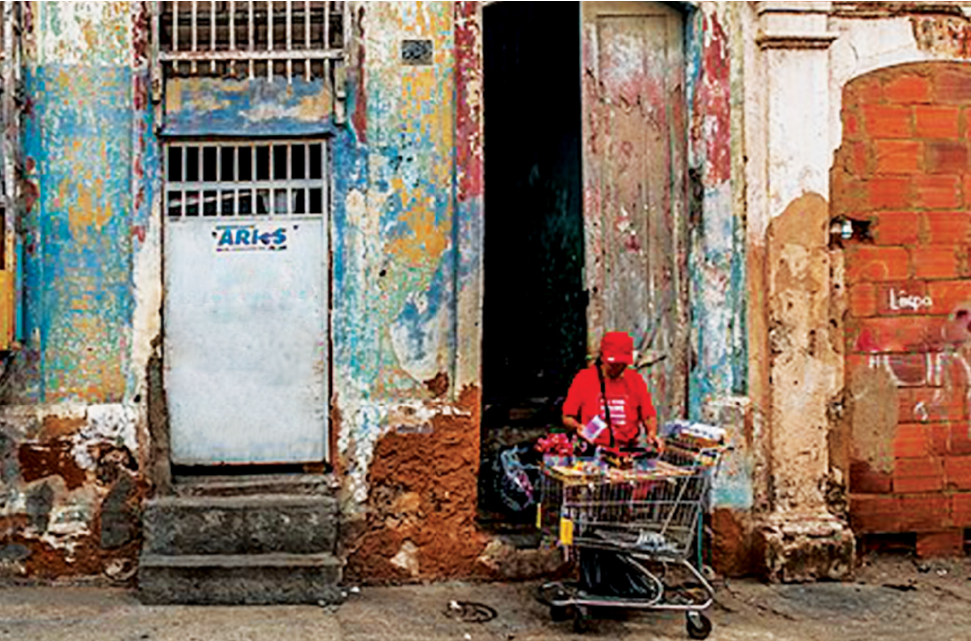
It is what has garrotted Cuba since 1962. Study upon study shows that they hurt the poorest of people in the societies under attack. They are as ‘targeted’ as the ‘smart bombs’ that destroy entire neighbourhoods and wipe out entire families.
When US Secretary of State Mike Pompeo was asked in 2019 by the Associated Press’s Matt Lee about the UCMs imposed on Venezuela, Pompeo replied:
‘The circle is tightening. The humanitarian crisis is increasing by the hour. … You can see the increasing pain and suffering that the Venezuelan people are suffering from’. .. Pompeo
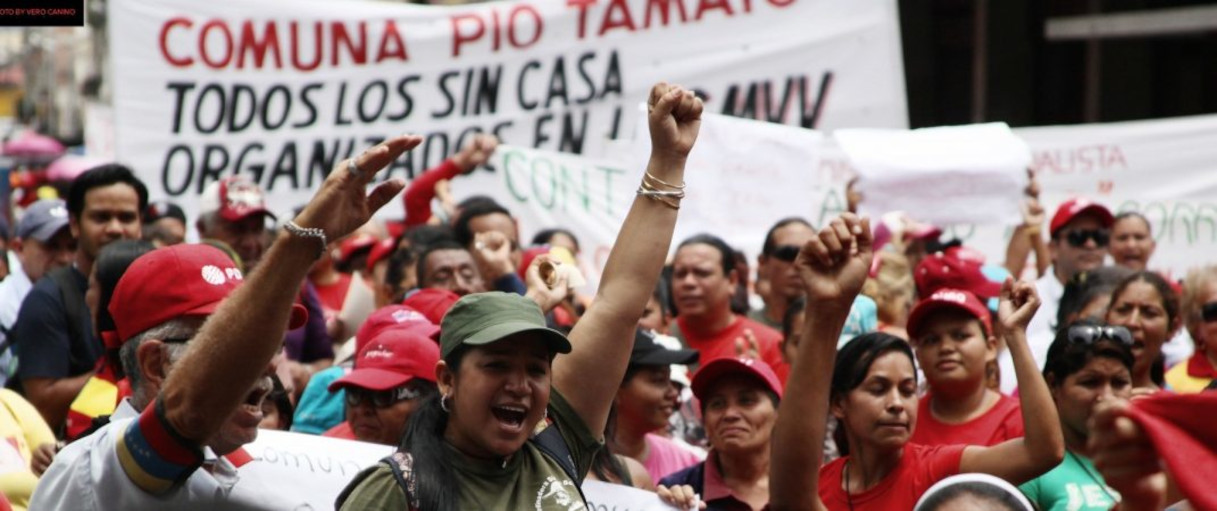
But despite hardship and a repressive police state most Venezuelans survive, due to social solidarity, cheap or free health, education and housing (when available due to the blockade) and a genuine bottom up movement of large production and consumption Communes, hardly ever mentioned in western reporting. see..Long Live the Commune! 1st laws of Communal Power presented to Venezuela parliament – The Free
What do these illegal UCMs do? – They create pain and suffering..
We have ample evidence of the impact of illegal UCMs on society. Since she took up the post in 2020, the UN special rapporteur on the negative impact of unilateral coercive measures on the enjoyment of human rights Alena Douhan has produced an important body of work documenting the effects of UCMs from Syria to Venezuela.
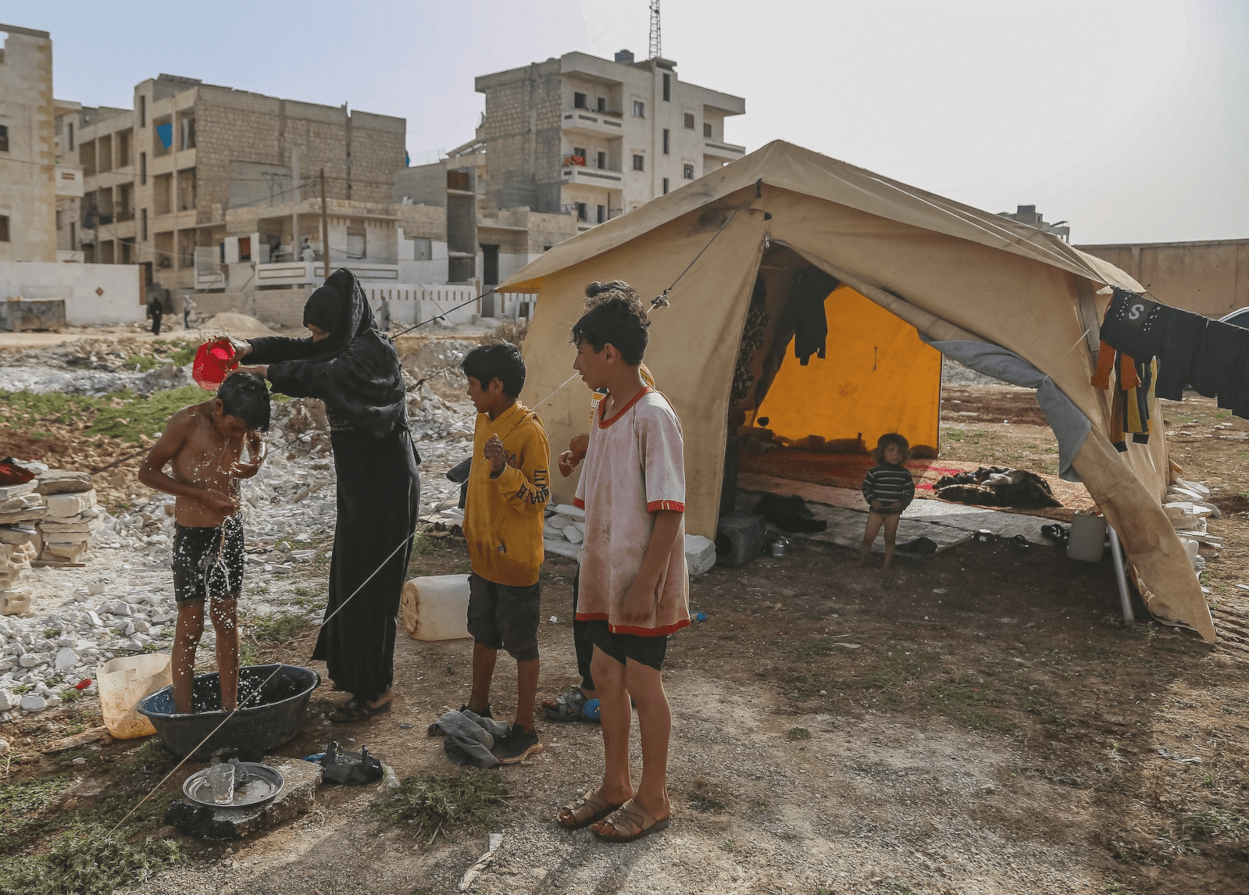
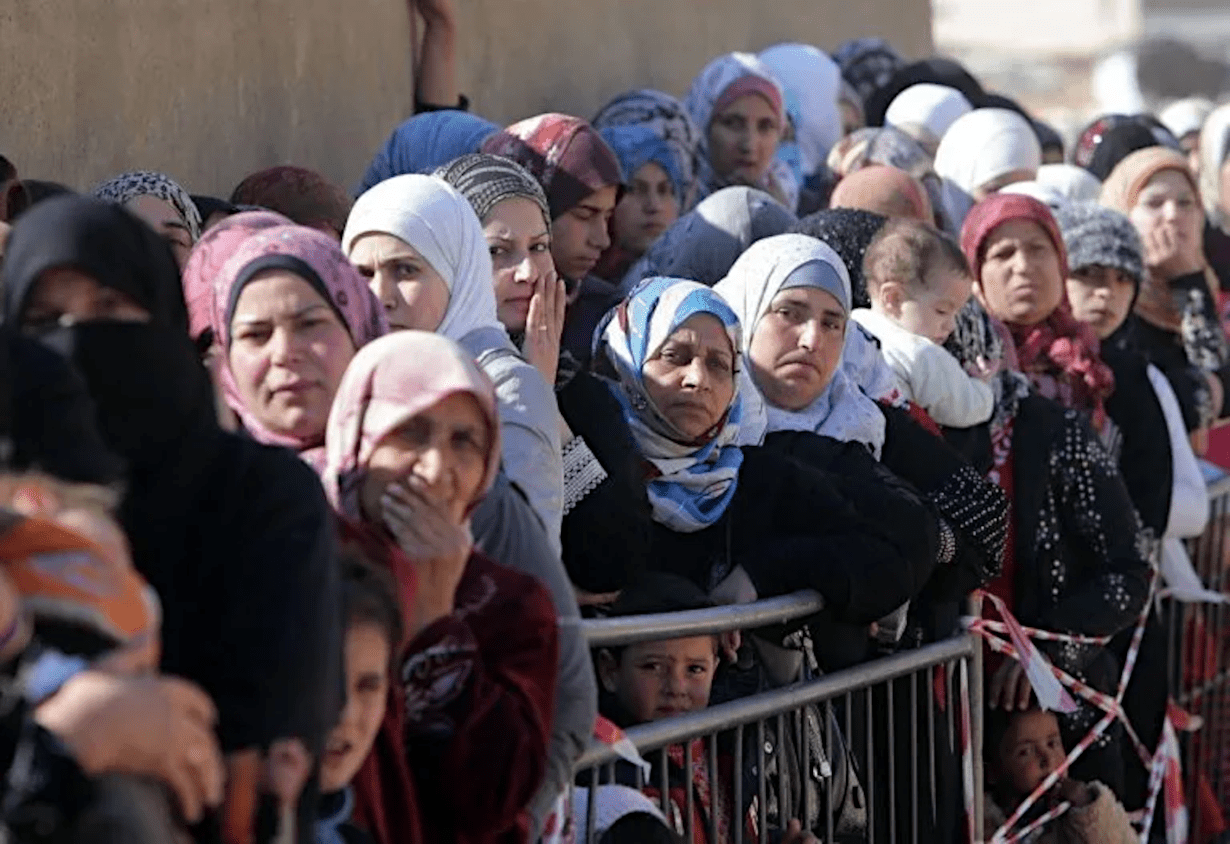
In 2021, Douhan told the UN Human Rights Council that the impact of UCMs ‘is especially severe for vulnerable groups’, including women and children as well as ‘indigenous people, people with disabilities, refugees, internally displaced persons, migrants, people living in poverty, the elderly, people affected by severe diseases, and others who confront particular challenges in society’.
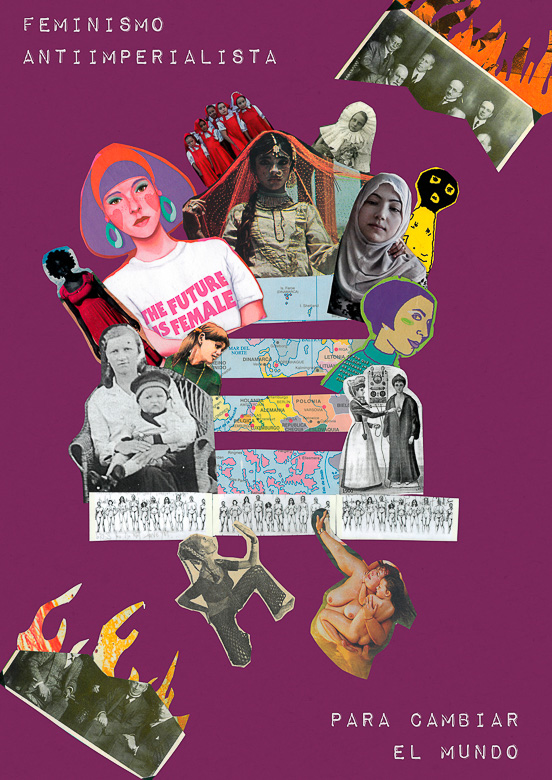
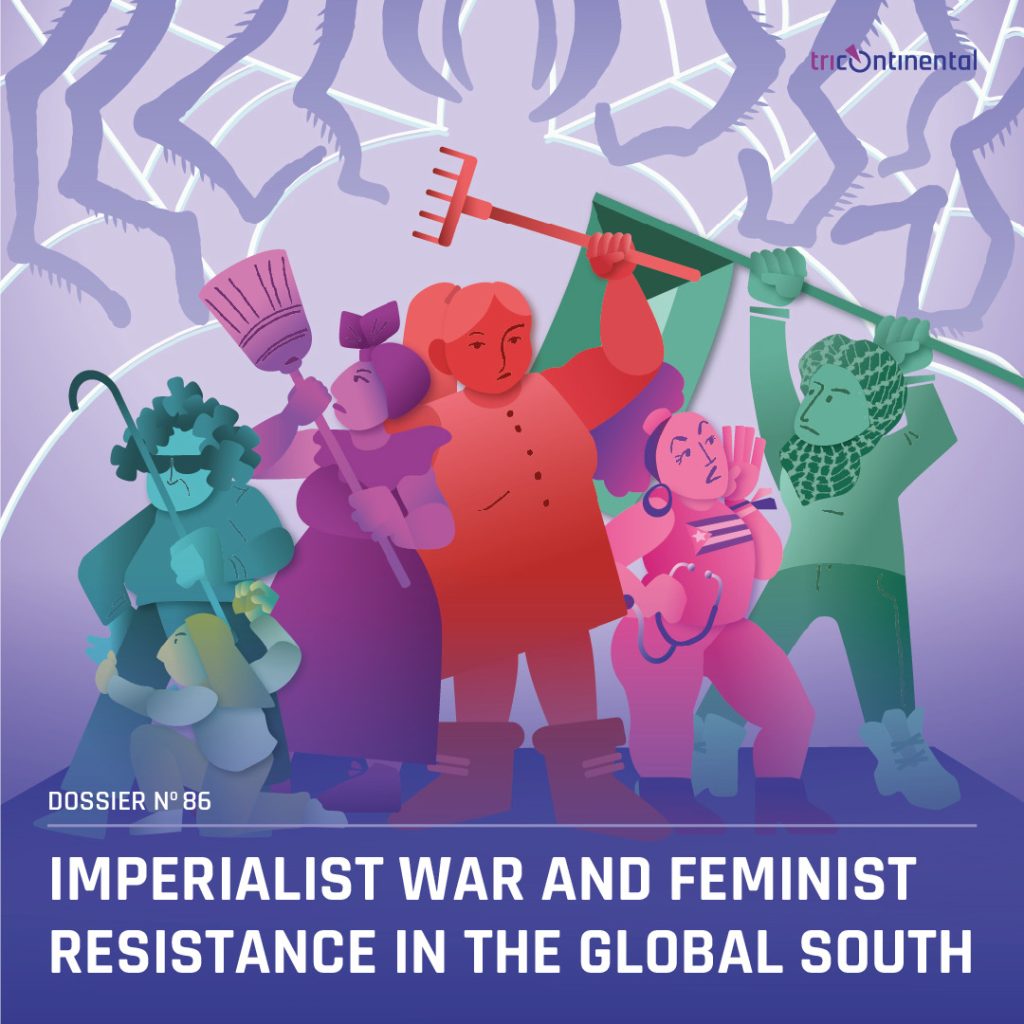
Our latest dossier, Imperialist War and Feminist Resistance in the Global South (March 2025), highlights the use of UCMs to attack states and societies that – by their very existence – defy the Global North. Our study on the impact of UCMs reflects what Douhan found in 2021, which is that these mechanisms harshly strike the most vulnerable groups.
These groups, the ‘vulnerable’, lead the fight against UCMs: far from defenceless, they are at the forefront of mobilising against and resisting the cruelty of the hybrid war.
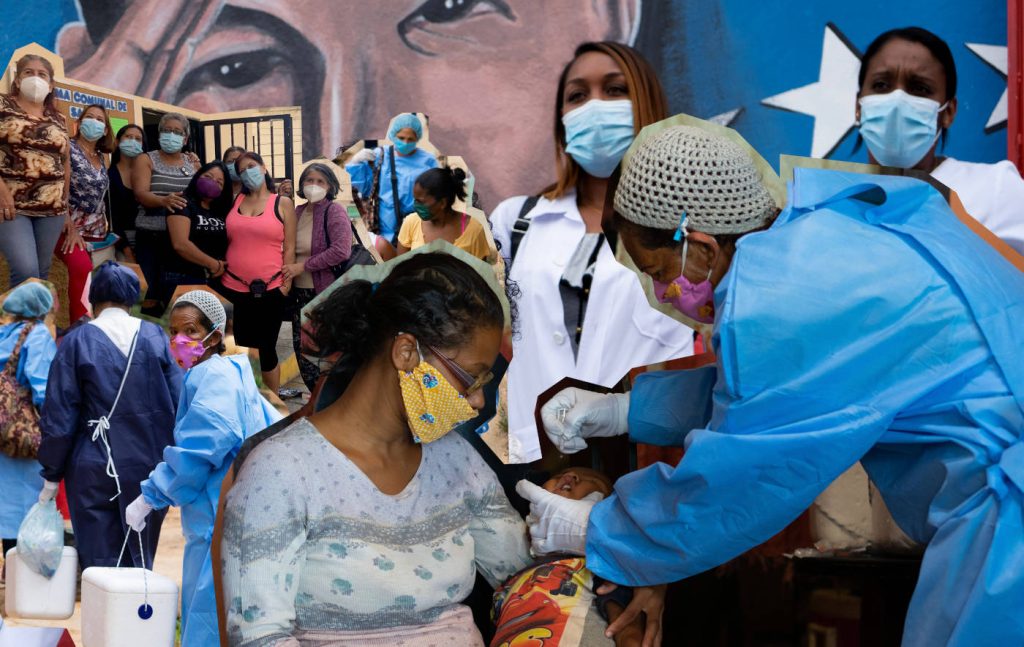
This dossier is largely focused on Venezuela, where we spoke with leaders of peasant and worker organisations such as Heroines Without Borders Organisation (Organización Heroínas sin Fronteras) and Venezuelan Housing Assembly Jorge Rodríguez Padre (Asamblea Viviendo Venezolanos Jorge Rodríguez Padre).
Forced to hold together families in distress due to the atrocity of UCMs and the patriarchal obligations for women to overwhelmingly carry out the work of social reproduction, working-class and peasant women formed a variety of mutual aid groups as a way to build political power in their society.
When they did not have running water or medicine, or indeed food, they set up collectives of clinics and food banks that had some state support but were largely the work of the women themselves.
In December 2021, I visited the Altos de Lídice Commune, where I met with a group of women who had gathered to confront the difficulties of the COVID-19 pandemic.
The commune is made up of more than 6,000 people who are organised into eight communal councils (consejos comunales). Built on democratic assemblies, Venezuela’s communes (comunas) are envisioned as local spaces of self-governance and the building blocks for the construction of socialism.
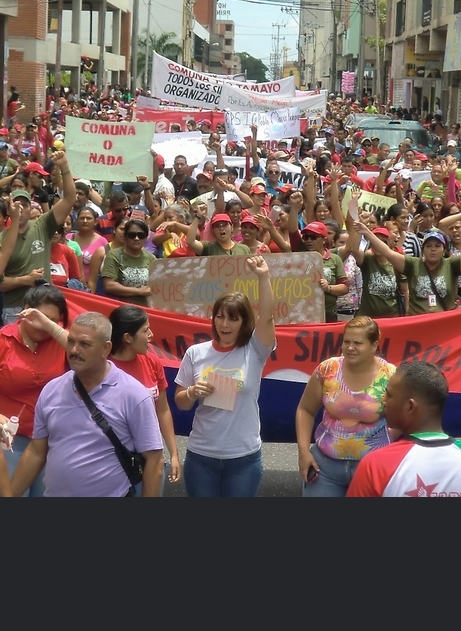
Venezuelan communards celebrate their way of life
Mobilising the population, rather than just solving problems bureaucratically, is part of their philosophy. The women I met that day talked about the clinic they set up, which drew doctors from nearby hospitals to provide consultations and free medicine (sent from connections they had built with a women’s hospital in Chile).
Women led this work; ‘we utilise the men’, said a leader of the group, Alejandra Trespalacios, in jest. One of their most moving and effective campaigns was an arepazo, where arepas (a round, stuffed cornflour patty)were distributed to the most vulnerable in the community.
They would weigh children and the elderly every three months and give an arepa to anyone who was underweight as a symbol of their commitment to every person in the community; the data allowed them to know where to channel the food support in the neighbourhood.
- Venezuela’s Endless Crisis: US Congress Report admits illegal and barbaric US Sanctions to Blame
- Venezuela has 3,230 Active Communes Throughout the Country
‘These are times of struggle’, Trespalacios said. The arepazowas part of the commune’s struggle against malnutrition and hunger.
At the same time, our dossier notes that there must also be serious thought about how gender ‘reinforces the sexual division of political labour’ in important efforts such as these. ‘While women have an important presence and leadership role in community organising, this does not necessarily extend to other spheres of political representation and state management’.
The struggle to ensure that women leaders move from the community level to greater responsibility and power is part of the essential fight of working-class and peasant women.
The »new Democratic» regime under Biden has announced it will continue its terrorist sanctions and blockade against Venezuela. Thus thousands more will die for lack of basic foods and medicines, while all suffer severe poverty for the ‘crime’ of living an a State Socialist country.

But despite hardship and a repressive police state most Venezuelans survive, due to social solidarity, cheap or free health, education and housing (when available due to the blockade) and a genuine bottom up movement of large production and consumption Communes, hardly ever mentioned in western reporting.
So you may never have heard of the continuing social experiment of the Venezuelan communes. And also rarely mentioned is the new Constituent Communal Parliament, formed with the aim of bringing direct democracy, giving a real voice to every section of the population, and thrashing out proposals of new laws and social initiatives of all kinds.
Last week the president of Venezuela, Nicolás Maduro, handed over to the original National Assembly the laws from the Communal Parliament and that of Communal Cities, prepared by the popular power for study and debate.
The National Assembly is now finally controlled by the governing socialist party which took control of Venezuela’s congress, the last national institution the opposition had held. Maduro’s party swept legislative polls last month which the opposition boycotted, the EU refused to send observers but finally have stopped referring to the self proclaimed US sponsored Guaido as »President».

Venezuelans Celebrate Day of Indigenous Resistance | Venezuela
«I make official delivery to the president of the National Assembly (Jorge Rodríguez) and to the vice president of the communal power commission (Blanca Eekhout) of the law of communal parliament and of the law of communal cities elaborated by the bases, elaborated by the communal power , I proceed to deliver the first two laws of popular power, «Maduro said during an address broadcast by the Venezuelan State Television channel.
(VIDEO) What Socialists Communes look like in Venezuela …
The president added that the legal texts will strengthen the communal councils, which are instances of citizen participation.
Maduro said that the 21st century in Venezuela will be decided under the slogan «Commune or Nothing.»
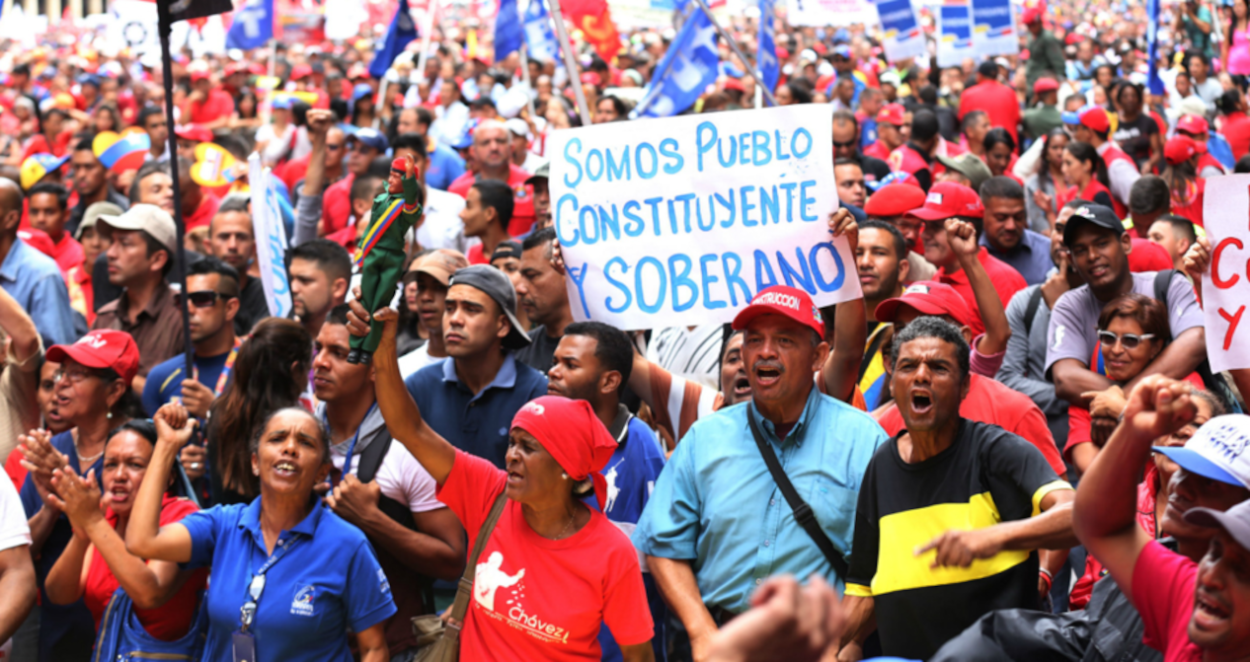
»We are a Constituent sovereign people» Venezuelan Constituent Assembly – Wikipedia
Citizen Referendums Create 169 New Communes in Venezuela …
«Either there is a commune or there is no country, or there is a commune or there is no socialism, or there is a commune or there is no well-being and happiness of the people, just like that, a commune will be a future, a commune will be a guarantee of a homeland,» he said.
Last October, Maduro approved the creation of 200 communal cities run by self-government and popular power.
These cities are a system of union of communes, within a defined geographical and territorial axis, that share interests, uses, customs and cultural traits that identify them, for political, administrative and economic-productive purposes that pursue a model of socialist society of equity and justice.
Warmly, Vijay
Related
- Venezuela’s Indigenous March to Celebrate Historic Resistance
- Venezuelan President: We Are Activating Popular Power…

 The Free
One thought on “Unilateral Coercive Measures (illegal US Sanctions) and the War on Women/Venezuela – Vijay Prashad”