
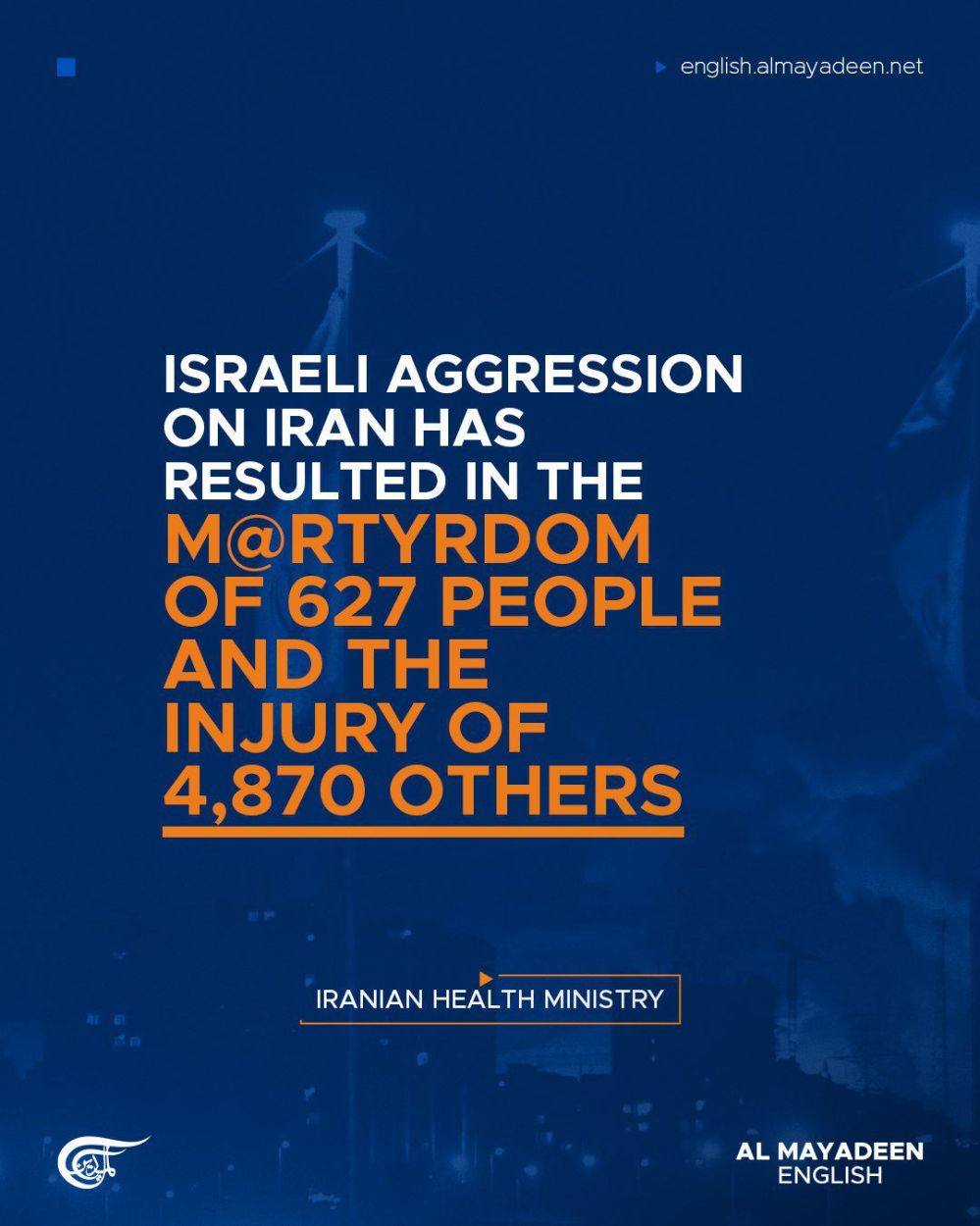
Over 900 mostly civilians massacred (media numbers) against just 24 Israelis, yet Iranian solidarity wins.
Human Story by Fatemah Jamalpour at Drop Site News. On June 26th 2025
Iranians Displaced by Israeli Assault Unsure Whether to Return Home After Ceasefire
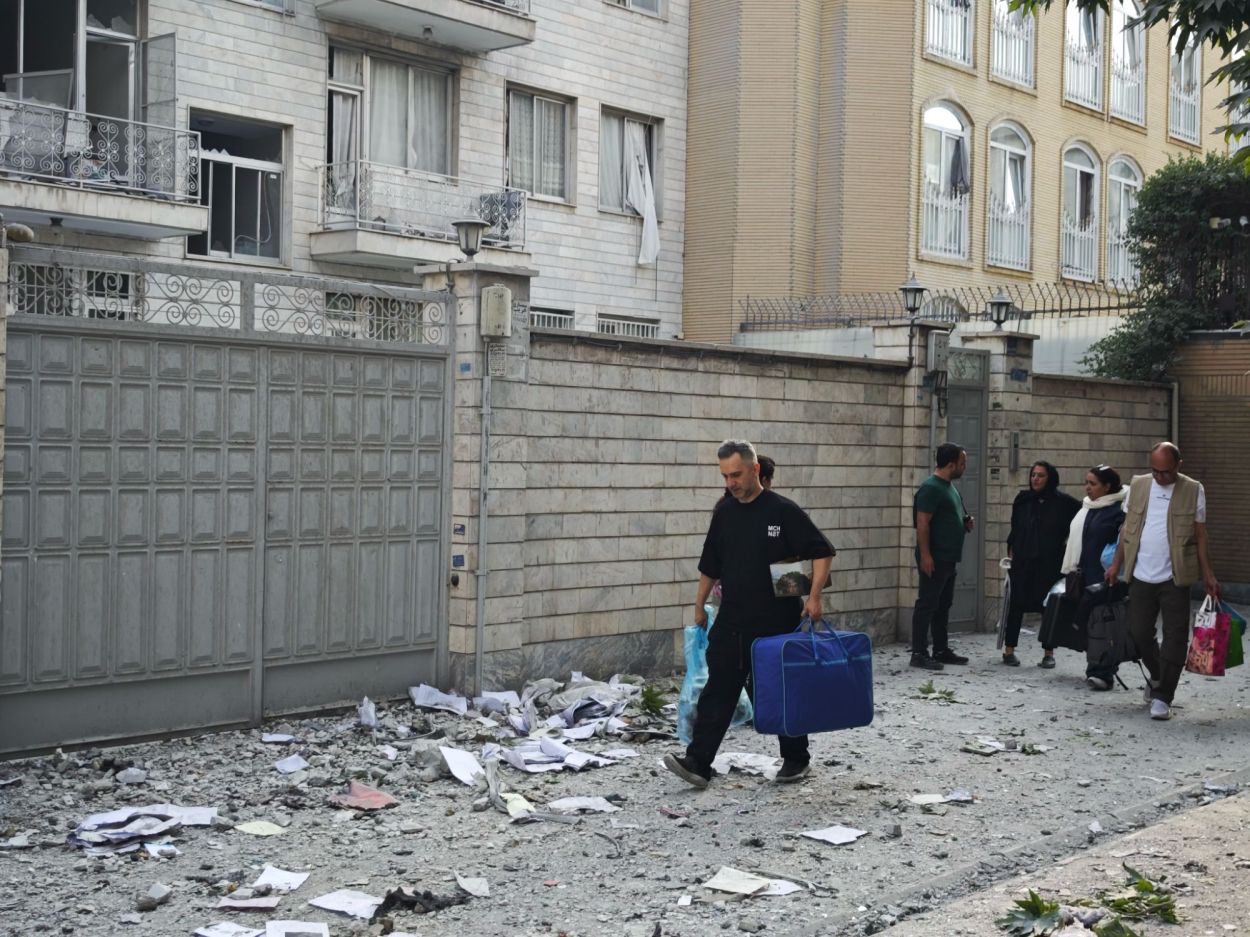
Over two days last week, Sahar, a 40-year-old sociologist and researcher in central Tehran, drove more than 400 miles north to the city of Rasht in her white Peugeot 206 with her elderly mother in the passenger seat. They were hoping to escape Israel’s aerial bombardment that began without warning on June 13, but the explosions followed them across the provinces.
https://images.app.goo.gl/HtSCh42fyXc96EZi.. Note: Google wont allow sharing of human images in Iran here, only Israel
Sahar’s 70-year-old mother suffers from PTSD from the 1980s Iran-Iraq war, and from Sahar’s arrest and imprisonment during the 2009 popular uprising known as the Green Movement, sparked by a disputed presidential election.
“My mother’s doctor had told us we should keep her in a major city—she needs to be close to medical centers. So, at first, we decided to stay in Tehran.
But after her panic attacks intensified, we decided to leave for Rasht, in northern Iran, on June 18. We went to stay at a friend’s home,” Sahar, who declined to give her full name out of fear for her safety, told Drop Site.
On the evening of June 20—their second night in Rasht—Israel struck the Sefid Rood area, close to where they were staying. “As the regime shut down the internet, we didn’t have access, and I couldn’t check the news.
I didn’t know the city had been issued an evacuation warning. The sound was terrifying—I can’t even describe it. My mother had a breakdown. We rushed her to the hospital to get a sedative injection.”
The hospital was a scene of chaos and panic, Sahar said. “They gave my mother a sedative, and we immediately set out again, back to Tehran.” Yet when they arrived in the capital two days later, the Israeli aerial bombardment continued.
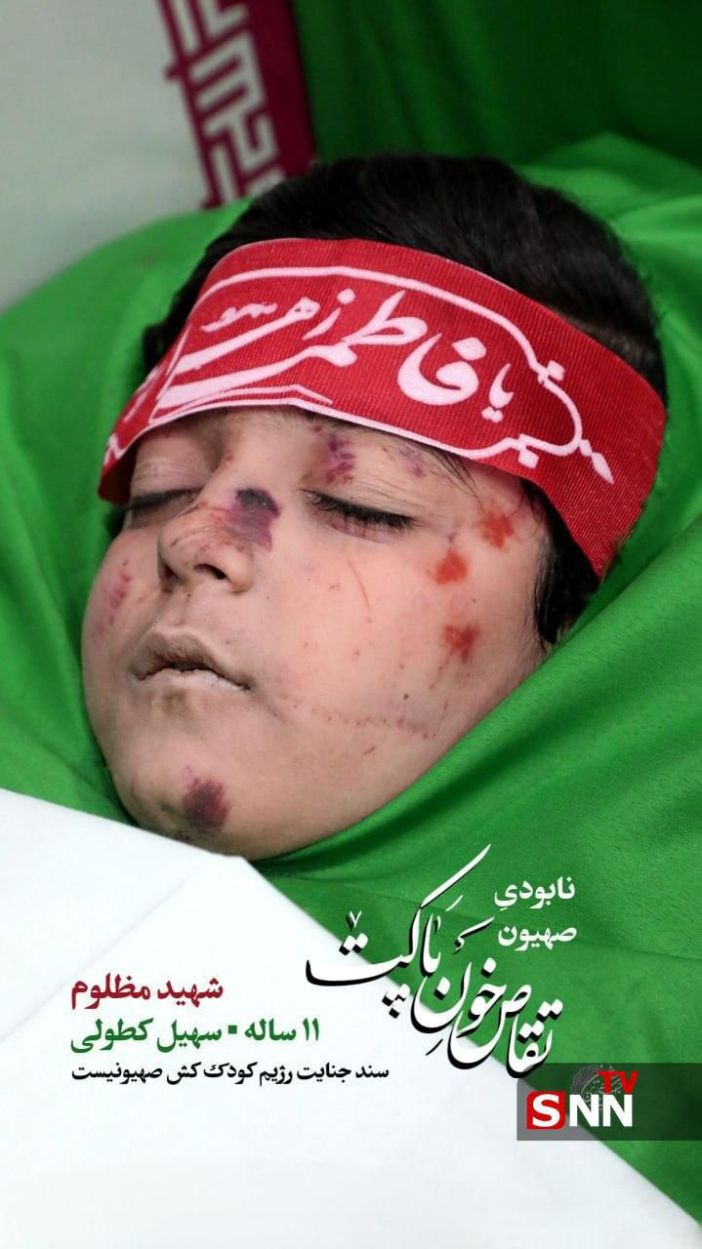
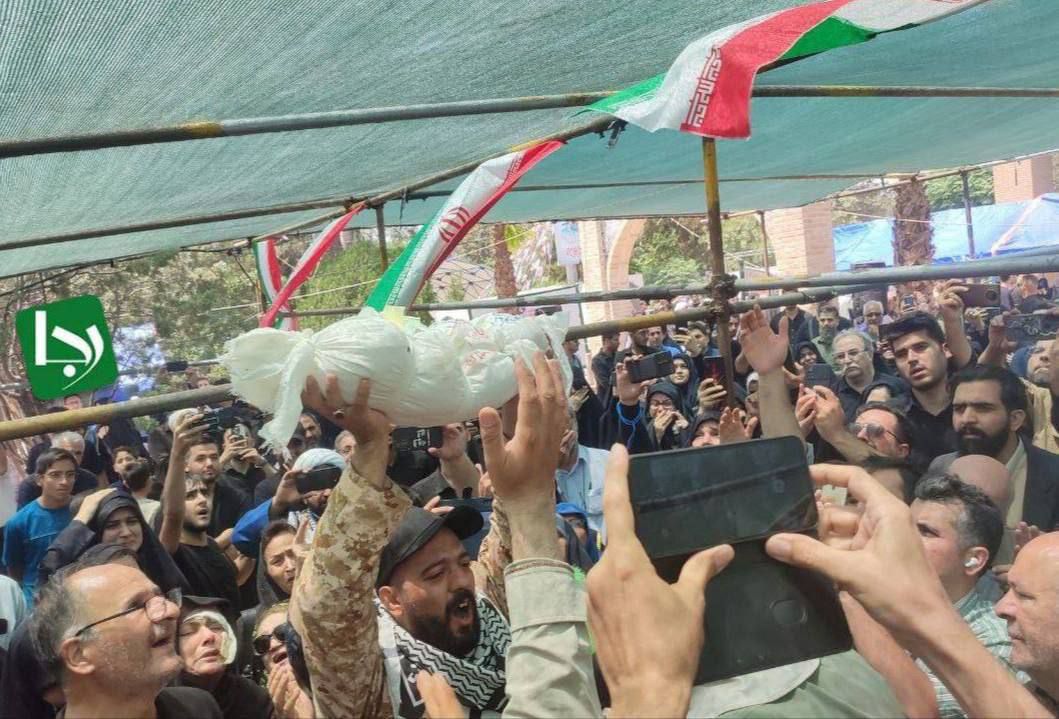
🕯️ Image of the body of the martyr Mazloum Soheil Katuli
⚪ The 11-year-old martyr, Sohail Katuli, along with his mother, was killed in an Israeli attack on Iran.
🤍 https://t.me/anaqtella
“On Sunday night, June 23, it all started again. It was horrifying, and it wouldn’t stop. It began at 2 a.m. I took my mom to the hospital at 6 in the morning, and they gave her another sedative. We managed to sleep for four hours.
I woke up at 10 a.m.—it felt like the house was collapsing on top of me. They bombed all over Tehran. I counted 20 explosions. One was very close—near Ghasr Crossroads,” Sahar said.
The next day, she set out with her mother again, driving east from Tehran to Damavand—about 40 miles away—to stay in a rural village with acquaintances.
Forced From Home
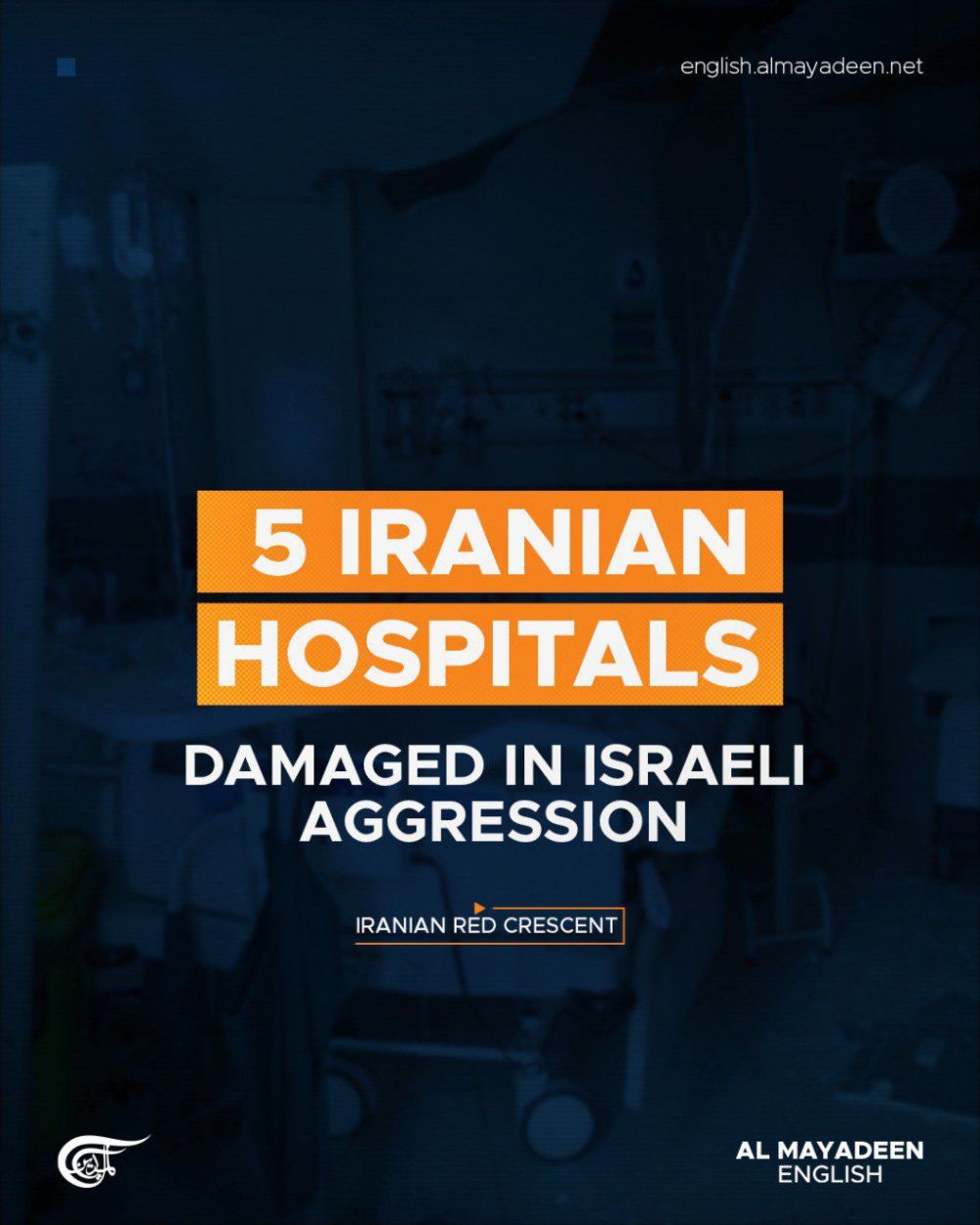
Israel’s attack on Iran targeted nuclear facilities, senior Iranian officials and scientists as well as hospitals and residential areas, with substantial damage to civilian infrastructure. Iranian authorities said at least 400 people have been killed, with over 3,000 injured.
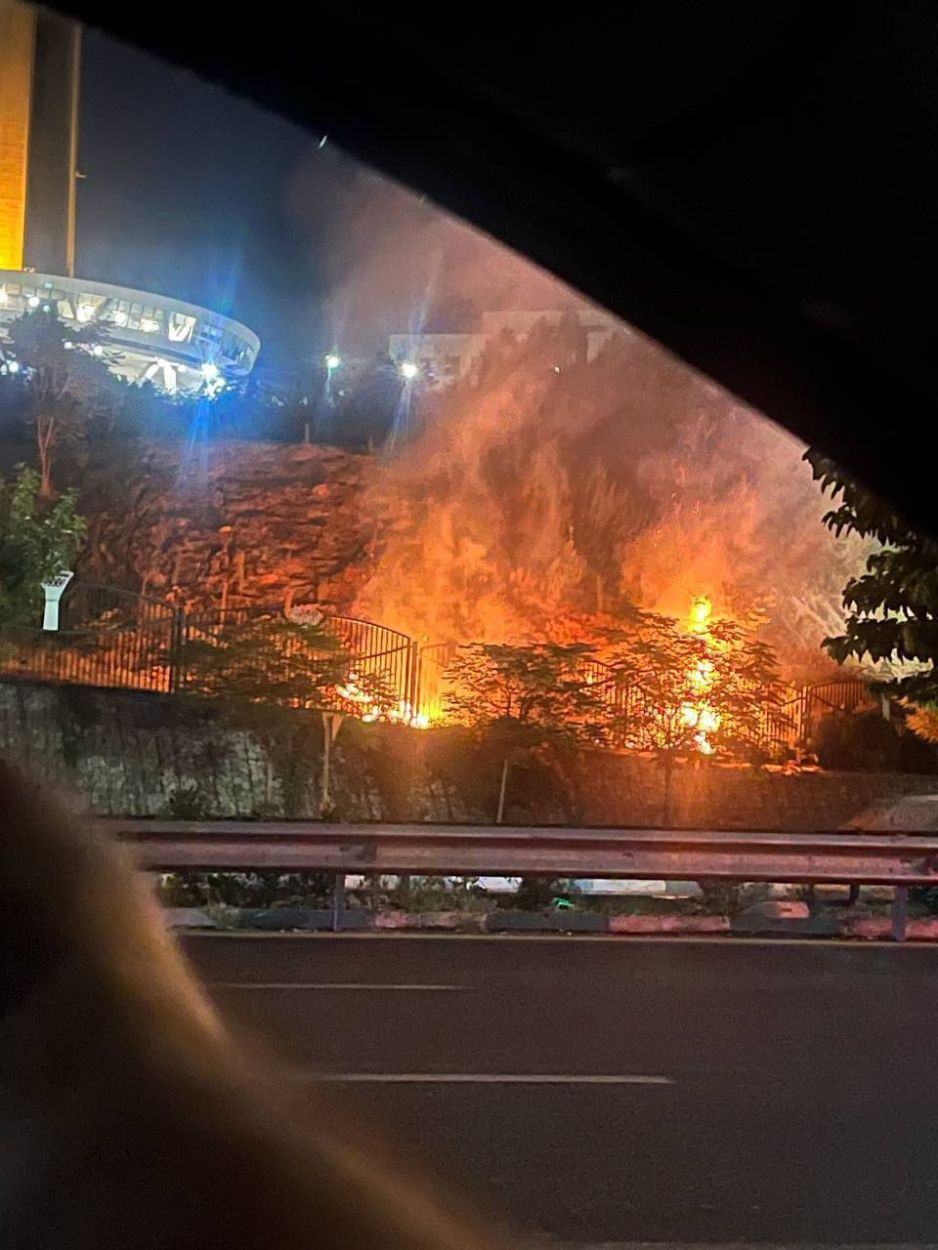
🇮🇱 x🇮🇷 A powerful explosion rocked eastern Tehran, accompanied by an intense flash of light that alarmed the population. According to preliminary reports, facilities linked to oil refineries were hit by Israeli strikes
Human rights organizations report a much higher death toll, with estimates of some 900 killed, including hundreds of civilians. Iranian counterstrikes on Israel have killed at least 24 people, according to Israeli authorities and injured over 1,200.
The conflict escalated over the weekend, with the U.S. military striking nuclear facilities at Fordo, Natanz, and Isfahan.
The attacks began on June 13 with a wave of Israeli bombings and assassinations carried out in major urban centers of Tehran. Along with numerous Iranian military commanders and scientists connected to its nuclear program, the attacks, some of which leveled entire apartment buildings, killed large numbers of civilians Bombings which hit residential and commercial areas terrorized many Iranians, helping prompt an exodus among many who no longer felt safe in their city.
According to the governor of Tehran province, Israeli airstrikes have struck over 200 locations across the capital, destroying more than 120 homes. Beyond Tehran, civilian infrastructure across Iran—including medical facilities, schools, energy facilities, and government buildings—has also been severely damaged.

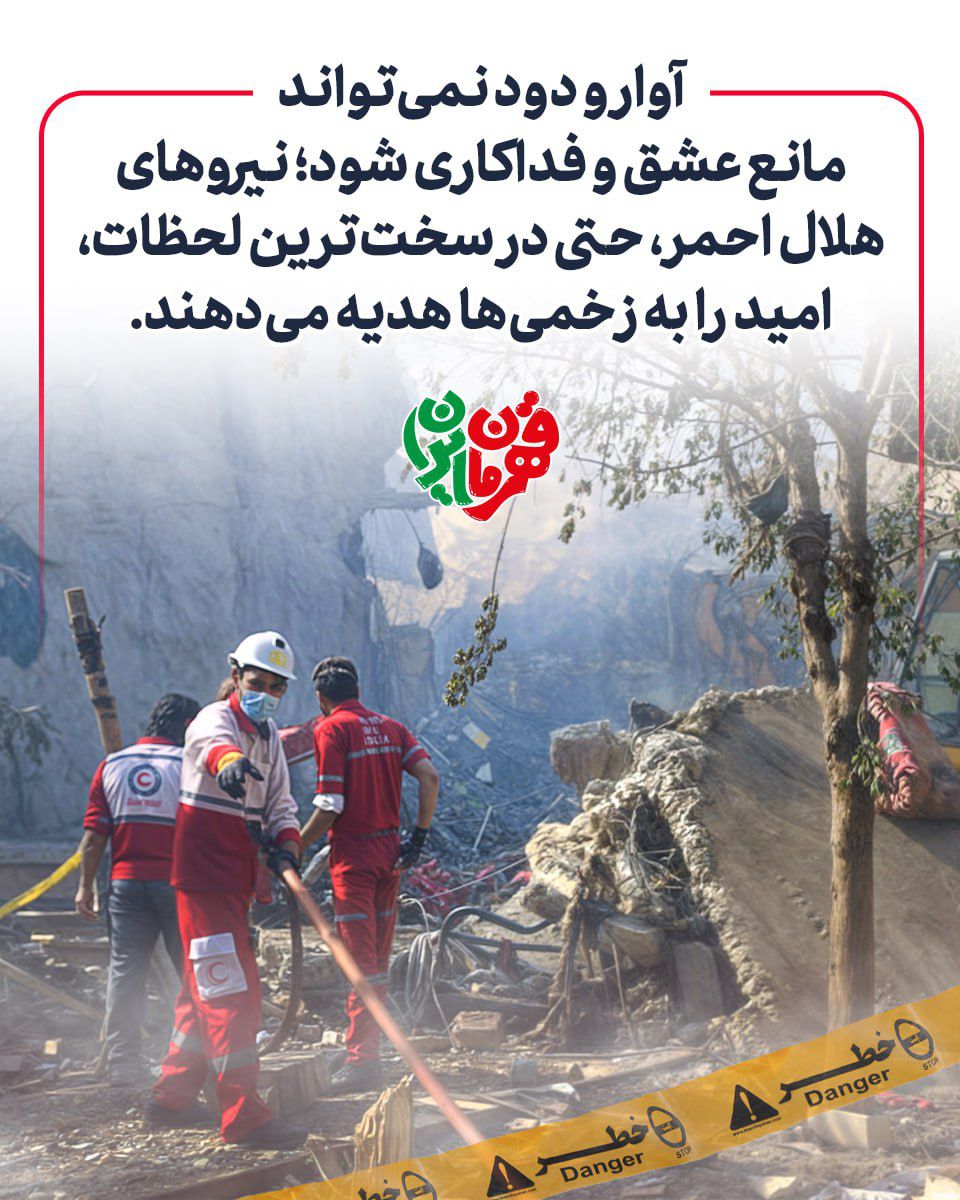
🇮🇱 x🇮🇷🌙 Israeli planes bombed the Iranian Red Crescent building in Tehran.🤍 https://t.me/anaqtella
Israel has also issued displacement orders for large swathes of Tehran while President Trump in a social media post on June 16 urged “everyone…immediately evacuate Tehran,” a city of 10 million people.
The airstrikes and displacement orders caused tens of thousands to flee the major cities. Fuel shortages and no public shelters have left ordinary Iranians struggling to find safety.
Meanwhile, Iran’s Ministry of Communications and Information Technology placed temporary restrictions on internet access and messaging apps throughout the country, compounding difficulties for people to coordinate movement or stay in touch with family members.
Amid the assault, informal networks of support have quickly sprung up.
“What struck me was people’s behavior. This time, it was different. I’ve never seen this much empathy and solidarity. We’ve experienced earthquakes, floods, and sanctions—but this time, it’s a war against our country and our people,” Sahar said, speaking about the road from Tehran to Rasht. “Taxis and private cars were taking passengers to safer provinces for free. Along the way, we saw so many banners offering free housing—really, so many.”
Hotels in Tehran and other cities are housing civilians free of charge. Families in Khuzestan—a province in the southwest of the country that borders Iraq —are opening their homes to people displaced from Tehran and Isfahan.
Despite warnings from Turkey’s president about a potential wave of Iranian refugees to neighboring countries, there has not been a significant movement of people across the border.
Meanwhile, Iranian expats living in places like Istanbul, Antalya, and Dubai have offered accommodations to stranded Iranian travelers.
Tens of thousands of Iranians have already been forced to leave their homes, posting farewells with flowers, photos of their homes, and hopes to return safely..
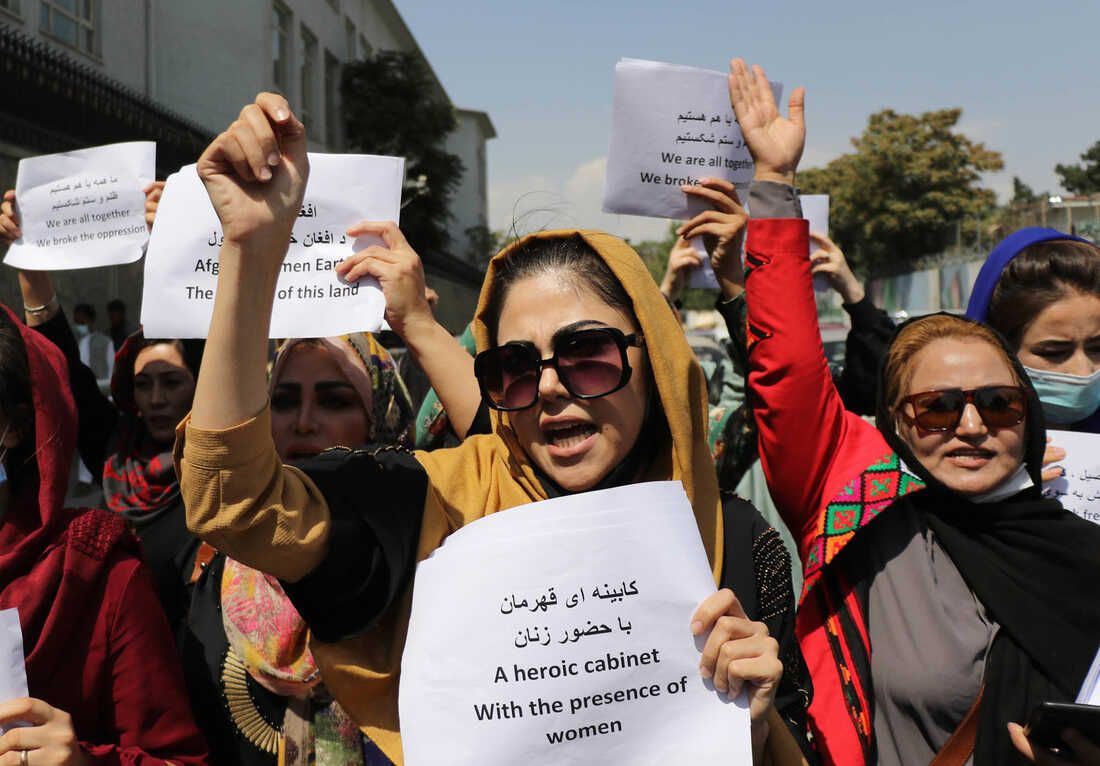
From Afghan women to Iranian women: United by pain, dream of freedom https://thefreeonline.com/2025/06/21/from-afghan-women-to-iranian-women-united-by-pain.
“It felt like I was being dragged out of my home,” Maryam, a 35-year-old office manager, said, describing the night she finally decided to leave Tehran. When she decided to leave in a rush after Trump’s social media post, she laid out her clothes on the floor to decide what to take. “I felt like a bomb had gone off in my room. I didn’t take anything.”
At 2 a.m. on June 16, Maryam—who declined to give her last name in fear of her safety—fled the capital with her family. “We brought my aunt too. She’s alone—her children don’t live in Iran. Now, we’re five people under one roof in a northern town. We sat in traffic for 12 hours—normally, it takes five. Not for a vacation, not with excitement — just hopelessness and uncertainty,” she said.
On Tuesday, President Trump announced that a ceasefire between Iran and Israel was in effect after the deal was initially in question. Speaking to reporters on the White House lawn, Trump said he was frustrated with both sides but had particularly strong words for Tel Aviv. “I’m really unhappy” with Israel, he said.
Despite the news of a ceasefire, Maryam has opted to remain in northern Iran. “I don’t trust this ceasefire. When has Israel ever honored a ceasefire?” she said. “I’m relieved the war has stopped, and the killing of civilians and destruction of infrastructure has paused — but I’m also sad because I know it won’t last. I feel more unsettled than calm.”
To cope with the mass displacement, companies like Otaghak—Iran’s version of Airbnb—and other housing startups, started running a nationwide campaign to provide emergency accommodation.
“We’re working from 7 a.m. to 2 a.m. everyday to do our best to provide shelter for those under bombardment,” Amir Sheybani, CEO of Otaghak told Drop Site. “We’ve expanded our coverage in the northern provinces.
Beyond our existing hosts, we’ve sent teams to the area to add more homes to the platform and ensure at least one safe place available for our fellow citizens during this difficult time.”
Another platform, Jabama, posted on Instagram: “Dear citizens, we provide emergency housing for those who have lost their homes, live in high-risk neighborhoods, or cannot return home. We’re here from 7 a.m. to 2 a.m. to offer free housing.” The post, published on June 15, quickly went viral, drawing thousands of responses.
Yet the scale of the aerial attack has left an indelible impact.
“While leaving Tehran—on our way out of the city — a bomb exploded beside us,” said Siavash, 33, a student and Tehran resident, now sheltering at a relative’s place in Damavand. “Your mind just cycles: ‘Where are my loved ones? How do I save them from this war?’ You hope for the impossible.”
Siavash also said he would not return home despite the news of the ceasefire. “We’re still staying in Damavand—we don’t trust returning to Tehran yet. My family and I keep checking the news.”
This story was published in collaboration with Egab.

 The Free
One thought on “Iranians refugees’ Mutual Aid after US/Israeli Destruction and Slaughter”