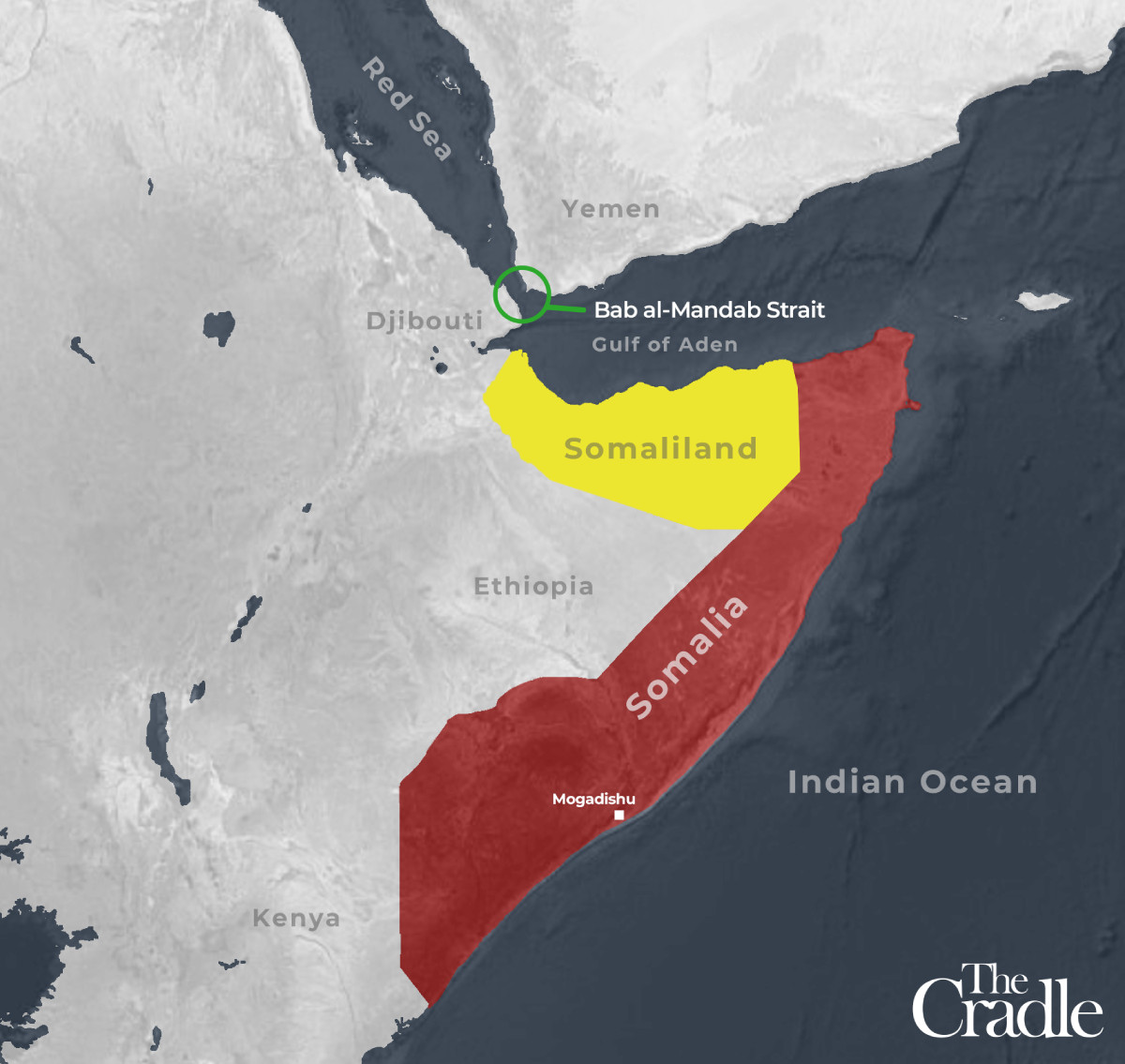
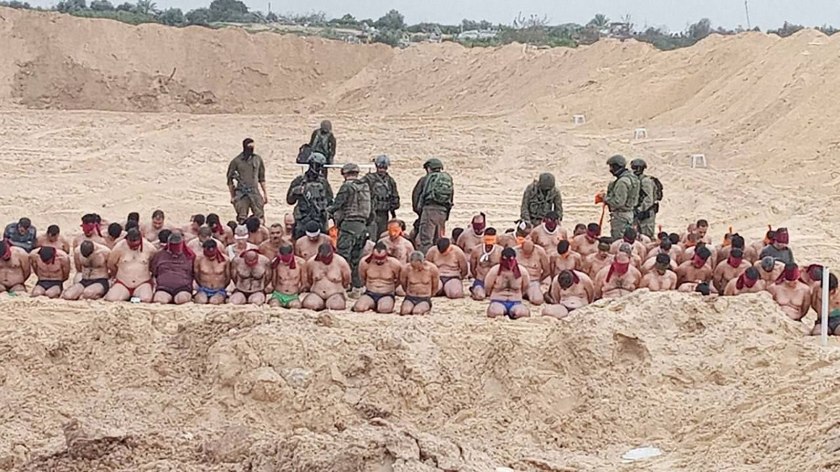
As Tel Aviv and Washington quietly court Somaliland as a destination for Gaza’s displaced, this British-controlled enclave on the Red Sea emerges as both a strategic imperial launchpad and a potential open-air prison for Palestinians – armed, trained, and surveilled by London.
In recent weeks, Somaliland has drawn unprecedented attention from western media.
Activists from several climate movement associations, including 350org, Greenpeace, and Alternatiba, mobilized in France to halt all fossil fuel exploitation projects. Photograph by Claire JAILLARD.
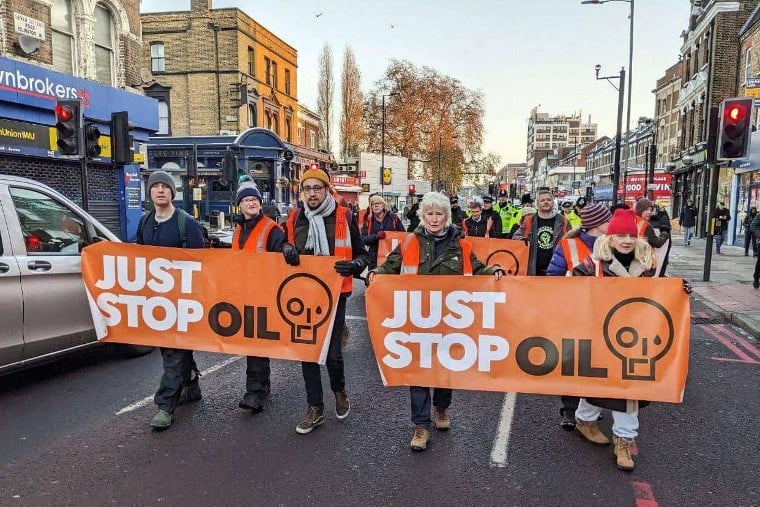
The rise of the right has emboldened Big Oil like never before. Governments are rolling back environmental protections, greenlighting new drilling projects for coal, oil and gas, despite knowing that these polluting fossil fuels are behind the climate crisis we are all facing now.
Meanwhile Big Oil is doubling down. Backed by powerful allies in the government and media, it’s using its might against activists, and employing every trick in the book to silence dissent. For instance, the fossil fuel industry is pouring billions into lobbying, lawsuits, and misinformation campaigns to maintain control of their false narrative.
What is their goal, you may ask? To protect their sickeningly huge profits while destroying our communities and nature.
But we aren’t going anywhere. We are resisting and fighting back. Here’s five ways this battle is playing out – and what we can do about it:
1. Weaponising the Law: Greenpeace vs. SLAPPs
Greenpeace is facing a devastating legal attack. A North Dakota jury in the United States has ruled against the organization in a defamation lawsuit brought by Energy Transfer, the company behind the destructive Dakota Access Pipeline (DAPL). The verdict: Greenpeace must pay more than $660 million – a move that could bankrupt one of the most influential environmental organizations in the world.
This is a classic lawsuit, known as a SLAPP (Strategic Lawsuit Against Public Participation), designed to intimidate, drain resources, and stop organizations like Greenpeace from engaging in peaceful protests for our people and the planet. You’ll see that the game is further rigged as most jurors in this case against Greenpeace have fossil fuel industry ties.
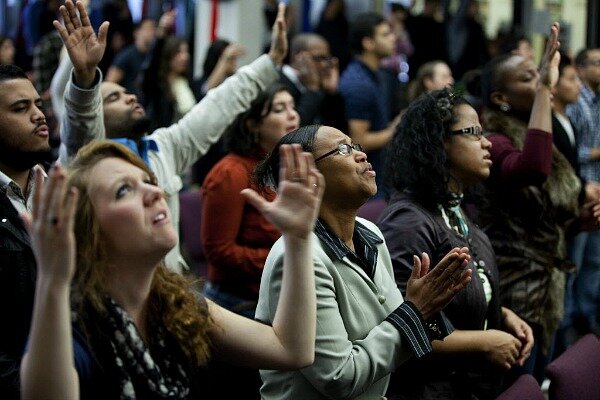
There is something going on with Pentecostal churches.
In a time of the ascendance of neoliberalism, bourgeois institutions have failed and most radical and revolutionary formations have been severely compromised.
In contrast, Pentecostal churches have thrived, welcoming millions around the world into their fold and keeping most. Why?
Pentecostalism-selectively-funded by CIA… They were the cheerleaders for US military intervention. Many North American missionary organisations were CIA fronts following orders from Washington.
To begin to investigate this, we must first understand our current context. Neoliberalism is a form of capitalism marked by constant and fundamental economic crisis due to the intensive relationship it has to accelerating the accumulation of capital through deregulation (broadly defined as loosening of government regulations on labor, companies, and the goods they produce, and the like) and market liberalization (the process of removing government regulations on markets specifically, like preventing popular ownership of national assets and ending public support, which enables widespread access to goods, etc.), among other processes which lead to widespread precarity.
One way of qualifying the crisis-prone nature of capitalism is by analyzing Kondratieff waves, a controversial but substantive conception of long waves of capitalist growth and stagnation believed to occur every 40-60 years.
Some argue that these cycles have shortened in recent decades, particularly with economic stagflation (stagnation and inflation occurring at the same time) occurring more frequently than in waves past.
Pentecostalism used to control South America by US The evangelical groups tried to dissuade Central Americans from joining movements for social change, by holding out the hope of spiritual alternatives to political action. They were the cheerleaders for US military intervention. Many North American missionary organisations were CIA fronts following orders from Washington. Evangelical growth was the direct result of strategic US planning.
Alongside these market conditions is the receding social cushion for most people in most countries as states retreat from service provision in the name of cost-efficacy, resulting in increasing precarity. As these crises produce unrest, the state responds with increased repression and surveillance, and the ideological and politico-philosophical domestication of everything—including social change—facilitating and normalizing capital’s seeming inescapable commodification.
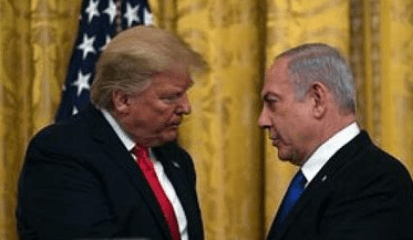
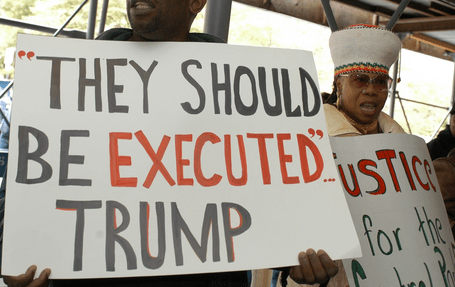
Trump’s Executive Order misrepresents race as a biological reality; science proves it’s a social construct with no genetic basis.
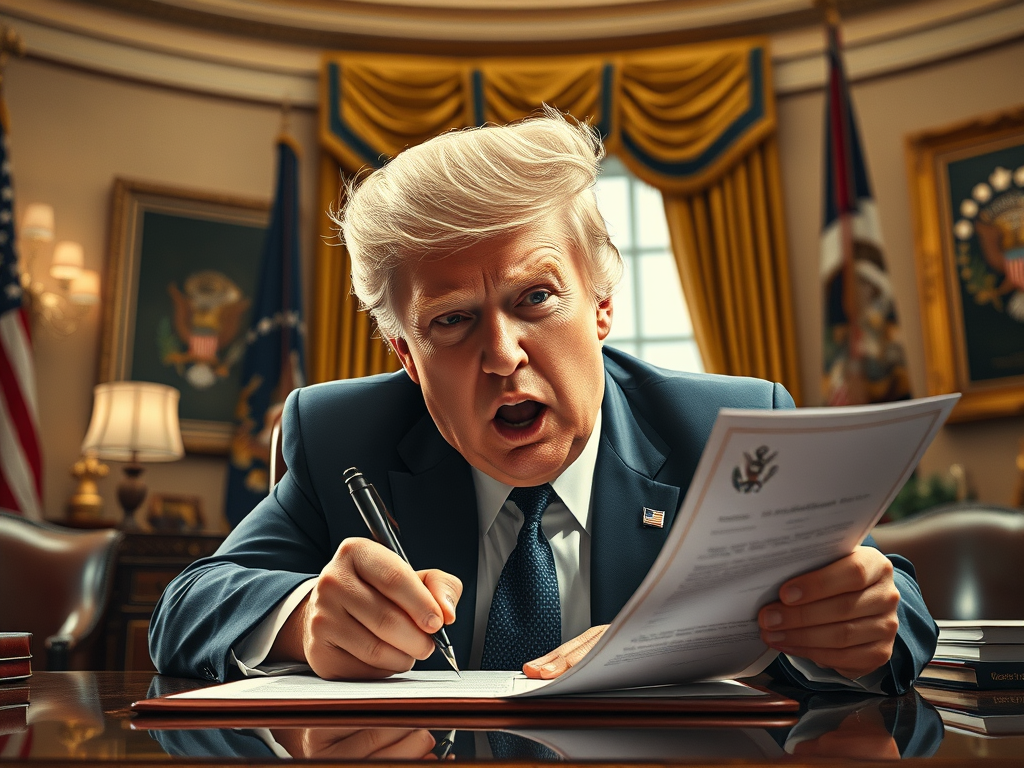
President Donald Trump cannot be stopped when it comes to his DEI fury and while we generally steer clear of purely political polemics when possible, we chime in on occasion when there’s a scientific angle that can be explored.
Earlier today, Trump issued an Executive Order — unironically titled, “Restoring Truth and Sanity To American History” — that instructed the Smithsonian to be less thoughtful of American history and more cheerleader-ish. That’s on him. However, in his EO, he made a claim that, well, gives us pause. We put it in bold:
Once widely respected as a symbol of American excellence and a global icon of cultural achievement, the Smithsonian Institution has, in recent years, come under the influence of a divisive, race-centered ideology. This shift has promoted narratives that portray American and Western values as inherently harmful and oppressive. For example, the Smithsonian American Art Museum today features “The Shape of Power: Stories of Race and American Sculpture,” an exhibit representing that “[s]ocieties including the United States have used race to establish and maintain systems of power, privilege, and disenfranchisement.” The exhibit further claims that “sculpture has been a powerful tool in promoting scientific racism” and promotes the view that race is not a biological reality but a social construct, stating “Race is a human invention.”
The president is saying that race IS a biological reality and that racial differences are rooted in science.
That’s just crazy.
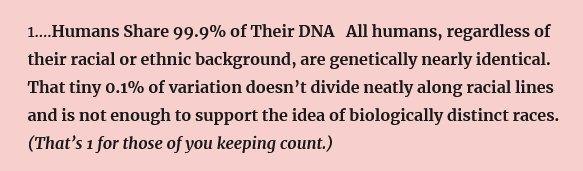
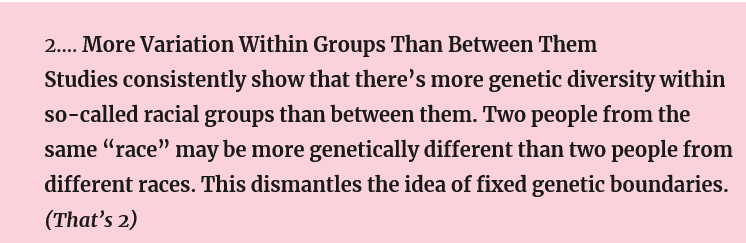
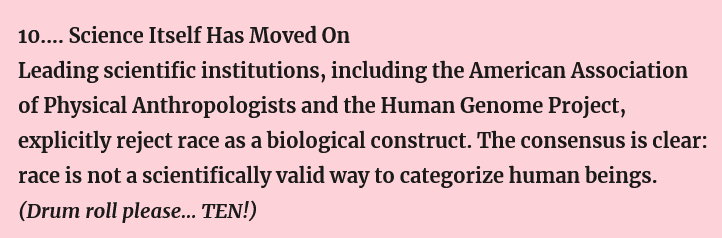
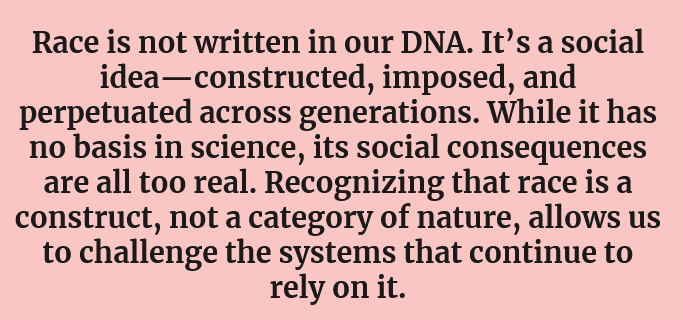
Despite centuries of belief to the contrary, science has shown that race is not a biological reality. It’s a social invention—a way of categorizing people that has no meaningful grounding in genetics or evolutionary biology.
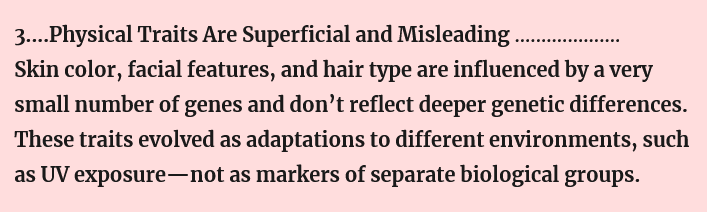
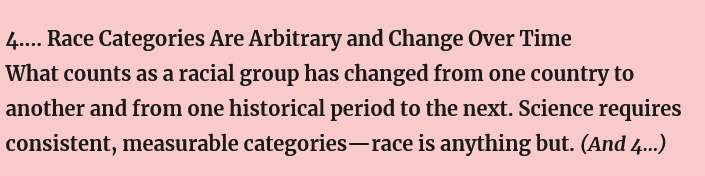
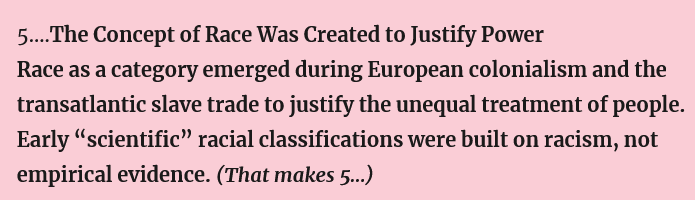
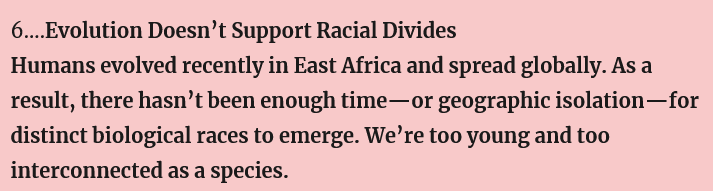
Here are ten reasons why race, as we commonly understand it, has no basis in science.
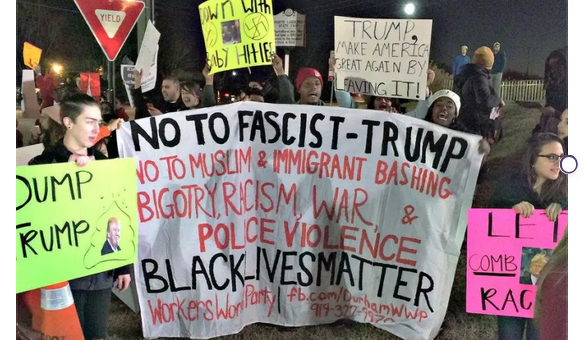
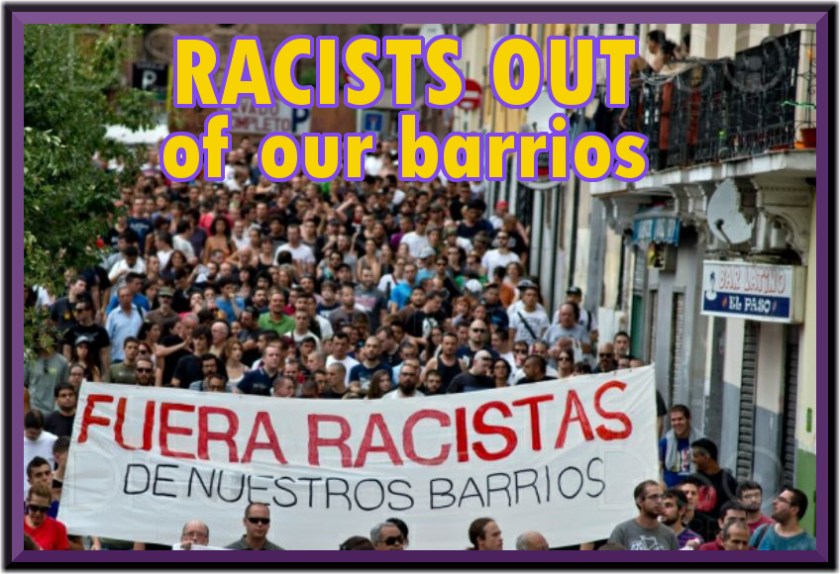
neighbourhood protest against nazi occupation
So Here’s The Thing… Race May Be Real, But It Is Not Biological Real.
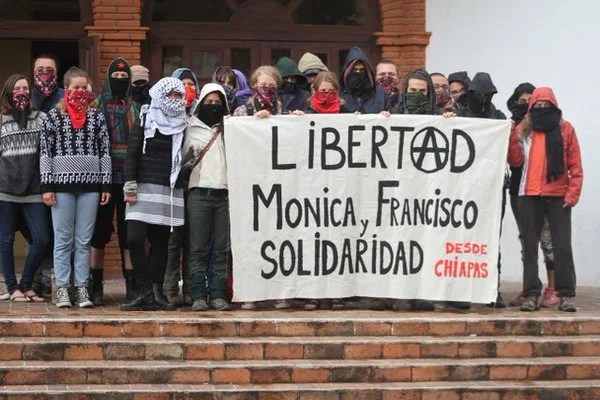
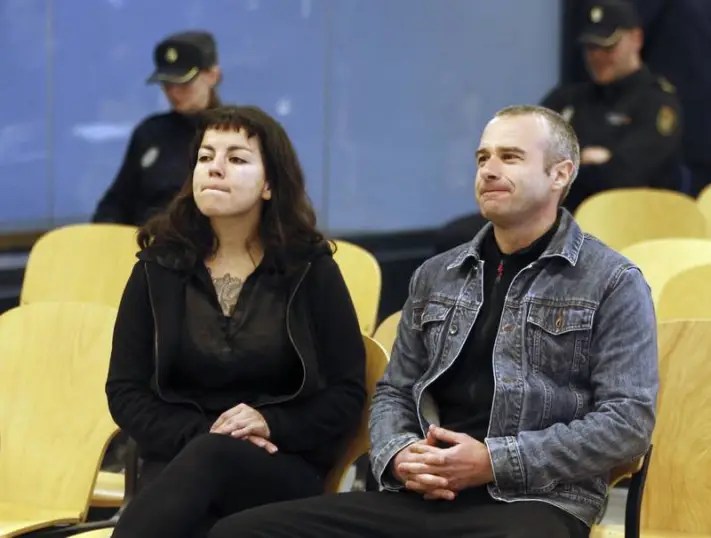
After spending almost five years in solitary confinement, moving between different maximum security units and facing the recent tightening of the prison regime that kept him confined to 21 hours in his cell, without TV or radio, and with restrictions on visits, today we have updates regarding his situation inside the prison.
After successive hearings and technical consultations, the gendarmerie has run out of excuses for keeping the comrade in this punishment regime, and has been forced to transfer him. Today, the anarchist comrade managed to escape the labyrinth of solitary confinement and maximum security units, being transferred to module 33 inside La Gonzalina Prison, Chile, where other anarchist and subversive prisoners are held.
Solidarity and complicity with anarchist comrade Francisco Solar
Solidarity and complicity with those who attack power and repression!
Anarchist comrade Francisco Solar is released from solitary confinement after five years in prison.
Tras permanecer casi 5 años en aislamiento, recorriendo distintos módulos de máxima seguridad y enfrentando el reciente endurecimiento del régimen carcelario que lo mantenía con 21 horas de encierro en la celda, sin TV, ni radio y con restricciones en las visitas, hoy tenemos novedades respecto a su situación intracarcelaria.
Tras sucesivas audiencias y consejos técnicos, gendarmería se ha quedado sin excusas para mantener al compañero en dicho régimen de castigo, viéndose obligados a trasladarlo. Hoy el compañero anarquista, consigue salir del circuito y laberinto de aislamiento y módulos de máxima seguridad, siendo trasladado al módulo 33 al interior de la Cárcel La Gonzalina, donde se encuentran otros prisionerxs anarquistas y subversivxs.
¡Solidaridad y complicidad con el compañero anarquista Francisco Solar
¡Solidaridad y complicidad con quienes atacan al poder y la represión!
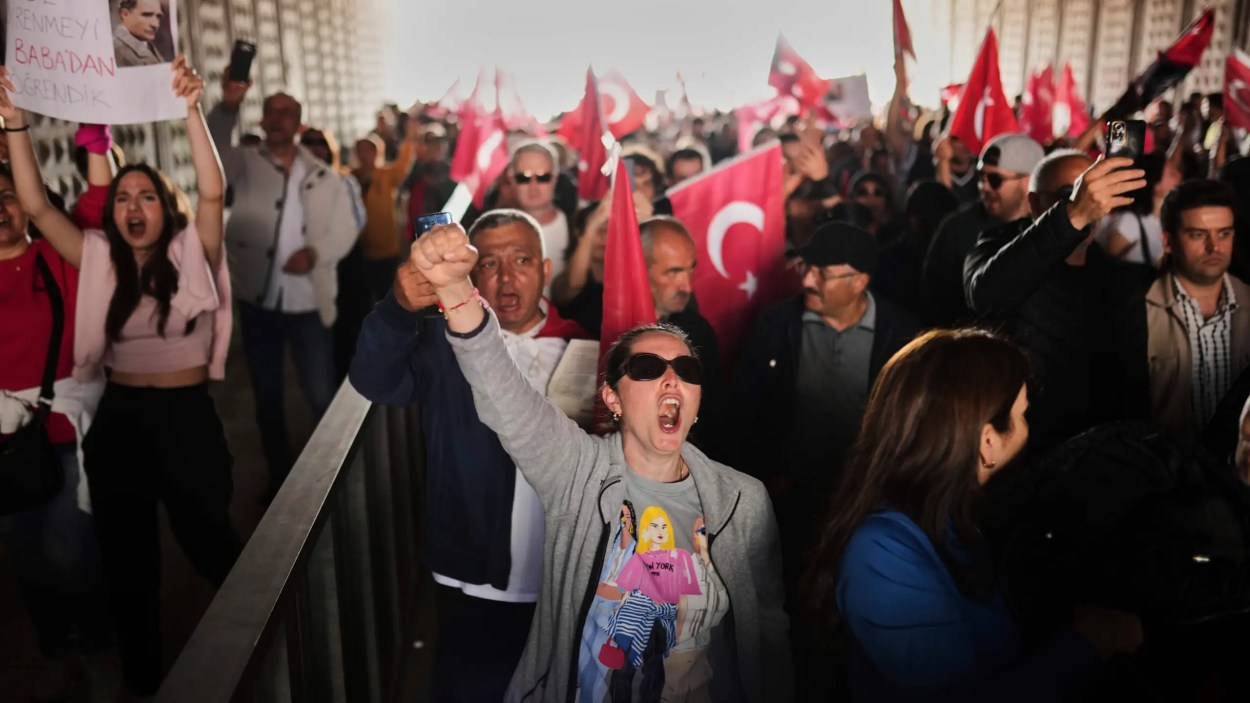
This isn’t just about a jailed mayor. It’s about a nation suffocating under one-man rule, who sits on too many chairs, and many are saying enough.
The opposition claims 2.2 million flooded the streets. Not for a party. Not for a slogan. But for the soul of a republic slipping into shadow.
Erdogan holds the keys to the prison. But the people still hold the streets. He’s been sitting on too many chairs and this is the inevitable consequence. @TheIslanderNews
◾️Protesters from various Turkish socialist organizations storm into police lines during the ongoing unprecedented anti-government protests sweeping the country.
Estambul ruge y la esposa de Imamoglu enciende el fuego.
Ante un mar de resistencia, declaró:
“Sigamos luchando, no por nuestros hijos, ni por nosotros mismos, sino por Turquía”.
No se trata solo de un alcalde encarcelado. Se trata de una nación asfixiada por un solo hombre, que se sienta en demasiadas sillas, y muchos dicen basta.
La oposición afirma que 2,2 millones de personas inundaron las calles. No por un partido. Ni por un eslogan. Sino por el alma de una república que se desvanece en la sombra.
Erdogan puede tener las llaves de la prisión. Pero el pueblo sigue controlando las calles. Ha estado sentado en demasiadas sillas y esta es la consecuencia inevitable.
◾ Massive anti-government protests erupt in Istanbul. Hundreds of thousands swarmed the protest scene despite an initial attempt by police to block access.
Protesters tore down police barricades, leaving security forces unable to prevent the crowds from flooding into the demonstration area. The crowd includes a broad mix of organizations and parties, including numerous socialist, left-wing, and pro-Kurdish groups. The student movement—currently disrupting multiple universities—is also strongly represented.