
Jessica Gaitán Johannesson Explores the Possibility of Parenting in an Age of Climate Emergency
from thefreeonline on February 10, 2023 by Jessica Gaitán Johannesson via Scribe
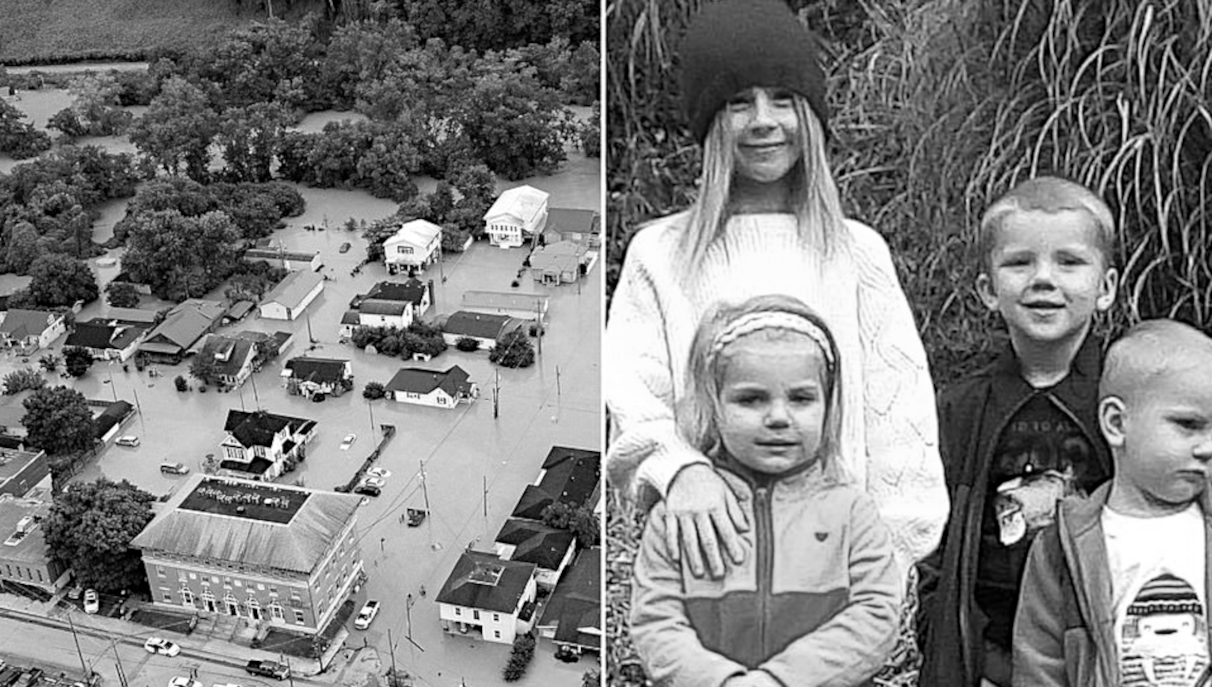
Four siblings drown in Kentucky after being swept from mother’s arms …
Below is an excerpt from the essay “Birth Strike: a Story in Arguments” from The Nerves and Their Endings by Jessica Gaitan Johannesson.
Birth Strike movement was founded in the UK in early 2019 and dismantled in September 2020. As part of a wider sounding of the climate alarm, its founders sought to bring attention to the way in which the current economic system and the resulting climate, societal and environmental collapse are making some too afraid to become parents.
Although the group firmly declared that they didn’t see the climate crisis as being driven by population numbers, but exploitation and inequality, their message was repeatedly misconstrued through the lens of the population argument.
Jessica Gaitan Johannesson has written elsewhere about the racist and patriarchal narratives behind the “overpopulation” myth.
*********
In an interview on UK morning TV in March 2019, two women in their twenties and early thirties were discussing babies. I was supposed to be doing something, hooking one productive hour onto another, but the babies caught my eye for the reason that they would never exist. The sound of them would never crawl out of a hypothesis.
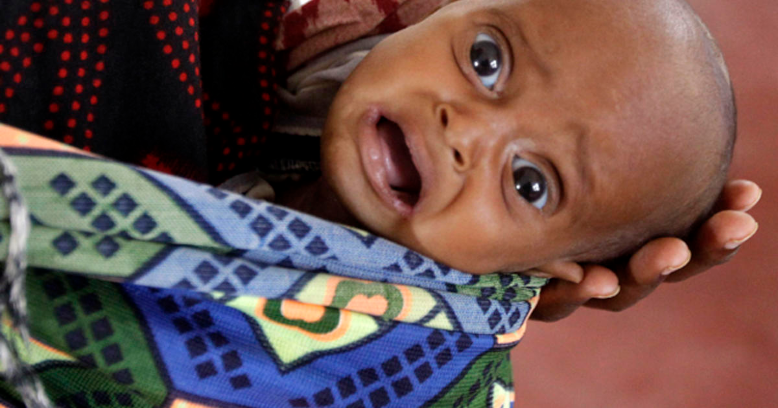
29,000 Somali kids have died in last 90 days – CBS News
One of the women had founded a campaign group, whose aim was to demand urgent governmental action on the climate crisis, including a decarbonization of the economy, but also to open a space of solidarity with others who were too afraid to become parents due to environmental collapse.
“You don’t want to pass that fear on,” the interviewer offered, nodding, as if this particular fear was a genetic condition, lurking in the blood. “I’m concerned there is no future,” the woman, Blythe, said in answer, which should put an end to any condition, blood-carried or otherwise.
The most recent climate models demonstrate that we’re heading for 5 °C of warming by the end of the century, depending on the roles of aerosols, cloud cover, feedback loops. If I had you now, you’d be over eighty years old by 2100.
The strip at the bottom of the screen read: “The women not having kids because of climate change.”
It didn’t mention that they were choosing not to bear children. The existence of a choice appeared to go without saying, as if the climate crisis couldn’t force childlessness upon anyone, or make us do anything that we don’t want to do. It seemed so perfectly possible to have that kind of life, to parent someone into the future, just not for us and in this late segment of history.
Over a cup of coffee and on an average morning, laughing at your father’s improvised songs and barefoot filth covering the carpet, eighty years seems ancient. What promised an autumnal lid of a day with thick rain on the inside has lifted to reveal blood red, pumpkin orange, a river green—the possibility of change in all directions. Eighty years carry an uncertain, therefore endless, number of our weirdo, theatrical mornings.
As if what the climate models said was: we guarantee that your child will live till eighty. They are rather saying the opposite—that I’d never be able to tell you, honestly: “don’t worry, you’ll live until you’re very old.”
Sitting at our kitchen table, chomping on oat cakes, this “not having kids” acted as a lifeline, making it deceivingly straightforward to grab, to hold on to. I kept chomping, one bite elation, one bite “what the hell is this new thing now?,” whilst immediately looking up the Birth Strike website. .
I sent them an email with the subject line “Others who feel like this.” Next, I texted Adam who was at work, equal parts bored and terrified for quite a few months now. Rude customers never give you the impression that they know about existential threats; the need for impeccable service overshadows any sharing of vulnerability.
Lately, more young children had started coming in to the shop where he worked, which was unusual, considering it was a whisky shop. He described them as “flirty,” by which he meant that they tried to engage him in conversation as he shelved Lagavulin. Their parents would look over to him and say things like “oh, she likes you!”—always with a thicker-than-usual Northern accent when he was relaying the scene.
My theory was that encounters with small humans took him back to Bradford. He didn’t know what to do with their willingness to acknowledge him as a fellow inhabitant of earth, and his subsequent reaction: something like joy. It seemed so perfectly possible to have that kind of life, to parent someone into the future, just not for us and in this late segment of history.
Continue reading ““I’m Concerned There is No Future.” – On (Not) Bringing Children Into a World in Crisis –” from
from 








 The Free