


by Anarchist Union of Afghanistan and Iran https://asranarshism.com
آدرس و اسامی صفحات مرتبط با اتحادیه آنارشیستهای ایران و افغانستان shared with thanks. Illustrations added
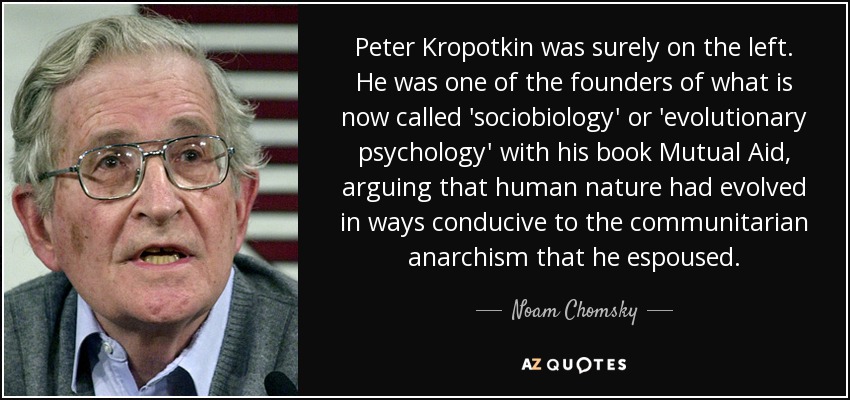
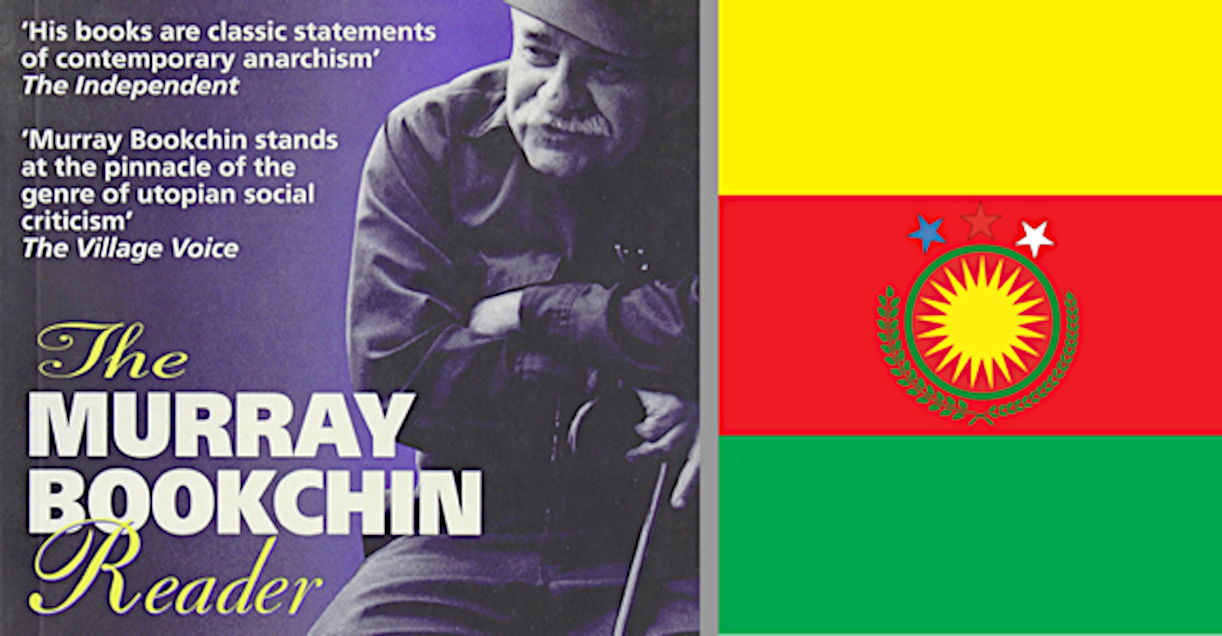
Kropotkin is often heralded as the most important classical anarchist theorist. Bookchin–influenced heavily by Kropotkin– is one of the most seminal theorists in post-classical anarchist period of anarchism. Kropotkin and Bookchin advocate for very similar yet distinct prescriptions of a good society.
They have similarities of anti-statism, anti-capitalism, anti-hierarchical praxis more broadly, socialization and communalization of land, the means of production, distribution, and consumption, more specifically communist forms of distribution according to ability and need.
They even both emphasize the necessity of communal forms as well as an emphasis on technology and achieving a post scarcity society by organizing finitude in a way to make it so there is more than enough for everyone economically.
28 آگوست مدرسه آنارشیستی
Despite Bookchin’s departure from anarchism towards the end of his life, communalism draws ”from anarchism” a “commitment to antistatism and confederalism, as well as its recognition that hierarchy is a basic problem that can be overcome only by a libertarian socialist society,” (Bookchin 2007).
Many of the most important substantial analyses of problems and solutions are consistent between classical anarcho communism of Kropotkin and the non-anarchist yet libertarian communist communalism of Bookchin–so many that there are more similarities between them than there are between Kropotkin and many neo-anarchists
For Kropotkin, anarchists ought to create anarchist specific organizations, organize federations of affinity groups for direct actions, build revolutionary communes, and participate in radical trade unionism.
Kropotkin prescribes worker internationals and refers to worker internationals as waging a “direct…battle of labor against capital- not through parliament but directly by the means that are generally available to all workers,” (Kropotkin 2014, 466).
Continue reading “Comparing and Contrasting Bookchin and Kropotkin.. and the Rojava Revolution”