1. Europe is weak and divided and few would waste their lives to confront Russia’s 5000 Nukes … 2.The 800 billion would have to go for inferior US Arms 3.Without US Satellite Net and Elon’s Starlink Europe would last 3 days.
What kind of “strategic autonomy” can a group of 27 countries with often divergent objectives that depend on a private satellite network and the nuclear cover of a “reluctant ally” have?
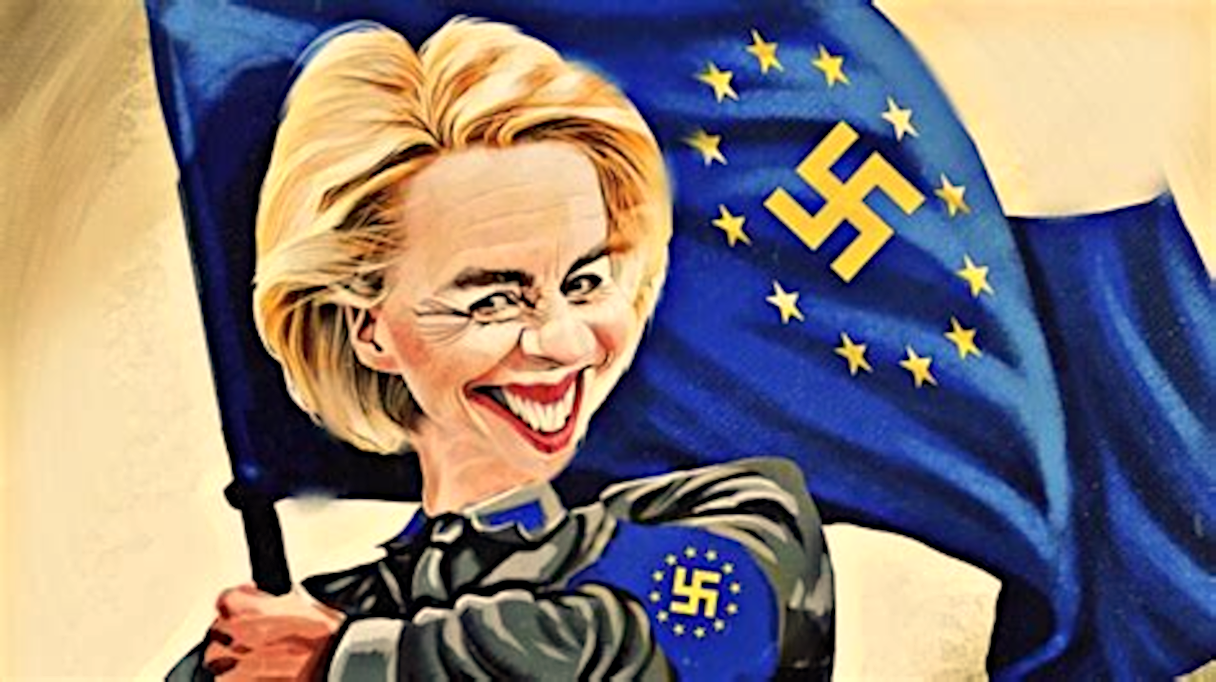
As everyone knows, Ursula von der Leyen launched her €800 billion “ReArm Europe” plan because “ something fundamental has changed.” Our European values—democracy, freedom, and the rule of law—are under threat. We see sovereignty being called into question, but so are ironclad commitments. Everything has become transactional. “The pace of change is accelerating, and the actions needed must be bold and decisive .”
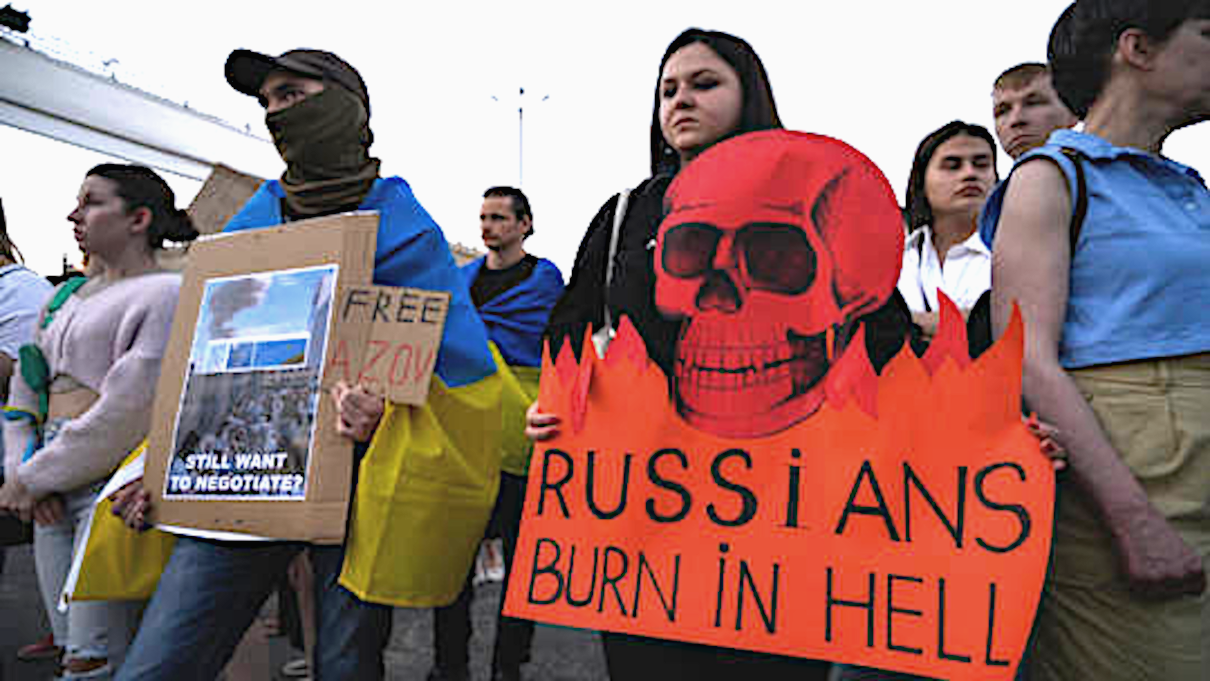
A demonstrator is holding a placard depicting a skull that reads ‘Russians burn in hell’ in Warsaw, Poland
Let’s also ignore for a moment the curious contradiction according to which one would want to rearm to “defend democracy” but, to do so, circumvents democratic institutions and proceeds “autocratically” (the “plan” will not be voted on by either the useless European Parliament or the 27 national parliaments). Translated: in whose name are we rearming ?
It’s also clear that these €800 billion are largely a three-card game, because in reality—with the exception of a portion consisting of new debt issued by both the European Union and individual nation states—a large part of them are transfers of funds intended for European “cohesion funds.” That is, the financial instruments created to ” reduce economic, social, and territorial disparities between EU Member States and regions ,” with the aim of ” promoting harmonious and sustainable development by strengthening economic, social, and territorial cohesion within the Union .”
In practice, Rearm Europe will authorize individual states to take these funds and, instead of spending them on building better infrastructure, wind or solar farms, modernizing water and sewage systems, or providing vocational training for the unemployed or young people, use them to buy weapons.
A vile game, but generally simple, like any low-budget hack.
The real problems, however, begin when you move from “finding the money” (it’s very easy to get into debt) to what to do.
‘The deranged European “elites” will fail, one way or the other. Their perception of reality is distorted by delusions, their resources – military and also intellectual – are far too small, and their aims make no sense. But the problem for the rest of us is that they may yet cause enormous damage on their way down the rubbish chute of history’.
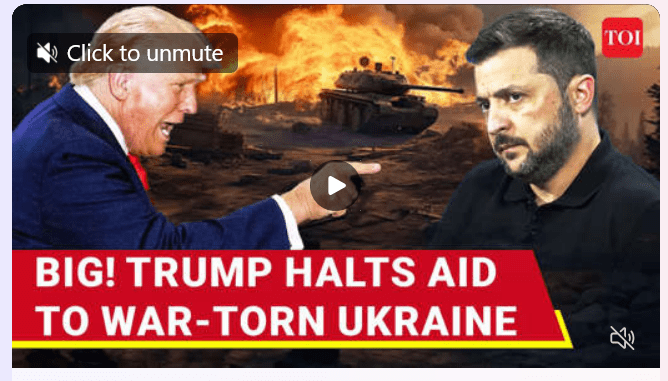
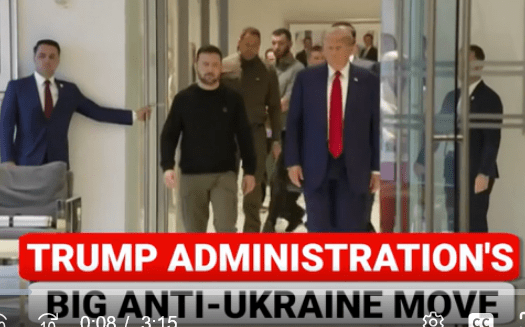
Game Over For Ukraine War? Trump Stops All U.S. Aid To Kyiv Amid War With Russia After publicly threatening Russia Trump has tacitly included Ukraine in the 90 day suspension of foreign aid.
The administration of President Donald Trump has reportedly frozen assistance grants as part of a broader foreign policy audit
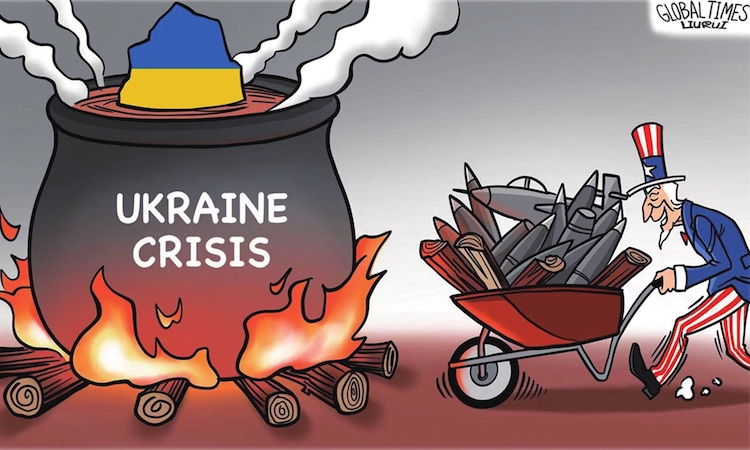
Without US Finance the Ukraine war against Russia has zero future, despite the last minute Billions gifted by Biden. Suspending Aid gives Biden the obvious leverage to force the Ukraine Regimen to make a deal and allow Russia to keep the 4 ethnic Russian oblasts in Donetsk.
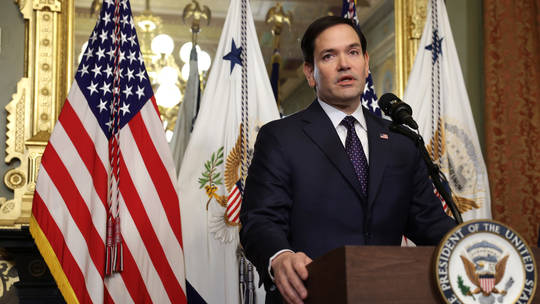
Newly confirmed US Secretary of State Marco Rubio, Washington, DC, January 21, 2025.
US Secretary of State Marco Rubio has frozen nearly all new aid grants to Ukraine for 90 days, Politico reported on Friday. The move comes after President Donald Trump ordered a full review of all foreign assistance.
Rubio instructed diplomatic and consular posts to issue “stop-work orders” on nearly all “existing foreign assistance awards,” Politico said, citing an internal document.
According to Politico, the order “shocked” State Department officials and appears to apply to funding for military assistance to Ukraine.
‘Stealing sovereign reserves by the West in response to political disputes, as in Russia, Libya, Venezuela.. is eroding faith in US dollar hegemony and US ability to indulge in infinite borrowing‘.
EU mulls mobilizing Belgian king’s 81 year old Decree to continue thousands more illegal anti Russia sanctions – FT
The renewal of the restrictions, set to expire at the end of January, has been in limbo due to Hungary’s veto threats
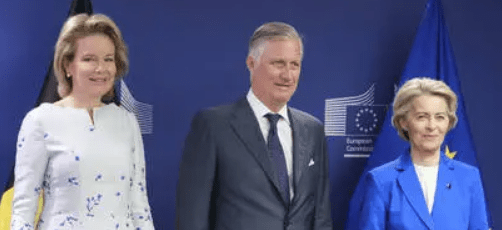
Queen Mathilde d’Udekem d’Acoz ), and King Philippe of Belgium by the President of the EU , Ursula von der Leyen
EU officials are desperately developing backup plans to secure sanctions against Russia, including potentially invoking an 81-year-old law that involves the Belgian king, after Hungary threatened to veto their renewal, the Financial Times reported on Friday.
The bloc is seeking to hold on to the $213,000,000,000 of Russia’s frozen foreign assets seized in the Brussels-based clearinghouse Euroclear and continue diverting billions in interest payments to the Ukraine regime
Hungarian Prime Minister Viktor Orban warned the EU in December that his government could veto the sanctions, which require unanimous approval to be extended.
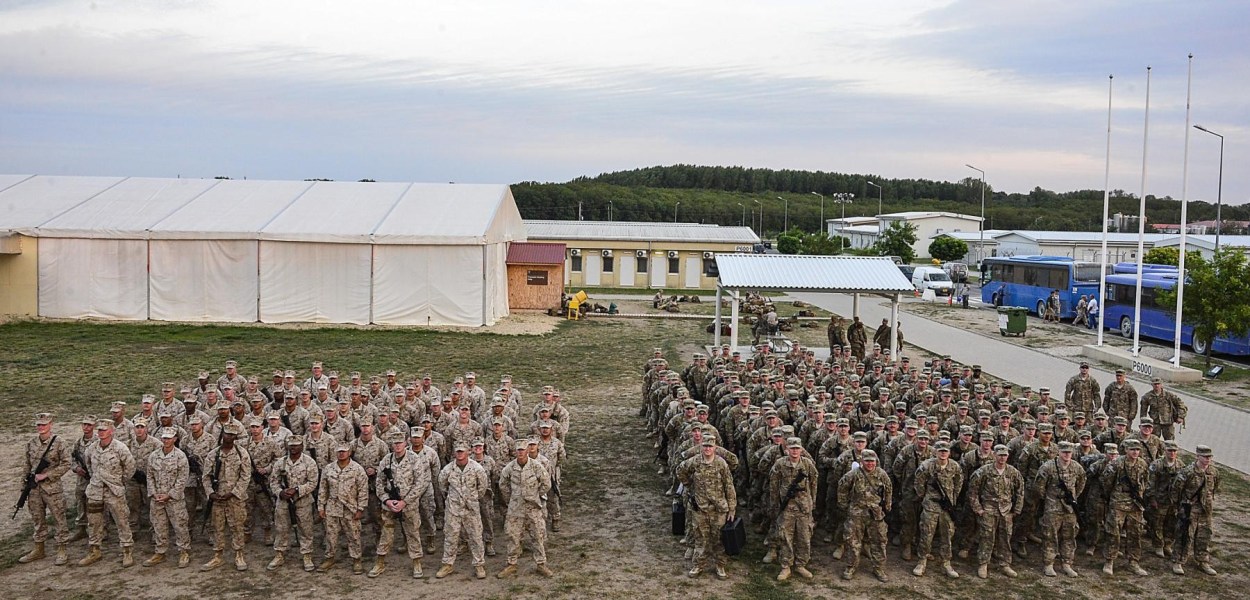
NATO is using Romania as “a door for war,” aiming to launch a major offensive into Russia, independent presidential candidate Calin Georgescu has warned.
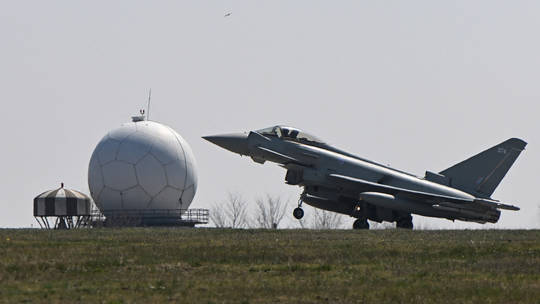
The expansion of the MK Air Base is aimed at starting a conflict, Calin Georgescu has claimed
During an episode of ‘The Shawn Ryan Show’ published on Saturday, Georgescu and former US Navy SEAL Shawn Ryan discussed the coup d’etat in Romania and the potential implications of the military buildup at the Mihail Kogalniceanu (MK) Air Base, the largest NATO facility near the Black Sea.
The presidential candidate has raised concerns over the bloc’s military presence in Romania, warning that the country’s NATO bases could be used to trigger a war with Russia.
“What is happening now in Romania and the fact that there is no reaction from abroad, especially from the United States, shows that they do not understand what is going on here. Because if they use Romania as a door for war, what would be next,” Georgescu told the host in response to a question about whether Romania is “in the midst of a coup right now.”
No official reason has been given for Romania’s constitutional court voiding November’s vote, despite days earlier signing off on the results.
Romania’s Constitutional Court annulled the vote last month, just days after officially endorsing it, citing since-debunked claims by intelligence services that front-runner Calin Georgescu had been boosted by a Russian campaign on TikTok. It has since emerged that the campaign had been the work of a rival Romanian party, but the court has refused to reverse its ruling.
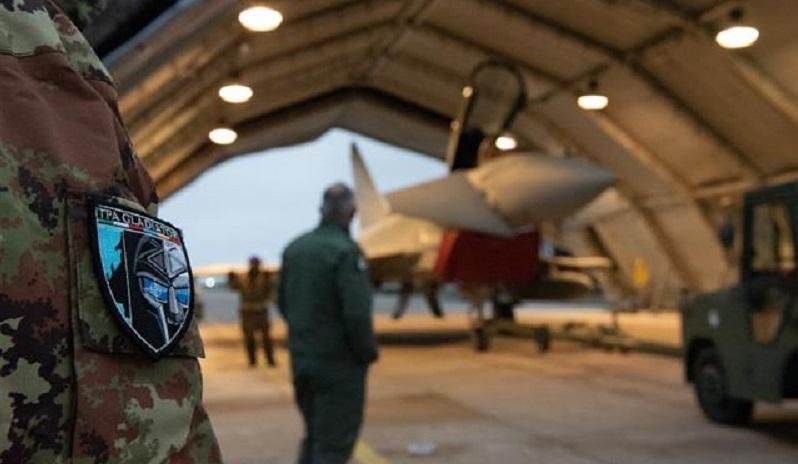
Romania, a NATO member since 2004, has been expanding the MK Air Base to accommodate more troops and military equipment. The project is intended to be NATO’s largest base in Europe. The development was criticized by Moscow, with Andrey Klimov, the deputy chairman of the Federation Council Committee on Foreign Affairs, calling it a “threat for Bucharest.”
According to Klimov, the larger the “anti-Russian” military base and the “closer it is to Russia’s borders, the more likely it is to be among the first targets for retaliatory strikes.”
Asked whether the base would be used to conduct “a major offensive into Russia,” Georgescu responded, “Exactly. This is the word – offensive – which is wrong. And we cannot accept this,” he stated. “Because this is not our business. It’s not our war.”
Georgescu, who is known for his strong Euroskeptic and anti-NATO views, emerged as a frontrunner in Romania’s presidential race in November, securing 22.94% of the vote. His rise fueled speculation that he would push for Romania’s withdrawal from NATO or at least attempt to reduce military cooperation with it.
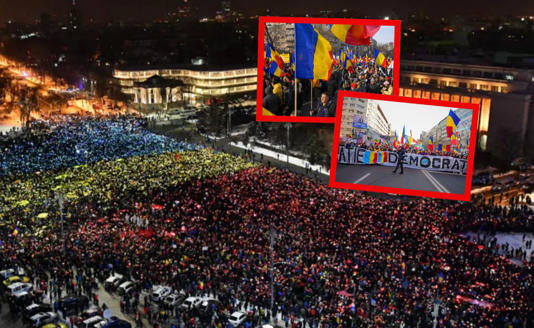
Romania’s Constitutional Court annulled the election ahead of the second-round vote, citing intelligence documents alleging “irregularities” in Georgescu’s performance. This decision sparked rounds of street protests in Bucharest.
Although now admitting that Georgescu was inniocent of the suspivions the Court refuses to back down, its members are extremely pro NATO and open to the heavy pressure from the US and EU, which were shocked by Georgescu’s landslide win in the first election round.
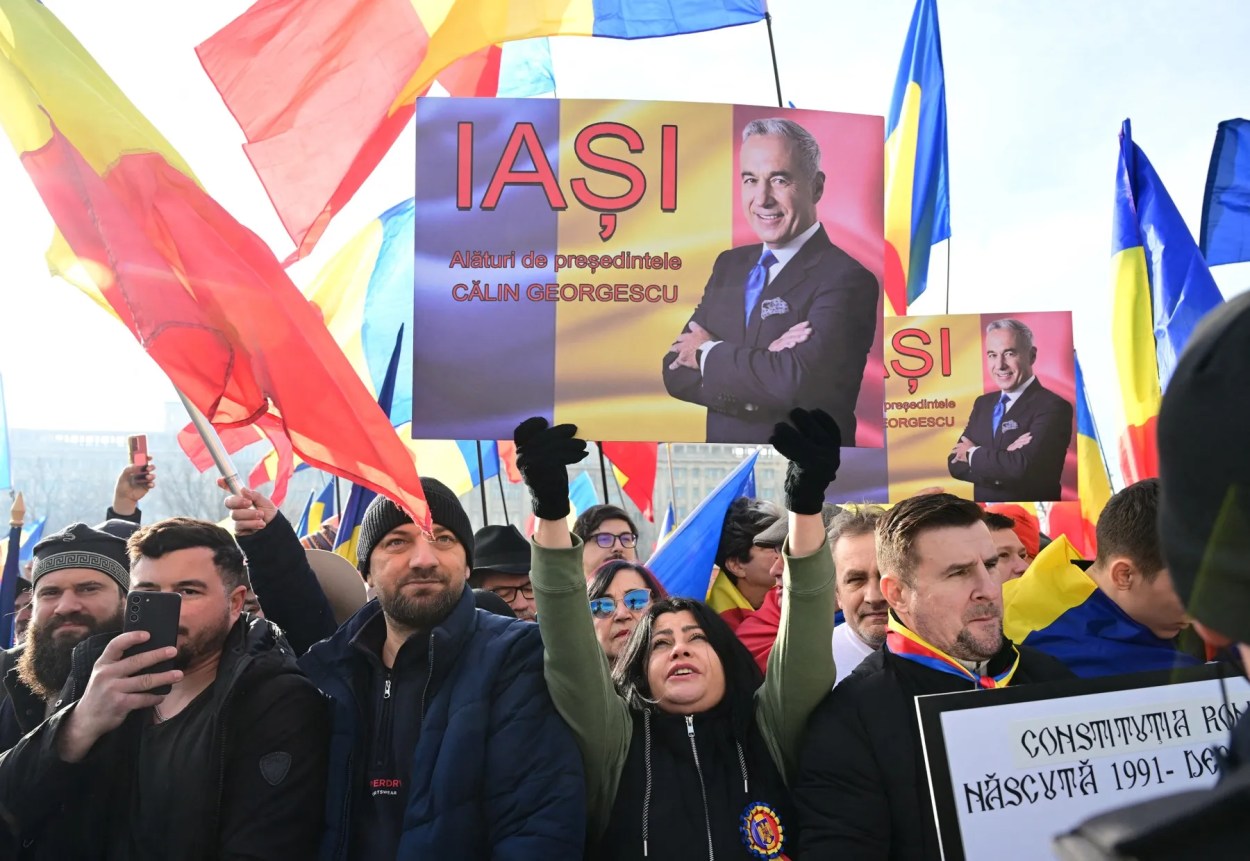
On Friday, thousands of demonstrators gathered outside Romania’s top court, demanding transparency and accusing the authorities of orchestrating an electoral coup.
“Nine people inside, they decide instead of 19 million what they have to do,” the presidential candidate told the host while discussing the cancelation of the second round of the elections. “We ask for help for the democratic institutions, and we want to protect our life, our family, our nation,” he added.
You can share this story on social media:
**********
After NATO’s Romanian Coup, Where Next? -Kit Klarenberg
On December 6th, Romania’s constitutional court made an extraordinary decision to inexplicably overturn first round results of the country’s November 24th presidential election.
The rerun of Romania’s presidential election is scheduled for May 4, 2025, with a potential runoff on May 18, 2025.That’s IF the US gets the right result.
Conveniently, the ruling was made mere days before a runoff that, according to polls, would’ve seen upstart outsider Calin Georgescu win via landslide.
In the process, citizens of all NATO member states were provided with a particularly pitiless, real-time crash course on what could now happen in their own countries, should the ‘wrong’ candidates be elected fair and square.
Georgescu’s stunning victory in the first round caught Romania’s political elite and their Western sponsors off guard, while leaving him the most popular political figure in the country.
Campaigning on a traditionalist, nationalist platform, he extolled views some might consider unsavoury, but also advocated nationalisation, and state investment in local industry. Perhaps predictably, the Western media has universally smeared him as “far-right”, “pro-Putin” and a “conspiracy theorist”, among other now-familiar sobriquets commonly levelled at political dissidents.
Georgescu’s greatest crime is to determinedly oppose continued Romanian involvement in and backing for the Ukraine proxy war.
As Kiev’s Black Sea-facing neighbour, Bucharest has offered significant financial, material and political succour since February 2022, all along running the risk of getting caught in the crossfire.
But in interviews with Western news outlets, Georgescu boldly proclaimed any and all “military or political support” would be reduced to “zero” under his watch:
“I have to take care of my people. I don’t want to involve my people…Everything stops. I have to take care just about my people. We have a lot of problems ourselves.”
No official reason has been given for Romania’s constitutional court voiding November’s vote, despite days earlier signing off on the results.
Nonetheless, in the intervening time, Bucharest’s security apparatus released declassified reports intimating – without making direct accusations or providing any concrete evidence whatsoever – Georgescu’s victory may have resulted from a wide-ranging, Moscow-sponsored influence campaign, delivered via TikTok. Details provided instead pointed to a rather mundane – albeit successful – social media marketing effort.
The plot further thickened in late December, when it was revealed the TikTok campaign that purportedly boosted Georgescu was in fact financed by Romania’s National Liberal party.
This backing helped propel the hitherto obscure candidate to national prominence, the objective potentially being to harm the National Liberal party’s arch nemesis Social Democrats. No evidence of Muscovite funding, let alone support, for Georgescu has ever emerged.
Nonetheless, despite these disclosures, the narrative of Russian destabilisation catapulting him into power has since been invincibly minted.
NATO’s grand and ever-expanding military base in Romania Bucharest’s sprawling territory is home to multiple US missile facilities, and a giant NATO military base, scheduled to soon be greatly expanded, explicitly in service of decisively changing the region’s “balance of power” in the West’s favour. Meanwhile, Romanian presidents wield significant clout in domestic and international affairs.
They dictate foreign policy, serve as commander-in-chief of the armed forces, and appoint prime ministers. All of which points to a far more likely rationale for the presidential election’s abrogation than “Russian meddling”.
‘Without Hope’
On December 10th, the BBC published a striking report on how Romanians were “stunned by the eleventh-hour cancellation of their presidential election.”
The British state broadcaster was at pains throughout to justify the vote’s unprecedented, despotic annulment as proper, reasonably motivated by a “massive” and “aggressive” malign meddling campaign on TikTok – whether of Russian origin or not – improperly skewing the result.
However, the BBC evidently had little choice but to admit Georgescu was enormously, and organically, popular.
For example, NATO veteran Mircea Geoana, Bucharest’s former foreign affairs minister who ran for president in November and finished sixth, was quoted as saying “Romania dodged a bullet” and “came very close” to an all-out coup.
“If Moscow can do this in Romania, which is profoundly anti-Russian, it means they can do it anywhere,” he ominously cautioned.
Still, Geoana conceded there was “a whole cocktail of grievances in our society,” and it would be “hugely mistaken to believe” Georgescu’s success “was just because of Russia.”
The BBC acknowledged immense “fatigue” with Romania’s doggedly pro-Western political establishment widely abounds among the local population, who harbour an ever-growing number of completely legitimate grievances, entirely unaddressed in the mainstream.
By contrast, the British state broadcaster recorded, Georgescu not only spoke openly and passionately about these manifold problems, but offered concrete solutions for tackling them.
And a great many average citizens “liked what he said.” Several Georgescu supporters were duly quoted in the article, issuing effusive praise. One evangelised:
“He’s like a preacher, with a Bible in his hand, and I thought he spoke only the truth…He talks about rights and dignity.
Romanians go to other countries for work, but we have so many resources here. Wood, grain – and our soil is very rich. Why should we be vagrants in Italy?”
The BBC further noted Georgescu’s “pledge to Make Romania Great Again helped him perform particularly strongly among the vast Romanian diaspora.” Given Bucharest’s mass depopulation in recent years, significantly assisted by EU membership, this is hardly surprising.
Ukraine would never have dreamed of going to war against mighty Russia over giving autonomy to a few ethnic Russian oblasts on the border, were it not for long established control and massive cash support from the USA.
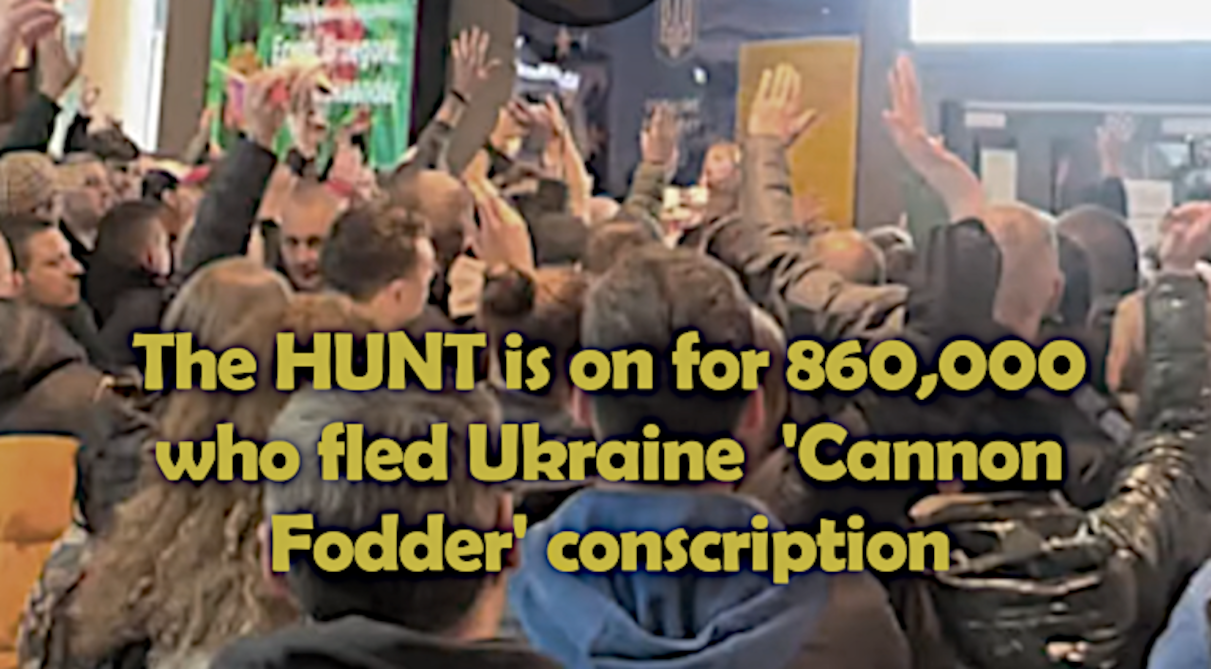
Conscription officers kidnap with snatch squads to send more cannon fodder to the front line, according to multiple videos
Even with gifted arms, training and logistics from the US and 32 NATO States they could finally never have enough soldiers to win.
Barring mutual suicide in a western triggered Nuclear Armageddon Ukraine was always bound to lose. By now a third have fled the country, the economy is dead, only surviving on Western donations to the corrupt and nazi infested State apparatus.
It’s now impossible to fill conscription quotas, and sending untrained old men straight to the front lines is nothing but a death sentence. Those who cannot flee have to live in hiding and are ruthlessly hunted down by conscription police thugs.
Ukrainian authorities are pushing their mobilization campaign to the limit, with many encounters between target recruits and conscription officers descending into violence, according to videos shared on social media over the past week
A video from the scene shows a Ukrainian service member cocking his gun to disperse the crowd. According to media reports, and judging by the clip, the man was able to walk away from the conscription officers.
According to a clip published by several media outlets on Tuesday, one of the most brutal incidents occurred in Lviv, in western Ukraine. Three conscription officers in uniform can be seen trying to force a middle-aged man into a minibus as he fiercely resists.
One soldier is seen kicking the man multiple times in the knee. After a severe beating, the draftee ends up in the vehicle, and his further fate is unknown.
Responding to a public outcry, the local recruitment office claimed the man was eligible for mobilization but did not have any ID documents. The military said it tried to take the would-be conscript to the local recruitment office, but he refused and lashed out at the officers, leading to a clash. The office also said those involved in the encounter have been suspended.
Another clip released on Sunday shows the moment Ukrainian recruiters attempted to arrest a man in Kamenets-Podolsky, in western Ukraine, reportedly breaking his arm in the process.
anarcomuk.uk/2025/The following interview was carried out by comrades from the Československé anarchistické sdružení – CAS a Czech Internationalist Anarchist Group.
1)Please introduce yourself briefly to the readers of our magazine. Are you from Ukraine, where you were born and spent your youth? Hi. My name is Vadym Yakovlev, I’m Ukrainian queer writer and journalist and […]
The following interview was carried out by comrades from the Československé anarchistické sdružení – CAS a Czech Internationalist Anarchist Group.
1)Please introduce yourself briefly to the readers of our magazine. Are you from Ukraine, where you were born and spent your youth?
I was born in Odesa, the largest southern multicultural city in Ukraine, a few months before the collapse of the USSR.
My mother is Ukrainian and my father is Russian.
Their fathers were military. My father worked in a factory. With the collapse of the USSR, the factory was closed, and my father lost his job. It affected my family and my childhood.
At home my relatives spoke Russian and Ukrainian, so I never focused on issues such as national identity. My family was an unhappy international family that lost a lot with the collapse of state communism in Ukraine.
I guess all of that influenced me a lot in my search of my true political views and my desire to do something that can have influence on society.
2)You left Ukraine, what led you to this decision?
On the one hand, I could no longer work in Ukraine because of my political beliefs.
The Ukrainian intelligentsia, journalists and artists as a community with the beginning of the war decided to become privileged elite propagandists in the service of the state.
I didn’t want to be a propagandist, so I lost the opportunity to publish my articles. And if you publicly express in Ukraine the views I have, authorities can put you in the jail.
For a man his age, incoming US president Donald Trump has a knack for cultivating a bad-boy image. Refreshingly direct to the point of rude honesty, or dishonesty, as the case may be, he has no time for polite circumlocution. His threats are harsh, his demands unvarnished, including toward Washington’s so-called allies in Europe, which really are, at best, clients, and, more realistically, just vassals.
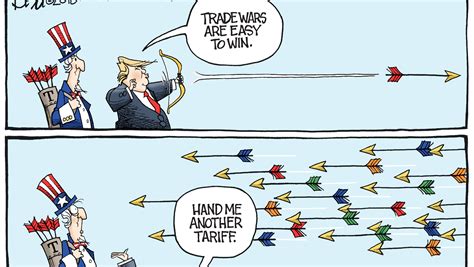
In that spirit of candid, no-frills domination, Trump already has a long record of threatening NATO, which he sees – plausibly – as a scam in which European members fleece the US to free-ride on its insane (but that’s a different story…) military spending.
The problem with Trump is that he is uncouth enough to know the real relationship is much more like Don Corleone “protecting” your funeral parlor. And he behaves accordingly: Even during his first term in the White House between 2017 and 2021, he started scaring other NATO members into higher military spending, while never allowing them to feel safe about his commitment.
Art of the tough deal: Keep ‘em guessing, keep ‘em on their toes. And it worked, too: the European spongers began to pay more. So, there will be more of that, rest assured. If, that is, there will be a NATO to speak of.
Even less noticed is the fact that the new old US president – and thus capo dei capi of the West – is not much kindlier disposed toward the EU.
And yet there it is: Trump’s frank, open, and long-standing dislike for that strange bureaucratic behemoth that is about as democratic as the former Soviet Union, less efficient than the Habsburg Empire, and so full of its global “norm-setting” mission that even American “indispensability” looks oddly old-fashioned by comparison.
As early as the beginning of 2017, when the great American bruiser gate-crashed the White House for the first time, The Economist warned its European readers to “be afraid” of Trump, a man harboring “indifference” and “contempt” for the EU. Really? How unheard of! The raunchy-tycoon-turned-peremptory-president, the British establishment Pravda of neoliberalism and Russophobia explained, would seek to shatter the EU by playing “bilateralism.”
That, of course, is Euro-babble for respecting individual countries’ governments by taking their sovereignty more seriously than power-grabbing delusions of grandeur in Brussels. And – oh, horror! – he might even try to talk Russia. (Spoiler: back then he did not – big mistake.)
That, however, was 2017. Now, things have moved on. Even before Trump won his second presidential election by crushing his Democratic opponents, The Economist admitted that “’Trump-proving’ Europe” is a notion doomed to fail, which means EU leaders may well become “geopolitical roadkill.” How so, you may wonder?
Well, first of all there is Russia. Regarding Moscow, Trump seems ready to talk, and in a substantial manner we have not seen since the end of the Cold War: He has publicly signaled that he does not believe in trying to coerce Moscow by further escalation; his freshly appointed advisers Mike Waltz and Keith Kellogg, though known for ambiguous signals in the past, will fall into line, as they should as public servants. And if not, they’ll be fired, Trump-style, fast and without remorse.
To say the least, Trump no longer feels as restrained by Washington’s deep-state, deep-freeze Cold War re-enactors as during his first term. Sure, it’s the US: there is always the possibility someone might try to murder him, again.
 The Free