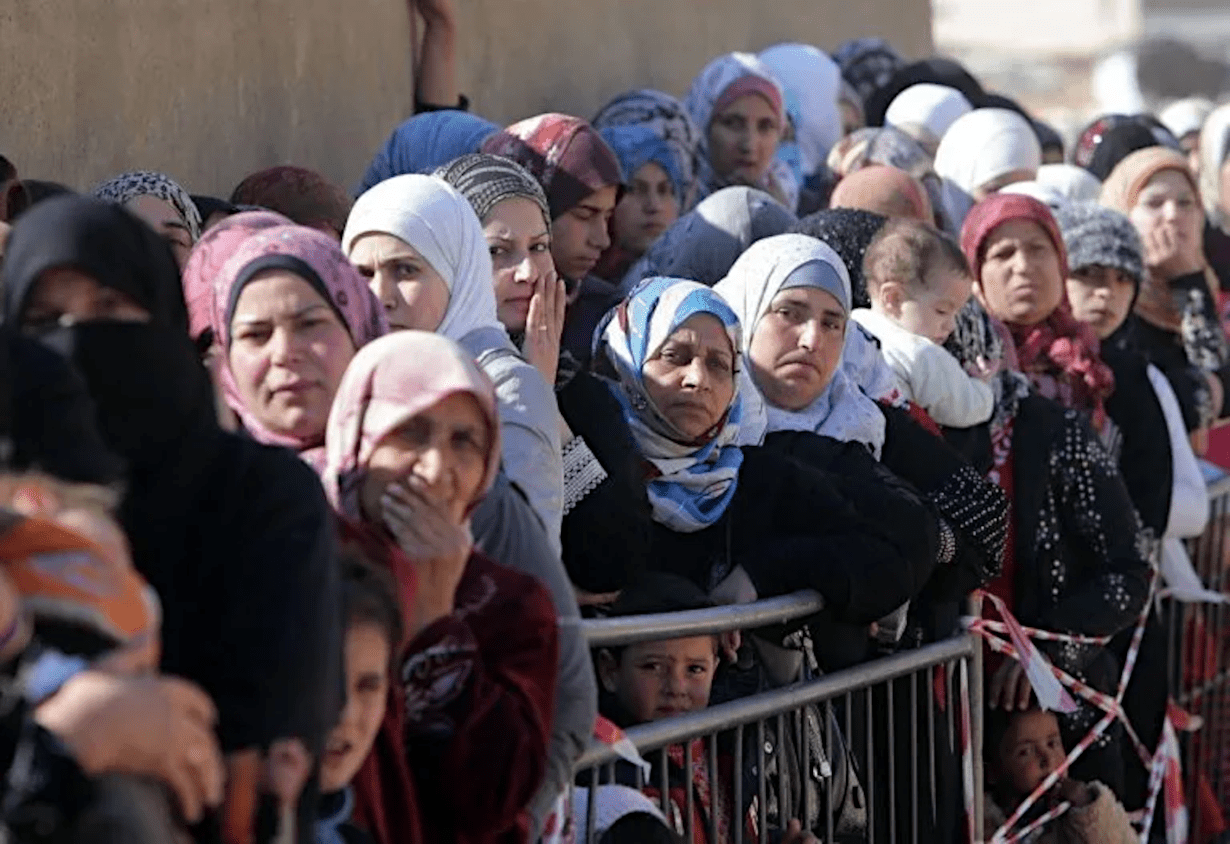
Despite being among the most impacted by economic war, women continue to foster a sense of solidarity, care, and hope in humanity.… via thefreeonline at https://wp.me/pIJl9-Gsw Telegram.. https://t.me/thefreeonline/2725
20 March 2025 By Vijay Prashad / Tricontinental: Institute for Social Research The 12th Newsletter (2025) Download PDF Español Português हिन्दी Italiano ไทย … Newsletters
Dear Friends,
Greetings from the desk of Tricontinental: Institute for Social Research.
In 1945, when the United Nations Charter was drafted, its authors and those who first adopted it carefully crafted language on how to deal with armed conflict in the world.
Between the signing of the charter in June and its coming into force in October, the United States dropped atomic bombs on two Japanese cities: Hiroshima, on 6 August, and Nagasaki, on 9 August.
It is hard to digest the fact that as the charter’s solemn preamble was being formalised, setting out to ‘save succeeding generations from the scourge of war, which twice in our lifetime has brought untold sorrow to mankind’, the United States armed forces were preparing to destroy two civilian cities in a country already on the brink of surrender.
Nonetheless, the authors of the charter thought long and hard about the problem of belligerent states and produced Chapter VII, which outlines two approaches to prevent war. The first approach was to use as many non-military methods as possible (Article 41) before the United Nations could authorise violence against a belligerent state (Article 42). .
The charter noted that the UN Security Council (UNSC) ‘may decide’ to call for the ‘complete or partial interruption of economic relations and of rail, sea, air, postal, telegraphic, radio, and other means of communication, and the severance of diplomatic relations’.
The only time that the UNSC has used the full weight of Article 41 has been against the racist government of Southern Rhodesia from 1968 (UNSC Resolution no. 253) to 1979 (UNSC Resolution no. 460), with near full use of the article against Iraq from 1990 to 2003 and Yugoslavia from 1992 to 1995.
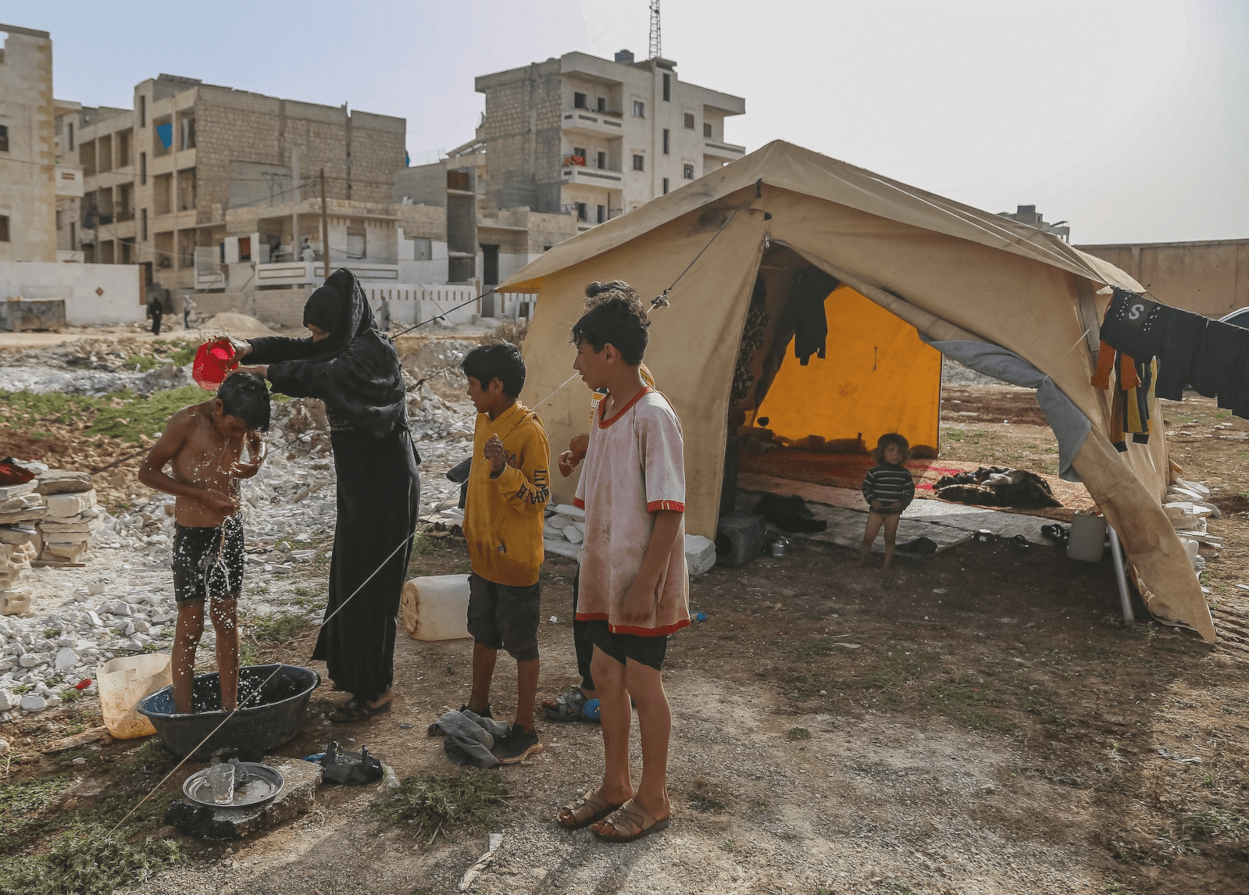
How the US and Israel Destroyed Syria and Called it Peace
The most important thing about this resolution is that the use of sanctions (a word that does not appear in the charter) must be authorised by the UNSC. One state can apply its own sanctions on another state in a bilateral dispute, but it cannot legally force other states to abide by them. To do so is a violation of the UN Charter... Unilateral sanctions hurting civilians must be dropped, says UN
The last point is pertinent because the United States currently imposes sanctions (a form of Unilateral Coercive Measures- UCMs) against about forty countries without a UNSC mandate.

US official says Washington ‘will continue sanctions’ on Iran
And these have been increasing: from 2000 to 2021, the last period reviewed by the US Treasury Department, the number of US sanctions increased by a remarkable 933%. The reason why US sanctions, which would be legal if they were merely bilateral, are illegal is that the United States chastises and punishes third countries that violate them and transact normal commerce with sanctioned countries.
Because the United States is at the center of the international financial system (with the dollar, the SWIFT global payments system, and its veto power in the International Monetary Fund), it is able to strangle countries that otherwise would be able to compensate for the loss of trade with the US by trading with the rest of the world.

The use of the word ‘strangle’ is not innocent. It is important to understand how these sanctions work: there are primary sanctions on targeted countries; secondary sanctions on firms or countries that trade with the targeted country; and tertiary sanctions on firms or countries that face secondary sanctions. This is endless.
The gap between these unilateral coercive measures (UCMs) and a war with bombs is certainly great since the latter are far more destructive to the material infrastructure of the target country, yet the essence of the assault is the same: two forms of war, one with the harshness of blockades and the other with the viciousness of bombs. Sometimes people in power openly acknowledge the devastation.
- US Sanctions Are Deadly, Illegal and Ineffective – Truthout
- US Sanctions Are Brutal and Inhumane. And They Don’t Work.
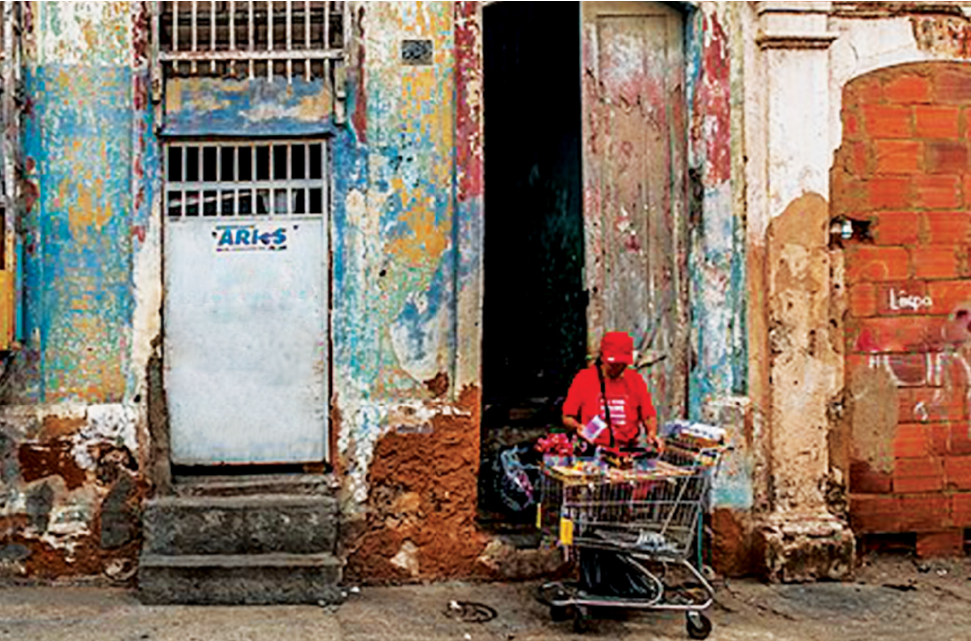
It is what has garrotted Cuba since 1962. Study upon study shows that they hurt the poorest of people in the societies under attack. They are as ‘targeted’ as the ‘smart bombs’ that destroy entire neighbourhoods and wipe out entire families.
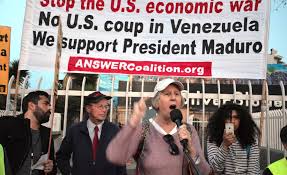
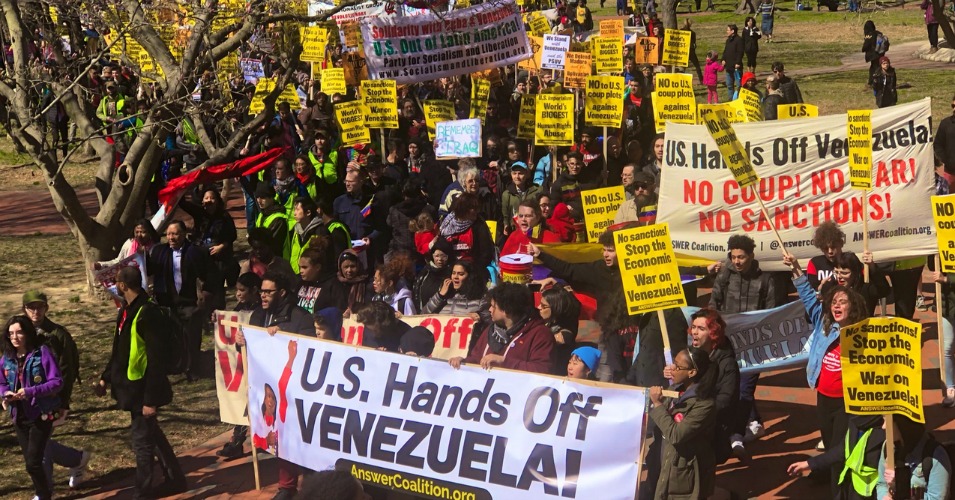
When US Secretary of State Mike Pompeo was asked in 2019 by the Associated Press’s Matt Lee about the UCMs imposed on Venezuela, Pompeo replied:
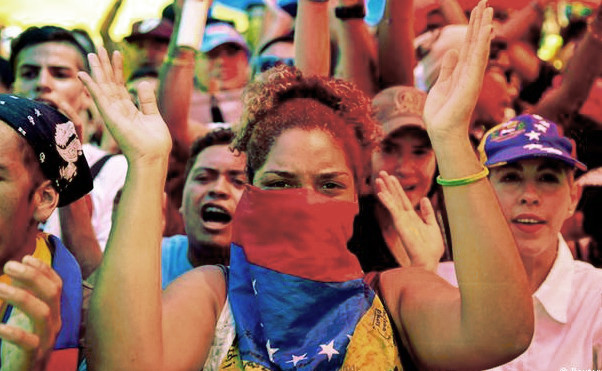
‘The circle is tightening. The humanitarian crisis is increasing by the hour. … You can see the increasing pain and suffering that the Venezuelan people are suffering from’. .. Pompeo
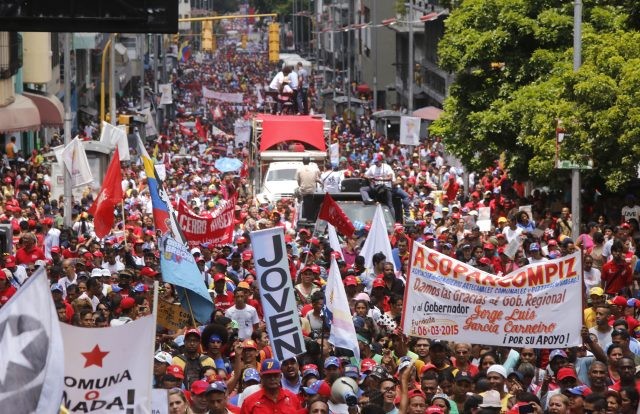
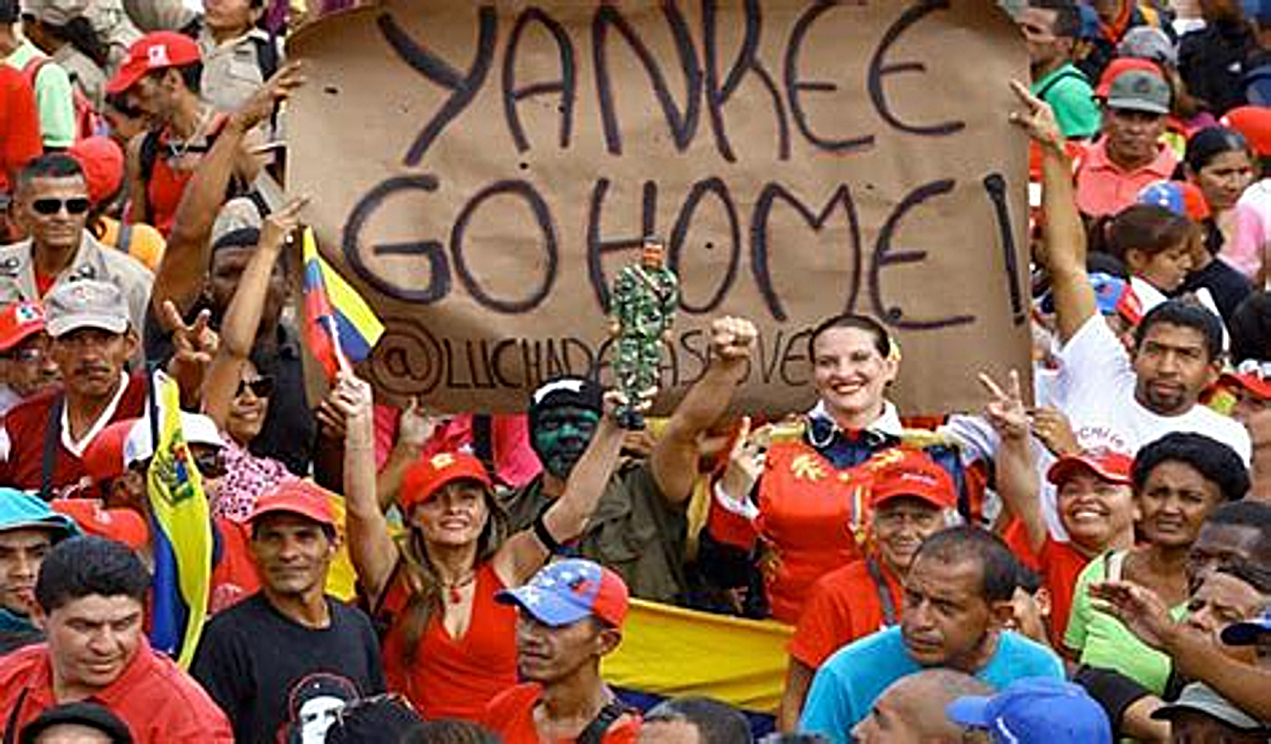
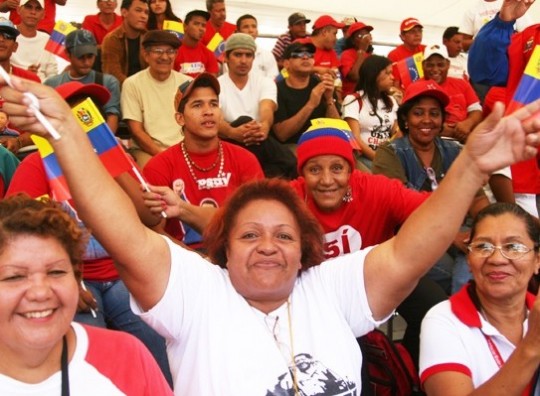
But despite hardship and a repressive police state most Venezuelans survive, due to social solidarity, cheap or free health, education and housing (when available due to the blockade) and a genuine bottom up movement of large production and consumption Communes, hardly ever mentioned in western reporting. see..Long Live the Commune! 1st laws of Communal Power presented to Venezuela parliament – The Free
Continue reading “Unilateral Coercive Measures (illegal US Sanctions) and the War on Women/Venezuela – Vijay Prashad”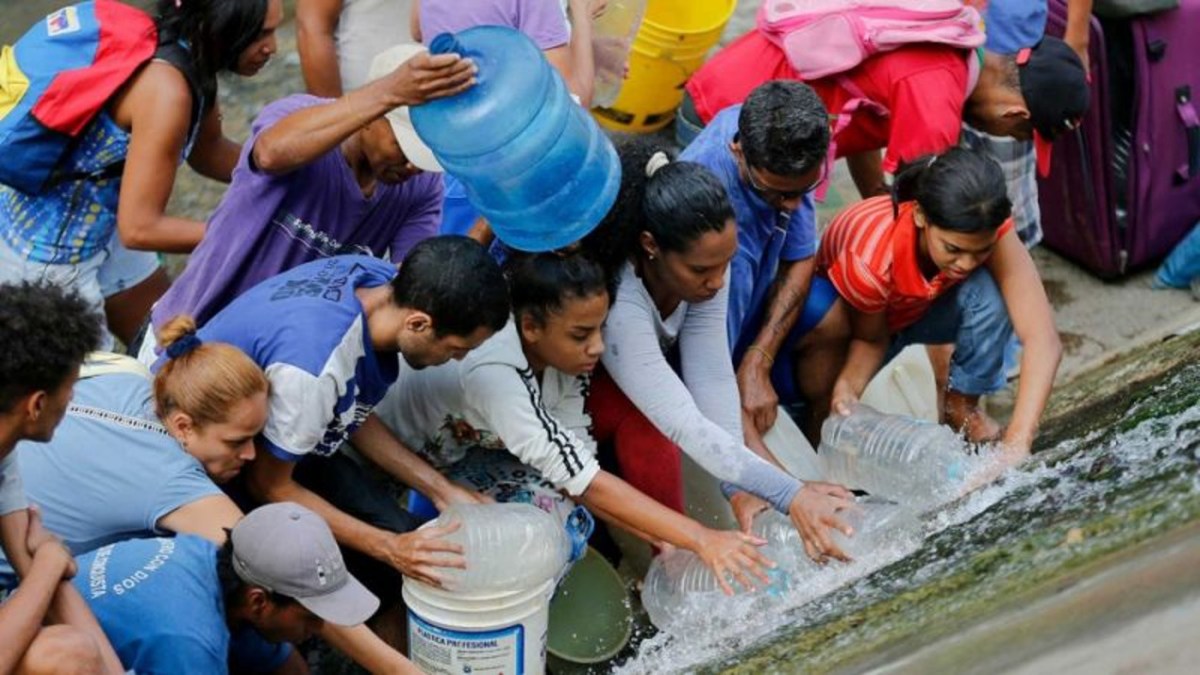

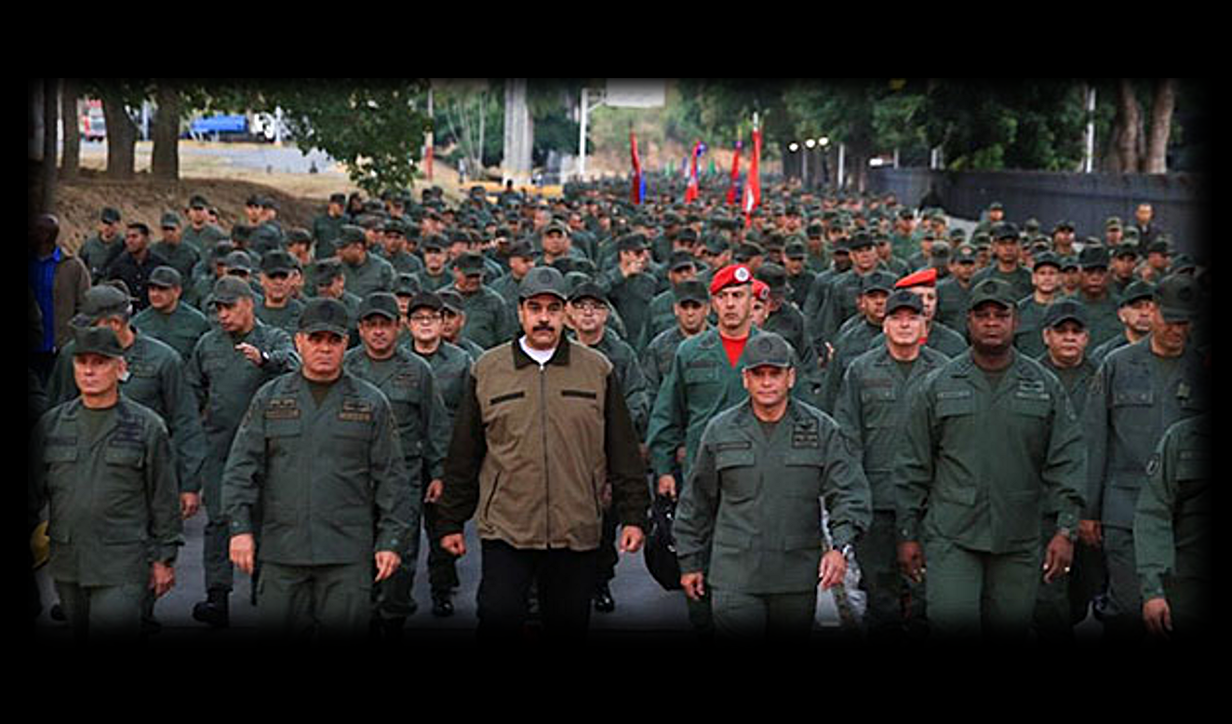

 Yesterday the BBC dedicated its top world headline to the fact that an ex Venezuelan judge accused the president of corruption. .. Sorry? What? Who cares?

 The Free