
 Enjoy Fresh Food in Winter
Be more self-reliant by using natural cold storage.
Picture yourself on a frosty Christmas Day(okay in the Nth Hemisphere) serving your own tomatoes or carrots so sweet they’re like candy. And there you are in January, pulling crisp, fresh, raw heads of Chinese cabbage from a box in your cool cellar. Now it’s February, and in one hand, you’re hefting one of those big, rough-looking but fine-grained ‘Long Season’ beets for dinner and, in the other hand, several apples for the lunch box.
Fast-forward to March, and you’re returning to the warm kitchen with a fistful of carrots. Even in April? Of course. That’s you proudly adding your own garden-grown 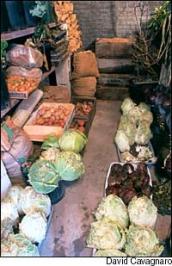 potatoes and garlic to the dinner menu.
In May, you might even find yourself, as we have, eating homegrown sweet potatoes. If you don’t grow a garden, you can buy carefully grown local vegetables in the fall, when they are at peak condition and prices are low, and store them for winter………..
Natural cold storage dovetails beautifully with the best use of your garden space. Many storage crops can be grown as succession crops after early peas, lettuce, radishes, spinach and snap beans.
This fall crop is the second half of the growing season, the half we miss out on if we don’t replant. When you have a cold place waiting for them, these fall-harvested vegetables can carry you well into a new-year bonus of productivity from the same patch of garden soil.

 The Free