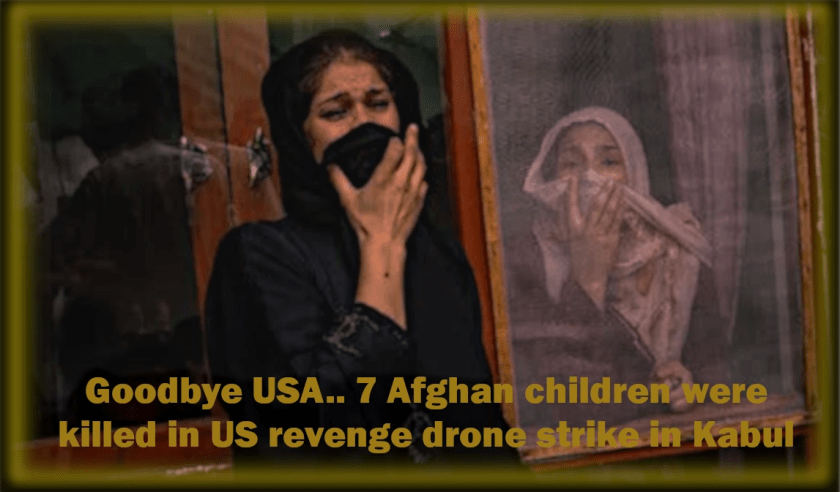
10 family members, 7 Children awaiting evacuation Killed in botched US revenge Drone Strike before Exit Deadline – Washington claims ISKP fighters were the target
Kabul, Afghanistan – The Ahmadi and Nejrabi families had packed all their belongings, waiting for word to be escorted to Kabul airport and eventually moved to the United States, but the message Washington sent instead was a rocket into their homes in a Kabul neighbourhood.
The Sunday afternoon drone attack, which the US claimed was conducted on an Islamic State in Khorasan Province (ISKP, or ISIS-K) target, killed 10 members of the families, ranging from two to 40 years old.
What is the purpose of our educational institutions?
How deeply do the premises of those institutions shape the ways that we approach learning, even in our “free time”?
How else might we go about developing and exploring our capacities?
“Education is what survives when what has been learned has been forgotten,” B. F. Skinner put it. In other words, the function of education is not to enable the learner to acquire specific skills or knowledge so much as to inculcate certain habits and ways of thinking.
In a hyper-capitalist society, in which educational institutions chiefly serve to rank and categorize job applicants, the role of schools is not just to prepare us for the working world, but to resign us to it, reducing our ability to imagine any other form of learning.
The following text originally appeared in 2005 in the first issue of Rolling Thunder, our Anarchist Journal of Dangerous Living. In the years since, between declining employment prospects and “remote learning,” the horizon students face has only become bleaker.
THIS POST IS A CRITICAL EVALUATION OF A PUBLISHED PAPER IN THE AAAS JOURNAL THAT ESTABLISHES THE CREDIBILITY OF CLIMATE SCIENCE WITH THE STATEMENT THAT “EVEN 50 YEAR OLD CLIMATE MODELS CORRECTLY PREDICTED GLOBAL WARMING.
Global temperatures have risen approximately 0.9°C since 1970, though some areas have warmed much more than other
s. Seven older models missed the mark by as much as 0.1°C per decade. But the accuracy of five of those forecasts improved enough to match observations when the scientists adjusted a key input to the models: how much climate-changing pollution humans have emitted over the years.
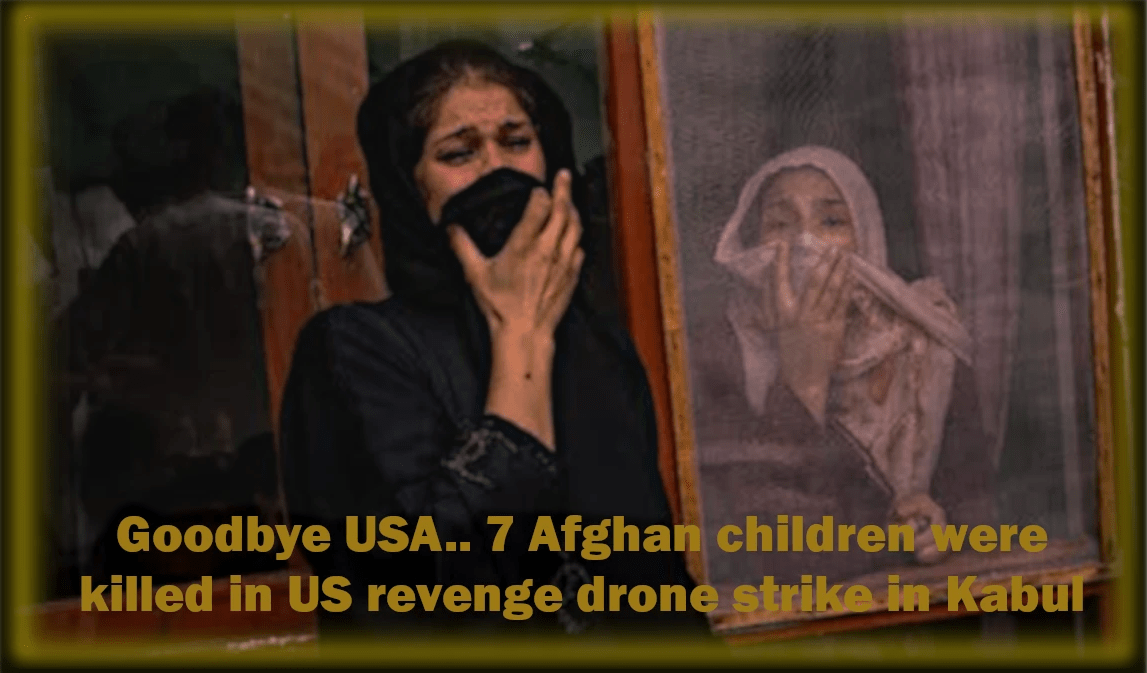
10 family members, 7 Children awaiting evacuation Killed in botched US revenge Drone Strike before Exit Deadline – Washington claims ISKP fighters were the target
Kabul, Afghanistan – The Ahmadi and Nejrabi families had packed all their belongings, waiting for word to be escorted to Kabul airport and eventually moved to the United States, but the message Washington sent instead was a rocket into their homes in a Kabul neighbourhood.
The Sunday afternoon drone attack, which the US claimed was conducted on an Islamic State in Khorasan Province (ISKP, or ISIS-K) target, killed 10 members of the families, ranging from two to 40 years old.
Aimal Ahmadi, whose nieces and nephews were among those killed, is still in disbelief. Like others in the neighbourhood, he is incensed that his brother and nephews and nieces were never recognised in the media as what they were, a family going about their life.
« El ‘marco temporal’ es un camino del enemigo del bosque contra mi gente. La demora para mí significa robar más tierra Yanomami. Robar más de nuestras tierras que ya han sido demarcadas, ratificadas y registradas por el gobierno brasileño. »
Portavoz y chamán Yanomami Davi Kopenawa
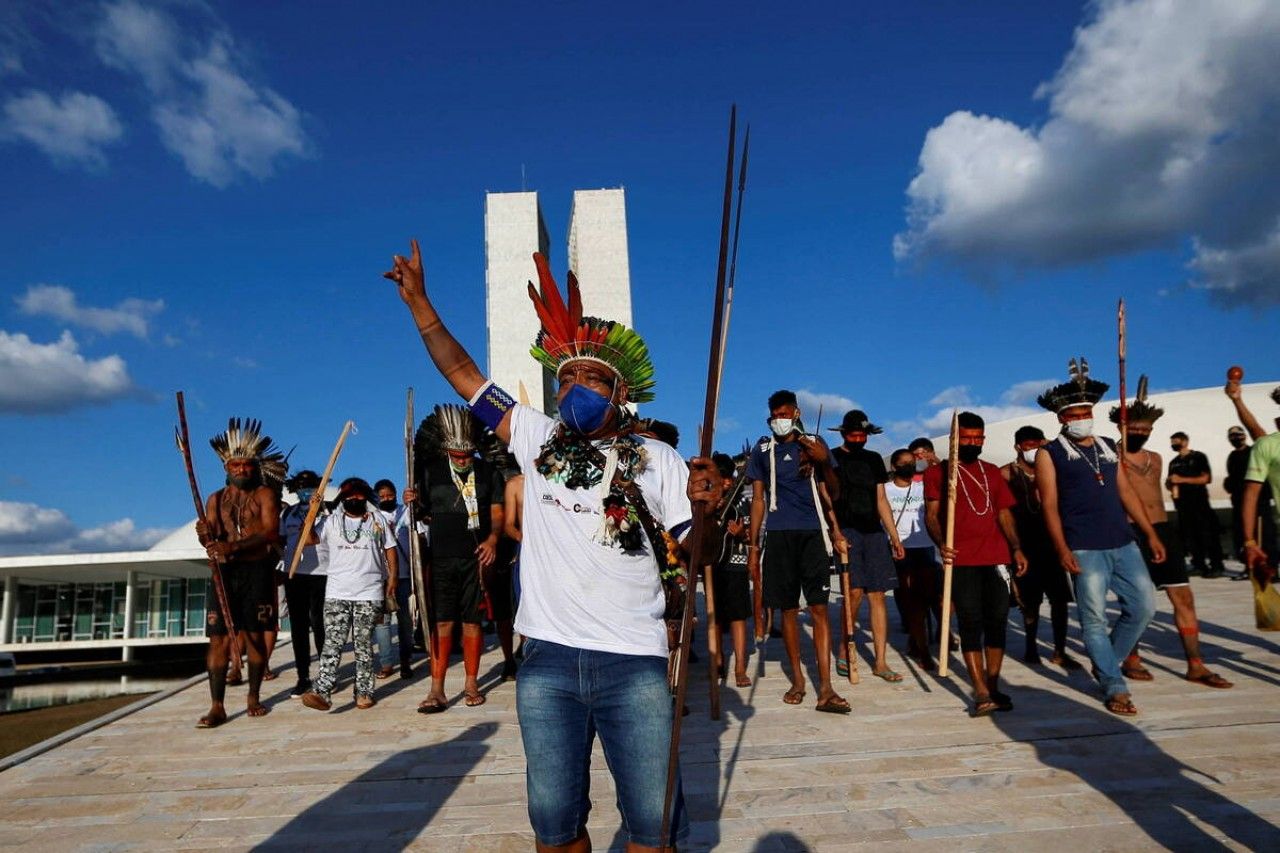
Desde el 22 de agosto, más de 6.000 indígenas de 176 naciones indígenas se han reunido frente a la Corte Suprema de Brasil en Brasilia para exigir que los jueces fallen a su favor y rechacen el « marco temporal » de 1988 adoptado por el gobierno de Bolsonaro en 2016 y promovido por los sectores agroindustrial, ganadero, forestal y minero aurífero.
El recurso judicial del pueblo Xokleng del estado de Santa Catarina, argumentando que el « marco temporal » es una interpretación demasiado estrecha de los derechos indígenas que solo reconoce las tierras ocupadas por las comunidades indígenas en el momento en que se ratificó la constitución de Brasil en 1988 , es el caso que se debate actualmente en la Corte Suprema.
Las comunidades Xokleng fueron expulsadas de sus tierras ancestrales por los colonos europeos hace más de un siglo.
Si el caso se decide a favor de los Xokleng y se restauran sus tierras, 830 agricultores corren el riesgo de ser desalojados de granjas en tierras originalmente robadas a los Xokleng por sus antepasados predominantemente alemanes.
Sin embargo, si el « marco temporal » para los reclamos de tierras indígenas se mantiene en los tribunales, sentaría un precedente para el repudio de los derechos indígenas que el presidente de extrema derecha ha promovido desde su elección. Dijo que los pueblos indígenas tienen demasiada tierra, lo que dificulta la expansión de los intereses comerciales y las industrias extractivas.
Las fotografías de satélite muestran claramente que las reservas indígenas contienen las áreas forestales más protegidas y vírgenes de Brasil.
Según el relator especial de la ONU sobre los derechos de los pueblos indígenas: « Si la Corte Suprema acepta el llamado … argumento del ‘marco temporal’ en su decisión sobre la demarcación de tierras, podría legitimar la violencia contra los pueblos indígenas y desencadenar conflictos en la selva amazónica y otras regiones. »
Los pueblos indígenas del campamento « Lucha por la vida » sostienen pancartas que proclaman « ¡Fuera Bolsonaro! » y « La tierra indígena es la vida » y « Nuestra historia no comienza en 1988. ¡Hemos resistido durante más de 12.000 años! »
La sentencia sobre la cuestión del « marco temporal » de delimitación de tierras indígenas está ahora suspendida hasta el 1 de septiembre.
¡LA MOVILIZACIÓN CONTINÚA!
¡Los pueblos indígenas de todo Brasil siguen reunidos en el Campamento « Lucha por la vida » en Brasilia contra « Marco Temporal » y en defensa de sus derechos!
Más información sobre las actividades organizadas por la Articulación de Pueblos Indígenas de Brasil están aquí:
La Suprema Corte de Brasil postergó este miércoles el juicio sobre el denominado Marco Temporal, el cual amenaza las demarcaciones de tierras indígenas. Aunque no se conocen detalles de la suspensión del juicio por parte de los magistrados, se estima que para el próximo jueves se conocerá el dictamensobre el polémico proyecto que es impulsado[…][…]
You are your own biggest weakness, but changing just a few of your behaviors can reduce the chances that your online accounts get breached.
09:00 AM
There are two big reasons why people get hacked. Flaws in software and flaws in human behavior. While there’s not much you can do about coding vulnerabilities, you can change your own behavior and bad habits.
Just ask former US president Donald Trump, whose Twitter password was “maga2020!” Or Boris Johnson, who revealed details of sensitive Zoom calls at the start of the pandemic in 2020. (These world leaders will have had specific security training from protection agencies too.)
The risks are just as real for the average person—even if the stakes aren’t quite so high. If your accounts aren’t properly protected, your credit card could be compromised or your private messages and photographs stolen and shared for all to see.
Working out if your accounts have been hacked is a time-consuming and potentially frustrating process. You’re better off taking some steps to mitigate the risks of getting hacked in the first place. Here’s what you can do to protect yourself.












 The Free