On March 5, several explosions took place in Mariupol. Despite the ceasefire regime proclaimed by the Russian Defense Ministry since 9 a.m. local time, so that civilians could leave the cities of Mariupol and Volnovakha in accordance with the agreement reached during the second round of negotiations between Moscow and Kiev.
The explosions took place at around midday local time. Columns of black smoke were seen in in the city center, on the left bank of the Kalmius River.
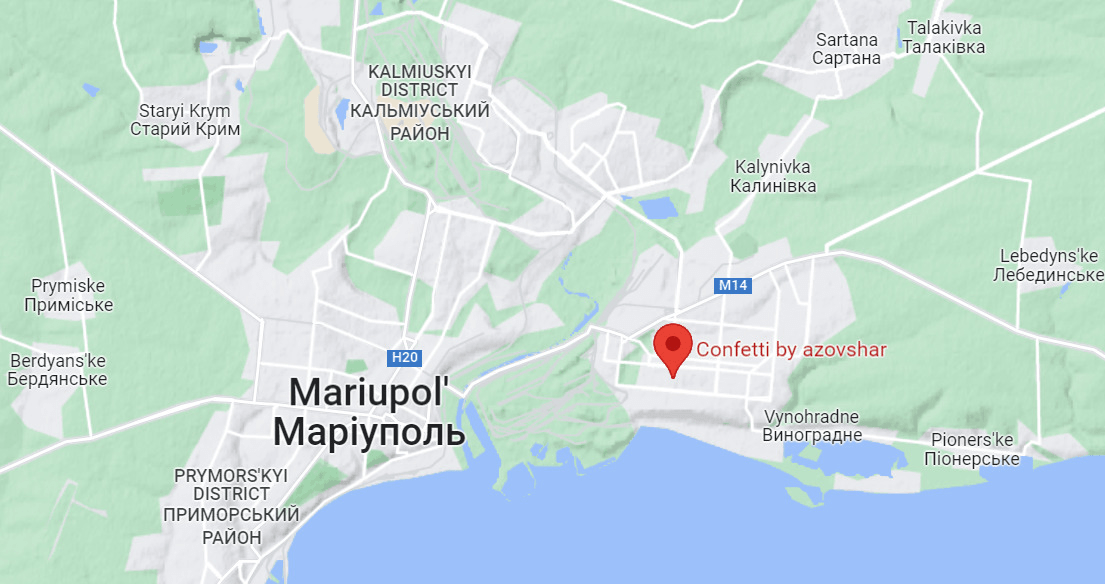
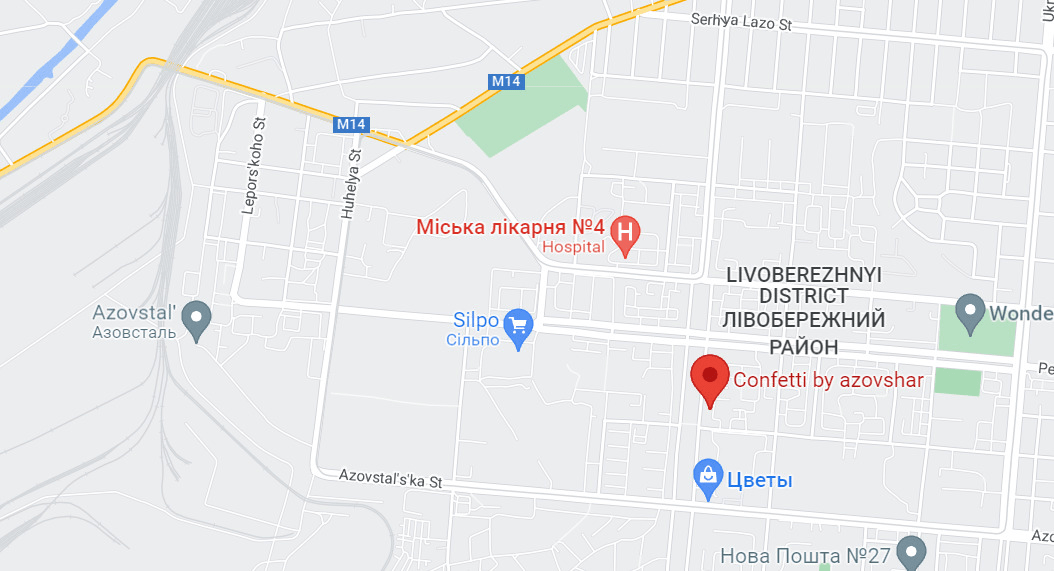
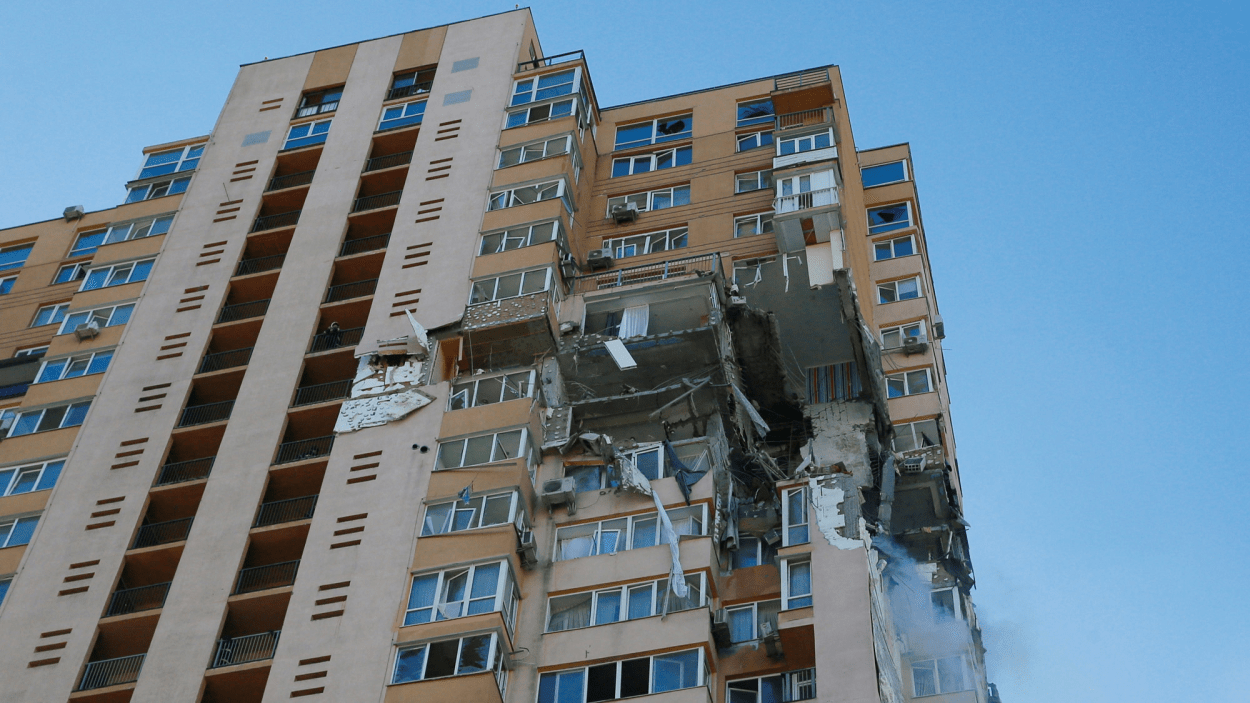
Shortly thereafter, the head of the DPR Denis Pushilin reported that the militants of the Azov battalion blew up a civilian house in Mariupol at 15/20 Meotidi Boulevard. The building is located in the eastern part of the city.
Up to 200 people were trapped under the rubble, most of them women and children.
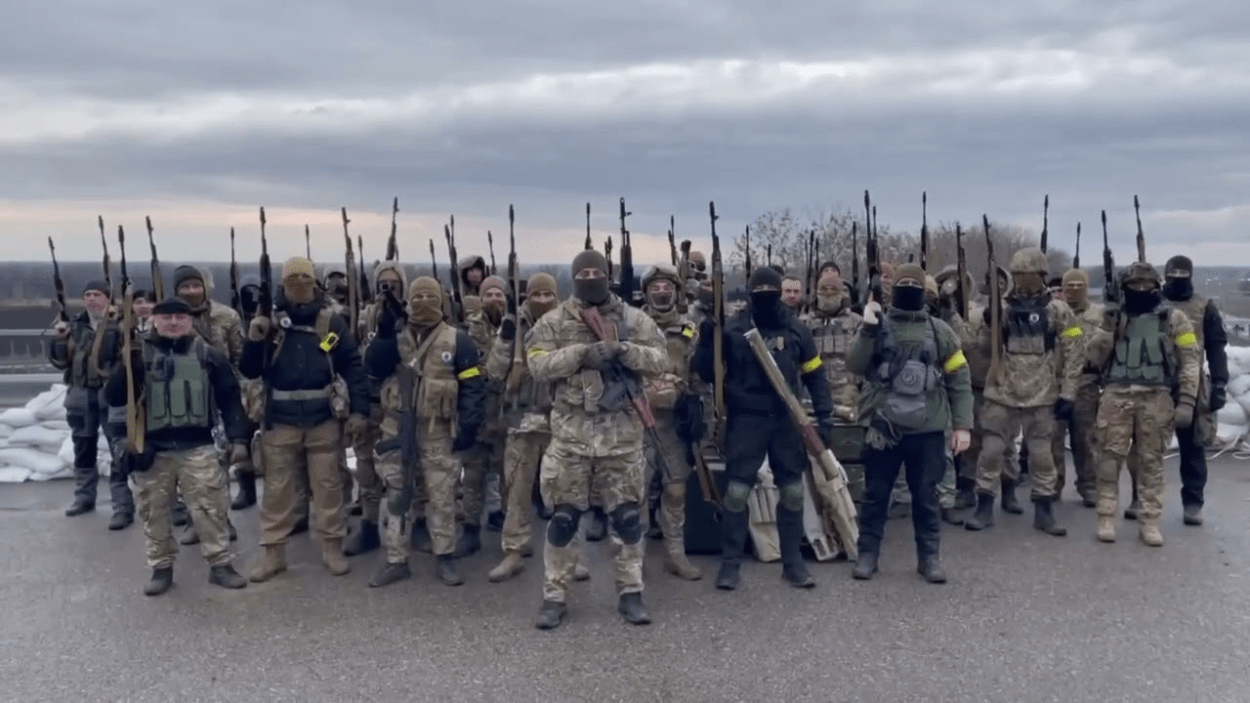
According to the updated data, the crime was committed not by the fighters of the Azov nationalist battalion, but by volunteers of the so-called ‘territorial defense’ detachments who arrived to Mariupol from the western regions of the country. they have recently carried out a massive mining of entrances to the civilian houses.
Territorial defence. Illustrative Image
The Investigative Committee of Russia, in accordance with the instructions of the head of the department, opened a criminal case on the fact of blowing up a residential building in Mariupol.
For several days, the left bank district of the city remains the main stronghold of the Ukrainian nationalist battalions. The joint Russian and DPR forces have not entered this region yet. Thus, they could not carry out the mining of the civilian multi-storey buildings. The street fightings have not yet begun in Mariupol, the Russians remain on the outskirts of the city.
As the ceasefire regime is now broken, the mopping up of the city is likely to begin in the coming days or hours.
Civilians are persuading Ukrainian nationalists not to deploy their positions near their house and the hospital:
Video Player.. see original post
At the same time, nationalist battalions take in hostage the local civilians. While the central command of the UAF have lost control over the forces in the blockaded city, the nationalist are using members of the so-called territorial defence to commit bloody war crimes.
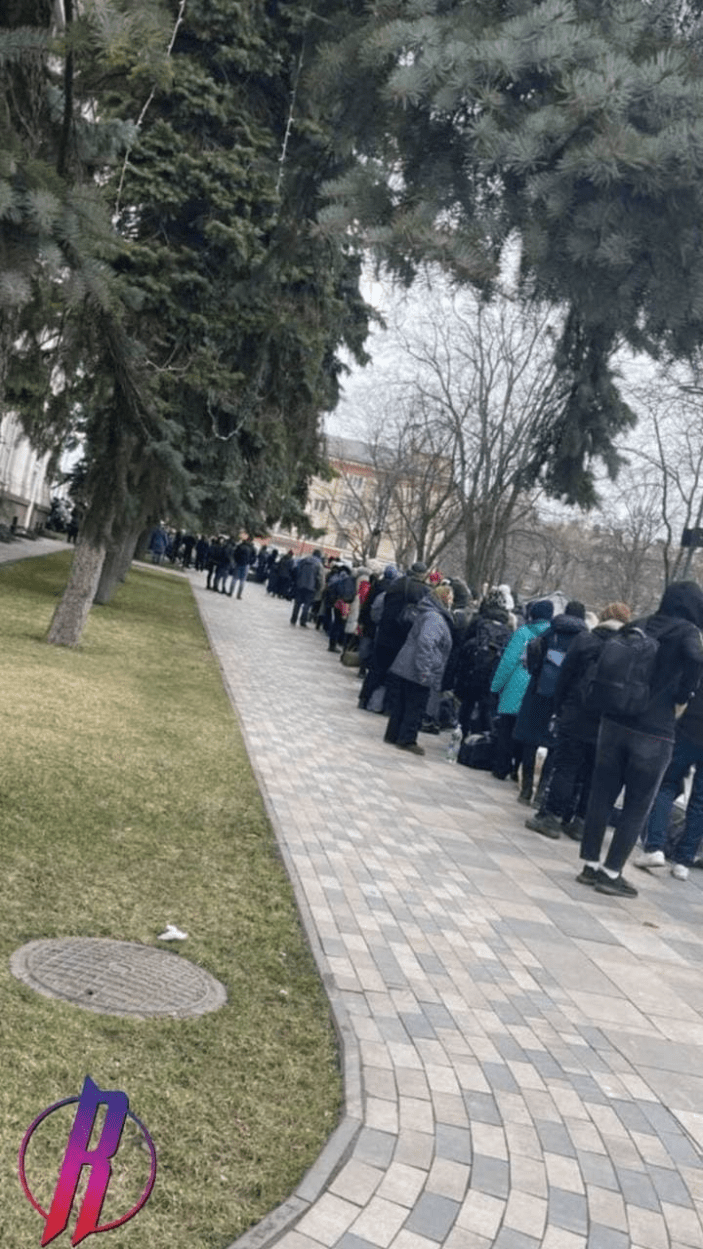
Civilians waited for several hours attempting to leave the city, but they were stopped by forces of the Azov nationalist battalion
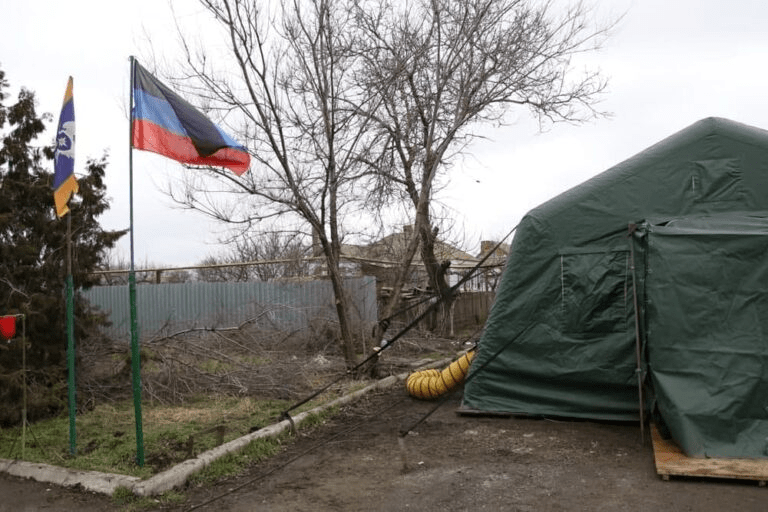
In the village of Bezymennoye near Mariupol, the Ministry of Emergency Situations of the DPR has equipped a reception point for refugees.
In the village of Bezymennoye near Mariupol, the Ministry of Emergency Situations of the DPR has equipped a reception point for refugees.
The Russian forces secured the humanitarian corridor for civilians in Mariupol a few days ago, but to reach it they have to leave the city first. Armed Ukrainian militants are shooting at them and the soldiers of the Ukrainian Armed Forces blocked the exit to the civilians, as they blew up bridges when they were leaving the city.
“Nobody told us anything, the Ukrainian soldiers blew up the bridges after they left the city and that’s it – we were left isolated” – civilians from Mariupol reported.
The families who managed to get out of Mariupol said that they had not even heard about the humanitarian corridor. They were leaving under the shelling of the Armed Forces of Ukraine for almost a week.
Video Player
01:04
01:23
Of the declared 200 thousand civilians from Mariupol and 15 thousand from Volnovakha, no one has arrived at the open humanitarian corridors so far. In total, only three families got out of the city, according to the DPR-linked sources.
The DPR officials have recently warned of the upcoming provocations with mass killings of the civilians in Mariupol. Kiev makes its best to blame Russia in all crimes during the conflict but a simple analysis of the situation on the ground reveals that the majority of such claims are lies and bloody provocations committed by the Kiev regime.
We don’t talk about racism much at OffG, except in meta-analyses of its political weaponisation.
A lot of the time “racism” is used by the establishment to attack people who pose a threat to the status quo (see: Jeremy Corbyn). Other times it is used to simplify complex political matters into good guys and bad guys.
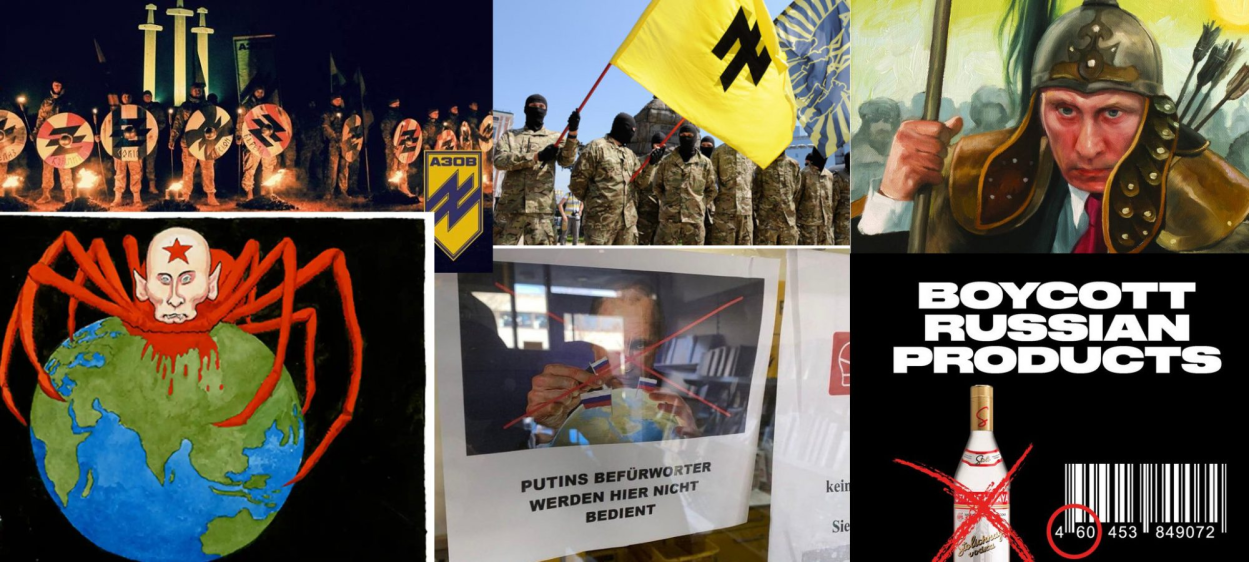
HOW long until we get reports of people pelting Siberian huskies on the street?Probably not too long. Already there are videos of Russian food shops being vandalised such as this one in Germany.
This is a Russian store in Germany. People have so easily forgotten that Jewish shops were vandalised in the 1930/40s, have we learnt nothing? pic.twitter.com/SKcXv3dJ4h
— Know Your Human Rights (@HumanRights4UK) March 4, 2022
The marketplace of ideas has become saturated with contorted attempts to turn everything into a simple question of race, to the point it has almost robbed the word “racism” of any meaning at all.-
It’s always been pretty clear that beneath this ersatz outrage there lurks – ironically – some of the most ignorant and most unreconstructed racism currently being manifested anywhere.
The indignation, for example, among the woke, that Tolkien’s orcs are ‘obviously’ intended to represent black people (because orcs are stupid and violent), or that this mural must show Jewish bankers (because of the “hooked Jewish noses”) – only shows that the wokest middle class whites have an image of blackness as dumbly bigoted as any white supremacist.
So, it probably shouldn’t shock you – though it will – to realize one very potent reason the war in Ukraine is particularly upsetting is because it’s happening to white people.
Don’t believe me? Then take a look. From page to screen to social media the message has been loud and clear that this war is especially bad because it’s being waged in Europe on a population with “blond hair and blue eyes”:
[Thread] The most racist Ukraine coverage on TV News.
1. The BBC – “It’s very emotional for me because I see European people with blue eyes and blonde hair being killed” – Ukraine’s Deputy Chief Prosecutor, David Sakvarelidze pic.twitter.com/m0LB0m00Wg
A CBS reporter talked about Ukraine being “civilised” and “European”, “not a place like Iraq or Afghanistan that has seen conflict for decades” and provoked this response –
On March 5, the Russian Defense Ministry announced a one day ceasefire to evacuate civilians from Mariupol and Volnovakha.
These are the key strongholds of the Ukrainian Army and nationalist battalions in Donetsk Region. Both of them are now encircled by joint forces of Russia, the Donetsk People’s Republic and the Lugansk People’s Republic.
Mariupol is a big port city, mainly ethnic Russian, situated in the part of Donetsk still controlled by Ukraine, between the Russian controlled areas of Donetsk Repuiblic (DPR) and Crimea. The Ukranian Nazis aim to again keep the city by any means (as they did in 2014) and have prepared a trap which threatens to cause a bloodbath as Russianand DPR troops close in.
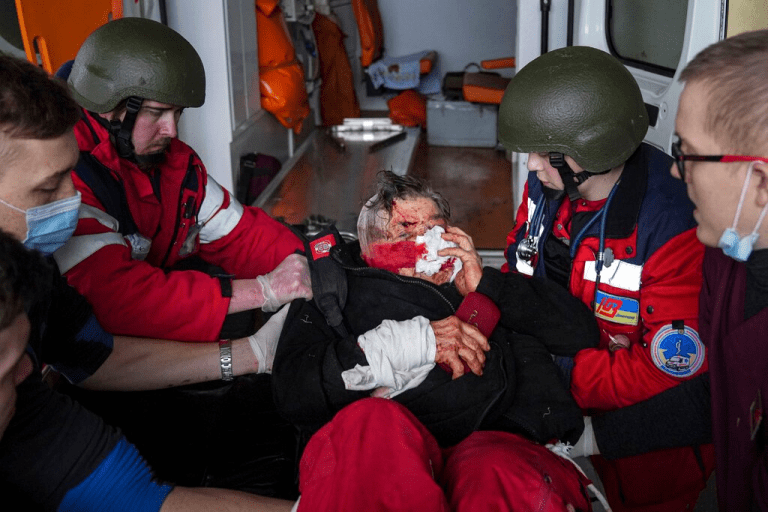
A victim is hospitalized after shelling in Mariupol
The Mayor of Mariupol had appealed for help saying there was little food, water or electricity in the city. Russia and Ukraine have now agreed on setting up huimanitarian escape corridors from cities and Russia has begun a humanitarian aid program.
According to the representative of the Russian Ministry of Defense, Major General Igor Konashenkov, humanitarian corridors and exit routes have been agreed with the Ukrainian side.
Kiev authorities claim that 200,000 civilians want to leave Mariupol and 20,000 civilians – Volnovakha. It is obvious that members of Kiev forces will try to leave the areas via the opened humanitarian corridors. Nonetheless, they will not be able to do this with weapons and in military uniforms.
“From 1000 am Moscow time (0700 GMT), the Russian side declares a ceasefire and the opening of humanitarian corridors to allow civilians to leave Mariupol and Volnovakha,” Russian news agencies quoted the Russian defence ministry as saying.
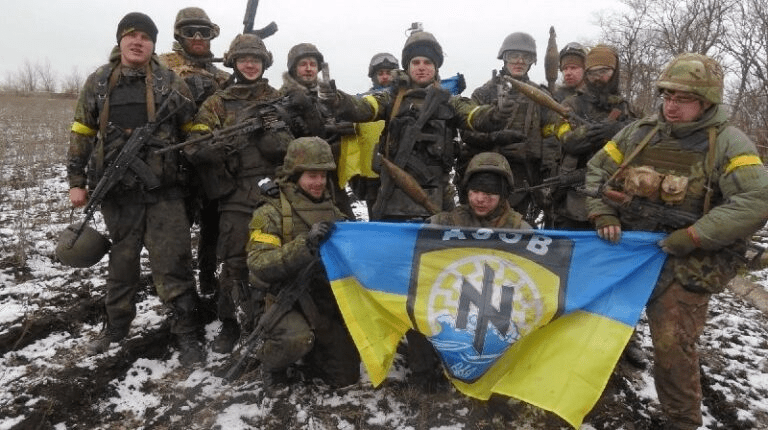
The headquarters of the nazi Azov special detachment in Mariupol were hit yesterday with the Tochka-U tactical missile system by the Ukrainian Armed Forces, according to the DPR People’s Militia.
According to the report, more than 20 militants were killed.
“The location of the headquarters of a separate special purpose detachment “Azov” in the south-west of Mariupol was struck by the armed forces of Ukrainewith the “Tochka-U” tactical missile system. As a result of the strike, more than 20 militants and 10 pieces of equipment were destroyed,” the report says.
The attack was a result of the contradictions between the UAF command and commanders of the Azov battalion.
Members of the Azov nationalist battalion, who are now blockaded in the city of Mariupol, reportedly refuse to obey and coordinate their actions with the command of the Ukrainian Army.
The nationalist battalions pose a big threat not only to the Russian soldiers, but also to the local civilians, who were kept in hostage in the city, as well as to the current regime in Kiev and President Volodymir Zelenskiy.
Only self-sufficiency affords total independence. And the Big Picture has also been keenly understood by the Global South.
One of the key underlying themes of the Russia/Ukraine/NATO matrix is that the Empire of Lies (copyright Putin) has been rattled to the core by the combined ability of Russian hypersonic missiles and a defensive shield perhaps capable of blocking incoming nuclear missiles from the West, thereby ending Mutually Assured Destruction (M.A.D.)
This has led the Americans to nearly risk a hot war to be able to place hypersonic missiles that they still don’t have on Ukraine’s western borders, and so be within three minutes of Moscow. For that, of course, they need Ukraine, as well as Poland and Romania in Eastern Europe.
Hypersonic Missiles test
In Ukraine, the Americans are determined to fight to the last European soul – if that’s what it takes. This may be the last roll of the (nuclear) dice.
Thus the next-to-last gasp at coercing Russia into submission by using the remaining, workable American weapon of mass destruction: SWIFT.
Yet this weapon could be easily neutralized by rapid adoption of self-sufficiency.
With essential input by the inestimable Michael Hudson I have outlined possibilities for Russia to weather the sanction storm. That didn’t even consider the full extent of Russia’s “black box defense”– and counter-attack – as outlined by John Helmer in his introduction to an essay that heralds no less then The Return of Sergei Glaziev.
Glaziev, predictably detested across Atlanticist circles, was a key economic adviser to President Putin and is now the Minister for Integration and Macroeconomics of the Eurasia Economic Union (EAEU).
He has always been a fierce critic of the Russian Central Bank and the oligarch gang closely linked to Anglo-American finance.
His latest essay, Sanctions and Sovereignty, originally published by expert.ru and translated by Helmer, deserves serious scrutiny.
This is one of the key takeaways:
“Russian losses of potential GDP, since 2014, amount to about 50 trillion rubles. But only 10% of them can be explained by sanctions, while 80% of them were the result of monetary policy.
The differences between women (class, race, sexual orientation, etc.) have opened a sufficiently important gap in the unitary and homogeneous subject of «Woman». In this waterway, “the trans” has opened a schism in feminism that seems to predict a wound that is difficult to suture.
Anarchist feminism can provide a genealogy and a current position differentiated from the rest of feminisms.
What calls me, my job being to scan the past, to get into a subject as slippery and conflictive within current feminism as this is?
It does not seem like a very good idea to start a text with a question, despite this it is the only way I have come up with to express my doubts about what has led me to get entangled in the whirlwind of turns, revolts and eddies of «what is trans».
The icing on the whirlwind in which I intend to navigate, with the danger of tumbling, slipping and falling, is that at this time, and in this country (Spanish State), anarchist feminism does not exist as a social movement.
Even when there are scattered groups and collectives, anarcho-feminism does not exist as a movement constituted by networks of people, groups and collectives of affinity that communicate and coordinate to carry out actions, reflections, debates and joint projects.
Therefore, I do not speak on behalf of anyone, except my own, my vision does not have totalizing pretensions, I am aware that within the anarcho-feminist political culture there are different positions regarding the issue at hand.
The aggravating circumstance of this adventure, let’s put on the labels, is that I am a white and “cis” woman.
Despite all these inconveniences, I am encouraged by the fact that trans women like Julia Serano and Elizabeth Duval (in their books: Whipping Girl and After the trans) take a stand against the fact that only people who they have experienced it. Duval says that if only trans people could speak on the subject, that would force them to make that the only speech expected of them.
I am not going to speak in this text of the Preliminary Draft of the so-called “Trans Law” prepared by the Spanish Ministry of Equality of Irene Montero. I do not want to argue about the transformative capacity of the laws that many people trust in, I simply trust more in the cultural and social changes in the issue at hand.
And finally, what I least want is to be part of the polarized and aggressive debate that has taken root in Spanish feminism and that has caused a great schism in this movement.
I leave this scenario with joy and choose to inhabit the conflict, yes, but leaving the screens that take everything to the extreme by way of offenses and insults and putting the body with the confidence to find ways, in the widest scope of “the libertarian”, that make possible a debate in which anyone can participate, not just minorities and not just people who are experts on the subject.
About “the trans”: identities
Choosing identities to start thinking about “what is trans” has seemed obligatory to me since there is a duty, more or less peremptory, to identify ourselves with our birth sex, to which the appropriate gender corresponds.
That correspondence is the “normal”, what does not fit into that framework that translates into a rigid binarism is pathologized, punished and excluded.
Before entering the subject, I think it is necessary to clarify that I use the term “trans” in this text, aware of the distinction that has been made between “transsexuals” and “transgender” as a distinction between “true and false trans people” (those who have surgery and who don’t).
For the last few years, as Julia Serano points out, “transgender” has been used as an umbrella term to describe people who challenge social expectations and assumptions about masculinity and femininity.
This includes trans, intersex, and non-binary people, as well as those whose gender expression differs from their anatomical or perceived sex. Since the 1990s, the prefix “trans” has been used, especially in social movements.
This definition already places us in the great diversity of “what is trans” since, as Elizabeth Duval points out, the term encompasses, in a kind of impossible mission, blocks as different from each other and with priorities as differentiated as trans women, trans men and non-binary people.
All of this without going into the internal differences of each of these categories if one attends to class, racial, generational and other factors. It should also not be forgotten that most of the demonstrations about “what is trans” have not been in their hands but in those of transfeminist groups, heirs of queer theory.
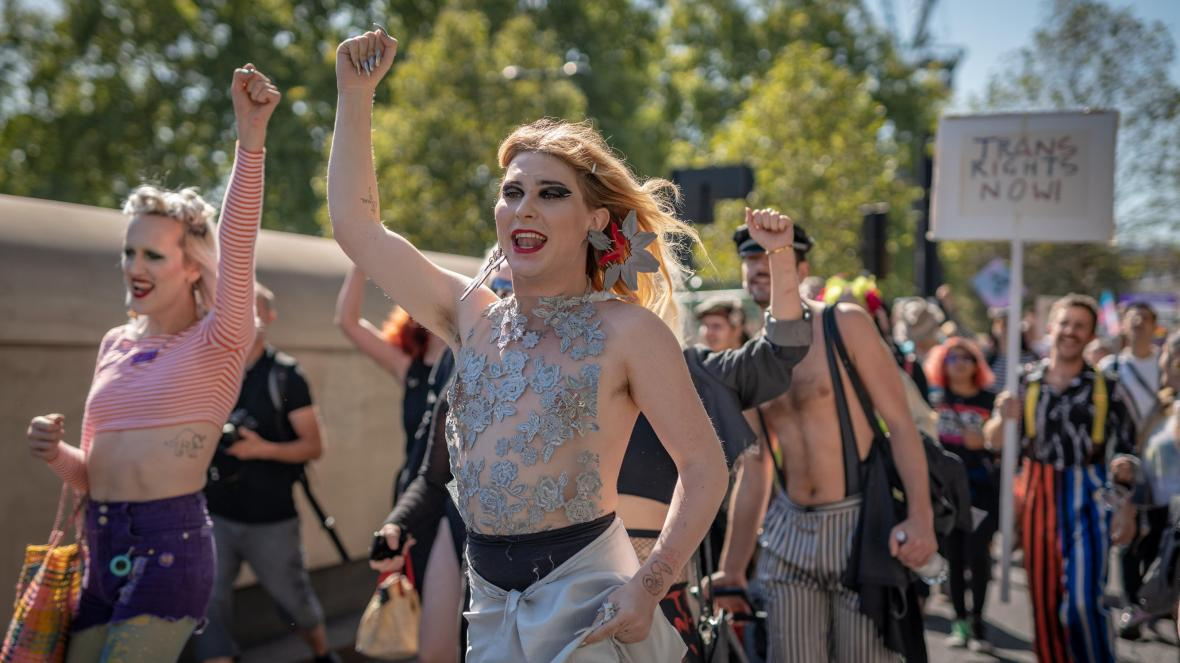
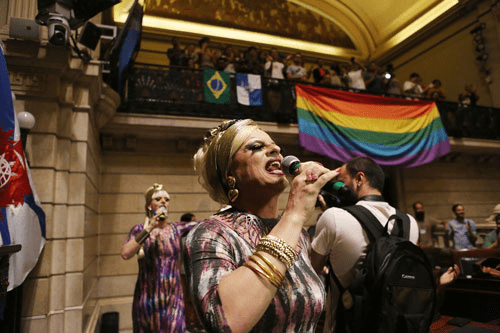
Sara and Nina, two Brazilian drag queens, perform during a protest by the LGBT community at the Rio de Janeiro City Hall. Mario Tama/Getty Images.
Another umbrella term is queer, which aims to encompass the set of sexual dissidence and is synonymous with the inclusivity of so-called peripheral sexualities (trans, buns, queers, drag kings and queens, etc.).
Another reason why I have chosen to talk about identities is because it can be a meeting point, not exempt from conflicts, between anarchist feminism and «what is trans». Anarchism raises the idea that people have plural and fragmentary identities that do not reduce them to a single condition or identity.
This way of looking at identities fits in with the anarchist affirmation of the multiple, of the unlimited diversity of beings and of their ability to build a world without hierarchies, without domination, without subordination.
The question we can ask ourselves is simple: Can’t you be a person outside of the rigid and hierarchical binary model? Between the two umbrellas: that of “what is queer” and that of “what is trans”, feminist anarchism can move with some comfort in what they share: that identities are a political, historical, psychic or linguistic construct.
These arise in certain contexts and change over time, they do not remain. Identity normalizes, regularizes, disciplines, forces, in short, to bow to the rigid scheme of the two sexes, the two genders, normalized desire and heterosexuality.
Anarchism, including that associated with feminism, focuses its attention on any identity that is an instrument of domination. Sexuality has always been a topic of interest for anarchism observed from different points of view.
The anarchist feminism of Mujeres Libres (1936-1939) started from the biological sex that it never questioned and even fell into the essentialism of motherhood as a social function assigned to women.
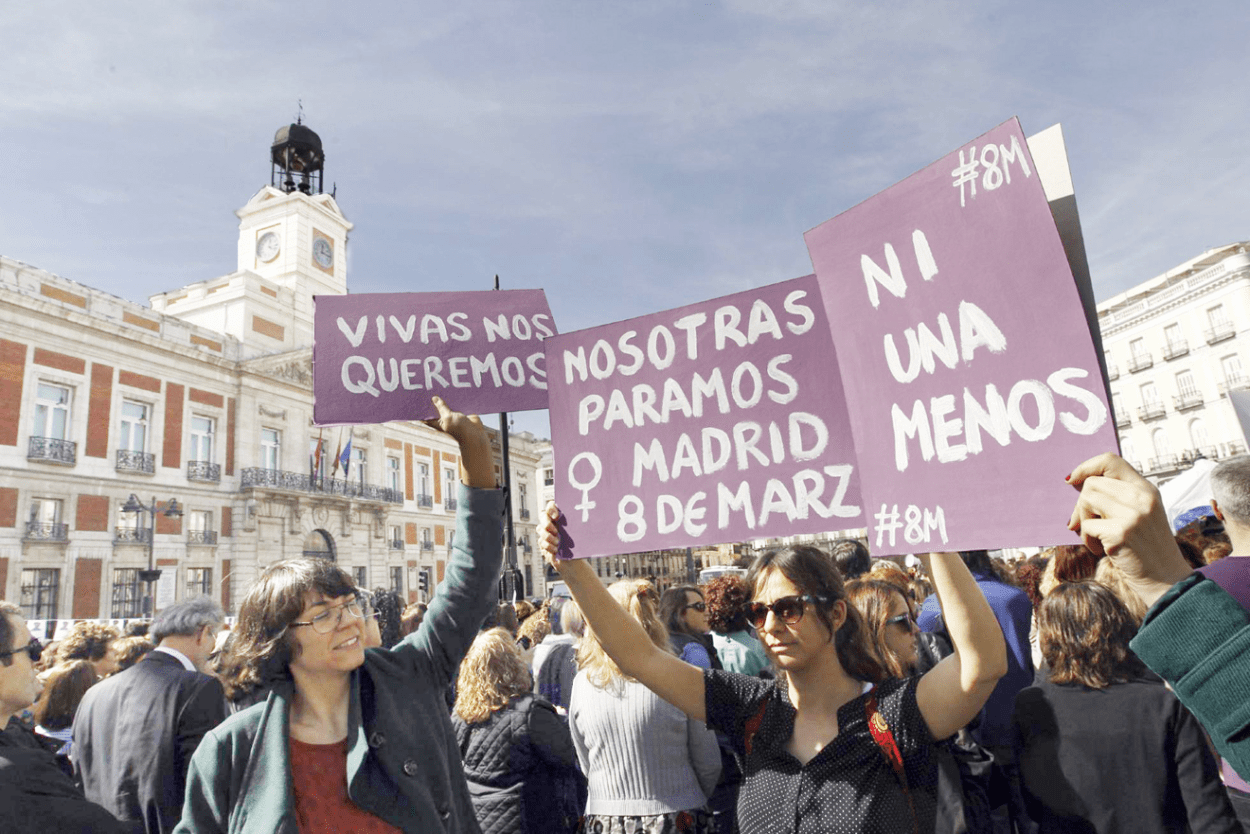
The biology/socialization debate around gender has ignited today to the point of exploding in feminist confluence spaces such as the 8 M Assemblies. It would be convenient to overcome simplistic and sterile debates and reach compromises if possible.
The fact that there are sectors of feminism (also anarchist or trans sectors) that affirm the existence of biological sexual characteristics does not mean that they do not question the ordering of these body characteristics into two unique categories (man/woman) or that they suppose a disparity of essential genre.
There is a risk that promoting a post-identity movement will end up building a new identity, as is the case of «queer». Paul B. Preciado is fully confident that this will not be the case, ignoring the capacity of capitalism and its state apparatuses to absorb any dissident position, and that “what is queer” will be capable of maintaining a critical position attentive to the processes of exclusion and of marginalization that generates all identity fiction.
That is the reason why the subject of queer theory rejects all sexual classification and seeks to destroy gay, lesbian, trans, transvestite and heterosexual identities. Sex, therefore, becomes something eligible, independent of biological sex, the true sexual identity of the individual is found in the “gender sense”, something completely subjective.
Various sectors of feminism, among whom I include myself, take into consideration the idea that social gender is not produced or spread according to how we individually act our gender, but rather resides in the perceptions and interpretations of others.
Even from trans sectors it is affirmed (Serano would be its best-known spokesperson) that there are in fact natural and intrinsic gender inclinations.
Those of us who disagree understand that identity is transformed, it is flexible, so that depending on the power relationship that is sustained at any given moment with the world, the mechanisms of identity (relational or individualized, as Almudena Hernando explains in The fantasy of individuality..La fantasía de la individualidad). ).
Therefore, it would be difficult to understand the identity of a specific person without taking into account their particular position with respect to the axes of power and domination that define society.
There are, therefore, regularities in the construction of personal identity, which distances us from postmodern positions that believe in the absolute particularity of each subject.
Can the human being live without identities, should we tend to annul them completely? I am not in favor of said annulment because we live in them for now and they also allow us to politicize the struggle of women.
In short, I do not share the radical rejection of the category «women» that continues to be operative within feminism(s).
There is a lot of consensus, yes, in questioning sexual and gender identities as fixed elements that reinforce binarism, exclusion and that regulate desires, sexual practices and, broadening the focus, social relations in general.
Around the subject of feminism or «a feminism without women» Judith Butler says in Allied Bodies and Political Struggle, that women are the ones who suffer disproportionately from poverty and illiteracy, “two reasons why I will not be a ‘post-feminist’ until the day these scourges are completely overcome” .
I could not agree more with Butler that today the vulnerability of women globally postpones the shocking slogan of “feminism without women.” That same vulnerability, not victimhood, should be able to forge alliances between feminisms (certainly not all).
These approaches lead us to the controversial issue of the political subject of feminism. And with the theme comes the big question:
What is it to be a woman?
As anarchists we abhor the vocation of exclusion, segregation or relegation of people or groups, so we cannot hesitate to side with those who suffer, as is the case of trans people.
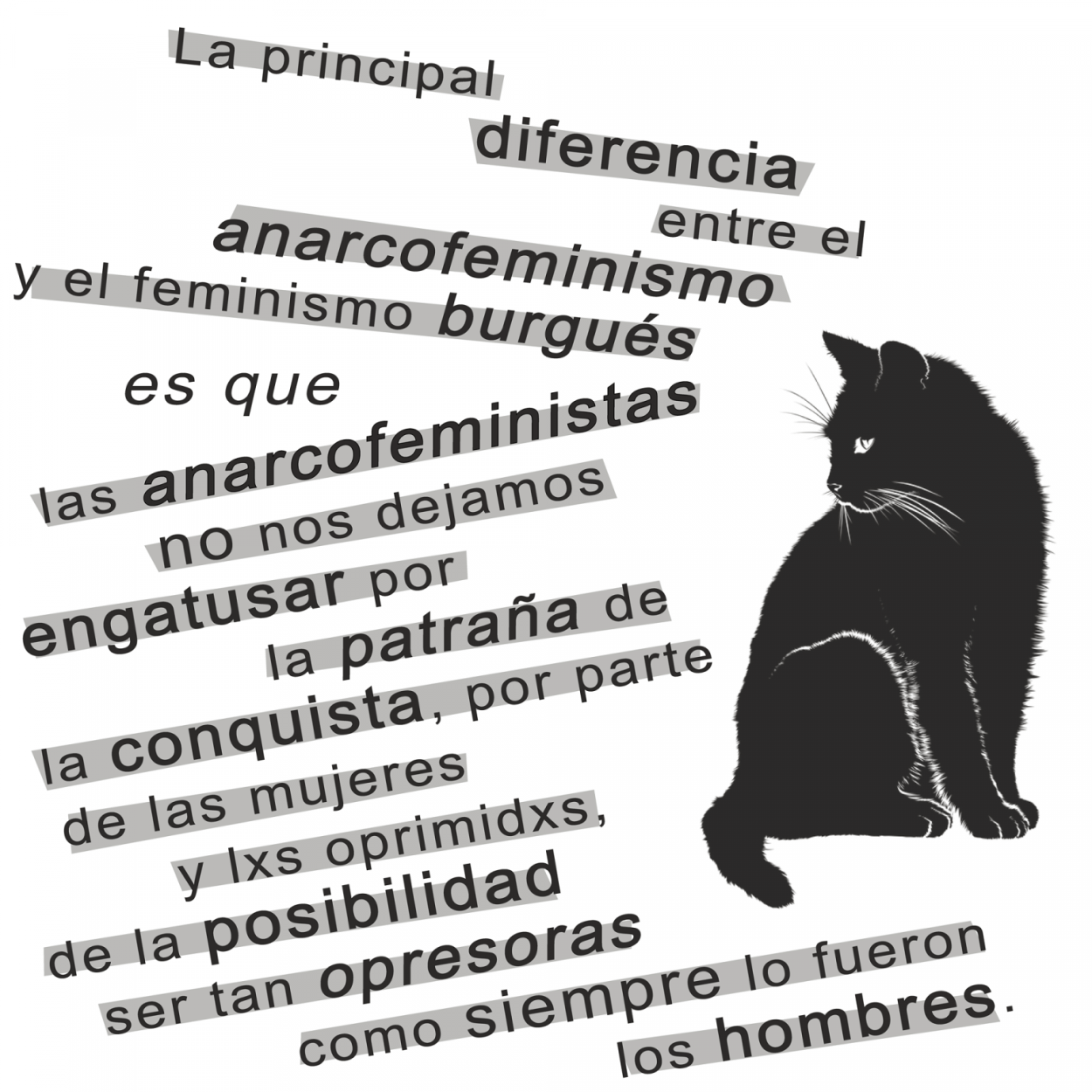
Mujeres Libres (Free Women) took a small big step when it stated in 1936 that «Woman» was not an identity common to all women, since social class introduced an abysmal diversity and, therefore, it was necessary to name that diversity and make it visible (this was the reason why they never assumed the “feminist” identity they considered bourgeois).
This approach fits very well with the denomination of «proletariat of feminism» that was used many years later by Virginie Despentes.
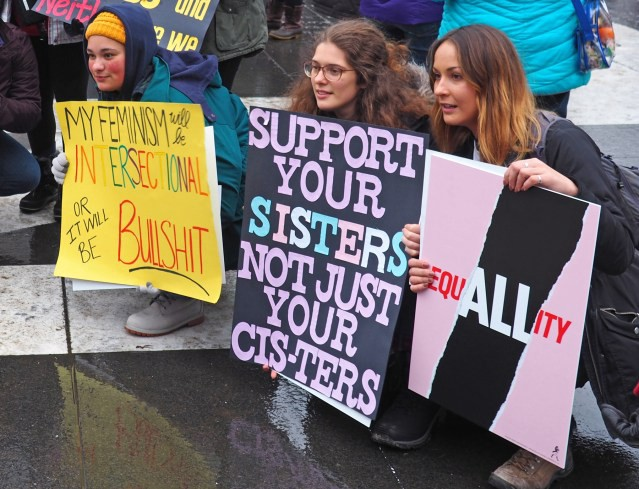
The question “What is it to be a woman?” we should leave it open to all those people who are perceived and feel as such and focus as feminists on the questioning of power and domination. It seems important, therefore, to make it clear that we must include people attacked based on their gender, as is the case with trans people, assimilating less essentialist ways of the subject of feminism.
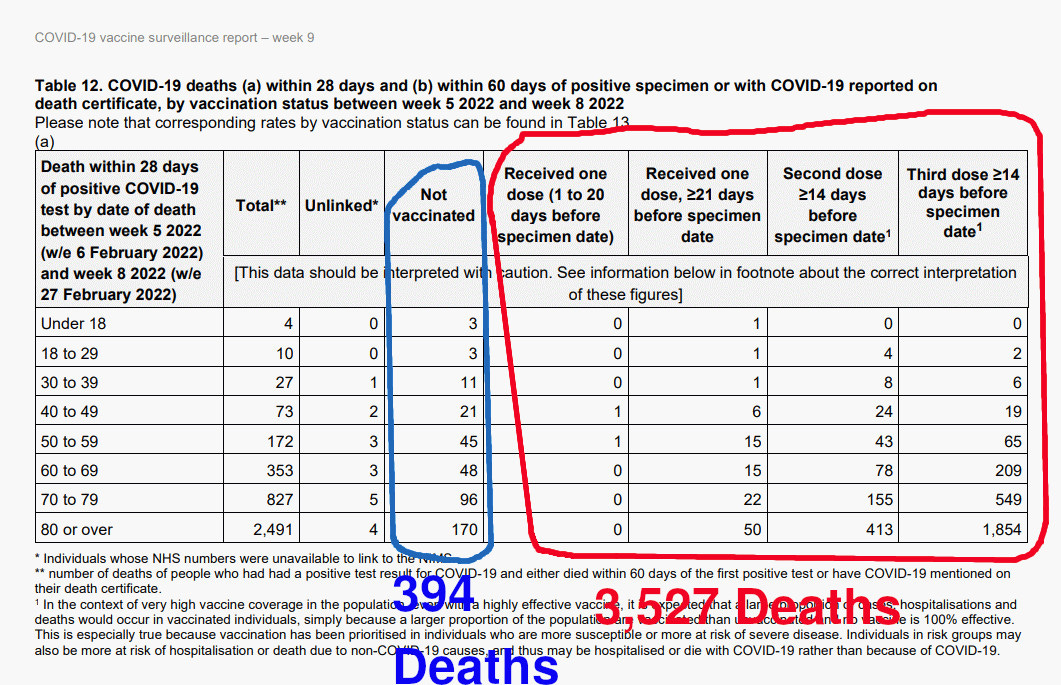
Congratulations are in order: the pandemic among the unvaccinated Brits is just about over. Only 394 vaccine-free persons died in weeks 5-8, compared to 3,527 vaccinated deaths. This means that vaccine-free Brits comprised only exactly 10% of all Covid deaths during weeks 5-8.
Comparing current weeks 5-8 to weeks 1-4:Unvaccinated deaths went down from 1,007 deaths in week 1-4, to just 394 deaths in weeks 5-8 — a drop of 61%.
However, for the same periods,boosted deaths went from 2,585 in Weeks 1-4, to 2,704 in Weeks 5-8 — an INCREASE of 5%. This increase, as the picture below shows, is NOT because so many more people became boosted in weeks 4-8:
Mind you, “cases” in the UK were rapidly falling since Week 1 in early…
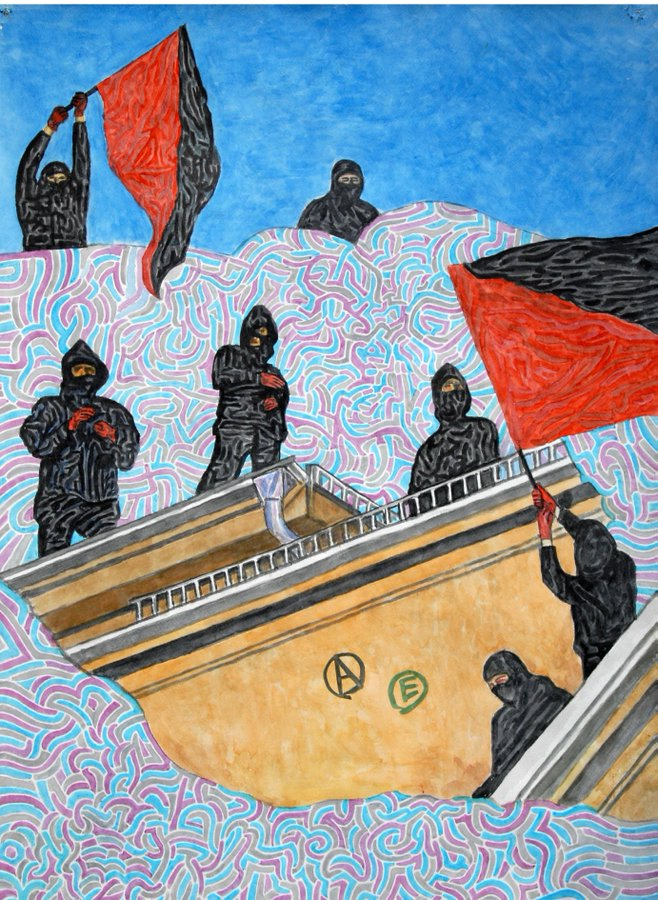
As the Russian invasion of Ukraine proceeds, anarchists throughout Russia continue to mobilize in protest, joining thousands of other Russians. Here, we publish three statements from longtime Russian anarchist projects that offer some analysis of the situation in Russia and how the invasion of Ukraine might shift it.
Protests are scheduled in Russia for tomorrow (Sunday, February 27). We are still waiting for a report from our contacts in Ukraine, which we will publish when it arrives.
Russia itself has become an information battlefield in the course of the invasion. The Russian government has attempted to block access to Twitter so that Russians will not see what is happening in Ukraine or, for that matter, elsewhere in Russia.
On the other side of the barricades, the Kremlin website was hacked. Whether the Russian people decide to support this invasion at great cost to themselves—or to oppose Putin’s agenda at great risk to themselves—may well determine what happens in Ukraine in the long run.
“Peace is a privilege reserved for those who can afford not to fight in the wars they create—in the eyes of madmen, we are just figures on a chart, we are just barriers in their path towards world domination.”
Solidarity actions continued today in Germany, Switzerland, and elsewhere around the world:
Auf der Kundgebung gegen die russische imperialistische Aggression in #Flensburg sind inzwischen gut 200 Leute. Hier ein paar Eindrücke vom Beginn. @RadioFratz ist vor Ort und berichtet.#fl2602pic.twitter.com/WSMqDAQ1eE
Anarchist Militant’s Position on Russia’s Attack on Ukraine
The following statement appeared yesterday on the Telegram channel of Militant Anarchist [Боец Анархист], a collective in Russia whose name we have previously translated as “Anarchist Fighter.”
Our position on the events taking place in Ukraine is clearly evident in our previous posts. However, we felt it necessary to express it explicitly, so that something would not be left unsaid.














 The Free