
Around the world predator capitalist corporations are presenting earth destroying mining and chemical industries so that then they can sue the host countries for multi billions on ‘Potential Lost earnings’ under imposed trade agreements when their applications are resisted.

Pioneering deep sea mining machine
Governments are forced to give in or pay up under International Trade Agreement rules. This mega scam is known as The Investor State Dispute Settlement system (ISDS). Under arbitration it is ruled irrelevant that the projects were earth destroying, as the corporations seek compensation, not the go-ahead of the industries.
FROM EARTHWORKS March 10, 2022
A Sea of Trouble: Seabed Mining and International Arbitration in Mexico
In the Gulf of Ulloa, a U.S. treasure-hunting company turned seabed mining outfit poses a dire risk to the environment.
by Jen Moore and Ellen Moore
The Gulf of Ulloa off the coast of Baja California Sur, Mexico teems with marine life, from gray whales to lobster.

Its seafloor is also rich in phosphate, a key component of fertilizers, at the center of a multi-billion-dollar arbitration suit that US company Odyssey Marine Exploration has brought against Mexico under the terms of the original North American Free Trade Agreement (NAFTA).
Odyssey, a treasure hunting firm turned mining company with little revenue of its own, secured financing from a private litigation firm in the US to file the claim after local opposition arose to its project and Mexican authorities denied it an environmental permit.
see also. New Threat to Life: The Internet of Underwater Things- WEF mandate for Stakeholders Ocean ProfitabilityFebruary 15, 2022
The fishing concessions of the Puerto Chale Fishing Cooperative are where the company would like to dredge the seafloor. The Cooperative has opposed the project from the start and filed for permission to submit its concerns to the NAFTA tribunal in October with help from the Center for International Environmental Law (CIEL).
They sought to communicate the impacts that this company’s project could have on their lives and environment, and why it was correct for Mexico’s environmental regulator to turn down a permit for the seabed mine according to the precautionary principle as found in national and international law.

As is common for an arbitration system designed to favor transnational corporations, the NAFTA tribunal recently refused to admit their submission. The majority on the three person panel of highly paid corporate lawyers says the cooperative’s input is basically not relevant.
Surprisingly, however, one arbitrator expressed a dissenting opinion, arguing that not only should the cooperative be heard, but that failing to admit their concerns exposes the failings of the arbitration system with potentially far reaching impacts on environmental protection in Mexico.

This case is not unique. Mining companies are bringing ever more arbitration suits over controversial projects that have given rise to broad community opposition over serious risks they pose to nature and community wellbeing. Puerto Chale’s concerns and exclusion from this current arbitration is further evidence of the unviability, not only of seabed mining, but of the international arbitration system itself.

Hunting for Treasure through International Arbitration
In the early 2000s, Odyssey Marine Exploration made headlines for major discoveries of centuries-old sunken ships filled with silver and gold. A decade later, with the treasure hunting business dried up and company shares dipping as low as two dollars, Odyssey jumped on the seabed mining boat, seeking a more lucrative business option by capitalizing on the false idea that future mineral demands require us to mine the ocean floor.
In 2012, Odyssey acquired a majority holding in Oceanic Resources (ExO) and obtained a 50-year, renewable concession for the Don Diego marine phosphate project in the Gulf of Ulloa.

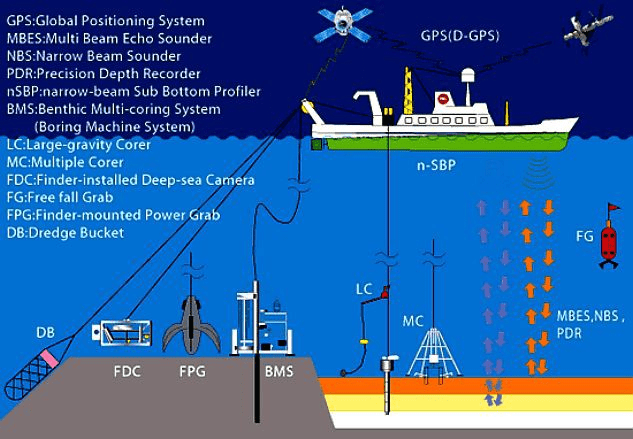
Projected to cover 91 million hectares, the project would use large vessels to dredge the seabed, uprooting rock, sand, and organisms, which would be then transported onto the ship and separated to obtain the phosphate sand.
The remainder of the dredged material would be discharged back into the sea becoming a source of pollution, sedimentation, and potential radiation, given the presence of radioactive elements such as uranium and thorium.
Mexican environmental authorities denied Odyssey the environmental permit necessary to operate, arguing that the project is not viable based on the project’s projected impact on endangered species, such as the loggerhead turtle.

The authorities cited Odyssey’s proposal to use unproven technology, as well as its lack of experience in mining, technical expertise, or robust data on the viability of the deposit.
Continue reading “Fishing Coops fight Seabed Mining and International Arbitration”










 The Free