https://t.me/thefreeonline/3501
💩💩🤑😖🐊🐊🐊😖💩💩

DHS posts AI ‘Alcatraz Alligator’ meme for illegals
To promote new 5,000-person detention facility in Florida
Sparks immediate criticism — here’s just some of the anger over the DHS post.


https://t.me/thefreeonline/3501
DHS posts AI ‘Alcatraz Alligator’ meme for illegals
To promote new 5,000-person detention facility in Florida
Sparks immediate criticism — here’s just some of the anger over the DHS post.

Fifteen years on, one of the women who blew the lid off the Spycops scandal talks to Freedom about her political insights — and what the Undercover Policing Inquiry has revealed about the workings of the British secret state ~ Interviewed by Uri Gordon ~ You’ve just launched your book Disclosure, how did it go? […]
Holding back the police state: Interview with Kate Wilson
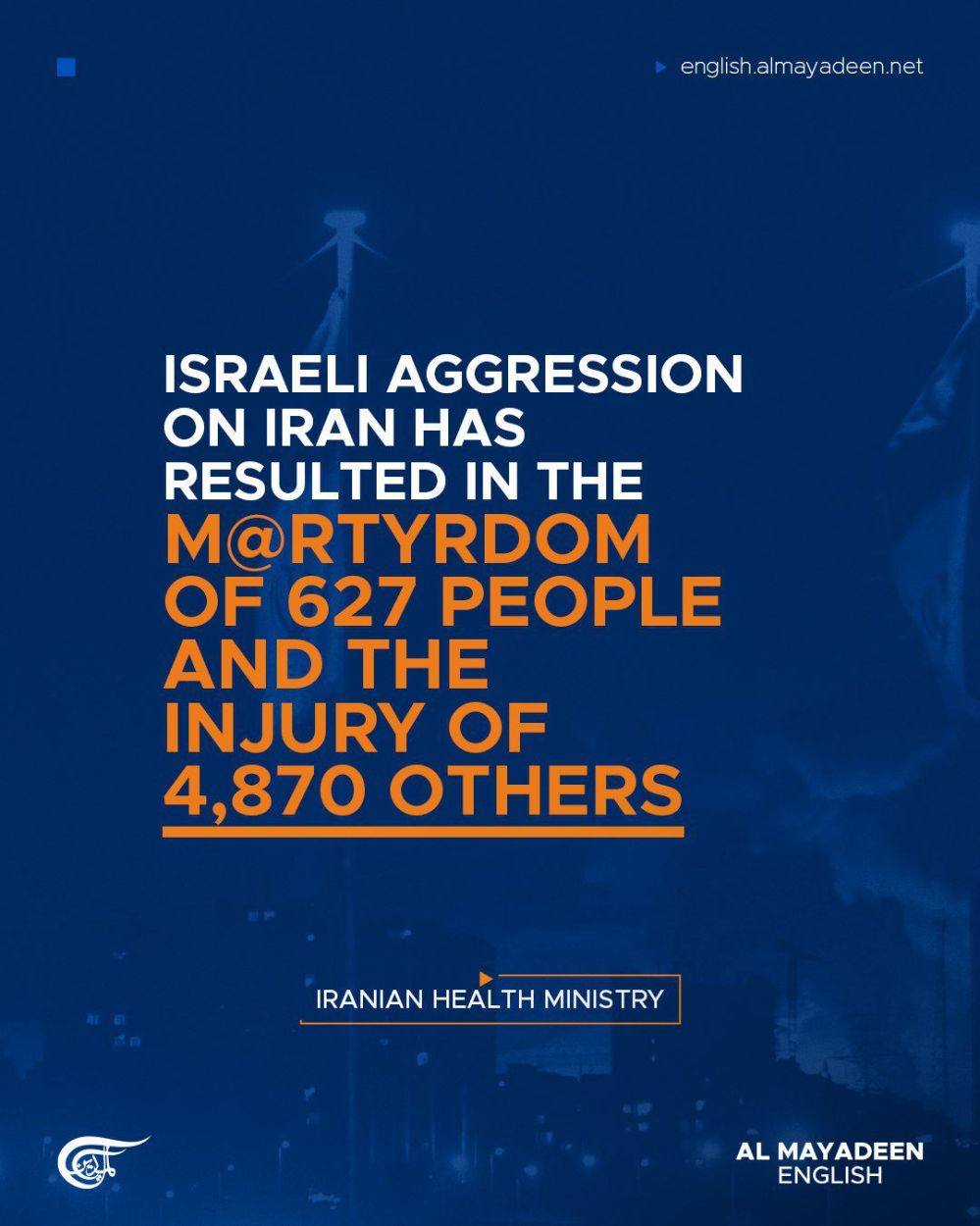
Over 900 mostly civilians massacred (media numbers) against just 24 Israelis, yet Iranian solidarity wins.
Human Story by Fatemah Jamalpour at Drop Site News. On June 26th 2025
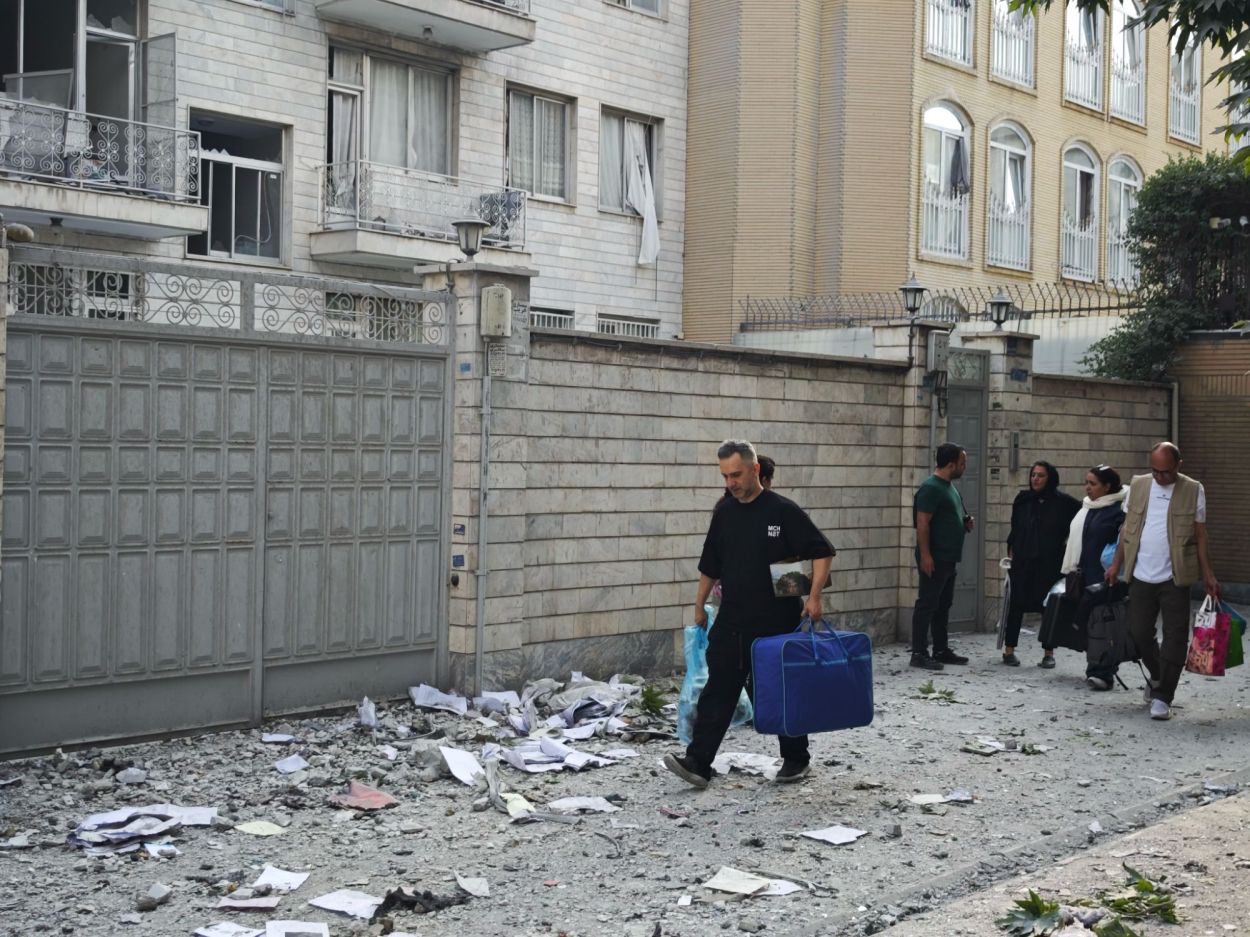
Over two days last week, Sahar, a 40-year-old sociologist and researcher in central Tehran, drove more than 400 miles north to the city of Rasht in her white Peugeot 206 with her elderly mother in the passenger seat. They were hoping to escape Israel’s aerial bombardment that began without warning on June 13, but the explosions followed them across the provinces.
https://images.app.goo.gl/HtSCh42fyXc96EZi.. Note: Google wont allow sharing of human images in Iran here, only Israel
Sahar’s 70-year-old mother suffers from PTSD from the 1980s Iran-Iraq war, and from Sahar’s arrest and imprisonment during the 2009 popular uprising known as the Green Movement, sparked by a disputed presidential election.
“My mother’s doctor had told us we should keep her in a major city—she needs to be close to medical centers. So, at first, we decided to stay in Tehran.
But after her panic attacks intensified, we decided to leave for Rasht, in northern Iran, on June 18. We went to stay at a friend’s home,” Sahar, who declined to give her full name out of fear for her safety, told Drop Site.
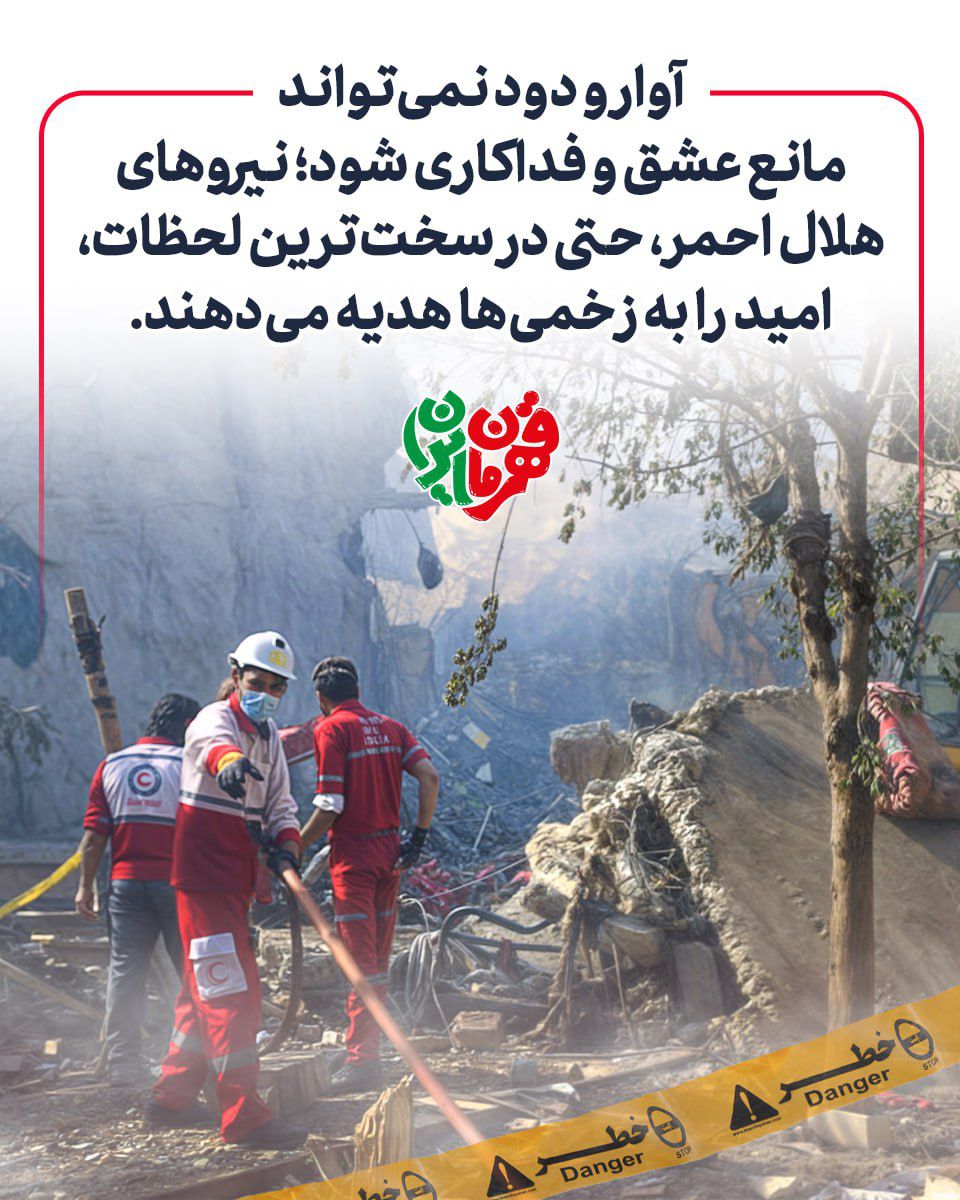
On the evening of June 20—their second night in Rasht—Israel struck the Sefid Rood area, close to where they were staying. “As the regime shut down the internet, we didn’t have access, and I couldn’t check the news.
I didn’t know the city had been issued an evacuation warning. The sound was terrifying—I can’t even describe it. My mother had a breakdown. We rushed her to the hospital to get a sedative injection.”
The hospital was a scene of chaos and panic, Sahar said. “They gave my mother a sedative, and we immediately set out again, back to Tehran.” Yet when they arrived in the capital two days later, the Israeli aerial bombardment continued.
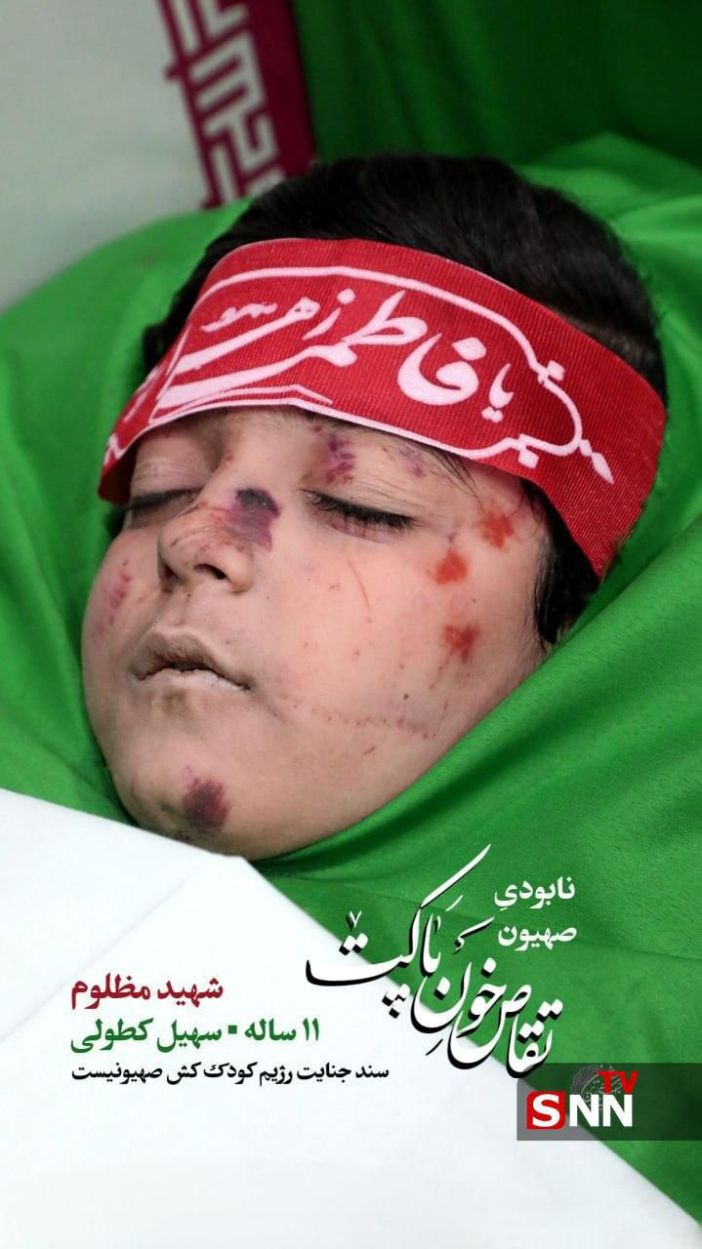
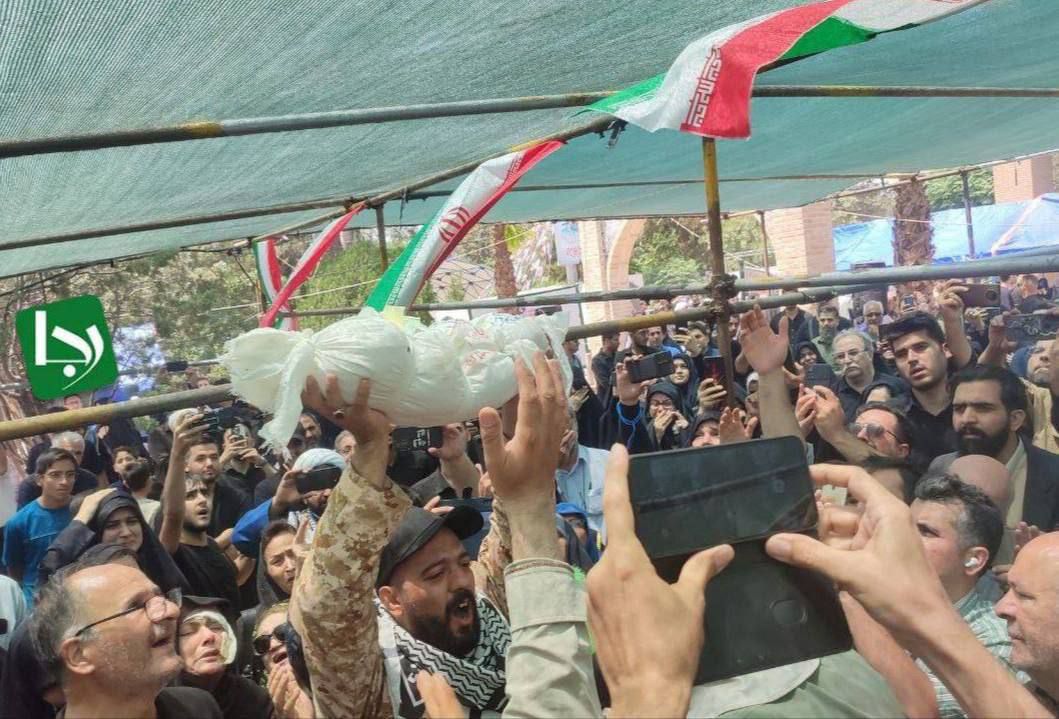
🕯️ Image of the body of the martyr Mazloum Soheil Katuli
⚪ The 11-year-old martyr, Sohail Katuli, along with his mother, was killed in an Israeli attack on Iran.
🤍 https://t.me/anaqtella
“On Sunday night, June 23, it all started again. It was horrifying, and it wouldn’t stop. It began at 2 a.m. I took my mom to the hospital at 6 in the morning, and they gave her another sedative. We managed to sleep for four hours.
I woke up at 10 a.m.—it felt like the house was collapsing on top of me. They bombed all over Tehran. I counted 20 explosions. One was very close—near Ghasr Crossroads,” Sahar said.
Continue reading “Iranians refugees’ Mutual Aid after US/Israeli Destruction and Slaughter”22 June, 2025 14:06 RAQQA
Afrin women condemn Turkish occupation violations.
Despite declarations that Turkey’s jihadi mercenaries were to be drafted into the new Syrian Army, they continue their reign of terror and Turkish military bases remain. Erdogan’s ex SNA mercenaries continue looting, kidnapping and killing in Afrin, Aziz, Al Bab, Seré Keniye… as hundreds of thousands of internal mainly Kurdish refugees still wait to go home in desert camps.
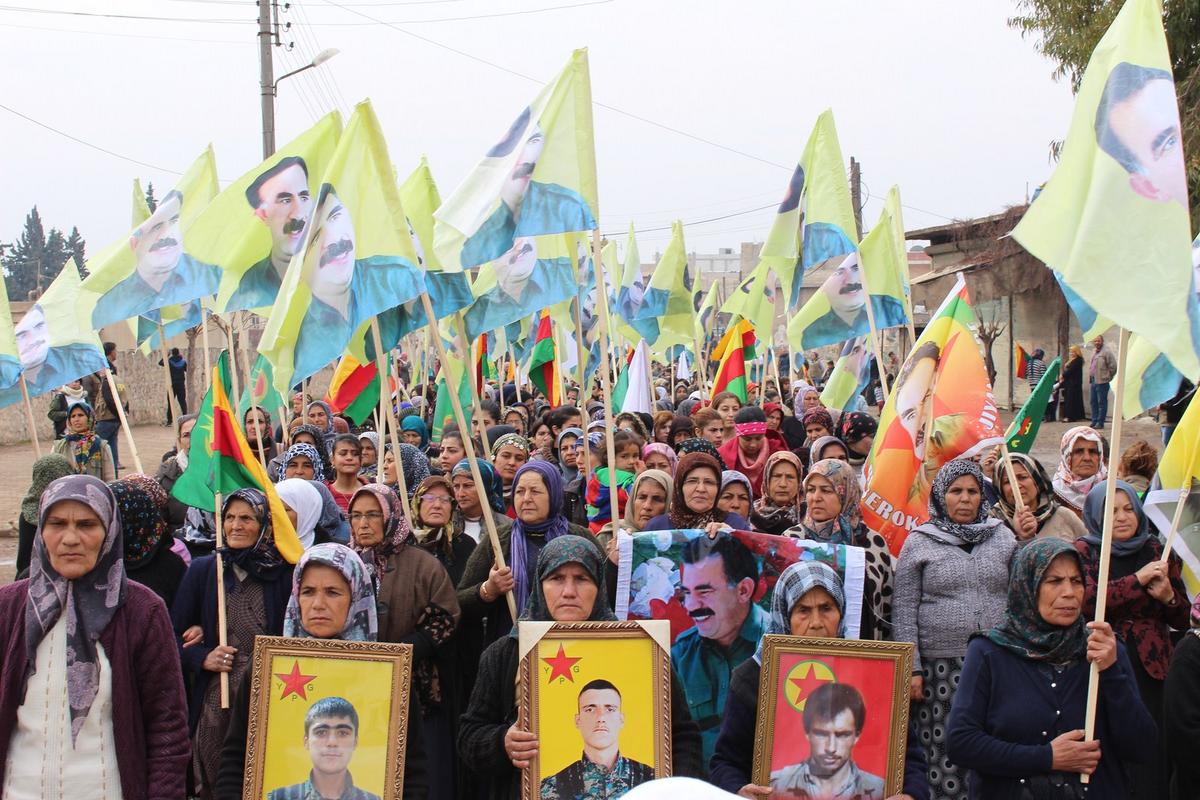
When the Assad regime finally fell Turkey let loose the horde of killers against the exiled Afrin population in Al Shahba Camps, as well as the iconic multi-ethnic Manbij, drowned in blood with a new Turkish Base. (Though the Turkish backed Army failed to capture the key city of Kobani due to heroic resistance)
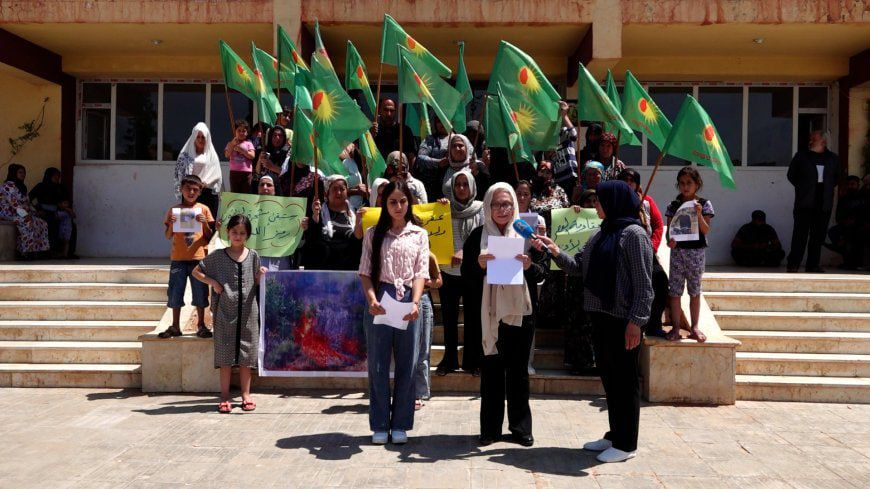
Displaced women from Afrin have again condemned the crimes and violations their occupied city and cantón has endured for over seven years, describing them as flagrant violations of international humanitarian law and human rights charters.
The statement was presented during an event held at the Euphrates Basin building in Raqqa, attended by dozens of displaced people from Afrin and Al-Shahba, alongside members of the Afrin and Al-Shahba Councils and the Kongra Star.
Women from Afrin, forcibly displaced due to the Turkish occupation and its mercenaries since 2018, issued a statement delivered by administrative official Arifa Habash on their behalf.
The statement affirmed that mercenary groups affiliated with the Turkish occupation have committed and continue to commit systematic crimes against unarmed civilians in Afrin, Al-Shahba, and other occupied areas.
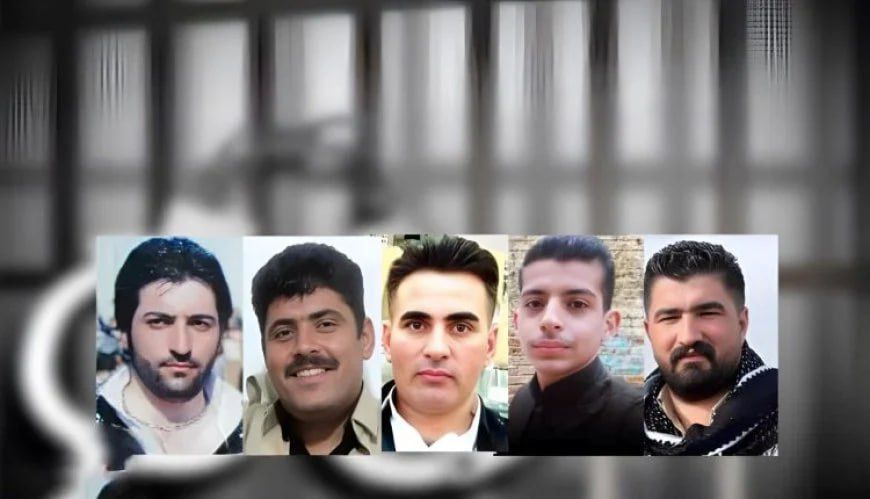
🟠Iranian authorities arrest five Kurdish citizens 22 June 25..
🔵Iranian authorities have arrested five Kurdish citizens amid escalating repression in eastern Kurdistan. According to human rights reports, the arrests are carried out without judicial warrants, and the fate of the detainees remains unknown.
🌐More t.me/enhawarnews ✅
21 June, 2025 14:02 NEWSDESK ANHA t.me/enhawarnews

🔵Afghan activists have sent a heartfelt message to the women of Iran, affirming that the ongoing war is nothing more than a horrific display of power-hungry patriarchal domination men who care neither for a drop of blood nor for the lives lost.
“What unites us,” they said, “is not just pain, but the very dream of freedom.”

Three Afghan activists, Saima Sultani, Helen Farman, and Mazda Mehrkan, expressed their solidarity with Iranian women, declaring their full support for them amid the ongoing war with Israel.
“Not through imperialist interventions, but through women’s struggles”
In their open letter, shared by the Women’s News Agency (NUJINHA), they wrote:
“With hearts full of grief and anger, we write to you at a moment that was meant to mark the end of a disgraceful regime, one that murders women, enslaves workers, robs children of life, crushes the Kurds, and tramples the dreams of migrants.
It was meant to end at the hands of women. This brutality of executions and discrimination was never meant to become another card in the game of patriarchal imperialist politicians.
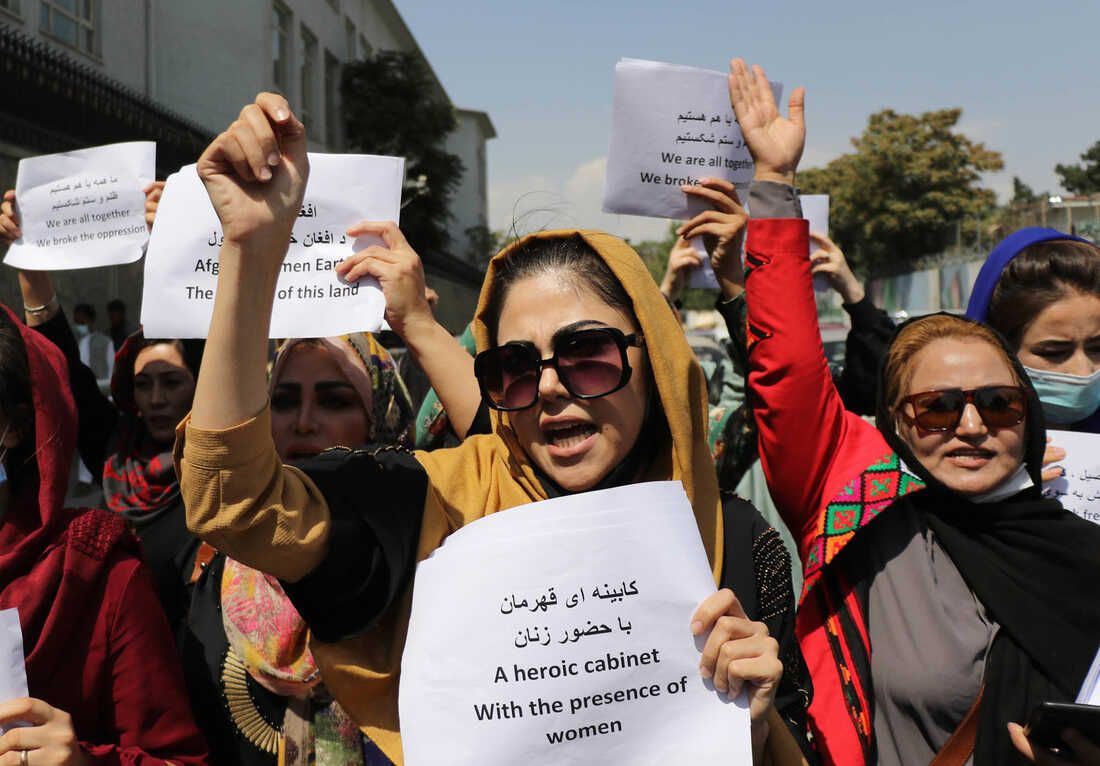
These very forces were the source and financiers of many anti-woman Islamic regimes in Asia and Africa: from Iran to the jihadist parties in Afghanistan, from the Taliban to ISIS and al-Qaeda.
Continue reading “From Afghan women to Iranian women: United by pain, dream of freedom”
🇺🇸✈️ The United States has deployed a giant air force in the Middle East, including:
48 F-15SE, 48 F-16, 22 F-35A/B and 12 A-10.
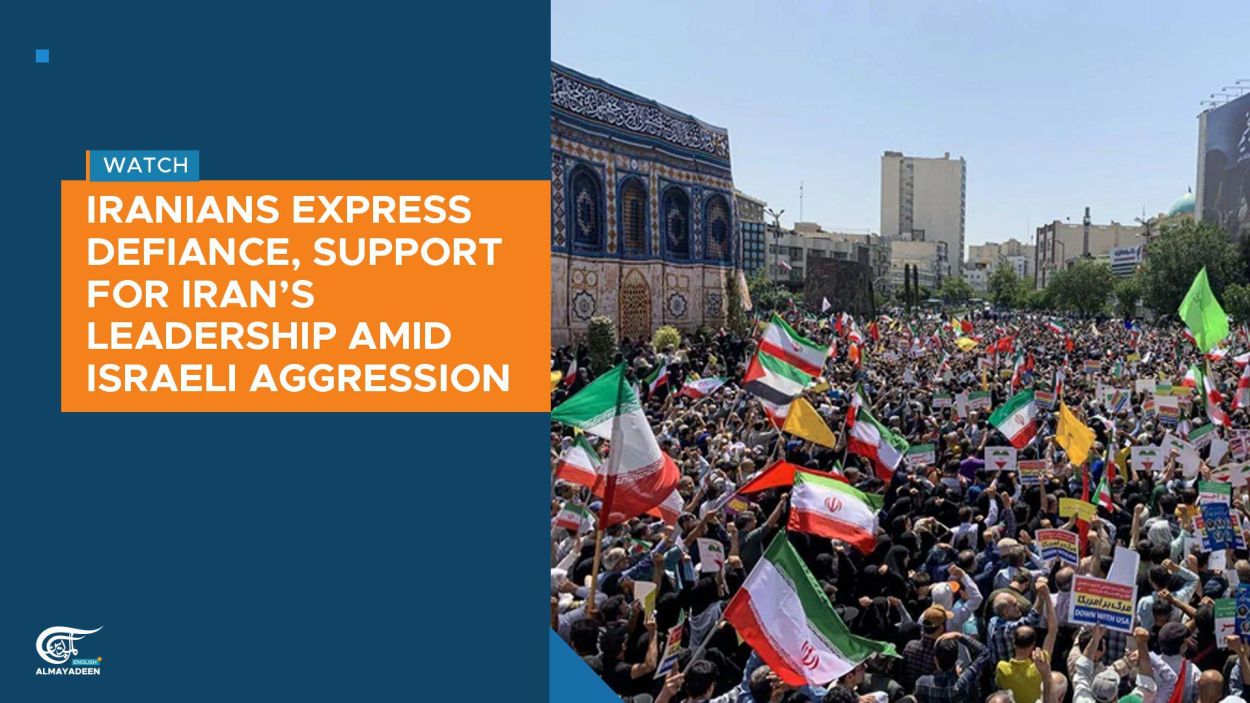
Meanwhile in Tehran huge demonstrations were held yesterday refusing to evacuate the city.
The aircraft carrier USS Carl Vinson is now in the Arabian Sea with 24 F/A-18Es, 12 F/A-18Fs, 12 F-35Cs, and 12 EA-18G Growlers.
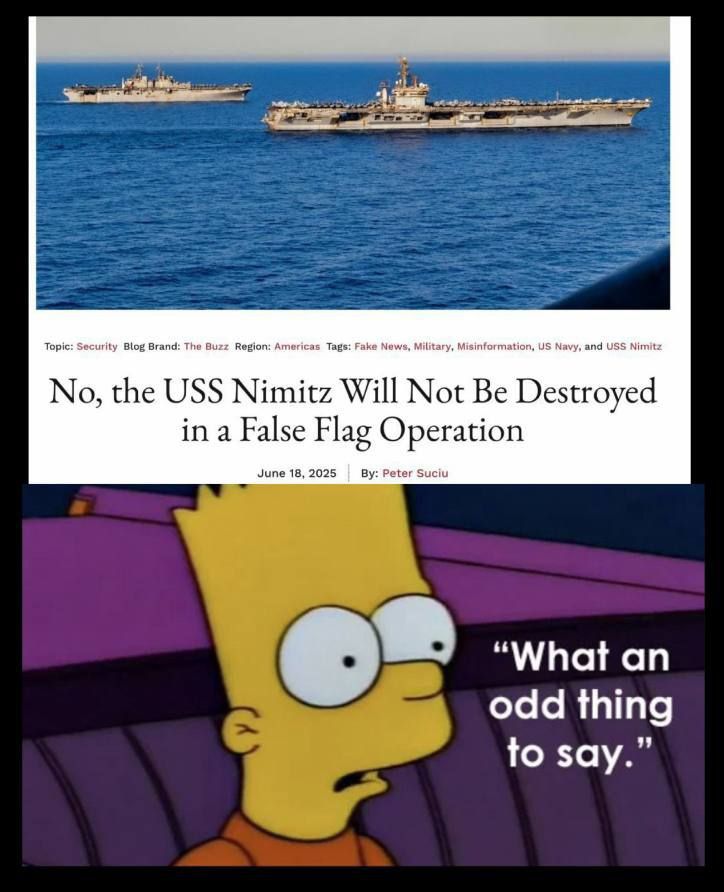
The USS Nimitz will arrive shortly with 48 more Super Hornets and 12 Growlers.

Between 12 and 18 F-22 Raptors and multiple tanker aircraft (KC-46 and KC-135) have also been mobilized.
🇸🇦 In Saudi Arabia, Riyadh’s airbase now hosts 53 F-16s, 22 tankers, and 10 C-130s. Despite their official neutrality, the Gulf states are actively collaborating with the US and Israel.
Frenetic war preparations continue in a dozen US and NATO Bases across Europe and the Middle East in support of the illegal Israeli agression.
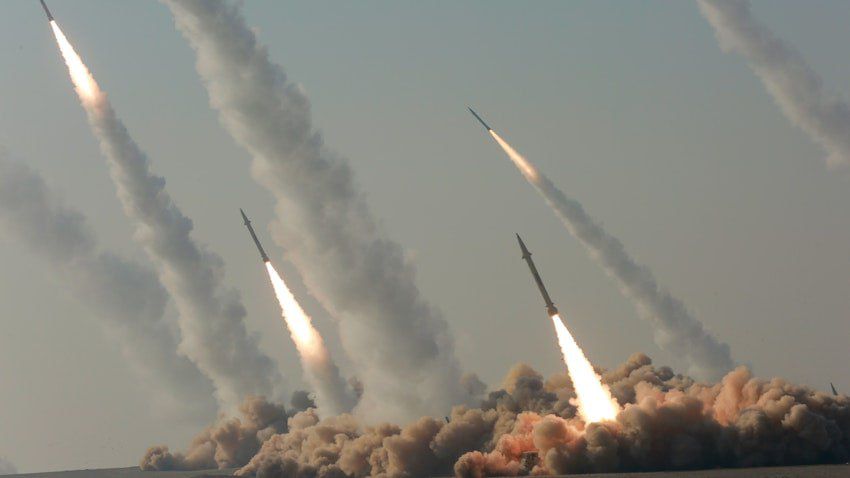
Iran lacks any formal military backing except for the Houthis in Yemen and Hezbollah in Lebanon, both of which have suffered severe bombing.
Iran does however possess a stock of unstoppable hypersonic missiles which the US and Allies have faIled to copy.
The US and Israel have no plans yet for a direct invasion.
Palestine Action target military planes at RAF Brize Norton
News, Jun 20th … Stanton Cree ~
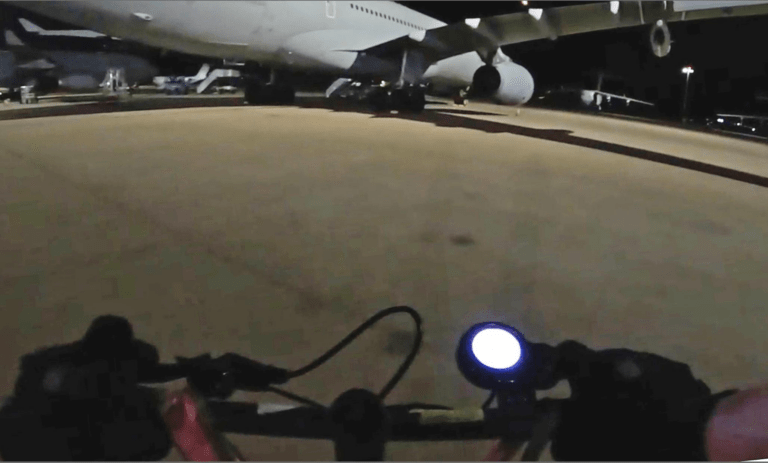
Air base linked to UK and US complicity with Israeli genocide in Gaza
Palestine Action say its activists entered RAF Brize Norton, the largest air force base in Britain, and damaged two Airbus Voyager military planes
In a press release the group said two activists broke in using electric scooters, and targeted the planes with crowbars, and red paint sprayed from repurposed fire extinguishers “symbolising Palestinian bloodshed”.
Both activists appear to have made their escape.
https://freedomnews.org.uk/2025/06/20/palestine-action-target-military-planes-at-raf-brize-norton/
Insane UK Leader Starmer joins Trump’s imminent US Attack Plan!
Starmer’s dangerous delusion: backing Israel risks dragging UK into war.

Once again, Keir Starmer has proved himself a man of dangerous instincts and shallow judgment — this time by backing Israel’s unilateral airstrikes on Iranian soil, cloaked in the tired rhetoric of “self-defence”.
Now he plans to send the UK’s sole Carrier, the HMS Queen Elizabeth to join the ‘Scrap candidate’ Nimitz as target practice for UNSTOPPABLE Iranian hypersonic missiles.
 The Free