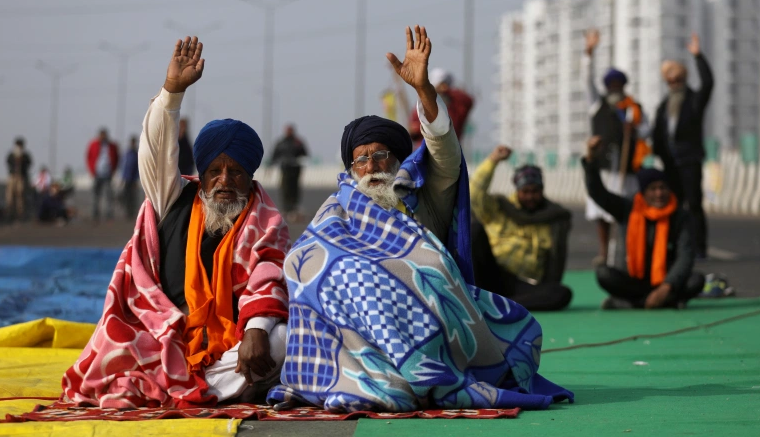
Farmers arrive with blankets and mattresses for others at the Ghazipur site outside New Delhi [Danish Siddiqui/Reuters]
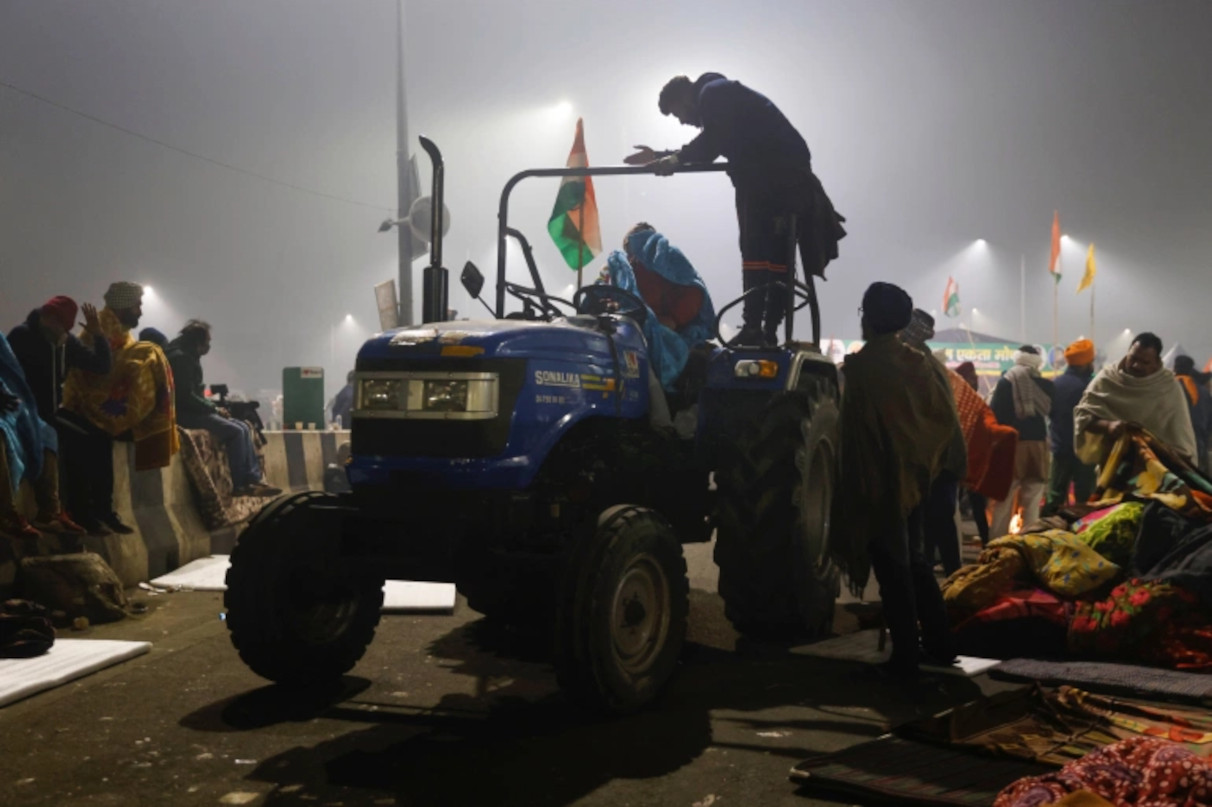
Thousands of Indian farmers marched overnight to reinforce protesting colleagues camping out on the outskirts of the capital, New Delhi, to press the government to withdraw three new farm laws they say will hurt their livelihoods.
Late News> India protests: Internet cut to hunger-striking farmers in Delhi..India has suspended mobile internet services in three areas around the capital, Delhi, where farmers are staging a hunger strike in protest at new agriculture laws. ”If China did this there would be a Media Outcry”.
” the most detailed fictional treatment of the movement from a world recognizably like our own to an anarchist society that I have read.. imagined strongly enough to allow readers to believe that events could happen this way.”
One of the thorniest issues faced by anarchists is imagining a viable process by means of which the contemporary world of dominance and oppression passes into a world of freedom and equality. Is the process to be evolutionary or revolutionary, and if the latter, is it to be violent or non-violent? Interestingly, not many anarchist fictions are dedicated to describing such a transformative process. Most either assume that the anarchist society already exists and devote little attention to how it came about, or they posit some catastrophic event that ends the old order and allows a new one to emerge.
Rarely does an author patiently outline a process of transformation that shows a continuous progress from something like the current state of society to an anarchist one. 1*
It is for this reason that M. Gilliland’s The Free merits an essay here.2.*
It is the most detailed fictional treatment of the movement from a world recognizably like our own to an anarchist society that I have read. More importantly, it is imagined strongly enough to allow readers to believe that events could happen this way. That is to say, it gives plausible answers to the two most important questions regarding such a transformation: under what preconditions is it likely to occur, and once it starts what factors most contribute to its success? After a brief summary of the plot, I trace the answers that The Free gives to these questions.3*…
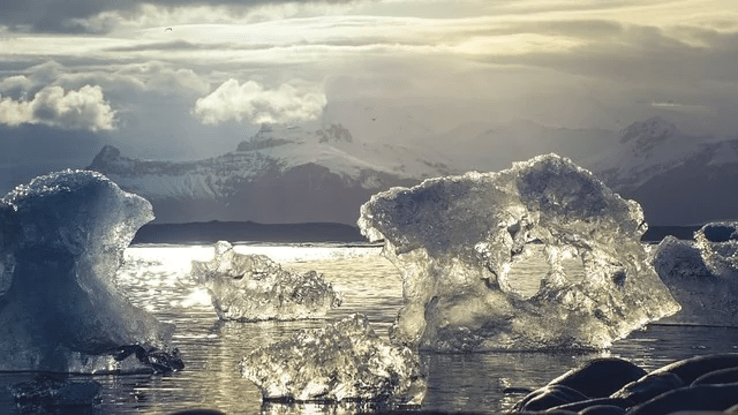
“The East Siberian Arctic Shelf (ESAS) is exceptionally shallow — more than 75 per cent of its entire area of 2.1 million square kilometres is shallower than 40 metres — so most of the methane gas avoids oxidation in the water column and is released into the atmosphere.” (Wadhams, pg. 123“).
”To spot methane levels breaking the 2000ppb mark so sharply in this fragile region is unprecedented.”
”Another factor that works against acceptance by the scientific community is due to native biases towards Russian researchers, namely Natalia Shakova, one of the foremost prominent researchers of ESAS.”
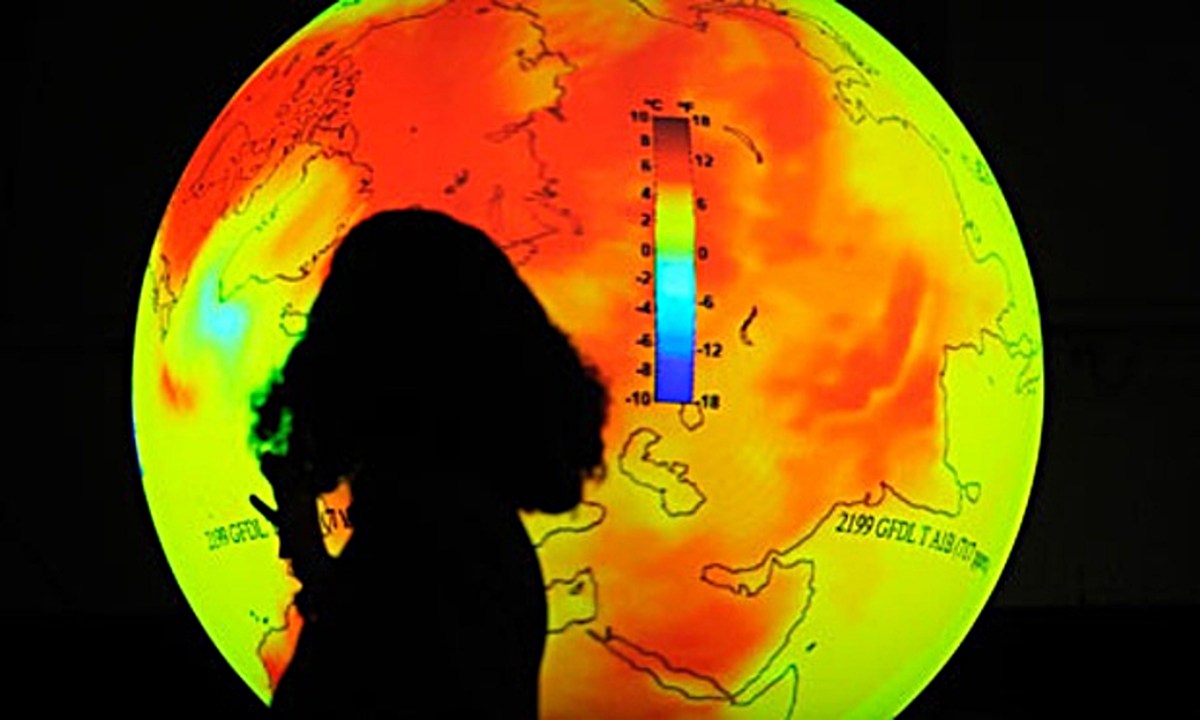
The northern continental shelves of Russia, inclusive of the Barents Sea, Kara Sea, Laptev Sea and East Siberian Sea (ESAS) are some of the least researched yet most controversial subjects in climate science today. It’s the one region that has the biggest potential to trigger runaway global warming because of sizeable sub sea methane deposits, thereby taking civilization down to its knees. But, that prospect is also extremely controversial within the scientific community.
Scientific opinion runs the gamut: (1) high risk-methane bursts will bury civilization with runaway global warming – a dreadful, deadly risk (2) not to worry, it’s low risk because almost all of the massive deposits of undersea methane will stay put (3) not to worry, low risk because any methane seepage via undersea permafrost is oxidized and dissolves within the seawater and not a threat to runaway global warming.
By and large, climate scientists dismiss the ESAS and some go so far as to vilify published research. In fact, the Intergovernmental Panel on Climate Change (IPCC) dismisses its near-term/intermediate-term risks. The reasons are manifold (more on that later).
Unfortunately, recent events in the high Arctic lean towards option number one as the more likely outcome. In that regard, I recently met with Dr. Peter Wadhams, world-renowned Arctic expert, to discuss the issue (more on that follows).
Today’s super-rich are the most privileged and powerful group of people in history. If you’re a billionaire, you can even decide an election by funneling a little bit of your money into the race. You can choose to pay 0% tax. You can sway public opinion by buying up media outlets, and by using think tanks to influence schools and news sources. You can mobilize law enforcement agencies towards targeting your enemies, that is anyone who annoys you.
They are criminals, even the very few with a conscience give away just a fraction of their ill-gotten loot. Even today, with many states openly run by neo racist, sexist and militarist neo fascists, it’s popular to campaign against the astounding and ballooning wealth and power of billionaires. Unmasking these mega robbers helps unite us and at least slows down the trend to dictatorial rule.
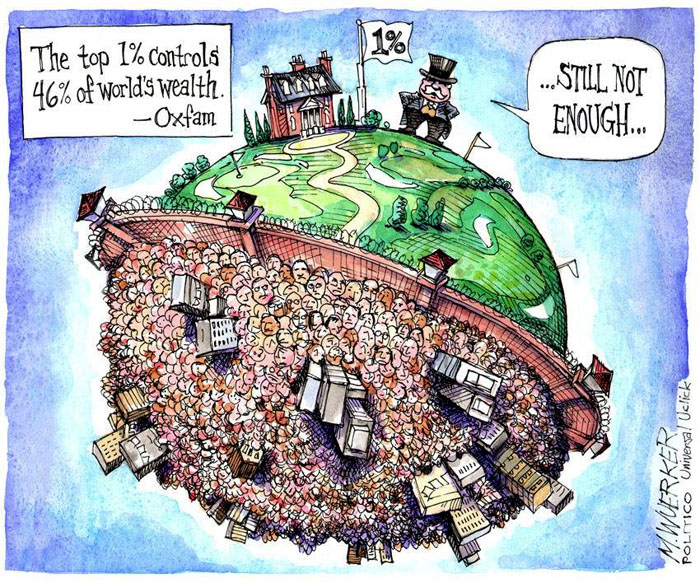
The eight richest people in the world hoard more wealth than the bottom 50% of humanity combined .. they are playing with fire..’.
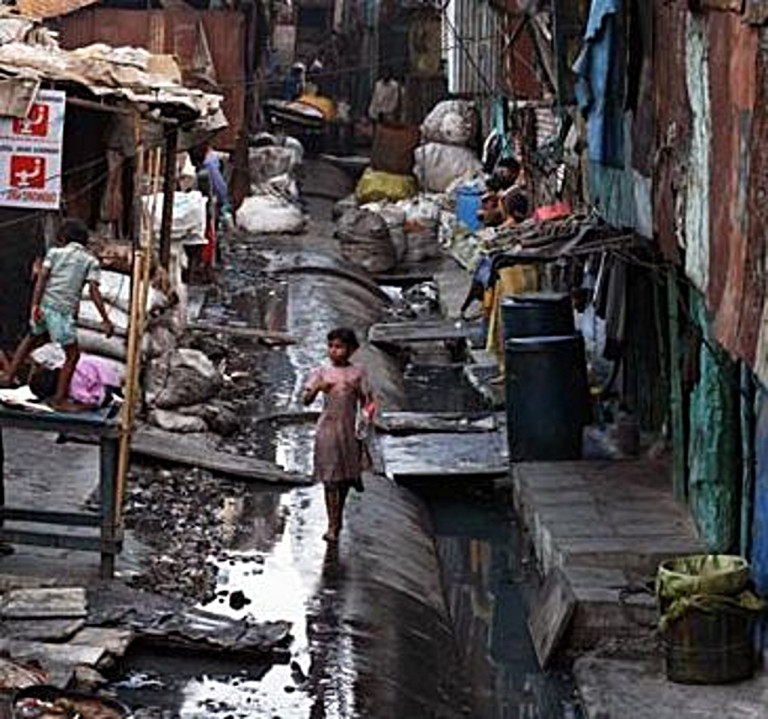
Extreme inequality and declining living standards have happened everywhere that neoliberalism has been imposed, including in the Scandinavian countries that have tried to “reform” capitalism. While the world’s eight richest men now have the same amount of wealth as the bottom half of humanity, the world’s poorest 3.6 billion people are currently getting poorer.
Some call it Moneyland, others see a return to feudal times. The offshore world could also be compared to the two-tiered architecture of imperial Panem in Suzanne Collin’s dystopian Hunger Games trilogy, which is said to reflect the workings of the Roman empire.
Income inequality is at its highest level in at least 50 years, according to one measurement from the government’s Census Bureau. Oxfam reported that the world’s wealthiest 26 individuals, as of 2018, had the same amount of wealth as the poorest half of the US population, which is supposedly the richest state. There were 2,153 billionaires as of March, with the ultra-rich worth $8.7 trillion, according to Forbes.
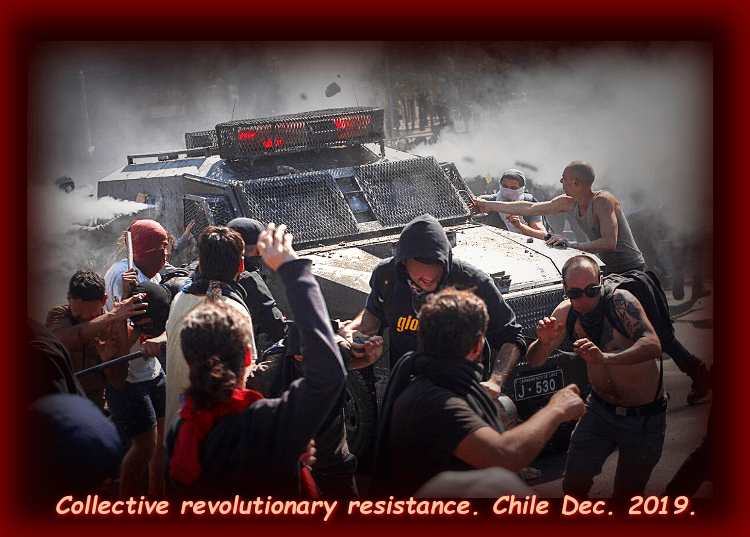
Carlos Aznarez No one had predicted before that youthful irruption in the Chilean Metro, that this year was going to present us with the conflict scenario that we are now seeing. A scenario that demonstrates that after the agreed withdrawal of the Pinochet dictatorship from the government and the emergence of a pseudo-democracy overseen by the empire (called Concertación) the system smells of rot.
That is precisely what the young people (13 to 25 years old) are shouting when they participate daily in the flaming barricades while confronting the criminal repression of the pacos, the militarized police force that acts as a machine to do as much damage as possible.
These courageous youths, whose adrenaline and political awareness are needed to go out into the streets unarmed to confront the machinery of hate promoted by President Piñera, are the ones who have set in motion the restoration of Chilean dignity, who have awakened society as a whole and who, in the process, have recalled that solidarity, comradeship and tenderness are a treasure that has not been lost.
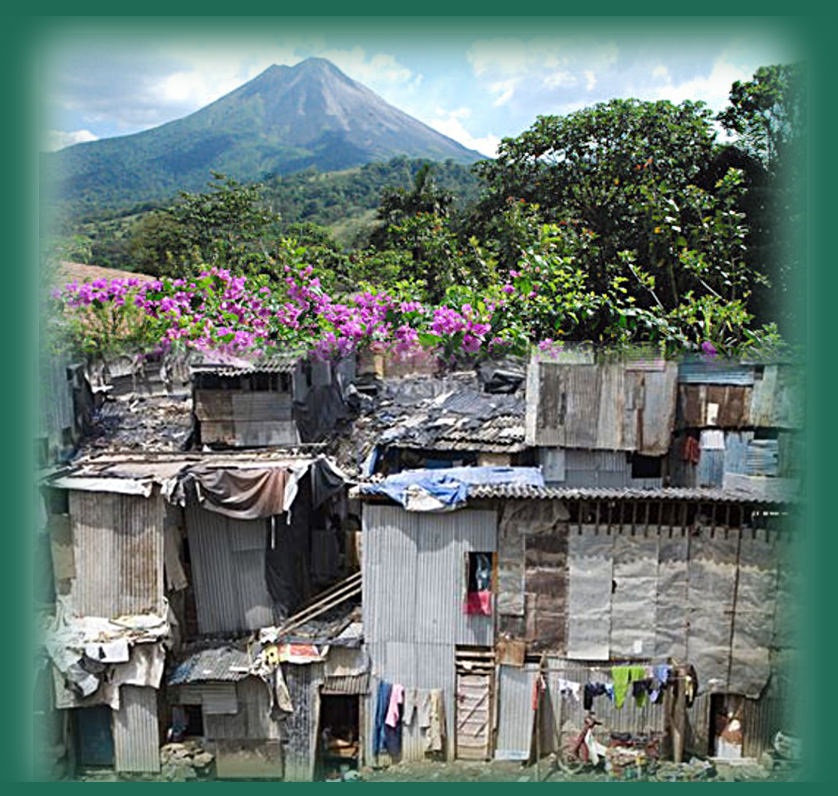
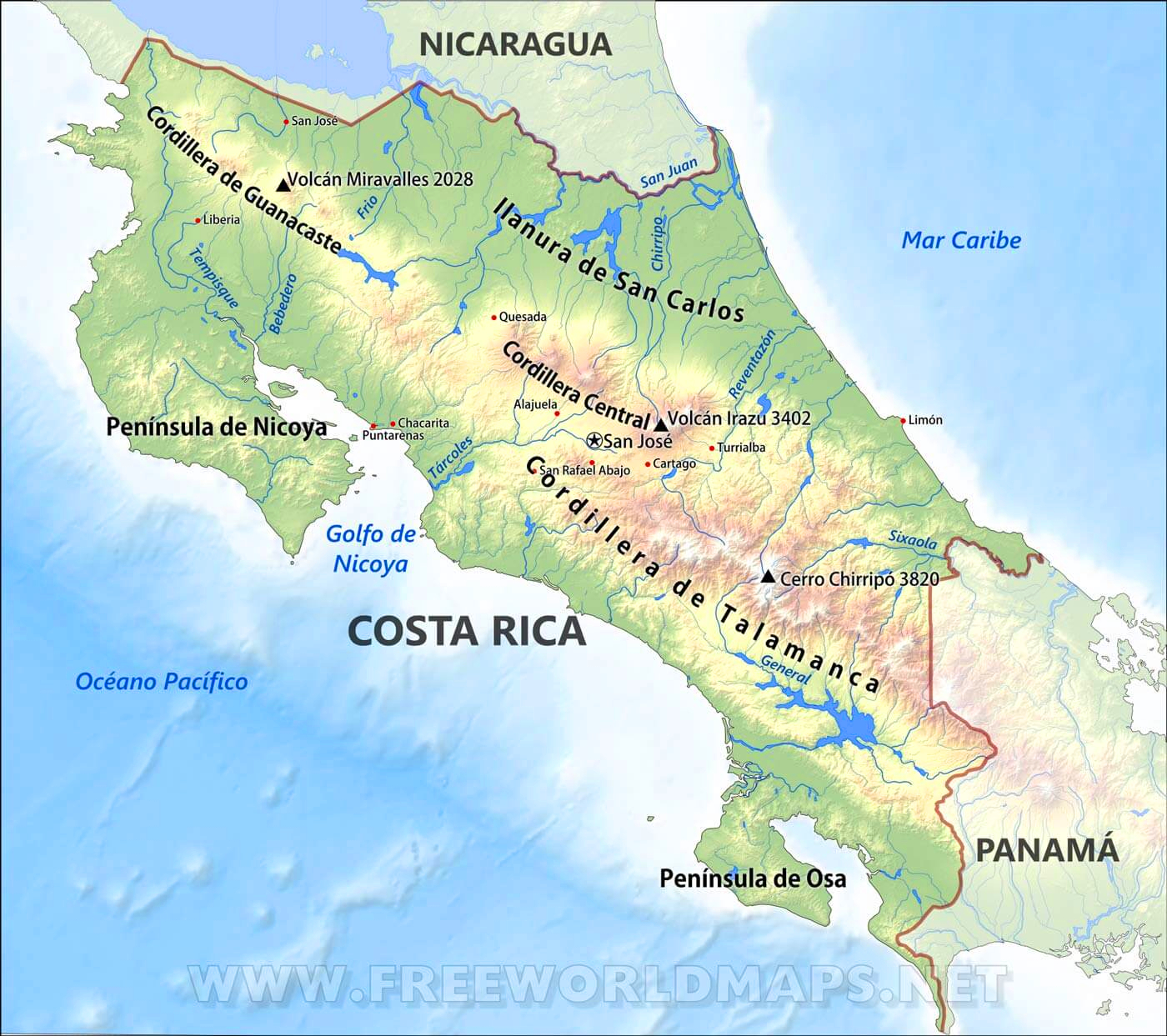
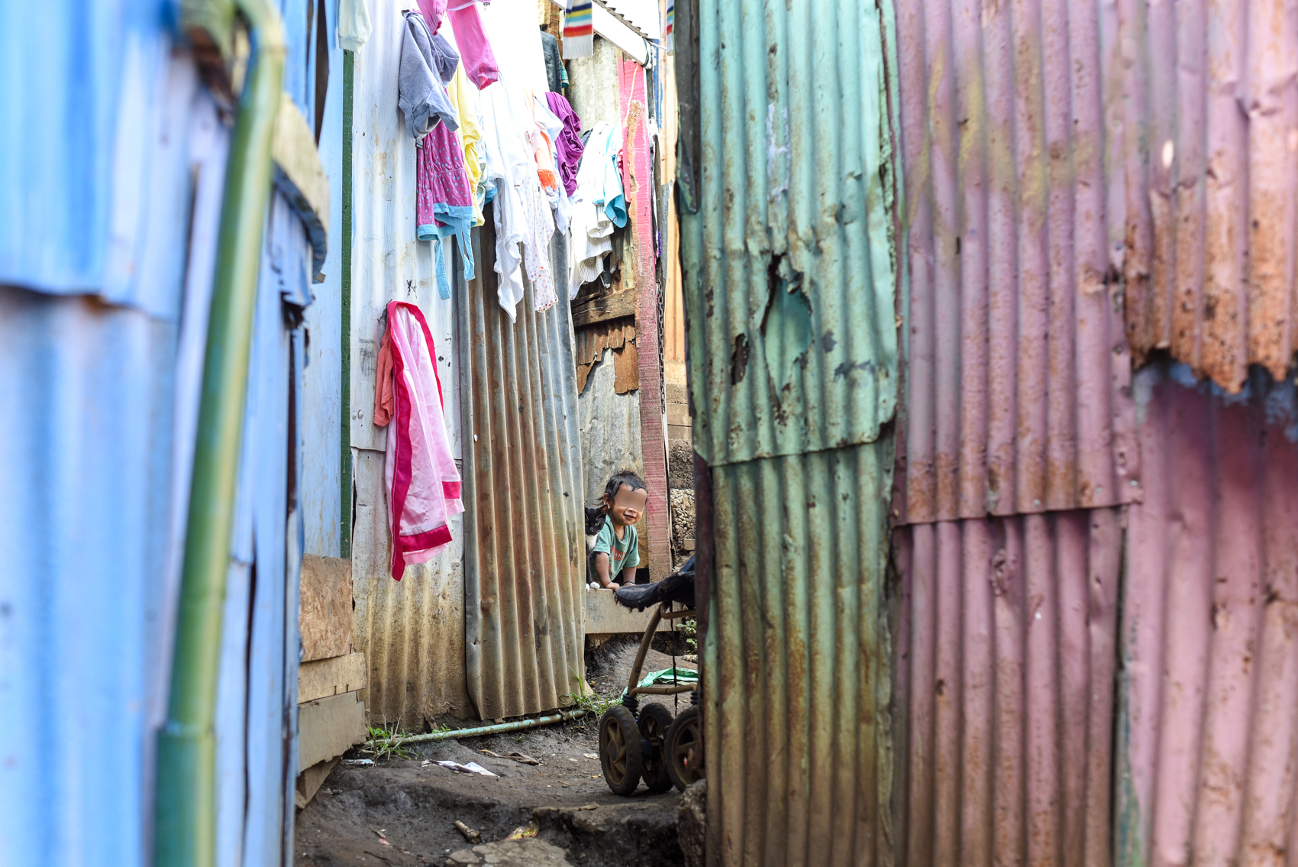
Costa Rica is one of the few States that can boast of being nearly ‘Carbon Neutral’, conserving 25% and doubling its forest. But it’s still a capitalist top-down State, dominated by US capital and being rapidly bought up cheap for nearly tax free US holiday homes. Over 20% of people survive in severe poverty while millions of tourists arrive by plane and Cruise Liners, spewing uncounted CO2. You can even take a Tourist Tour of the slums to photograph the ‘happy smiling beggars’.(7 Shocking Facts About CostaRica’sPoverty Rate).
Of course we must follow Costa Rica’s amazing ecological gains, but without forgetting it’s a small exceptional place (4.5m people) and to solve Climate and ecological breakdown the whole system of Infinite Growth must change.
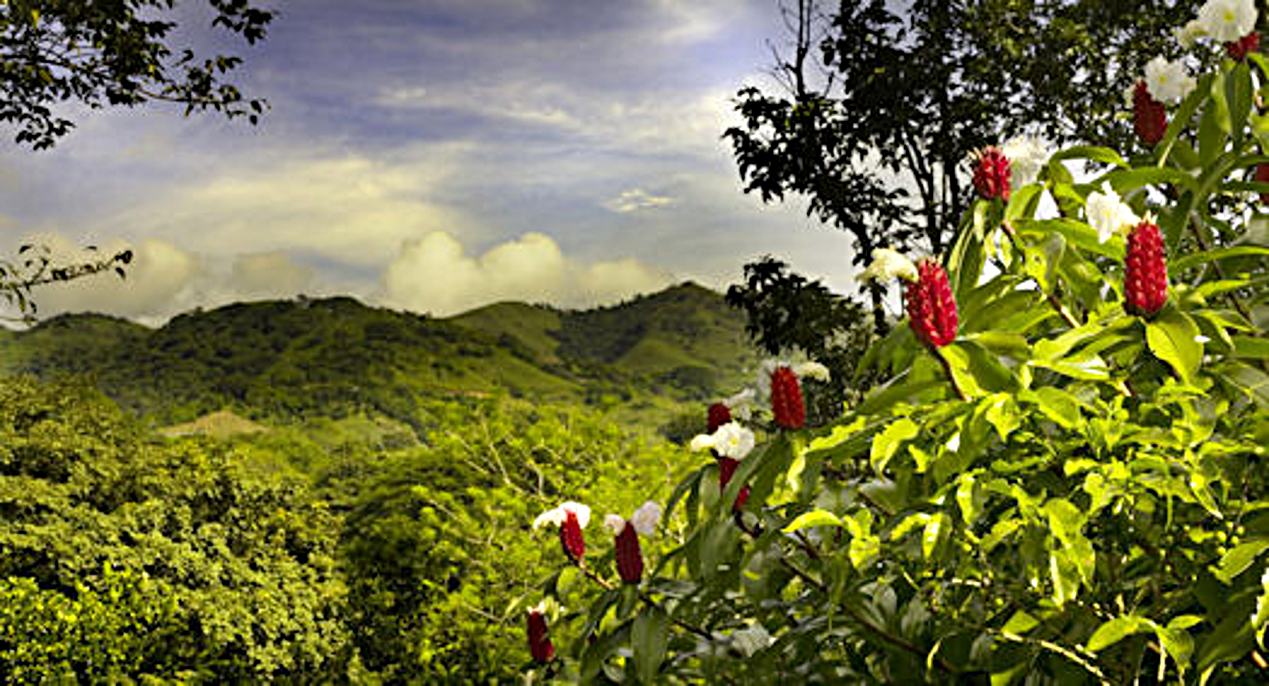
by Pepe Galindo edited with inserts by thefreeonline ”Costa Rica, is an Central American country that conserves its forests very well and that promotes renewable energy Years of uncontrolled logging razed two thirds of Costa Rica’s trees. When they stopped cutting, the forests grew.
But that was not something that simply happened, but was organized by the leaders of the country. They recognized that forests generate many benefits that do not appear in economic account.
Costa Rica began to give tax benefits to those who conserved their lands without degrading them.
They understood that protecting their “natural resources” is beneficial in the long term. The so-called Payments for Environmental Services (PES) are serving to recognize that healthy ecosystems generate benefits and that they must pay for them (carbon sequestration, water filtration, maintenance of quality aquifers and air, provision of food and medicines, etc. .).
When these environmental processes are free, people have no incentives to conserve them. Free is not valued. In rural areas, PES have also served to reduce poverty.
.. In 2015 a group of billionairesannounced amid much fanfare that they’d be investing a few globs of their fortunes in clean energy research, and the world was all: “Hoorayforbillionaires!” But two days
later a report from OXFAMcalled “EXTREME CARBON INEQUALITY” (capitalization not my own) revealed that rich people are the biggest contributors to climate change — by a wide, wide margin.Greta Speaks Truth to Power as Those She Criticizes Applaud…16-year-old climate activist Greta Thunberg addressed the U.N. Climate Action Summit with an emotional speech condemning leaders for inaction and stressing that while “[e]ntire ecosystems are collapsing… all you can talk about is money and about fairy tales of eternal economic growth. How dare you!”
Embarrassment of Riches By George Monbiot ….. For the sake of life on Earth, we should set an upper limit on the money any person can amass.
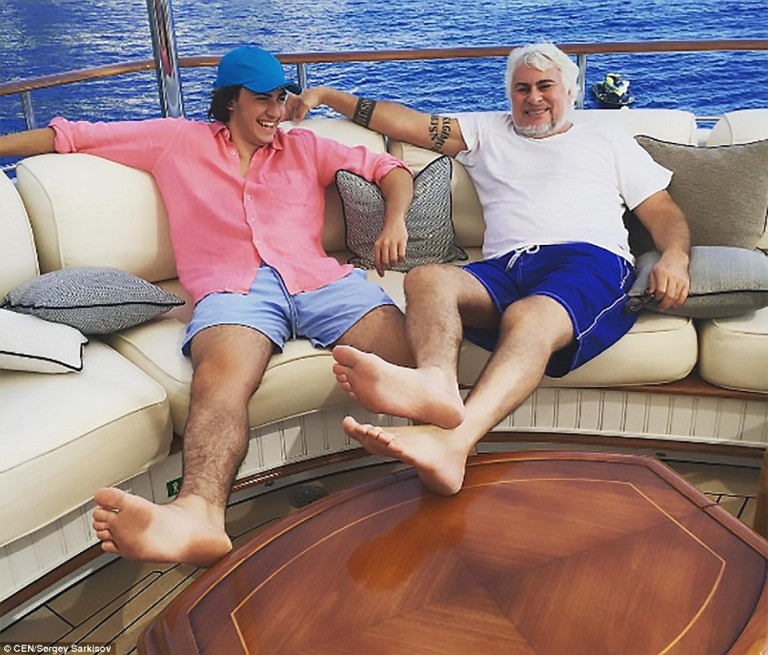
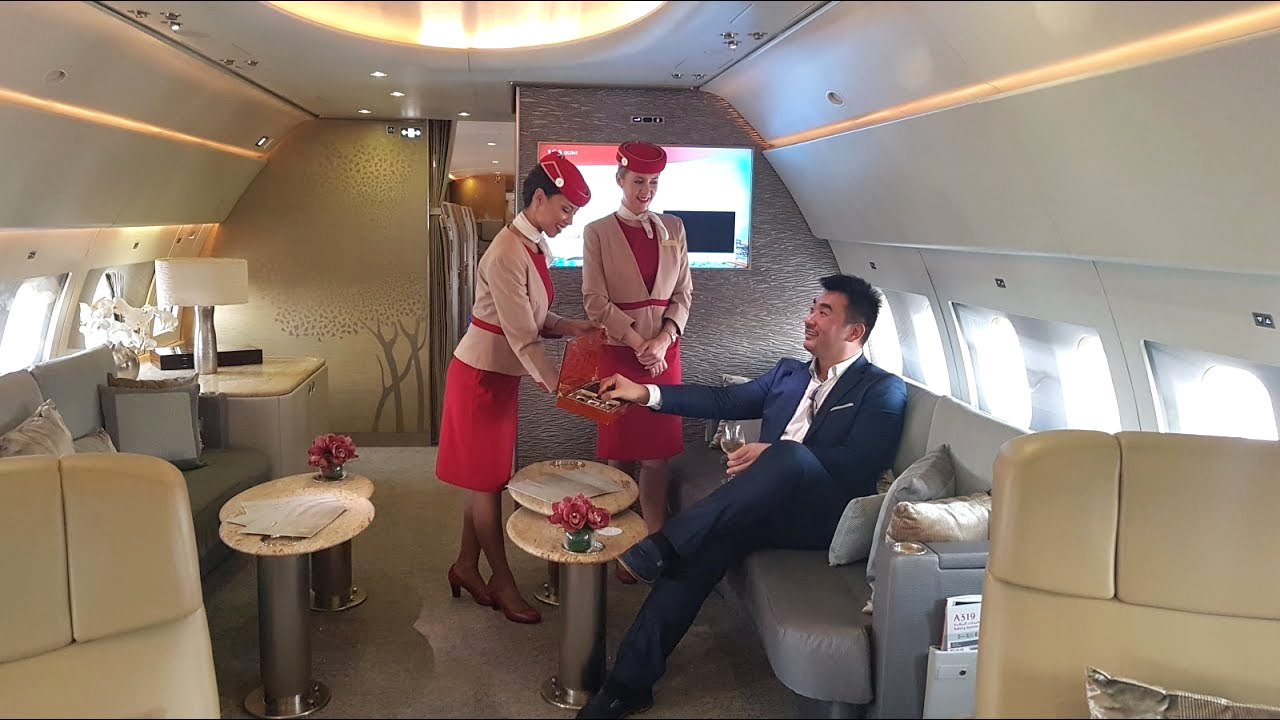
It is not quite true that behind every great fortune lies a great crime. Musicians and novelists, for example, can become extremely rich by giving other people pleasure. But it does appear to be universally true that in front of every great fortune lies a great crime. Immense wealth translates automatically into immense environmental impacts, regardless of the intentions of those who possess it. The very wealthy, almost as a matter of definition, are committing ecocide. A few weeks ago, I received a letter from a worker at a British private airport. “I see things that really shouldn’t be happening in 2019,” he wrote. Every day he sees Global 7000 jets, Gulfstream 650s and even Boeing 737s take off from the airport carrying a single passenger, mostly flying to Russia and the US. The private Boeing 737s, built to take 174 seats, are filled at the airport with around 32,000 litres of fuel. That’s as much fossil energy as a small African town might use in a year.
Where are these single passengers going? Perhaps to visit one of their superhomes, constructed and run at vast environmental cost, or to take a trip on their superyacht, which might burn 500 litres of diesel per hour just ticking over, and is built and furnished with rare materials, extracted at the expense of stunning places. continues below
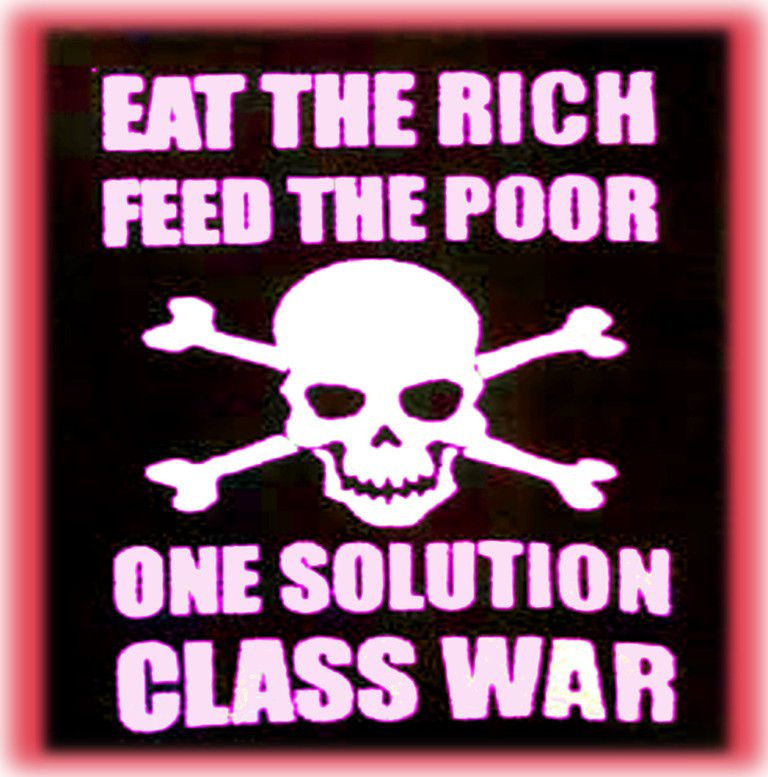
Eat the Rich? How Offshore Capital Now Rules the World .. Today’s super-rich are the most privileged and powerful group of people in history. If you’re a billionaire, you can even decide an election by funneling a little bit of your money into the race. You can choose to pay 0% tax. You can sway public opinion by buying up media outlets, and by using think […]
Perhaps we shouldn’t be surprised to learn that when Google convened a meeting of the rich and famous at the Verdura resort in Sicily this July to discuss climate breakdown, its delegates arrived in 114 private jets and a fleet of megayachts, and drove around the island in supercars. Even when they mean well, the ultrarich cannot help trashing the living.
A series of research papers shows that income is by far the most important determinant of environmental impact. It doesn’t matter how green you think you are. If you have surplus money, you spend it. The only form of consumption that’s clearly and positively correlated with good environmental intentions is diet: people who see themselves as green tend to eat less meat and more organic vegetables. But attitudes have little bearing on the amount of transport fuel, home energy and other materials you consume. Money conquers all. continues below
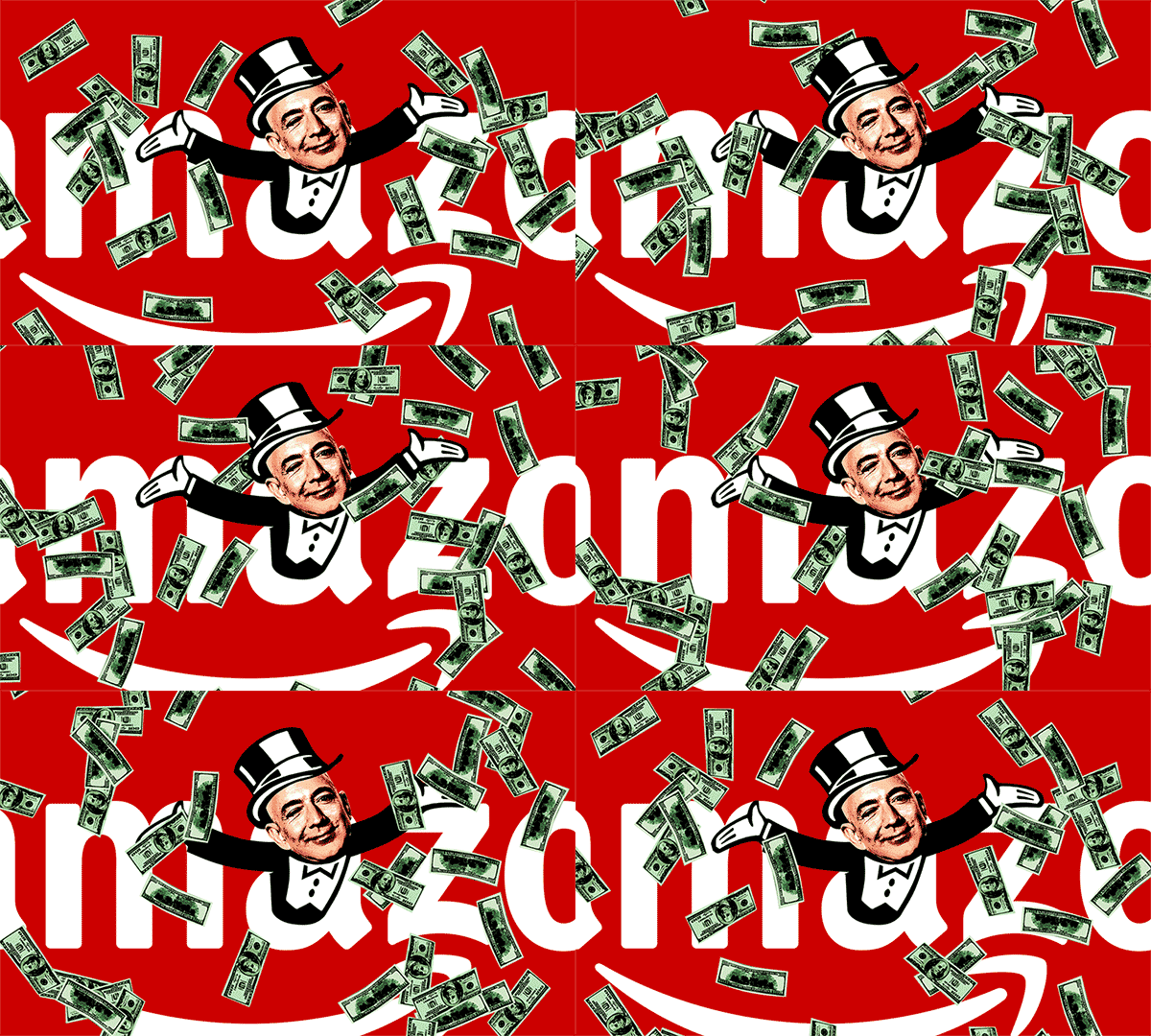
Growing inequality in the United States shows that the game is rigged. …..Last month, Bloombergreportedthat Jeff Bezos, the founder of Amazon and owner of the Washington Post, has accumulated a fortune worth $150 billion. That is the biggest nominal amount in modern history, and extraordinary any way you slice it. Bezos is the world’slone hectobillionaire.He is worth what the average American family is, nearly two million times over. He has about 50 percent more money than Bill Gates, twice as much as Mark Zuckerberg, 50 times as much as Oprah, and perhaps 100 times as much as President Trump. (Who knows!) He has gotten $50 billion richer in less than a year. He needs to spend roughly $28 million a day just to keep from accumulating more wealth.
The disastrous effects of spending power are compounded by the psychological impacts of being wealthy. Plenty of studies show that the richer you are, the less you are able to connect with other people. Wealth suppresses empathy. One paper reveals that drivers in expensive cars are less likely to stop for people using pedestrian crossings than drivers in cheap cars. Another revealed that rich people were less able than poorer people to feel compassion towards children with cancer. Though they are disproportionately responsible for our environmental crises, the rich will be hurt least and last by planetary disaster, while the poor are hurt first and worst. The richer people are, the research suggests, the less such knowledge is likely to trouble them. Another issue is that wealth limits the perspectives of even the best-intentioned people. This week Bill Gates argued in an interview with the Financial Times that divesting (ditching stocks) from fossil fuels is a waste of time. It would be better, he claimed, to pour money into disruptive new technologies with lower emissions.
Of course we need new technologies. But he has missed the crucial point: in seeking to prevent climate breakdown, what counts is not what you do but what you stop doing. It doesn’t matter how many solar panels you install if you don’t simultaneously shut down coal and gas burners. Unless existing fossil fuel plants are retired before the end of their lives, and all exploration and development of new fossil fuels reserves is cancelled, there is little chance of preventing more than 1.5°C of global heating. continues below
see also:US Millionaires Pass $1.500,000,000,000 Tax Cut for RichEvery year wealth and power are concentrated in fewer and fewer hands.. HOW CAN WE STOP THIS MADNESS NOW? ‘Welfare for the Wealthy’: 227 Congressmen Pass $1.5 Trillion Tax Cut for Corporations and the Rich “It’s immoral that many hardworking families will pay a higher tax bill or lose access to critical services like healthcare […]
But this requires structural change, which involves political intervention as well as technological innovation: anathema to Silicon Valley billionaires. It demands an acknowledgement that money is not a magic wand that makes all the bad stuff go away. On Friday, I’ll be joining the global climate strike, in which adults will stand with the young people whose call to action has resonated around the world. As a freelancer, I’ve been wondering who I’m striking against. Myself? Yes: one aspect of myself, at least. Perhaps the most radical thing we can now do is to limit our material aspirations. The assumption on which governments and economists operate is that everyone strives to maximise their wealth. If we succeed in this task, we inevitably demolish our life support systems. Were the poor to live like the rich, and the rich to live like the oligarchs, we would destroy everything. The continued pursuit of wealth, in a world that has enough already (albeit very poorly distributed) is a formula for mass destitution. continues below
see also: The US military is a bigger polluter than as many as 140 countries …The US military is one of the largest polluters in history, consuming more liquid fuels and emitting more climate-changing gases than most medium-sized countries. Its carbon bootprint is enormous. Like corporate supply chains, it relies upon an extensive global network of container ( … )
A meaningful strike in defence of the living world is, in part, a strike against the desire to raise our incomes and accumulate wealth: a desire shaped, more than we are probably aware, by dominant social and economic narratives. I see myself as striking in support of a radical and disturbing concept: Enough. Individually and collectively, it is time to decide what enough looks like, and how to know when we’ve achieved it.
Left, Center and Right: We’re All in Denial About Climate Change .. byTed Rall .. If you really believe that the planet is becoming uninhabitable, if you think you are about to die, you don’t march peacefully through the streets holding signs and chanting slogans begging the corrupt scoundrels who haven’t done a damn thing for decades to wake up and do something. You identify the politicians and corporate leaders who are killing us, you track them down and you use whatever force is necessary to make them stop. Nothing less than regime change stands a chance of doing the job.
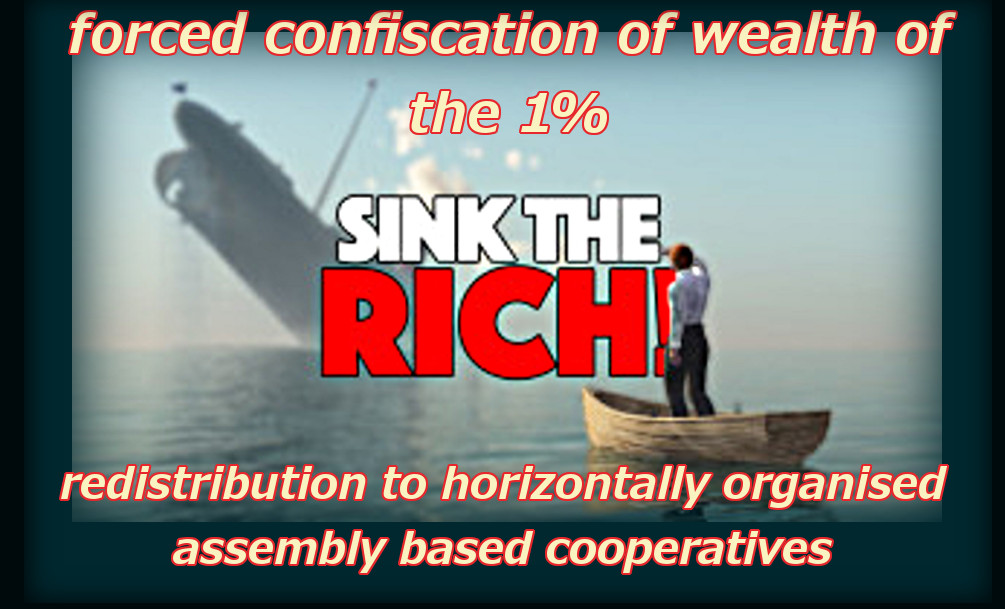
There’s a name for this approach, coined by the Belgian philosopher Ingrid Robeyns: limitarianism. Robeyns argues that there should be an upper limit to the amount of income and wealth a person can amass. Just as we recognise a poverty line, below which no one should fall, we should recognise a riches line, above which no one should rise. This call for a levelling down is perhaps the most blasphemous idea in contemporary discourse but her arguments are sound. Surplus money allows some people to exercise inordinate power over others, in the workplace, in politics, and above all in the capture, use and destruction of natural wealth. If everyone is to flourish, we cannot afford the rich. Nor can we afford our own aspirations, that the culture of wealth maximisation encourages. The grim truth is that the rich are able to live as they do only because others are poor: there is neither the physical nor ecological space for everyone to pursue private luxury. Instead we should strive for private sufficiency, public luxury. Life on earth depends on moderation.
shared with thanks from www.monbiot.com (inserts and illustrations added.)
An alliance of non-hierarchical groups formed over the last few months, the Green Anticapitalist Front is attempting to provide a link between the extensive anarchist experience of green direct action and the latest wave of climate change activism. Here, the group outlines its background and ideas for future activity.








 The Free