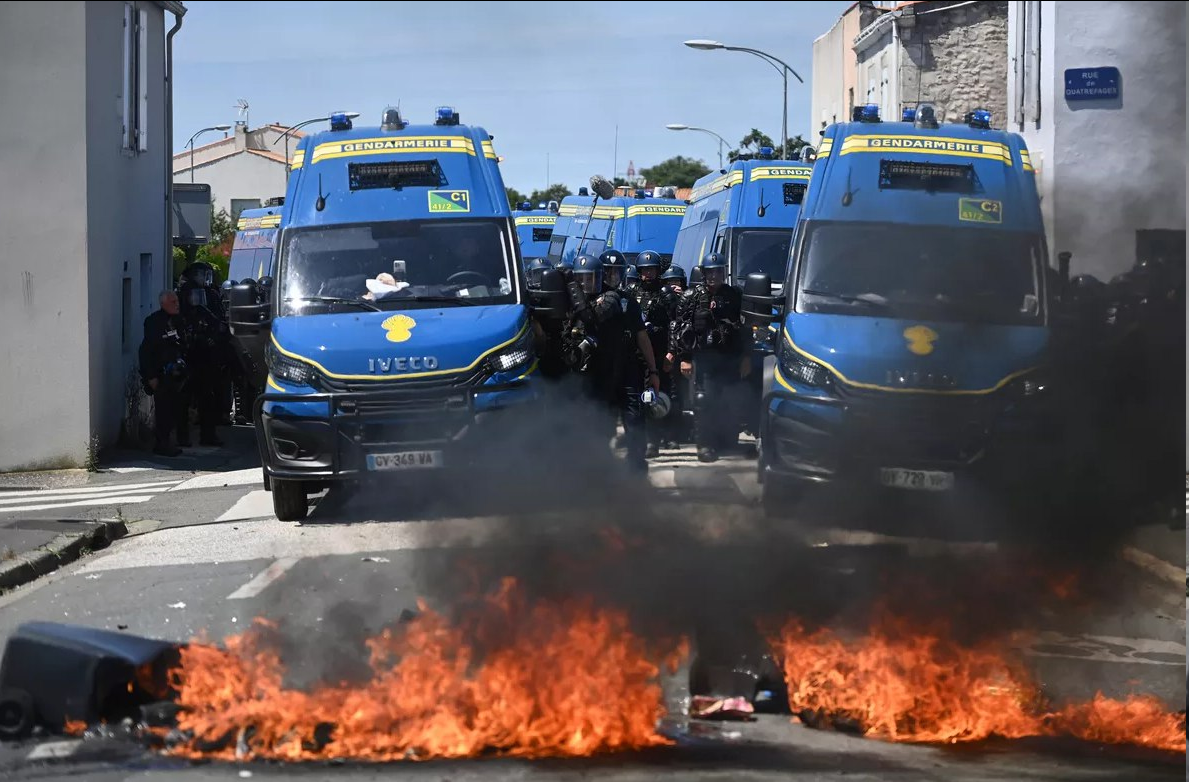
Struggle against hoarding of water by agro-industry sees five days of action, culminating in a 10,000-strong march on the commercial port of La Rochelle
France: Thousands protest ‘mega-basin’ reservoir expansion
Struggle against hoarding of water by agro-industry sees five days of action, culminating in a 10,000-strong march on the commercial port of La Rochelle
France: Thousands protest ‘mega-basin’ reservoir expansion

Israel’s attacks on water access are part of its decades-long campaign to exercise control over basic needs in Gaza.
Oxfam: Israel Has Reduced Water Access in Gaza by 94 Percent Since October

Exclusive: Royal Air Force has surveillance tape of Gaza from the day Israel killed British aid workers – but refuses to publish it.
UK Covers Up Gaza Spy Footage From Day of Aid Worker Massacre
Exclusive: Royal Air Force has surveillance tape of Gaza from the day Israel killed British aid workers – but refuses to publish it.
UK Covers Up Gaza Spy Footage From Day of Aid Worker Massacre

From The City by Melanie Marich – July 16, 2024 Original title: ABC No Rio, a Home for Anarchist Artists, Rises Again on the Lower East Side Years after its demolition, ABC No Rio will get a new energy-efficient headquarters on the same site of its famous Rivington Street artists’ hub. Eighteen years ago, the…
ABC No Rio Rises Again
We spoke to four New Zealand funeral directors about the many deaths within 2 weeks of first Covid jabs, and the white rubbery clots found after death during embalming.
thefreeonline 22nd July 2024 via The Most Revolutionary Act by nzdsos.com (on Telegram:/t.me/thefreeonline)

Photo Credit – NZDOS – shared with thanks!
As the devastating evidence of a worldwide death and disability crisis keeps on coming, another sector of the health workforce tells its story of increased mortality, and especial;y in younger people, predominantly from sudden cardiac deaths and cancers.–

Business Booming for New Zealand Funeral Directors
But these aren’t doctors sending home chest pains with an anxiety diagnosis, or clot-busting occluded blood vessels.
They aren’t even the ambulance at the bottom of the cliff – they are six feet under the bottom. If there really are excess deaths, someone would be disposing of the extra bodies, right?
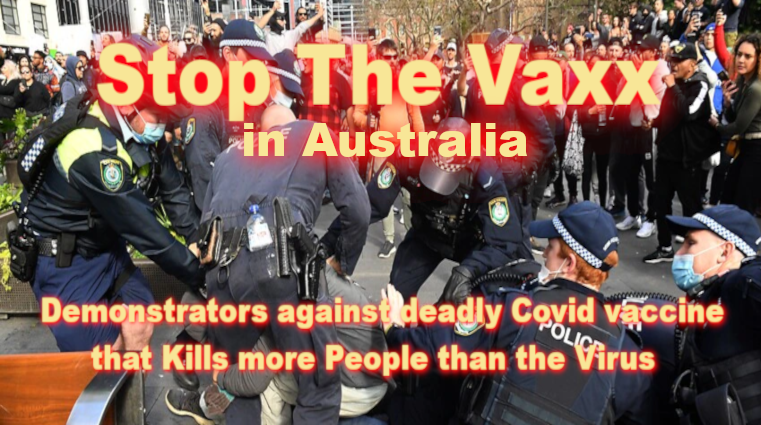
Recently we spoke to four New Zealand funeral directors (FDs). Two employees at different firms just made contact with us, separately, so then we re-interviewed 2 owners we had first connected with in 2022 about the many deaths within 2 weeks of their first jabs, and the white rubber clots found after death during embalming.
One of the workers, let’s call her Diane, sent the following summary, which you will see corroborates strongly the accounts of the others.
“I started in the funeral director industry over a decade ago and trained as a Funeral Director / Embalmer.
Up until Cov19, my experience in funeral trade pretty much dealt with the elderly and expected deaths, nothing suspicious.
Just the way it has been for years, there was the occasional younger person, which was generally due to vehicle accidents, suicide and unfortunately illness.
NZDSOS is a group of health professionals appalled at the censorship and coercion in response to the Covid-19 outbreak.
I had only dealt with two unexpected deaths for people under 70 during that time. The only reason I remember only two is because sudden deaths were so rare.

When covid hit, the local hospital had two excessively large, refrigerated containers, to store the promised and unprecedented number of deaths due to Cov19. But the refrigerated containers were never even switched on.
The limited number of grieving whanau that weren’t ‘allowed’ to be present at their loved one’s funeral, that was all wrong.

As best as I can recall, the first weeks of the vax roll out, we looked after family deaths that had obviously been vax related. Then the dramatic increase in late term miscarriages, and still births, was very obvious.
For example, we usually took care of up to three babies within a two-month period, (which is already too many; one of the hardest aspects of the job). The first week of the vax, we had three babies born dead in the same week! Were these partners of vaccinated border workers? I don’t remember the ‘safe in pregnancy’ message being pushed until after that.
It wasn’t long before the mandates, and in my situation it was no jab, no job. There was no way that poison was going to go near me, especially after what I was witnessing in the funeral home.
After a short stint doing various jobs, I was offered a job back in the funeral industry when the mandates were dumped.
This is where I first discovered these ‘calamari’ clots. The first one I pulled out was over 50cms long.
Not all are that big. Never seen anything like these before. Like white rubber bands, a typical blood clot looks like a dark red jelly, and easily breaks apart. Not these bastards, they are tough, and will not break up easily.
I am currently noticing these nasty clots in about 1 out of 3 embalmings, and they were definitely not there prior to the jab. Also, the number of sudden deaths is up sharply, the youngest person that I had to take care of was only 21 years (died while getting ready to play rugby, fit and healthy).
Sudden deaths are spread across all ages and are showing no signs of slowing down.
The other noticeable difference is in cancer: much more but especially in the young. Before the vax, my observations were that the time between the first diagnoses and death was at least a year minimum (there were some exceptions), now the majority are less than 3 months.
I looked after a younger person not so long ago, the time between diagnoses and death was 4 days….. there are no words……
[…]
“We wish to emphasise that in our researched and educated opinion it is unethical and reckless to administer C-19 ‘vaccines’ to children of any age.”Read more https://nzdsos.com/2022/01/17/position-statement-on-the-covid-19-experimental-vaccines/
Continue reading “Business Booming for New Zealand Funeral Directors”thefreeonline 21 Jul, 2024 by Home(banned in West) – (on Telegram: t.me/thefreeonline).
West Jerusalem has provoked more outrage accusing Bella of anti-Semitism for her pro-Palestinian stance against the ongoing Genocide in Gaza

Top model Bella Hadid joins pro-Palestinian protest
German sportswear giant Adidas has dropped American model Bella Hadid from its advertising campaign for retro sneakers, after facing criticism from Israel.
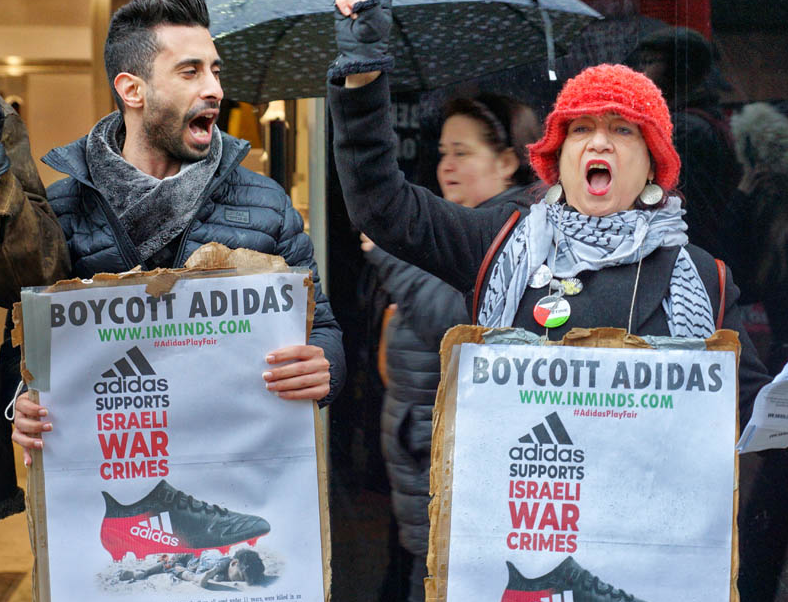
Hadid, whose Palestinian father was born in Nazareth, has been a vocal advocate for the rights of the ethno-national group, calling for an end to the bloodshed in Gaza.
She has repeatedly criticized the Israeli government over the ongoing Gaza conflict, which to date has claimed over 38,000 Palestinian lives. In October 2023, the IDF launched a military operation in the enclave in response to a deadly Hamas raid that had left approximately 1,200 Israelis dead.

22nd July 2024.. Israel’s war on Gaza live: Israel kills 27 in new attack on Khan Younis.. shared with thanks
Bella and her sister Gigi, also a model with millions of social-media followers, have participated in several pro-Palestinian demonstrations, publicly accusing Israel of committing “genocide” in the enclave..
Continue reading “Adidas drops Bella Hadid from ad after Israeli criticism for supporting Palestinians”
