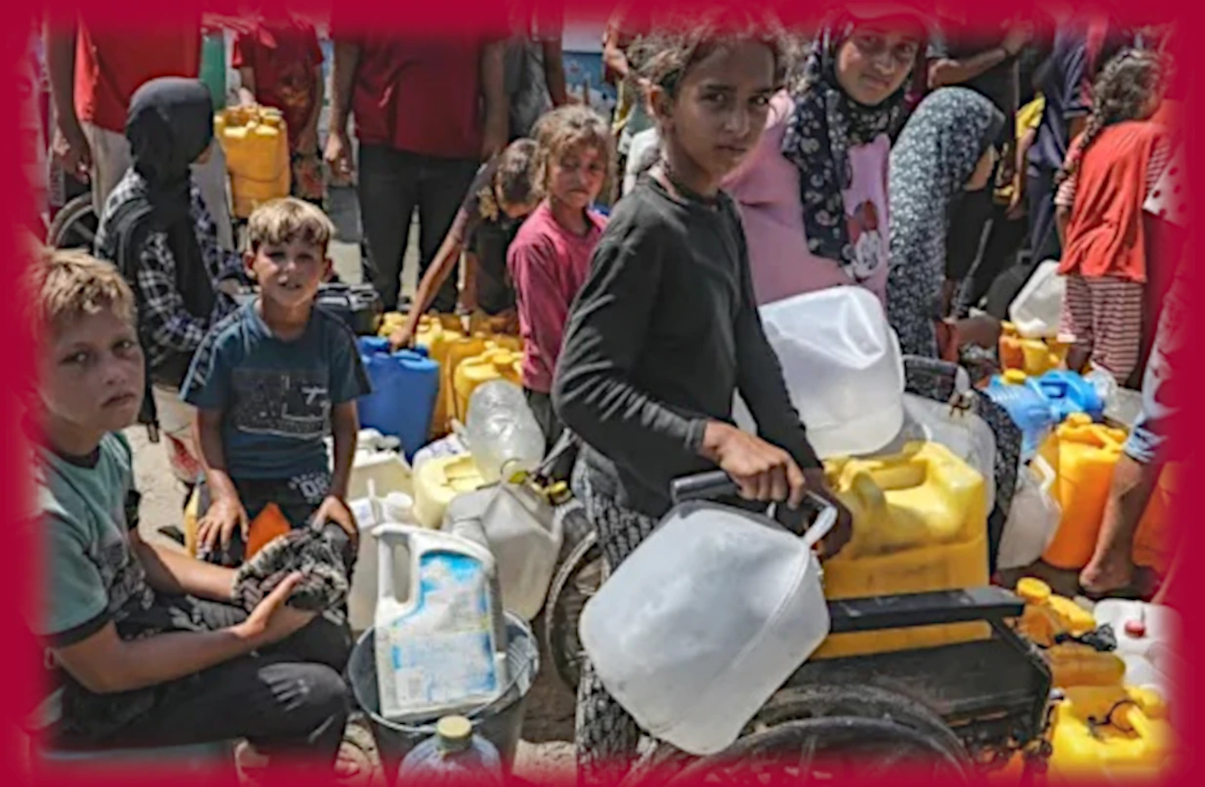
Desperate search for clean water amid war and blistering heat in Gaza
The Gaza Strip remains at high risk of famine as the Israeli war on the besieged enclave persists and access to aid is restricted, with international organizations warning that the Gazans endure subhuman conditions.
More than 495,000 people across the besieged Palestinian territory are facing “catastrophic food insecurity,” according to the United Nation’s hunger monitoring system, the Integrated Food Security Phase Classification (IPC).
That is down from a forecast of 1.1 million in the previous update three months ago, but is still more than one-fifth of Gaza’s population, the IPC said on Tuesday.
Households suffer an extreme lack of food, leading to acute malnutrition in young children, an imminent risk of starvation, and deaths, it reported.
More than 20 percent of people reported going entire days and nights without eating. Overall, about 96 percent of the population will continue to face high levels of acute food insecurity until September.
Citing the IPC’s report, the Mercy Corps aid group said that people in Gaza are “enduring subhuman conditions” with a third of the population picking through trash to survive in the oppressive summer heat.
Two more victims were just pulled out from the rubble of the Abu Awwad family home in Beit Lahiya, northern Gaza, which was levelled to the ground by an Israeli airstrike last night. pic.twitter.com/E9GdhVrNvO
“The fact that the entire population of Gaza is at emergency levels of hunger with nearly 500,000 people starving should come as no surprise, as the world has been watching Gaza’s humanitarian crisis worsen for nine months,” Mercy Corps’ Vice President of Global Policy and Advocacy, Kate Phillips-Barrasso, said.
“People are enduring subhuman conditions, resorting to desperate measures like boiling weeds, eating animal feed, and exchanging clothes for money to stave off hunger and keep their children alive,” Barrasso added.
Today, the Israeli occupation allowed a fraction of Gaza's cancer patients to travel to Egypt for treatment but did not permit mothers to accompany their sick children. pic.twitter.com/HAbxPVzdbN
A previously censored paper from The Lancet has now undergone peer review and is available online.
Did 5, 180, 893 of us DIE from the Covid Vaccine ?
Total reported Covid 19 deaths to April 2024 are 7,010,681 according to worldometers.info/c.. Divided by 73.9% rate of deaths in the Autopsy Findings that would add up to 5, 180, 893 Covid Vaccine Deaths if all had been allowed autopsies...
Most of those unnecessary deaths could have been avoided if the Lancet had not censored the Report and the vaccination campaign had been suspended. But of course doctors, hospitals, Vaccine firms and all their elite shareholders would have lost out on their bonanza profits.
And extrapolating the findings we can guess at tens of millions of us crippled and still suffering today, millions of stillbirths and miscarriages destroying women’s lives..
An ongoing humanitarian tragedy due to an experimental vaccine that we knew was obviously deadly from the start. ( In the safety tests “all the animals died”.)
Instead of endless coverups and even plans for a new ‘Pandemic $$ Feeding Frenzy’ a mass jailing of the beneficiaries of letting millions of us die for profit might go some way to restore some credibility to the US Empire of Lies.
The paper’s lead author, Dr. Nicolas Hulscher, faced significant opposition in bringing these findings to light. After initially being downloaded over 100,000 times, The Lancet removed the paper within only 24 hours, according to Dr. William Makis.
According to The Daily Sceptic, the reason given at the time was, “This preprint has been removed by Preprints with the Lancet because the study’s conclusions are not supported by the study methodology.”
Without further detail from the Preprints with the Lancet staff who removed the paper it is hard to know what possible substance, if any, the claim that the conclusions are not supported by the methodology really has.
A number of the authors of the paper are at the top of their fields so it is hard to imagine that the methodology of their review was really so poor that it warranted instant removal at initial screening rather than being subject to full critical appraisal.
It smacks instead of raw censorship of a paper that failed to toe the official line. Keep in mind that the CDC has not yet even acknowledged a single death being caused by the Covid mRNA vaccines.
Autopsy evidence demonstrating otherwise is clearly not what the U.S. public health establishment wants to hear.”
In a post on X Friday, Dr. William Makis shared the shocking news.
“BREAKING NEWS: Our LANCET CENSORED Paper is now peer reviewed and available online!” Makis wrote on X.
BREAKING NEWS: Our LANCET CENSORED Paper is now peer reviewed and available online!
"A Systematic REVIEW of Autopsy findings in deaths after COVID-19 vaccination"
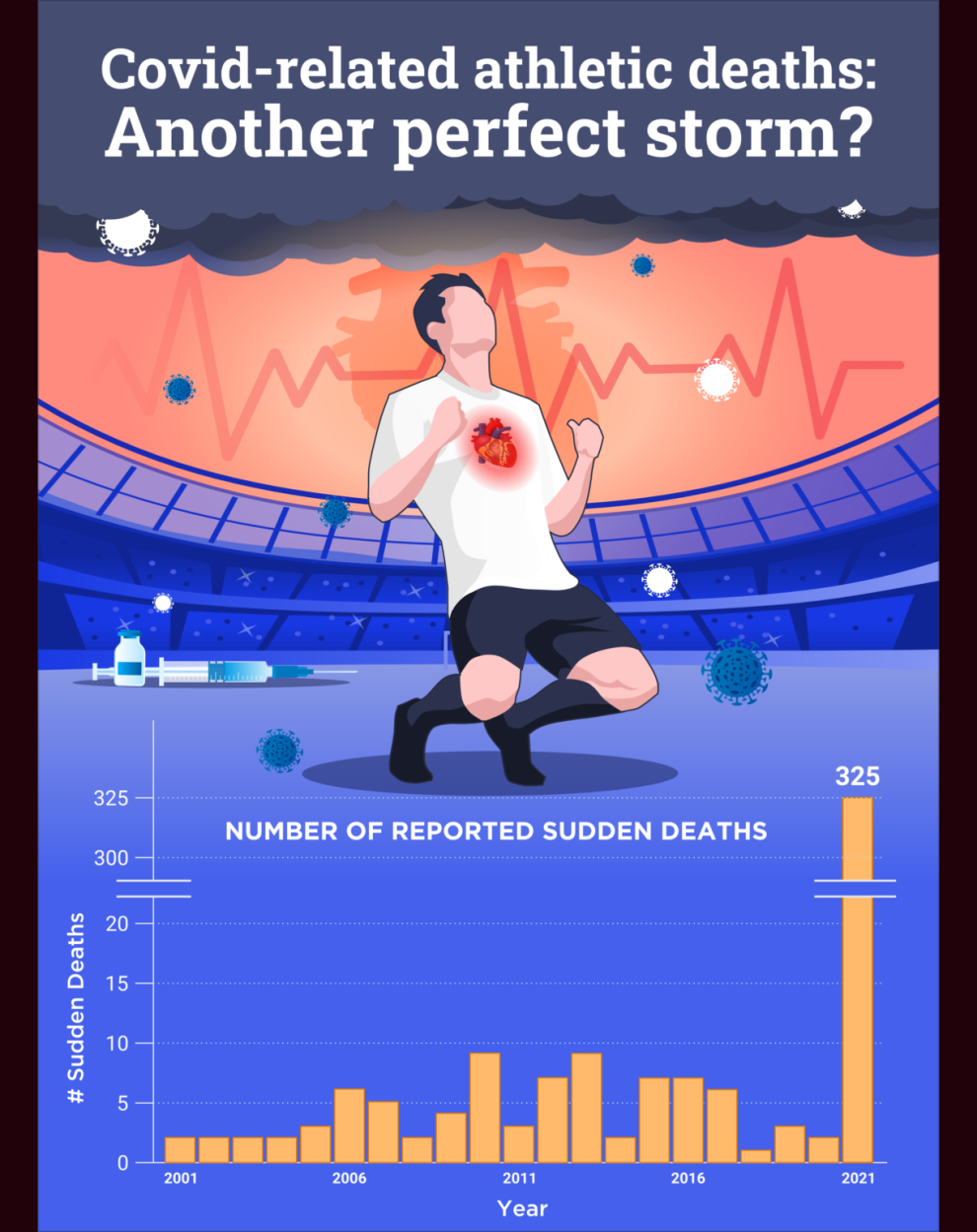
"325 autopsy cases"
"We found that 73.9% of deaths were directly due to or significantly contributed to by… pic.twitter.com/HCXfeXh0Gk
“Incredible perseverence by first author Nicolas Hulscher who didn’t give up after LANCET pulled our paper within 24 hours after 100,000 downloads for no legitimate reason. Big pharma put the squeeze on The Lancet but has failed to stop us.”
“Our paper was delayed by one year, and those actions of CENSORSHIP and CANCELLATION led to many deaths that could have been prevented. This paper could be a game changer,” Makis added.
We searched PubMed and ScienceDirect for all published autopsy and necropsy reports relating to COVID-19 vaccination up until May 18th, 2023. All autopsy and necropsy studies that included COVID-19 vaccination as an antecedent exposure were included.
Because the state of knowledge has advanced since the time of the original publications, three physicians independently reviewed each case and adjudicated whether or not COVID-19 vaccination was the direct cause or contributed significantly to death.
Results
We initially identified 678 studies and, after screening for our inclusion criteria, included 44 papers that contained 325 autopsy cases and one necropsy case. The mean age of death was 70.4 years.
The most implicated organ system among cases was the cardiovascular (49%), followed by hematological (17%), respiratory (11%), and multiple organ systems (7%). Three or more organ systems were affected in 21 cases.
The mean time from vaccination to death was 14.3 days. Most deaths occurred within a week from last vaccine administration.
A total of 240 deaths (73.9%) were independently adjudicated as directly due to or significantly contributed to by COVID-19 vaccination, of which the primary causes of death include sudden cardiac death (35%), pulmonary embolism (12.5%), myocardial infarction (12%), VITT (7.9%), myocarditis (7.1%), multisystem inflammatory syndrome (4.6%), and cerebral hemorrhage (3.8%).
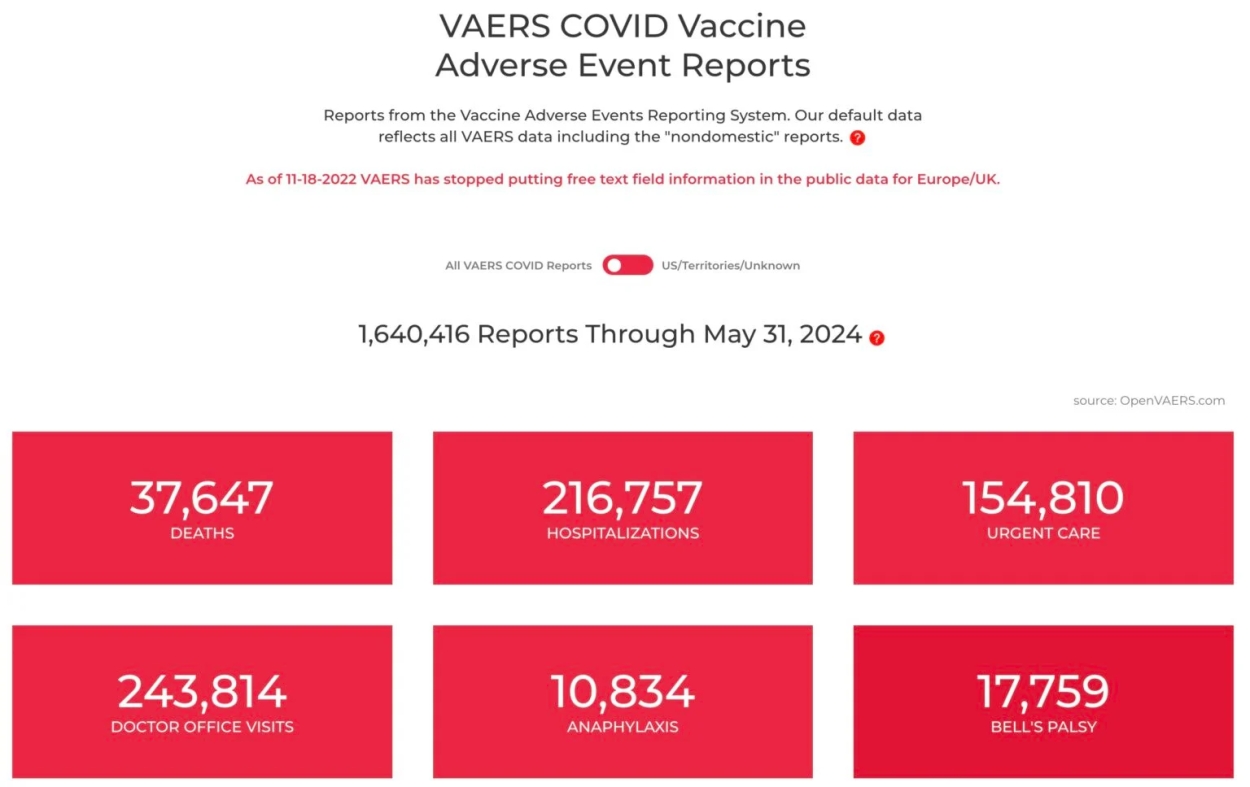
According to the VAERS COVID Adverse Event Reports that track all of the COVID-reported vaccine deaths and complications, 37,647 people have died from the COVID-19 vaccine – as of May 31, 2024.
These are the vaccine-related deaths that were reported.
It’s now official. The Covid shots infest the entire body. But they really like the liver and ovaries Posted by Lou on June 24, 2024
Australians…pay attention
This is one of the most disturbing videos I have ever seen.
It confirms that the TGA knew back in Jan 2021 that the lipid nanoparticles (and the mRNA) didn’t stay in the inject site, but spread throughout the entire body including the brain, the… pic.twitter.com/KLY6c1xkop
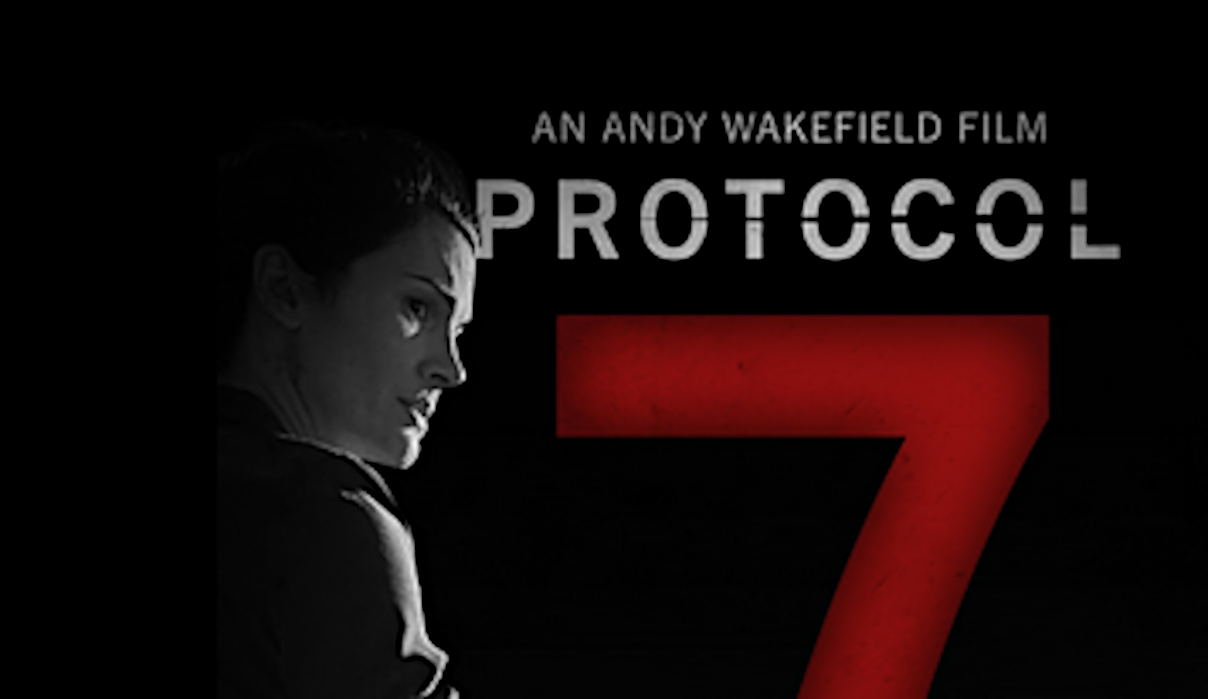
127,330 views… Based on real-life events, comes the corporate thriller, Protocol 7. Alexis Koprowski, a devoted mother and small-town family lawyer, Adrian Jay, a renegade doctor exiled from the medical profession, and Steve Schilling, a virologist at a prominent vaccine laboratory turned corporate whistleblower, work together to hold a large pharmaceutical corporation accountable for allegedly fraudulent test results behind a failing mumps vaccine. Protocol 7 takes us behind the corporate curtain, exposing a chain of command that devolves responsibility, prioritizes profits over people, and fosters an amoral mindset of “just following orders.”
Protocol 7 is a riveting film to watch in the genre of corporate spy thriller and whistleblower stories. It spotlights a real life case of corruption where Merck & Co. management pushed scientists to manipulate data as it was developing the MMR (Mumps, Measles and Rubella) vaccine.
The acting in the film was excellent. Rachel Whittle really stands out in the lead role of a lawyer who takes on Big Pharma at the same time that she has to deal with the fall out of the MMR vaccine among her adopted son who develops autism. I would urge people to go out and see the film and then look into the legal case against Merck.
They can also read the memoir written by Andy Wakefield, the film’s director, who was persecuted by the medical establishment because he participated in medical studies whose conclusions the vaccine manufacturers did not like.
Protocol 7 is a groundbreaking movie based on a true story that bravely tackles one of the most contentious issues of our time: the MMR vaccine. From the opening scene, the film grips the audience with its compelling narrative, expertly weaving together personal stories, expert testimonies, and meticulously researched data to present a comprehensive examination of the MMR vaccine’s history and impact.
The filmmakers have done an exceptional job of maintaining a balanced perspective, allowing viewers to hear from both proponents and critics of the vaccine. This approach not only adds credibility to the movie but also ensures that it resonates with a broad audience. The interviews with medical professionals, researchers, and affected families are particularly powerful, offering a human face to the statistics and scientific findings. One of the standout elements of “Protocol 7” is its unwavering commitment to uncovering the truth. The investigative rigor and dedication to journalistic integrity shine through, resulting in a movie that is as enlightening as it is thought-provoking. It challenges viewers to think critically about the information presented and encourages an open dialogue about public health and personal choice. “Protocol 7” is more than just a movie; it’s a call to action. It empowers viewers with knowledge and inspires them to seek the truth about the MMR vaccine. Whether you are well-versed in the topic or new to the debate, this film is a must-watch. It stands as a testament to the power of documentary filmmaking to inform, influence, and ignite change.
Gripping narrative demonstrating how excessive childhood vaccination turned a normal adopted baby boy from Africa into an autistic child and the draining family dynamics as the mother goes up against powerful Merck executives as they committed scientific fraud in representing their failed mumps vaccine. Multiple studies demonstrate the best way to avoid the catastrophic consequences of autism in a healthy baby is to “go natural” and defer on all routine childhood vaccines.
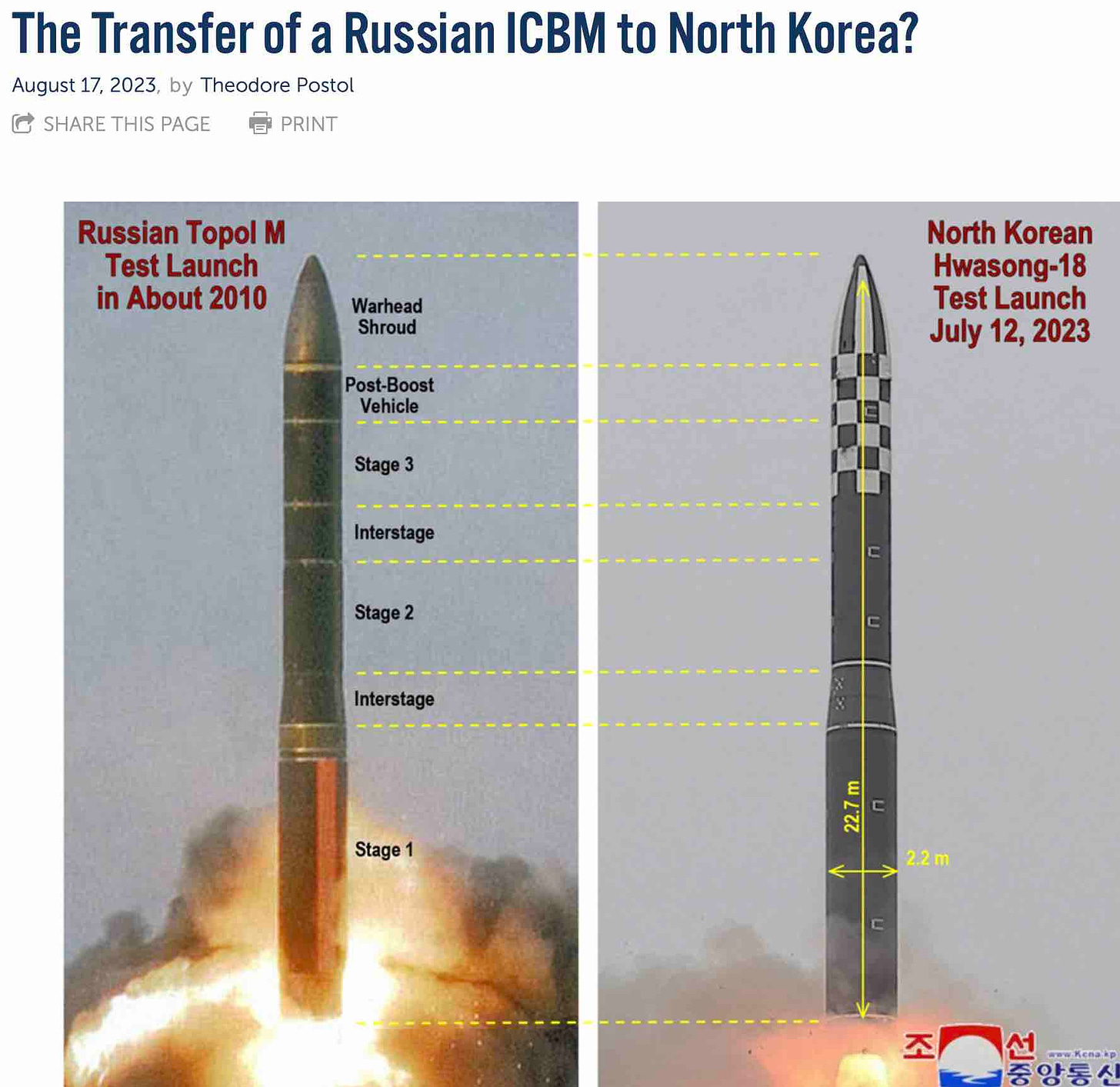
If Israel keeps expanding its war in the Middle East, it will eventually bring in the U.S., Russia, China, and Iran. That would make it a world war, with its frightening prospect of nuclear war. From Kevin Barrett at unz.com: Video Link Will nuclear World War III happen this summer? The answer, we all hope, pray, and expect, is […]
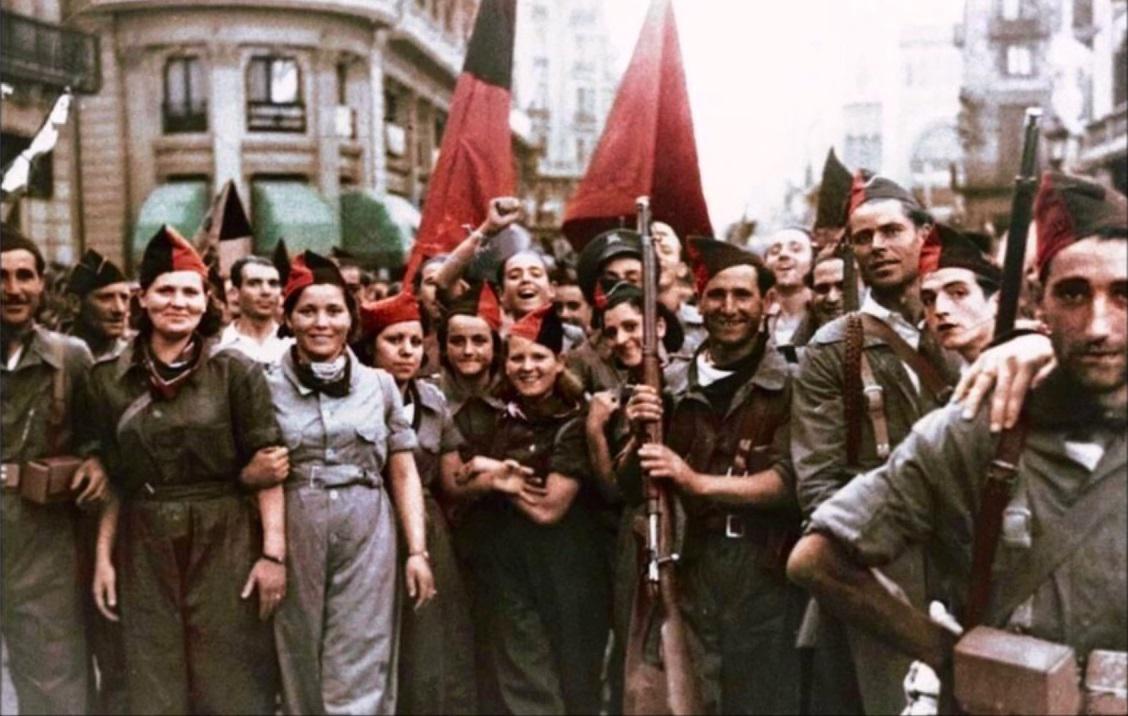
In the collective and historical imagination, the Popular Front echoes two events that occurred in the summer of 1936, in France by one hand and in Spain by the other.
In France, in June 1936, a wave of spontaneous strikes ignited France following the victory of the coalition of different political parties ranging from far left (Communist Party, PCF), social democrats (Socialist Party, SFIO) and center left (Radical Party).
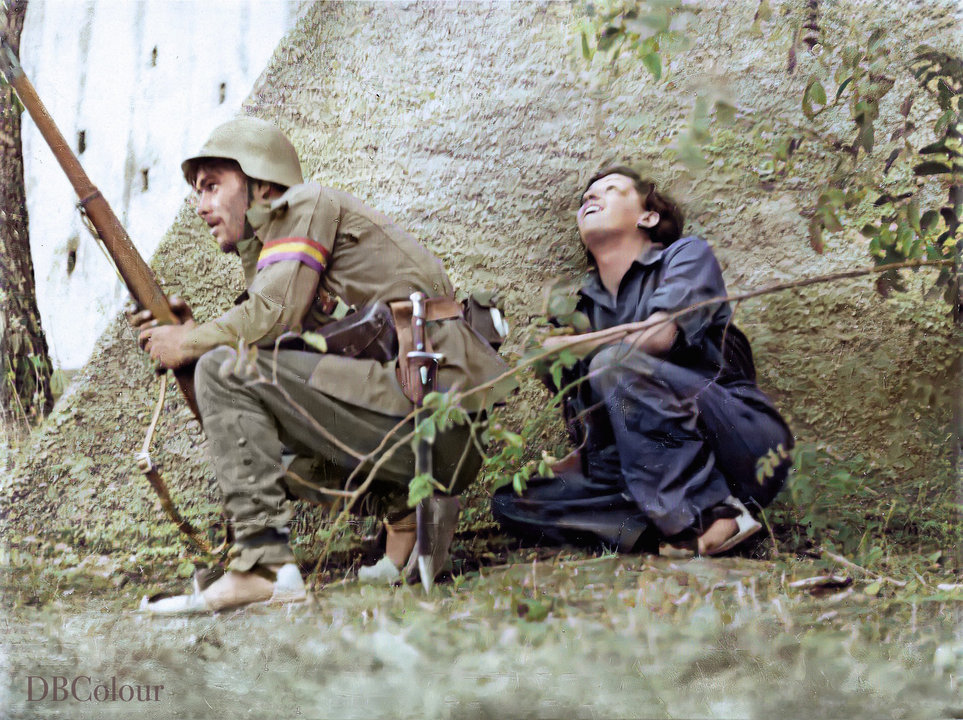
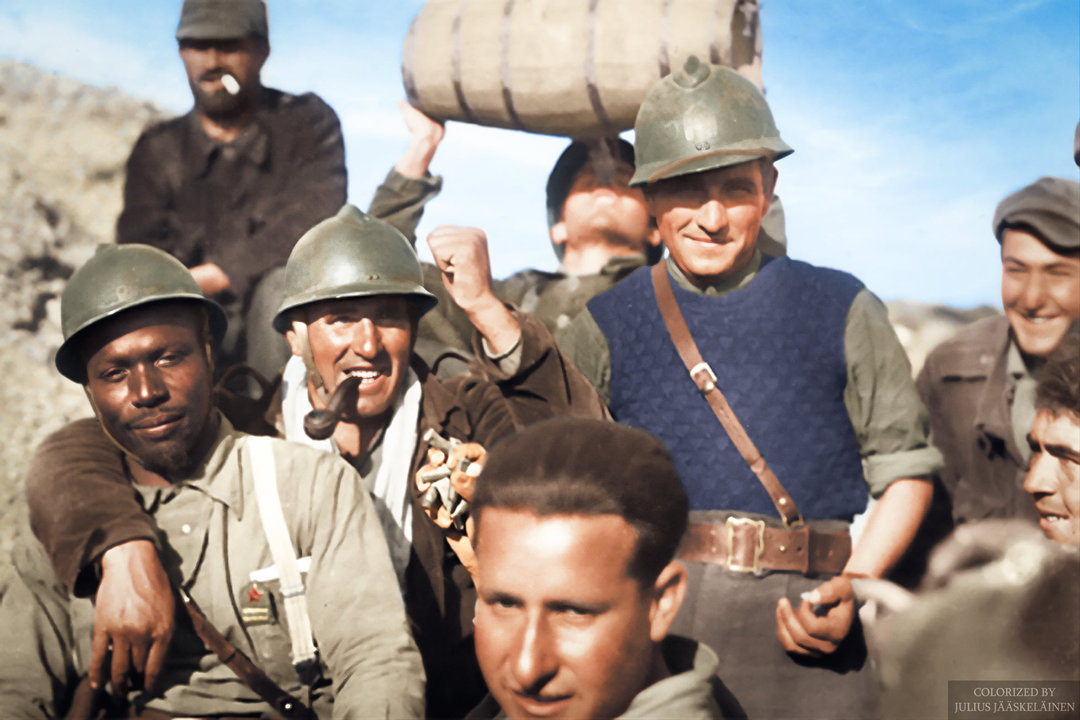
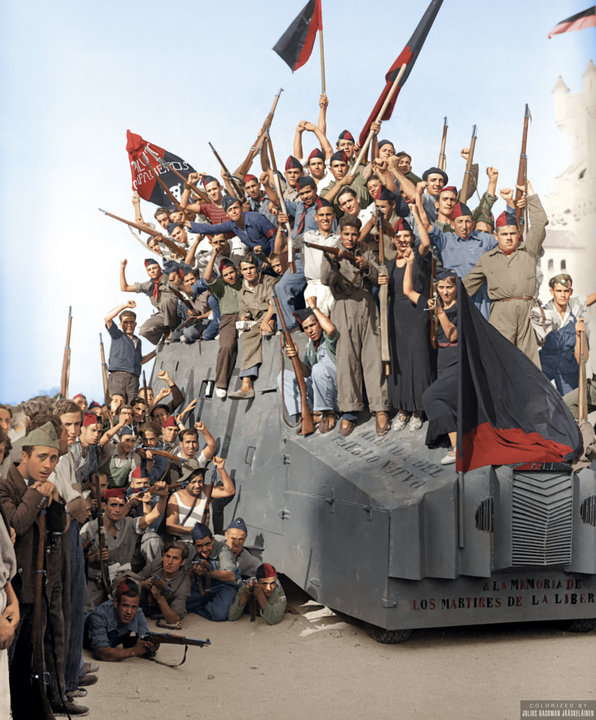
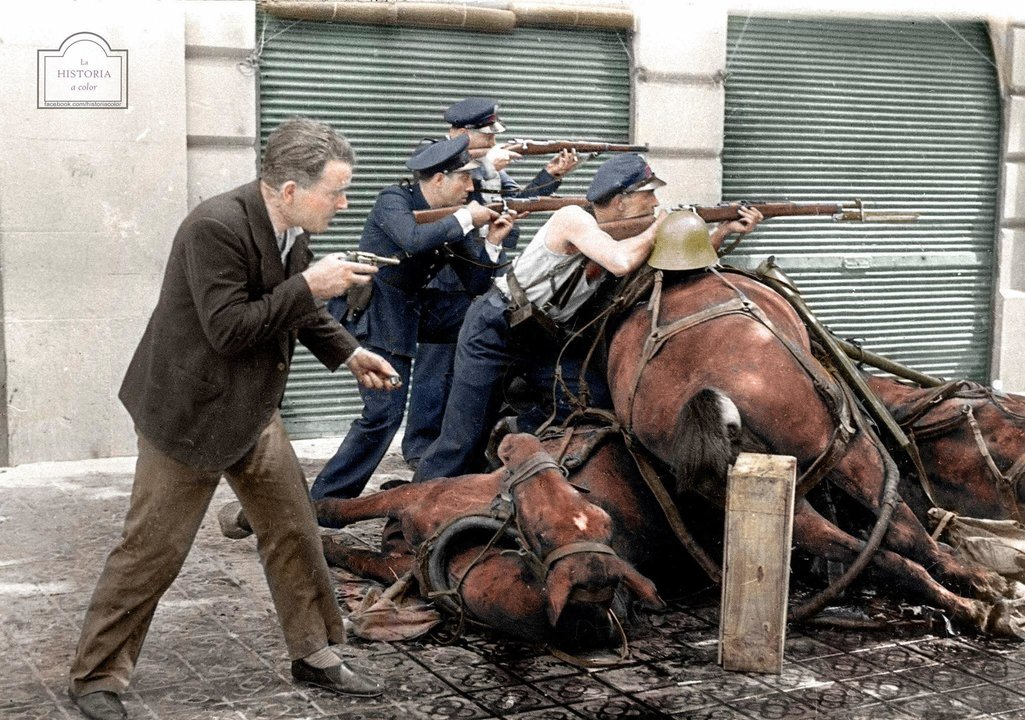
And in Spain, on July 19, 1936, a popular insurrection, initiated by the popular class and the anarchists of the CNT-AIT, defeated the fascist coup of General Franco in reaction to the election of a coalition of far-left, left-wing and Republican political parties.
In France, these millions of strikers, by occupying their factories, without waiting for the instructions of the political parties and even often AGAINST the instructions of moderation of these political parties, have created such a balance of power against the Employers and the Bourgeoisie that the latter had rushed to make concessions like never before in the social history of this country, for fear that the strikers become radicalized and the revolt transforms into revolution.
And it was the left-wing parties of the Popular Front which broke the dynamic of the strikers, asking them to stop their movement (the communist leader Maurice Thorez proclaiming his famous phrase “you have to know how to end a strike”.)
This first betrayal of the left was the beginning of a long series which ended tragically: the French Popular Front abandoned the Spanish Popular Front which ended up being crushed by the Francoists, which by its side had the support of Nazi Germany and fascist Italy.
In 1938, the radical socialist Daladier signed the laws on “undesirable foreigners”, a foreshadowing of the current French Minister of Police Darmanin’s laws against migrants. And in 1940, the deputies of the Popular Front Chamber voted (1) 569 for and 80 against giving full powers to Marshal Pétain.
The Spanish Popular Front also experienced a disastrous destiny: while the Libertarian Revolution initiated by the anarchists on July 19, 1936 tried, in extremely difficult conditions, to invent another future, freed from the State and Capitalism, the Republican Government kept putting obstacles in their way.
He was unfortunately helped by certain anarchists who believed in the sincerity of the Republicans to block fascism. Unfortunately, many Republicans, starting with the Communists, still preferred fascism rather than Anarchism and in May 1937, the Spanish Popular Front stabbed in the back the anarchist revolutionaries of the CNT-AIT and the heterodox communists of the POUM.
This was the end of the revolution and shortly after the defeat of the Popular Front against the fascists.
Let History serve as a lesson to us: when workers are united, when they act directly on their own, without obeying the instructions of political parties who will always end up betraying, then workers and more generally the popular class can do things magnificent and grandiose, it can even conquer the sky.
If workers abandon their autonomy and their capacity for initiative to representatives, whether political or trade unionists, they will sooner or later be promised to serve as cannon fodder, for the State, for Capital, or for a political faction against another.
Poverty, climate change, racism and the rise of identity or religious ideas, inequalities of all kinds… Yes, it’s true, we need a radical change in society, a break with the dominant order.
To those who dream of a Popular Front through the ballot box, we warn them against the disappointments to come: how these left-wing politicians, of whom Mélenchon is the caricature, who have been all failures since 1981 (2), can represent any hope of a break with a System which – literally – feeds them, whether in the form of their remuneration as elected officials or in the form of state subsidies to their political party or their union?
Our only hope can only come from our self-organization, autonomously and horizontally, without a leader, without a spokesperson, without anyone who speaks in our name.
So yes, as at the time of the Popular Front, rather than passively waiting for some savior to come out of the polls (especially since the result risks being that of the far-right), now and without waiting anymore:
LET’S OCCUPY OUR FACTORIES, LET’S OCCUPY OUR BUSINESSES, LET’S OCCUPY OUR HOSPITALS, LET’S OCCUPY OUR UNIVERSITIES AND OUR HIGH SCHOOLS!
Activists step up actions against arms company in a third week of targeted disruption
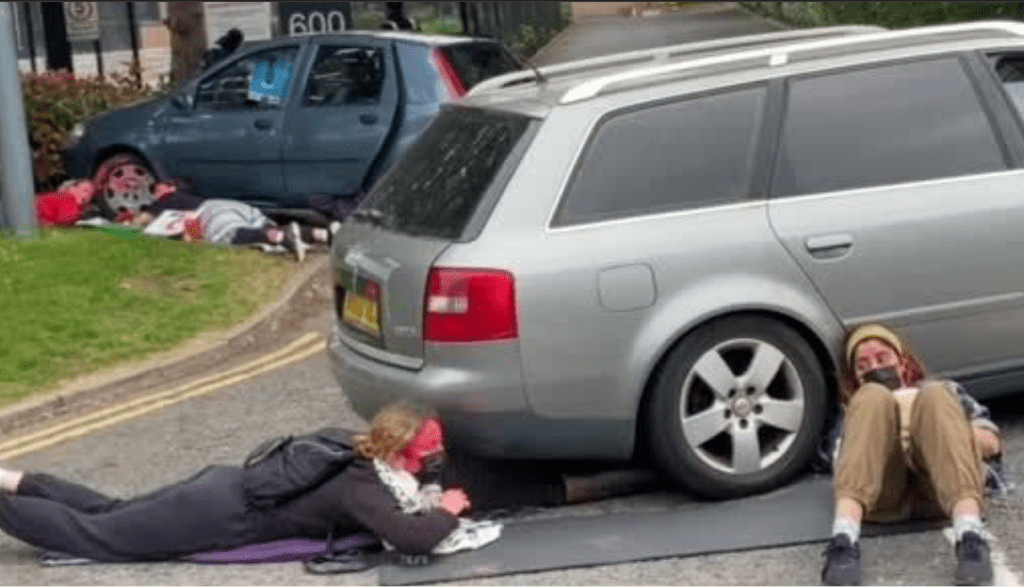
Palestine Action says seven of its activists attached themselves this morning to vehicles and blocked the entrance to Elbit Systems’ UK headquarters.
Two other groups targeted the offices of JP Morgan Chase and a Barclays Bank branch in Altrincham overnight.
“Elbit Systems uses Gaza as a laboratory to develop their weaponry, a business model which has no place in any society”, said the group.
“By arming Israel and allowing Elbit to operate in this country, our political establishment have failed to abide by their legal and moral obligations to end complicity in the Gaza genocide”.
Last week, activists invaded the Kent premises of Instro Precision, where thay began “dismantling technology, machinery and parts” involved in the “manufacture of scopes, sights, and targeting equipment for Israel’s exterminationist military”.
The banks, who continue to invest in the Israeli arms company, had their windows smashed and red paint thrown over their fronts.
JP Morgan Chase reduced their stake in Elbit by 70% a month ago, but their remaining investment is currently valued at around$16million.
Entrance to JP Morgan Chase offices in Manchester, 26 June 2024
Earlier this month, 20 branches of Barclays Bank in England and Scotland were targeted by Palestine Action and Shut It Down, a direct action group targeting companies who finance climate chaos.
“Julian is free!!!!” his wife Stella wrote on X. “Words cannot express our immense gratitude to YOU – yes, YOU, who have all mobilised for years and years to make this come true. THANK YOU. tHANK YOU, THANK YOU.”
Assange to plead guilty to one charge of espionage and return home to Australia after decades fighting US extradition.
WikiLeaks founder Julian Assange has been freed from prison in the United Kingdom and is travelling home to Australia after he pleads guilty to a single charge of breaching the espionage law in the United States.
Assange, 52, will plead guilty to one count of conspiring to obtain and disclose classified US national defence documents, according to a filing in the US District Court for the Northern Mariana Islands.
He was freed from the UK’s high-security Belmarsh prison on Monday and taken to the airport where he flew out of the country. Assange will appear at a court in Saipan, a US Pacific territory at 9am on Wednesday (23:00 GMT on Tuesday) where he will be sentenced to 62 months of time already served.
“Julian Assange is free,” Wikileaks said in a statement posted on X.
“He left Belmarsh maximum security prison on the morning of 24 June, after having spent 1901 days there. He was granted bail by the High Court in London and was released at Stanstead airport during the afternoon, where he boarded a plane and departed the UK.”