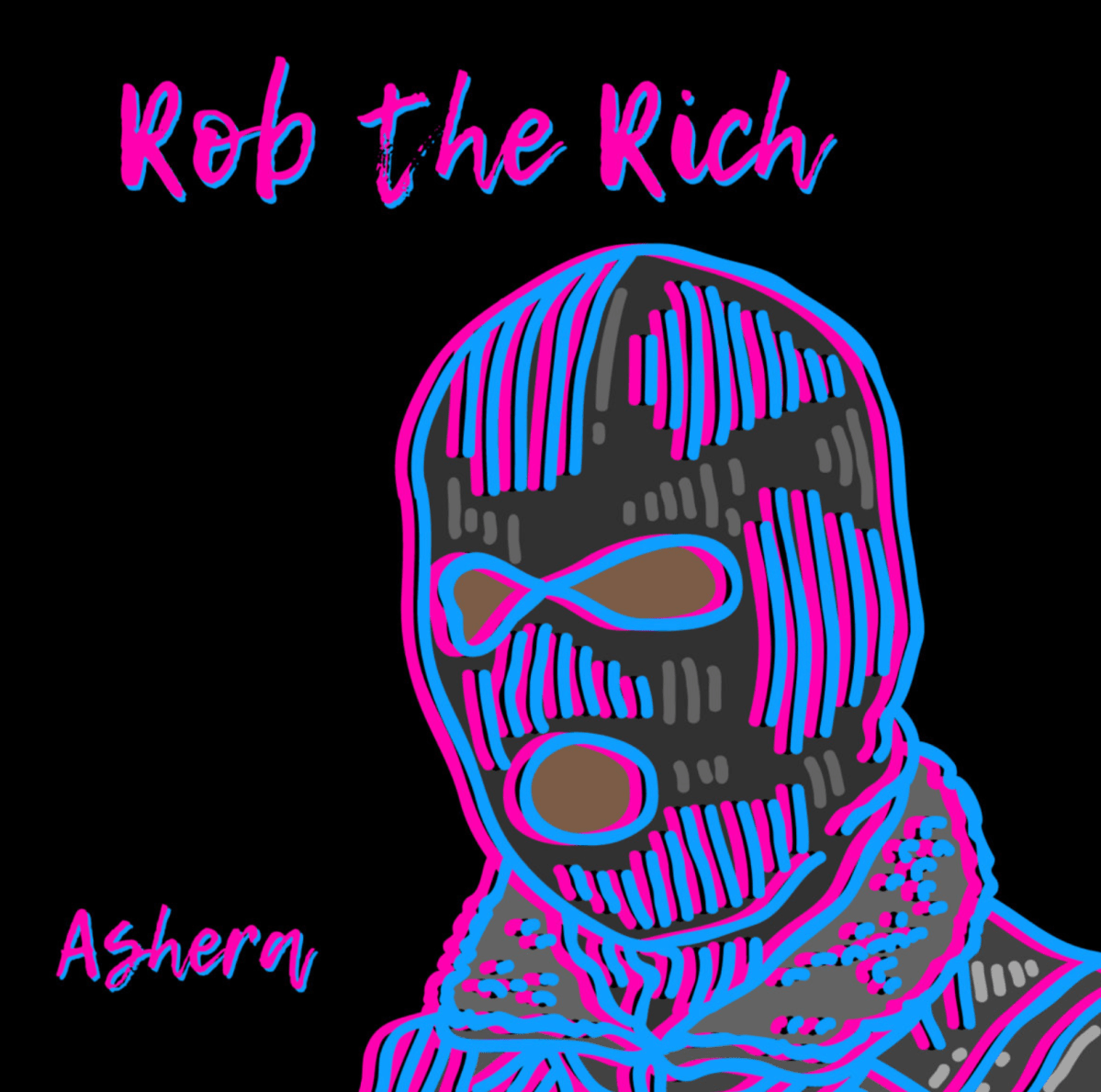
In just a matter of months really, Ashera has become one of the defining bands of a new wave of explicitly antifascist neofolk. It is hard to call this a genre since what binds it together is largely not based in the actual sound of music, it is more in a type of negative space. If neofolk has so often been ceded to the far-right, assumed to be a romantic nationalist artform created by and for racists, the very existence of an antifascist neofolk that rejects that world had the effect of being a novelty. Ashera was one of the bands that helped move the concept from a curiosity to a new operative principle. We are now entering an era where hundreds of bands are taking on this mantle, bringing in a massively diverse wave of neofolk, black metal, and intersecting types of music all brought into…
YouTube’s official statement on its decision to do this is very revealing, not so much for what it says as for what it does not say.
At no point does the video publishing platform attempt to argue that it is removing these videos because they jeopardize anyone’s health or safety, as it did when it began deleting videos deemed to be spreading misinformation about Covid-19.
At no point does it attempt to argue that these videos are inciting violence, as it did when it began deleting QAnon videos.
At no point does it claim that these videos are misleading voters, as it initially began collaborating with the US government to prevent, since all the voting is over and…
This December London ABC wants to launch a special prisoner letter-writing: virtual, but with the same aim. Send some warmth and complicity, towards a world without cages or barriers.
“To write a letter just send an email with the content to london_abc(at)riseup.net with the number of the solidarity card of your choice (between 1,2,3 above). Include the name of the prisoner you would like send the letter to (choose fromprisoner list, or the name and the address of someone you know is inside, if not in the list) and the address you want to the reply sent back to, or you can use this address: Freedom Bookshop, Angel Alley, 84b Whitechapel High Street, London, E1 7QX. And we’re done, you-re done, ABC will provide next day delivery.
When you write us the email with the content*(that will remain strictly confidential between few people from ABC London group), don’t forget your name or pseudonym, so we can recognise you in case the person inside writes back to the Freedom Bookshop address.
*content. If it’s a problem for you to share your thoughts, no worries, we understand. But we still encourage you to write: pick a name from the list and do so in your own pace and means.
If it’s the first time for you writing a letter to an inmate have a look here.”
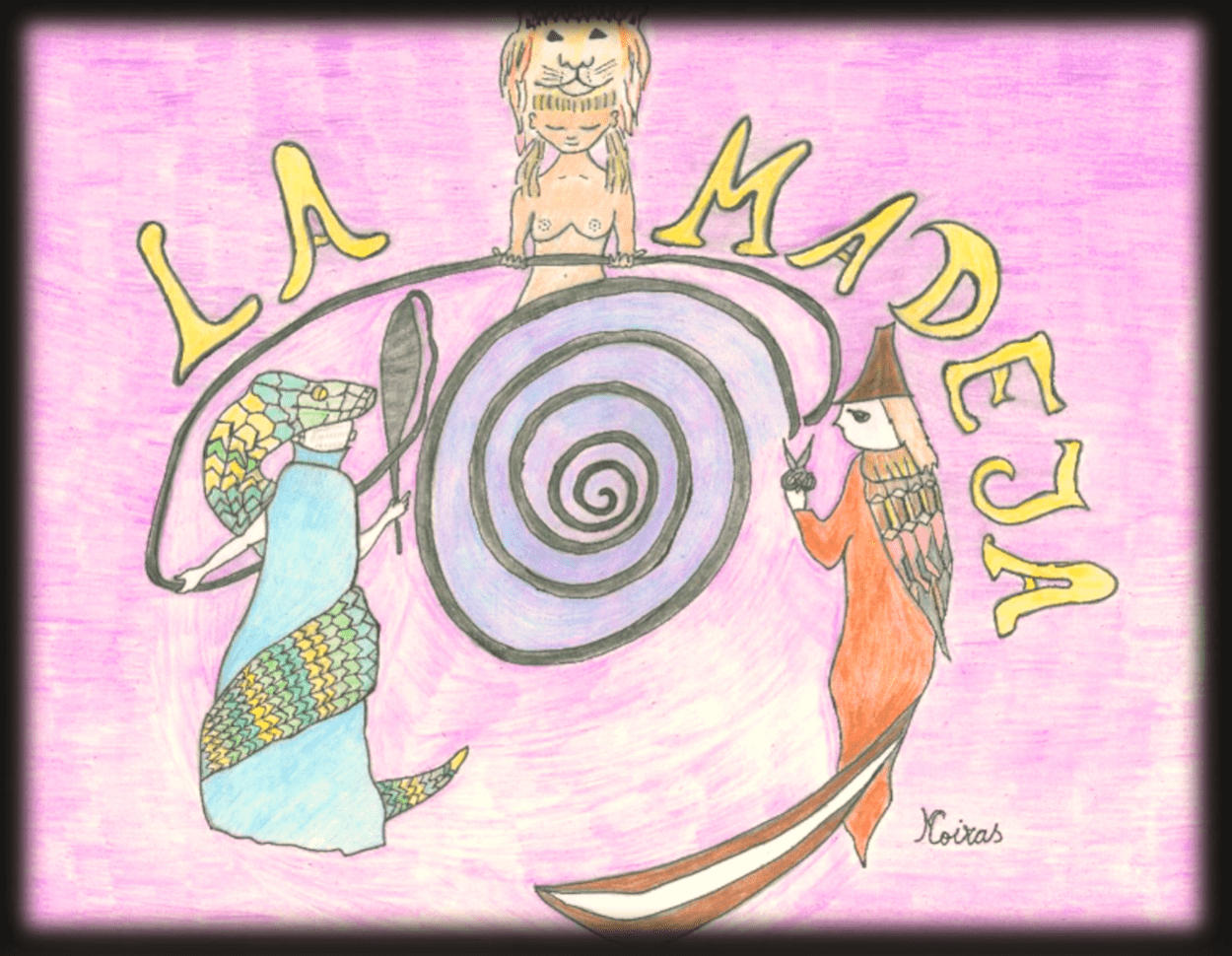
First installment of La Madeja, Anarcofeminist fanzine by Aliss 12 December 2020, created by the anarcho-feminist affinity group Moiras, is published. The objective of this publication is to serve as a tool for reflection in the field of anarcho-feminist thought with a view to its organizational impulse. To Analyze the diversity of ideas present, to generate agreements, synthesis, cohesion, join forces, following the guide of some principles from which the Moiras group has been formed.
This affinity group remains as the permanent writing team in charge of adapting the content to the specific line outlined in this first installment. Text contributions will be accepted from a number yet to be determined, and artistic and literary contributions, preferably by women. The maximum diffusion to the publication is appreciated.
A libertarian greeting from Moiras
ENGLISH TRANSLATION OF.. First installment of La Madeja, Anarcofeminist fanzine
OUR PRINCIPLES
Feminism has led to one of the most profound revolutions in human societies, challenging tradition, law and culture that submit one sex to the other.
Although historically anarchists did not recognize themselves as feminists, the very essence of the movement for the emancipation of women tends, in its evolution, towards anarchist positions, due to its radical challenge to domination. The evolution of feminism in successive waves has surpassed the initial requests for legal equality of those bourgeois suffragettes lucidly criticized by Emma Goldman. We do not want, said the feminists of the 70s, to vote and be like men, we want the revolution of everyday life, because the personal is political.
Despite state and global efforts to capture the women’s movement and remove the sting, feminism is reborn time and again (as is anarchism) because its requests come from the hearts of women, generation after generation, with the natural longing for Liberty. The same as anarchism, demonized by the bourgeoisie, capital and the State, which try in vain to erase its history and its traces, but which is rediscovered again and again by each new generation.
The Moiras Collective is made up of Iberian anarchists, heirs of those Free Women, whom we claim as ancestors, as our ancestors.
Our principles, which are what define the line of our publication, La Madeja, are clear and simple.
We are anarchists. We believe, like Bakunin, that the exercise of power corrupts and submission to power degrades.
We are against hierarchies, we defend free federation, mutual support and pacts between equals. We reject the exploitation of any human being, and we oppose the State, borders and any form of government that is imposed using the monopoly of violence.
BY IRINA IVANOVA https://www.cbsnews.com/news/carbon-footprint-wealthy-people-97-percent-cut-un/ This year’s economic shutdowns have done little to reduce the world’s carbon emissions. While pollution has dipped, greenhouse gases keep accumulating in the atmosphere, locking in future decades of climate disruption and extreme weather. A recent United Nations report says the so-called emissions gap — the “difference between where we are likely to […]
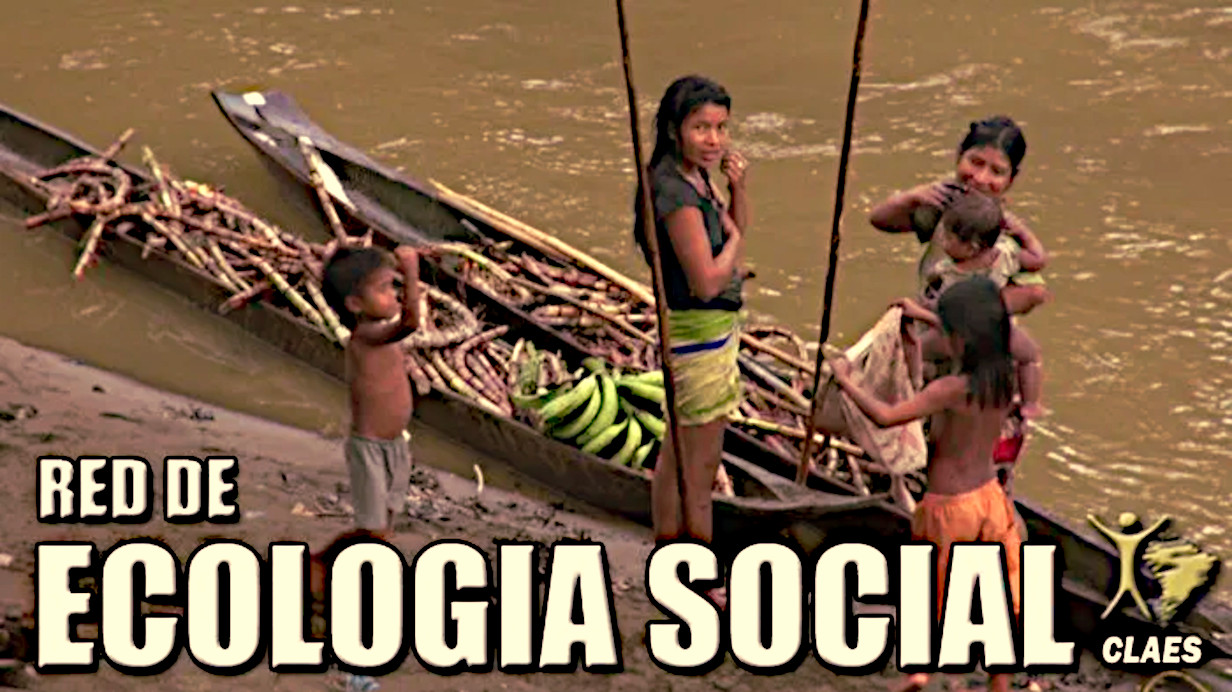
Is there something of the wild left in the 21st century? In the jungles and mountains there are hardly any places that are truly wild or free of any trace of contemporary capitalism. Wild beasts barely survive in a few places, and are best known for television documentaries or behind bars in zoos.
The roar of the cougar can be reproduced from an application on the cell phone. The indigenous should no longer be savage, and if she/he were, it is still not a compliment to many. The wild is tied to the past of engravings and black and white photos, to a history that is left behind. The equation is less savagery and more modernity, less jungle and more plastic.
What does it mean to be wild today? In today’s vocabulary that word has other uses. Some use it to denounce those who wage war or mercenaries in drug gangs as savages. It’s what we hate. But in the opposite sense, wild can also be the slogan in the advertising of a deodorant or a perfume. It is an animal ancestry that some long for.
But wild is not just any word. Much less is it a term without history.
It has marked the future of the global south from the first day of colonization. An attempt was made to appease the foundational fear by imposing civilization on the wild, on other humans and on Nature.
With the passage of time, many people celebrated that the sense of the wild was replaced by ideas such as progress, development or modernization. But there is nothing to celebrate. When the wild lost its guts, the shell that survived was easier to master and control. Obedience is accepted, imposed, even desired.
Faced with the multiple crises that we now face, it is imperative to break with that compliance that leaves us more and more defenseless and immobilized. It is time for disobedience, and for that, we need to be wild again.
Reinventing Savages
Before entering hell there was the jungle, and she was wild. A dark, rough and thick space that aroused fear, as Dante Alighieri made clear in his Divine Comedy (1).
That fear, confessed almost two centuries before the arrival in the Americas, was the burden that the colonizers carried. The first Europeans to set foot on American beaches applied these ideas, turning almost everything around them wild.
They did not invent anything, but instead performed a transatlantic juggling act that transplanted European myths to the American lands and its inhabitants of the Americas (2). They were unable to do otherwise.
In western Europe of those times, wild was the label that was applied to forests, mountains or any other remote place, to wild animals, but also to men and women who lived in those places, the uneducated that they were naked or in worn clothes, covered with hair from head to toe, unable to speak or that if they did, they were very rude (3). An image of uncultivated spaces, undomesticated animals, chaos and disorder.
But what is not always noticed is that the idea of wildness is intimately dependent on fear. That dread that Dante invoked was due to the fact that these places were dangerous to them and the uneducated who inhabited them did not differ from the beasts of the forest. Fear appears again and again associated with the wild, applied both to the environment and to its inhabitants, undifferentiated from each other, and that was the sensitivity that the colonizers installed in our continent.
Adrian Zenz is a neo-Nazi ethnic German who is in the employ of the US government. His background is in Protestant Christianity and far-right anti-Communist ideology. He is a propagandist for the CIA-administered ‘Memorial for the Victims of Communism’ – a hideous structure housed in a Washington Park which sees an endless sea of American children who are brain-washed to believe that the Nazi German atrocities were committed by the Soviet Red Army. I consider this type of lying to be thoroughly ‘evil’. Adrian Zenz is the sinister figure who lies in the shadows behind all the anti-China articles appearing in the West that are spreading racistlies about the Uyghur people of China. This is the origins of…