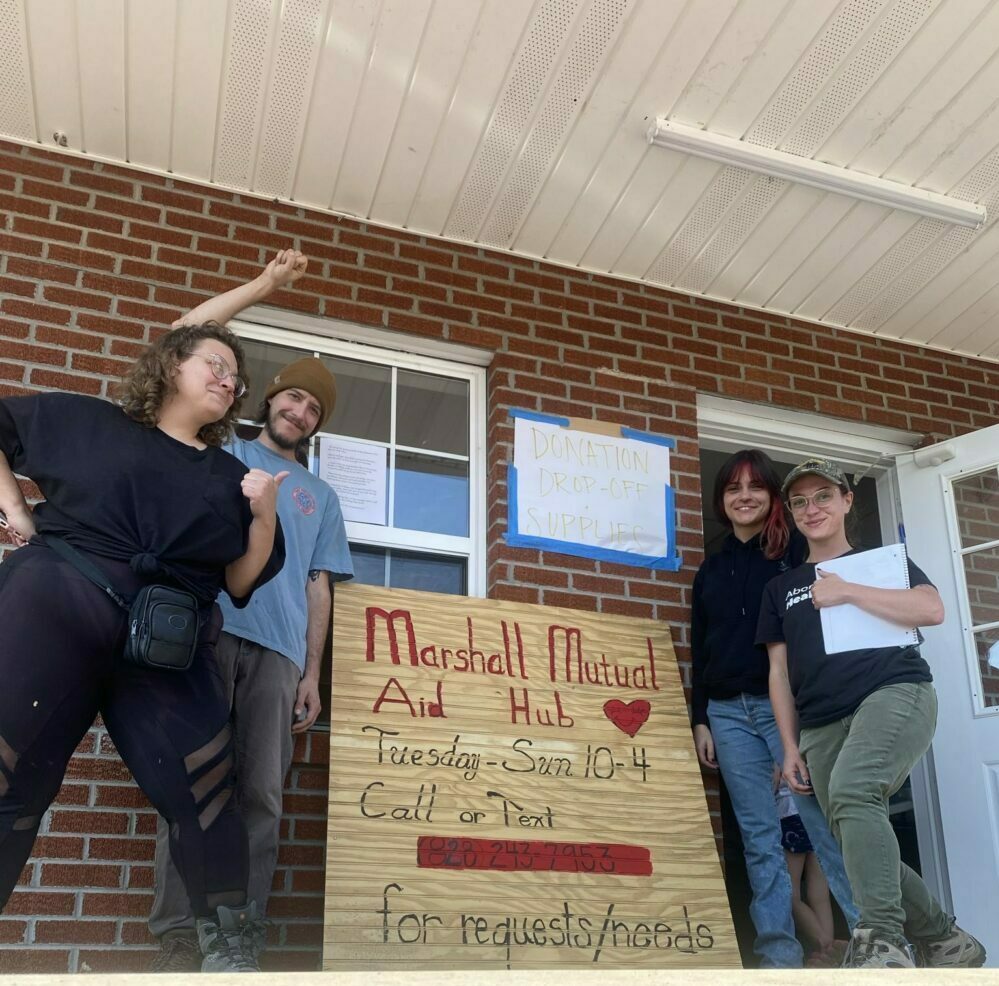
Report from Mutual Aid Disaster Relief on autonomous mutual aid efforts in the wake of Hurricane Helene in Appalachia. This is about a storm some call Helene and others call Capitalism, Greed, Callous Neglect or the slow and then rapid degradation of the one and only Earth we’ve got. But it is also about a…
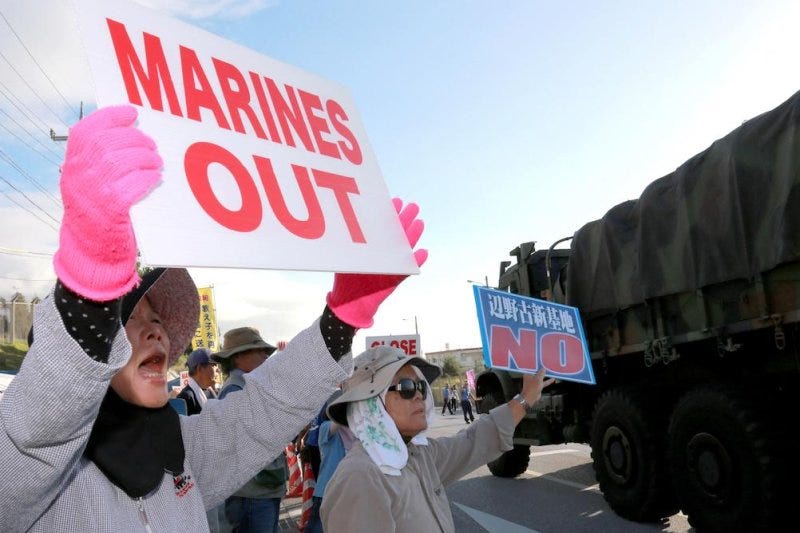
Jeremy Kuzmarov [Source: upi.com] On August 12, 2024, around 2,500 Okinawans including the island’s governor staged a demonstration near Marine Corps Air Station Futenma. The main focus of the protest—organized by the anti-U.S. military political party All Okinawa and two civic groups fighting in the courts to eliminate base aircraft noise—was a rash of sexual assaults allegedly committed […]
Zapatista education promotes a relationship with knowledge based on the needs and questions of students and communities ~ Ana Paula Morel, from Teia Dos Povos ~ In the corn fields of the Lacandon Jungle in Mexico, it used to take three months to harvest; however, with the ecological catastrophe caused by the “capitalist hydra”, the […]
This is not the “real” list but I bet it’s fairly accurate. At this point, any celebrity who endorses Harris and the degenerates is probably on the real list that Trump will release once he takes office again. Squirm little perverts, squirm. People who are now campaigning for Kamala Harris. What was Trudeau doing there?
It has been a little more than 1 year since the Israeli government began their most recent assault on Gaza and the West Bank. The retaliation for the October 7 Hamas attack in Israel, has escalated to what the international community has called genocide, therefore, GRIID will be providing weekly links to information and analysis […]
The Giant Pangolin is are the largest and heaviest of the pangolin species weighing up to 35 kilos. These majestic creature are cloaked in keratin armour and embark on nightly quests through Central and West Africa’s lush landscapes. By the light of the moon, they use their keen sense of smell to hunt down ants and termites. As they navigate a world fraught with dangers from habitat destruction, poaching and illegal hunting, the survival of these enigmatic beings hangs in balance, urging us to reflect on our impact on their dwindling world. Help them to survive every single time you shop and #Boycottpalmoil #Boycottmeat, be #vegan and #Boycott4Wildlife
Born Gloria Jean Watkins in the small town of Hopkinville, Kentucky, in 1952, poet, feminist theorist, and professor bell hooks grew up as one of six kids watching her father work as a janitor and her mother clean houses for white people. Gloria was in the first round of desegregated classes and grieved for the […]