We would like to post more information from its inhabitants on the amazing transformation of Raqqa and the inspiring story of the SDF, as a template for horizontally organized revolution in the authoritarian regimes of the Middle East and beyond.
On the Internet you get 1000’s of posts on Trump, but never anything about the amazing Revolution still ongoing in Nth East Syria, , despite being blockaded and surrounded by hostile neighbours.

Raqqa, for example, has risen from the rubble after being the ISIS Capital, after being carpet bombed by the US led Coalition, and being liberated in a heroic street by street war by the Kurdish led Syrian Democratic Forces (SDF), the multi ethnic and gender federation of militias of the Rojava Revolution.

Raqqa is not a Kurdish city, it’s multi ethnic, mainly Arab. After liberation Raqqa Military and Civil Councils were immediately formed, following the successful model in Manbij, with representation from women and all races and religions. 480,ooo citizens returned to their homes, often in ruins, and intensive rebuilding began , with some help from NGO’s and reluctantly from the Coalition. (The SDF retained some power, devolved in its Arabic sections and the Military Council, in a model they try to replicate in Deir Es Zor).
We would like to post more information from its inhabitants on the amazing transformation of Raqqa and the inspiring story of the SDF, as a template for horizontally organised revolution in the authoritarian regimes of the Middle East and beyond.

Raqqa Criticism and proposals from Syrian Democratic Council consultation,
shared with thanks from Rojava Information Center, Focus, News, Translations
Key stakeholders including opposition politicans and tribal leaders were invited, as well as members of the general public
The Syrian Democratic Council (SDC) has launched a series of consultations across North and East Syria. Rojava Information Center (RIC) researchers recently attended one such public consultation in Raqqa, summarized below, following on from another meeting in Heseke (you can read a summary of the Heseke discussion here.)

The meetings are taking place in all seven of the constituent regions of the Autonomous Administration of North and East Syria (AANES). Along with ordinary civilians then Kurdish and Arabic opposition groups, Arab tribal representatives, minority religious and ethnic groups, women and youth organizations have all been invited to share their perspectives, feedback, criticism and proposals on the political processes underway in the region, and on the internal policies of the AANES.







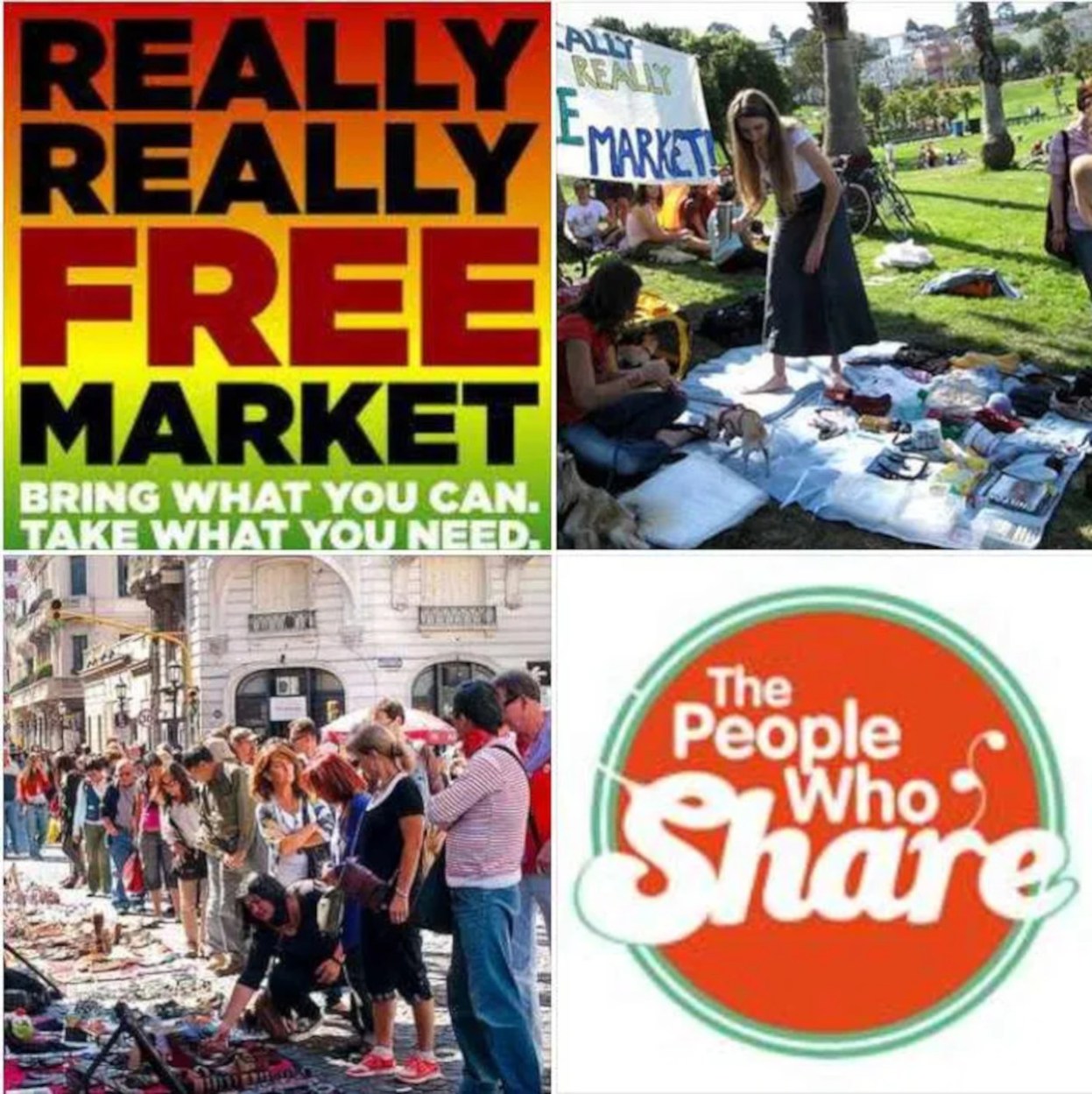


 The Free