From 2019 to today the Italian State has carried out many repressive operations and inflicted a series of restrictive measures on anarchist comrades, limiting their freedom of movement and forcing them to remain within the limits of their city or to move away from the city or region where they reside.
Greenhouse gas emissions from animal farming in the European Union eclipse that of all cars and vans in the region put together, according to a new study.
Greenpeace’s European Unit published its “Farming for Failure” report where it found livestock farming accounted for 17 per cent of total emissions for the bloc and that a reduction in the number of farm animals is needed to avoid the worst impacts of the climate crisis.
The figure was calculated using UN Food and Agriculture Organisation data and other peer-reviewed research.
The analysis also found that yearly emissions from animal farming rose by 6 per cent between 2007 and 2018.
The increase in CO2 would be equivalent to adding 8.4 million cars to European roads.
Put another way, the greenhouse gas contribution from animal farming in the EU is 18 times more than that of the highest polluting coal station in Europe.
The study also found that indirect greenhouse gas emissions from livestock farming is almost half as much as the practice itself.
Direct emissions come out to about 502 million tonnes of CO2 per annum, but when indirect contributions like animal feed production, land use and deforestation are accounted for, the figure jumps to 704 million tonnes.
“Science is clear”
To date, European leaders have danced around the climate impact of animal farming for “far too long” but the science is clear on its impact, according to Marco Contiero of Greenpeace EU.
“Farm animals won’t stop farting and burping – the only way to cut emissions at the levels needed is to cut their numbers,” Mr. Contiero said.
The potential for reducing greenhouse gas emissions from animal farming is therefore huge, Greenpeace argue.
Halving emissions from the sector would save the equivalent of combined emissions for all sectors of the 11 lower emitting EU countries.
If the target was a 75 per cent reduction, it would equate to the combined emissions from all industrial processes in the EU and the UK.
The report comes just a day after the EU’s AgriFish Council met in regards to formulating the new Common Agricultural Policy for the 2021 to 2027 period.
Minister for Agriculture Charlie McConalogue told the Council that new policy must ensure “better environmental and climate outcomes” and stressed that climate is “the key issue” we face.
40 per cent of the new CAP and at least 30 per cent of the Maritime Fisheries Fund will be allocated to climate action, however, the new policy will have a comparatively reduced budget.
Whether opulent or minimalist in style, the houses that Jana Sophia Nolle photographs are displays of wealth. Plush rugs cover hardwood, hardback editions line built-in bookshelves, and tall windows reach from floor to ceiling. Even the stark rooms with few sculptures and seats signify a choice, rather than a necessity, and demonstrate the ability to furnish a room with just significant objects.
Within these residences, though, Nolle reconstructs a contrasting shelter to illuminate a growing disparity. In her series titled Living Rooms, which culminated in a book published by Kerber Verlag, the artist situates the shelters of those experiencing houselessness within the dwellings of affluent folks in San Francisco.
(Houseless refers to lacking a specific kind of structure, while homeless does not.) The single-occupancy structures often are formed with rain-resistant tarps, cardboard boxes, shopping carts, and other small objects.
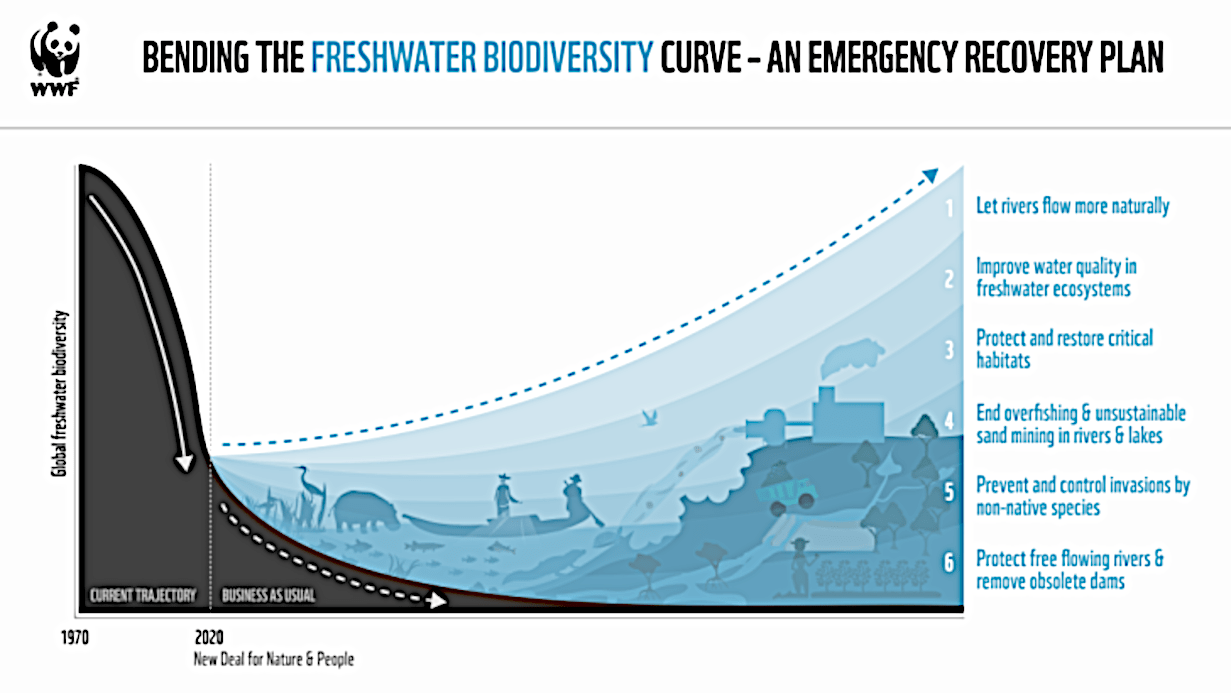
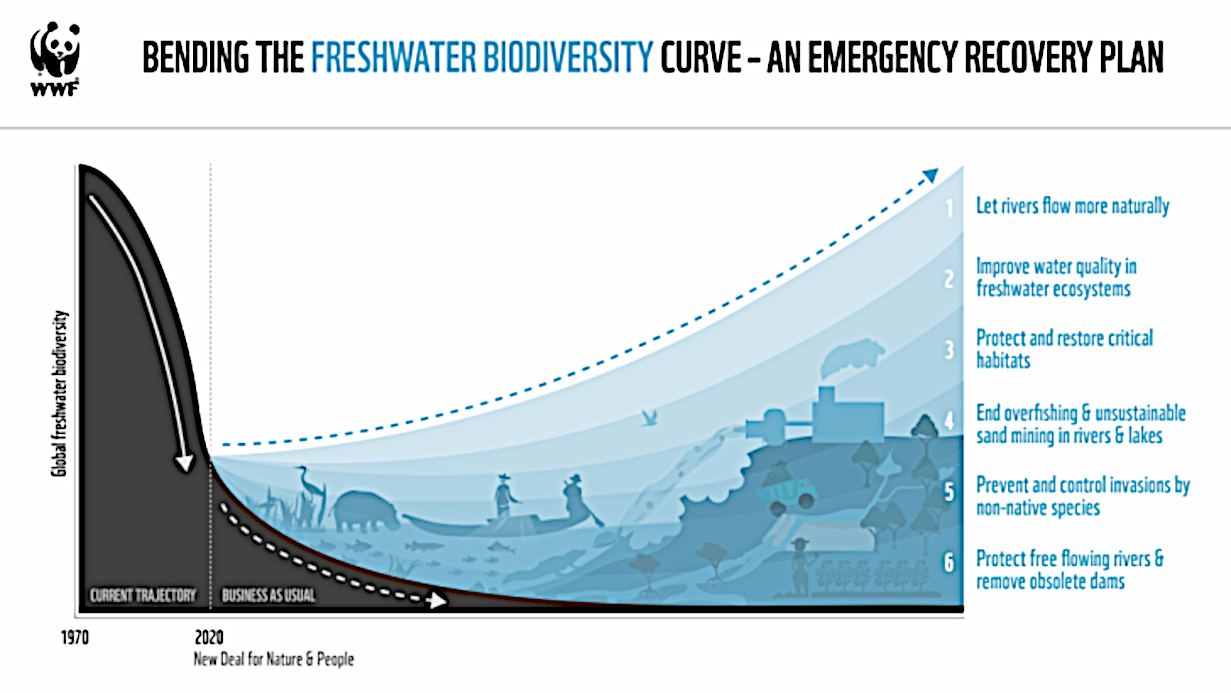
Since 1970 84% of freshwater species have been lost. But over 90% had already vanished in the previous century. The WWF is an establishment fund that doesn’t even touch the root problem of predator capitalism. But at least they have compiled some reports that illustrate what’s happening.
Global populations of mammals, birds, amphibians, reptiles and fish have, on average, declined by two-thirds since 1970, according to the latest WWF Living Planet Report, released earlier this month. Continuing the trends shown in past reports, freshwaters are particularly imperilled: with 84% of global freshwater species populations lost between 1970 and 2016.
The bi-annual Living Planet Report tracks trends in global wildlife abundance, based on data from 21,000 populations of more than 4,000 vertebrate species. Population declines in freshwater ecosystems – which equate to an average annual loss of 4% globally – were higher than those in terrestrial and oceanic environments.
All round the world Eviction Moratoriums are coming to an end with the threat of massive police action to enforce capitalist property privileges. Though a little dated this report shows how they could be resisted.
Hundreds of people marched on September 3rd to block the reopening of Philly’s Landlord-Tenant Court, successfully halting all morning eviction court hearings and prompting the court to issue an emergency lockout moratorium.
Lockouts, the last step in a legal eviction in which tenants are locked out of their homes, were halted for two weeks for all residential tenants.
A series of court closures and eviction moratoriums had stretched out over the course of the Coronavirus, but inaction on the part of both the state and city legislature let these protections lapse on August 31st, with courts set to open September 3rd. A CDC partial eviction moratorium on rent-related evictions was set to take effect, but not until September 4th. What of the tenants in court just one day earlier?
Tenants with the Philadelphia Tenants Union (PTU) set out to keep people housed through the only solution they had left: blockading the gates to keep the landlords and lawyers out.
Living in Fear of Landlord-Tenant Court
Unemployed tenants across the city have been living in fear of Landlord-Tenant Court reopening, when landlords could forcefully remove them from their housing. Amidst a global pandemic, housing serves as a place of sanctuary from the health risks of the outside world.
Meanwhile landlords have been gleefully trying to remove cash-strapped tenants: performing illegal lockouts and utilities shut-offs to try to force tenants out of their homes. Community Legal Services reported they usually saw a handful of illegal lockouts each month, which has become 20 a month under the pandemic.
City Council passed a series of bills that served eviction court more than it did tenants, offering tenant-landlord mediation and payment plans that simply drew out the timeline of eviction rather than avoid it. This kept the courts from being swamped, but only bought tenants more time. A rental assistance program earlier in the summer saw 13,000 residents apply for rental help—only 4,000 received it. PTU and tenants all across the city demanded rent cancellation, extended moratoriums, and rent stabilization—demands which were ignored by state and city officials.
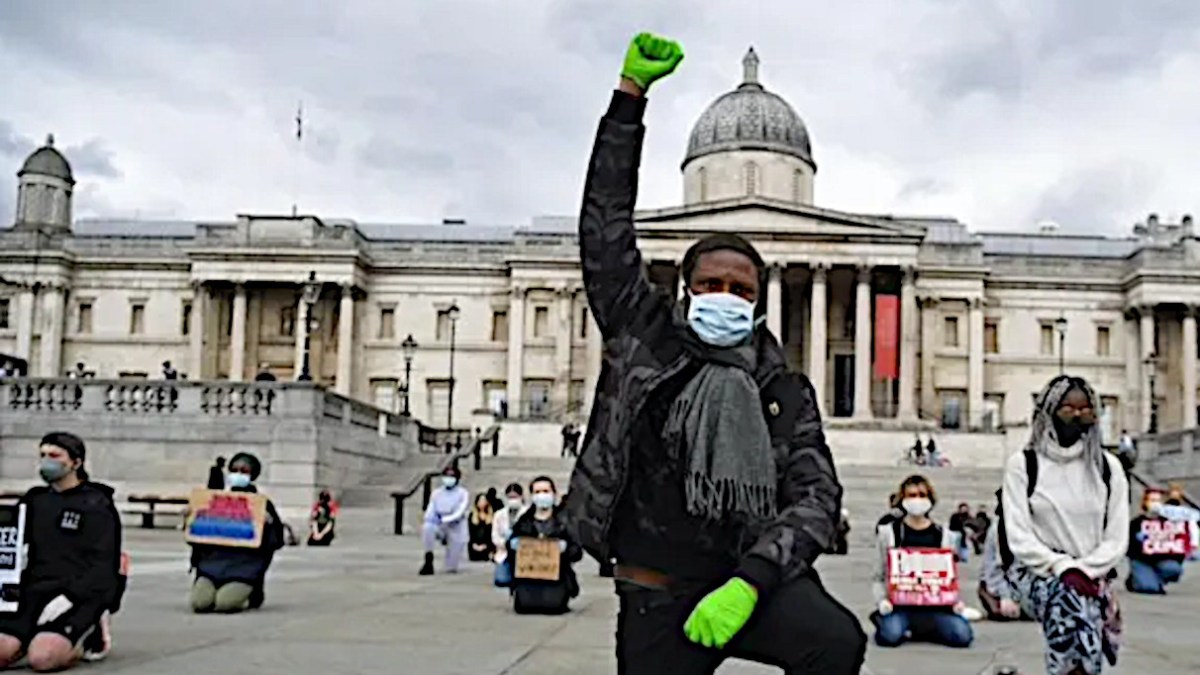
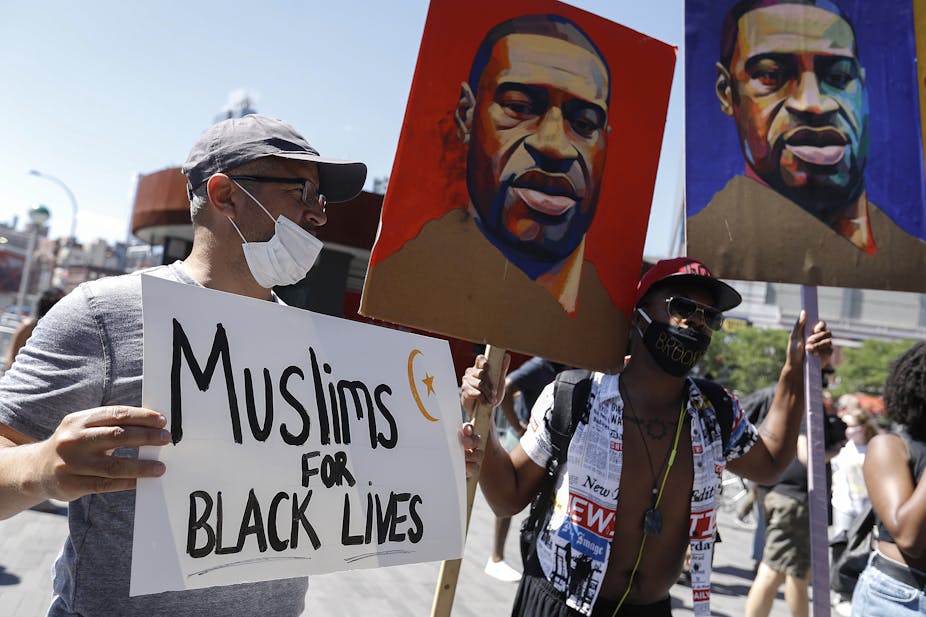
Tenants watched as city officials spoke out in support of Black Lives Matter, while failing to block an eviction wave that would displace primarily Black women and children. As Philly residents confronted the reopening of the court, some tenants took matters into their own hands.
Eviction Defenders Take Action
On September 3rd protesters arrived at the courthouse with banners and signs insisting—NO EVICTIONS, NOW OR EVER. They blocked the front gate to the courts, and shortly after two other side entrances were covered, leaving the Landlord-Tenant court fully surrounded on all sides.
Outside the building where evictions are churned out daily by the dozens, tenants spoke on the injustice of eviction at a time when many could not afford rent. Landlord-Tenant court does not aim to offer tenant protection: under the current presiding Judge Moss, tenants are ruled against 78% of the time.
Morgin Goldberg, an organizer with the PTU, said she felt compelled to take action when the city failed to address the root cause of the eviction problem: people simply couldn’t pay rent.
Goldberg described the morning as “solid and powerful—we had people speaking about evictions, connecting it to the encampment, songs and chants.” And, crucially — “people who were willing to take the risk of putting their bodies on the line to get in the way of the eviction machine.”
Frustrated lawyers and landlords stormed back and forth between the entrances trying to find a route in. Some tried to forcibly shove their way through blockade lines, with protestors yelling back “sorry, court is closed today!”
For protestors, this moment was crucial—confronting people with the role they play in the larger eviction machine. “It’s not about whose hands are tied where, who has to go to work, or anything else,” Goldberg explains. “The courts cannot be open, full stop.”
Goldberg speaks to the assembled group.
No Business As Usual
Eviction court churned to a halt. Initial concern that tenants would have default judgements against them for not appearing in court prompted some defenders to allow tenants in on a case-by-case basis. Print-out sheets starring the faces of notorious landlord lawyers allowed the people who needed to stay out to be kept out—like Judge Bradley Moss, and Kenneth Baritz, who has defended landlords in Philadelphia for decades.
Puppetry by local artists, breakfast and coffee from Food Not Bombs, and “Cancel Rent” street art turned the site from a site of terror to a site of celebration. Participants included many unhoused individuals and organizers from the JTD and Teddy encampments, who were simultaneously defending their own tent community from the police as well. For many tenants and unhoused protestors alike, the anti-eviction blockade was personal.
However, Goldberg explains, “the court officials really didn’t want us to block the afternoon session, because we had really successfully gotten in the way of the morning session.” By early afternoon the DA’s office started getting increasingly angry, as did municipal court, because the blockade was affecting every entrance and every affiliated office. Defenders knew what to expect: that the courts were perfectly willing to use the city’s police force to remove and arrest dozens of people to evict others from their homes.
Protesters were met with counter-terrorism squads—vans full of police in riot gear complete with shields. This is a common intimidation tactic that protesters face: the threat of brute force and the flashing of zip ties, batons and weaponry. Goldberg described this “stark contrast between people sitting or standing peacefully, linking arms, singing, chanting about housing being a human right, having courage—and the police moving in and arresting our disruptors who were so obviously in the right and taking the moral high ground.”
As the blockade locked arms with each other, cops removed and arrested a total of 17 people. The visual of using riot cops to allow for the violence of evictions was clear. Police were not present that day to defend people from harm—such as eviction during a pandemic. They were present to protect the private property of landlords, even if it took violent force against protestors to do so. “That dramatized the issue at hand,” says Goldberg, “and showed that the police, Landlord-Tenant court, and the city and landlords were all working hand in hand.”
A Tenant Victory—For Now
Only a few days later the city responded to the action with emergency protections to postpone the eviction wave. Philadelphia court officials announced they would not be enforcing lockouts for two additional weeks. For now, tenants are safe and protected from homelessness due to the work of eviction defenders forcing the court’s hand.
The tenants who had cases in court that day had their evictions rescheduled, and remain safely in their homes through their next court date. Though the courts were not held closed through the end of the day—the eviction machine was successfully disrupted, court officials intimidated, and the press covered the violence of the court’s reopening.
“This is one part of the broader fight,” says Goldberg. “It’s not sustainable to block the courts every day. We can block the courts, but we also need to be doing eviction defense at the point of eviction, and canvassing—building defensive and offensive approaches.”.
Most importantly, this action sets a precedent for what is possible. Tenants are right to question the fairness of eviction, for any reason, and especially during a pandemic. The courts have been closed for six months—further action could ensure they are kept that way.
Maddie Rose is a freelance journalist and housing organizer. Their work has previously appeared in Teen Vogue andShadowproof, as well as here in the Partisan. You can reach them at @uliveinasociety on Twitter.
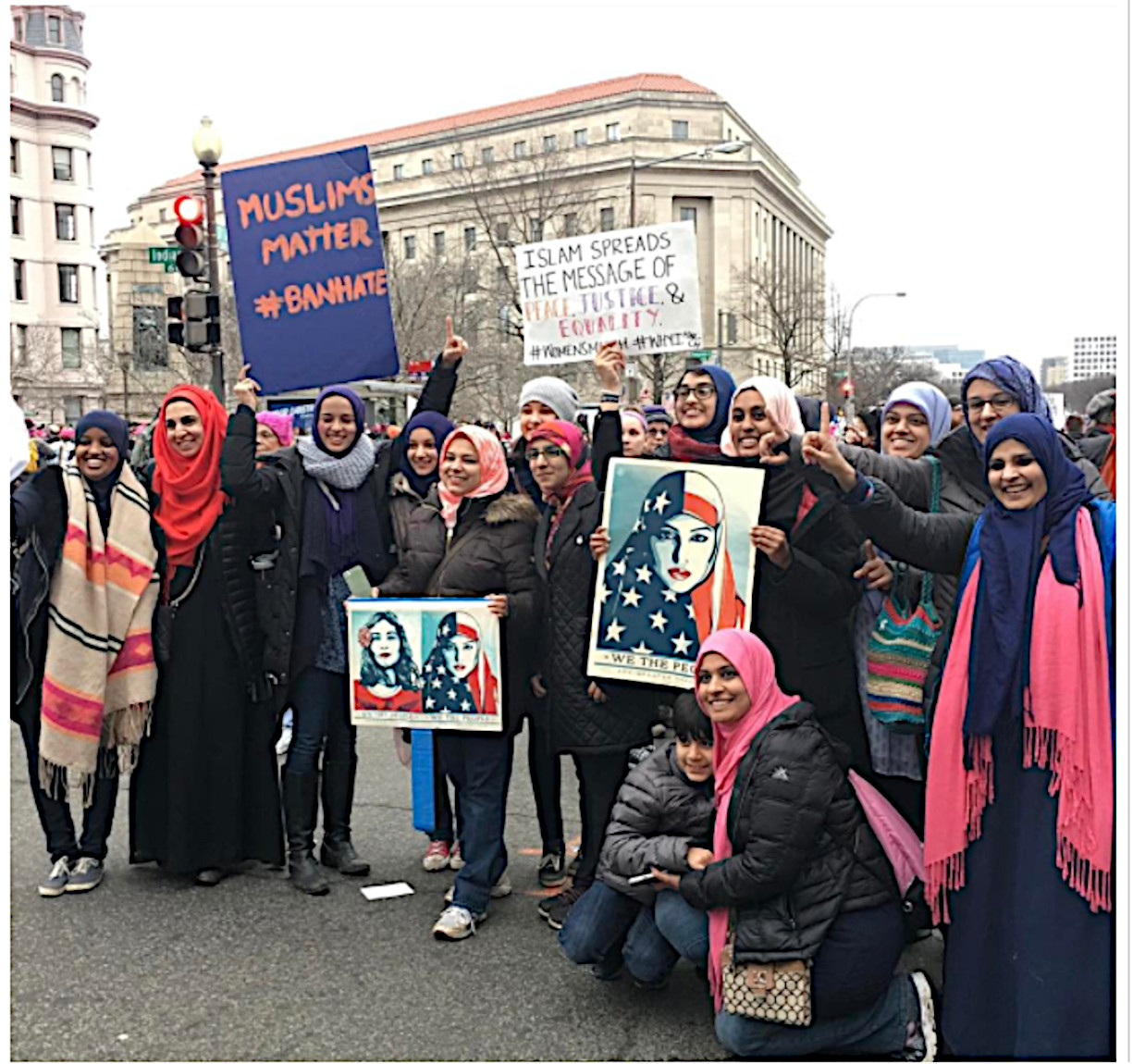
Q. As Muslims, what should our stance be on racism or racial discrimination, and should we be supporting social justice movements like Black Lives Matter (BLM)? And isn’t all of this support for BLM privileging justice for black people over others, especially when we Muslims realise the increasing Islamophobia and injustices being perpetrated against our fellow Muslim brothers and sisters around the globe?
♦
A. At the outset, let me be clear about how I intend to engage these concerns. And that is by rooting them in mainstream teachings of Islam so as to address the issue of racism in a manner that might be meaningful in a British context, and recognised as being Islamic in a Muslim one. I have divided the response into five parts: [i] Islam & racism; [ii] modernity & racism; [iii] Britain & racism; [iv] Muslims & racism; and [v] BLM & racism.
I. ISLAM & RACISM
Although the following verse is not speaking of the modern social construct of racism per se, it is speaking to the pre-modern concept of groupings of people related by significant common descent; in terms of location, language, history and culture. Thus we read in the Holy Qur’an: O mankind! We have created you from a male and female, and then made you nations and tribes that you might know one another. Truly, the noblest of you in the sight of God is he who is the most pious. God is indeed Knowing, Aware. [Q.49:13]
The company,Alta Fundamental Advisers, according to the Fed, has been ostensibly created to somehow help the average American.
According to the Fed’s Term Sheet for the Term Asset-Backed Securities Loan Facility (TALF), it’s going to “help meet the credit needs of consumers and businesses by facilitating the issuance of asset-backed securities.”
.
Asset-backed securities and related derivatives are what blew up Wall Street in 2008, creating the worst economic downturn, at that point, since the Great Depression.
According to the Fed’s most recent H.4.1 filing, it has loaned a total $11.1 billion from TALF. Eleven percent of that money, $1.2 billion, went to a company that has 4 employees (outside of clerical workers) according to its filing with the SEC.