enred_sinfronteras@riseup.net
By Millaray Painemal Morales *Indigenous Debates, Sept 9, 2020
from Red Latina sin Fronteras translation thefreeonline with thanks.
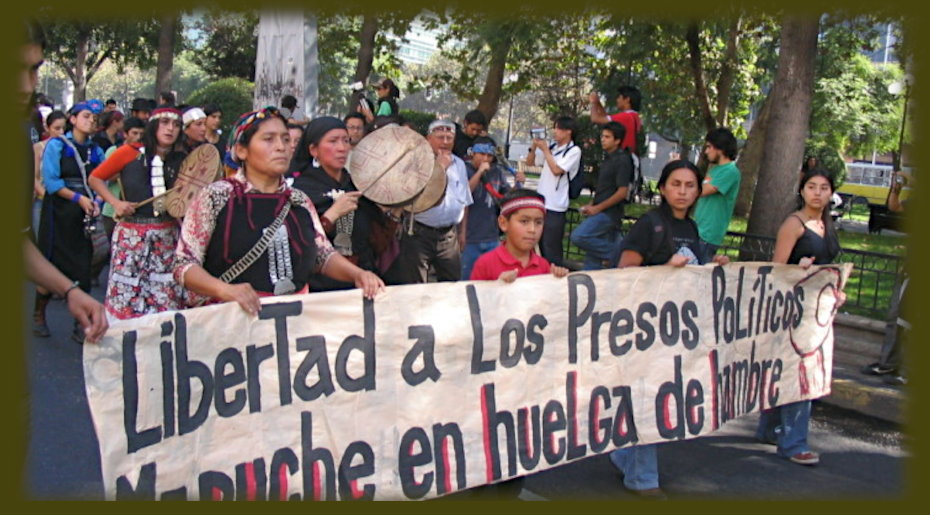
In the midst of the COVID-19 crisis, women from Chile continue to fight for their rights within their communities and within the nation state. In the context of the pandemic, they suffer from not being able to sell their crafts and vegetables, and from police violence.
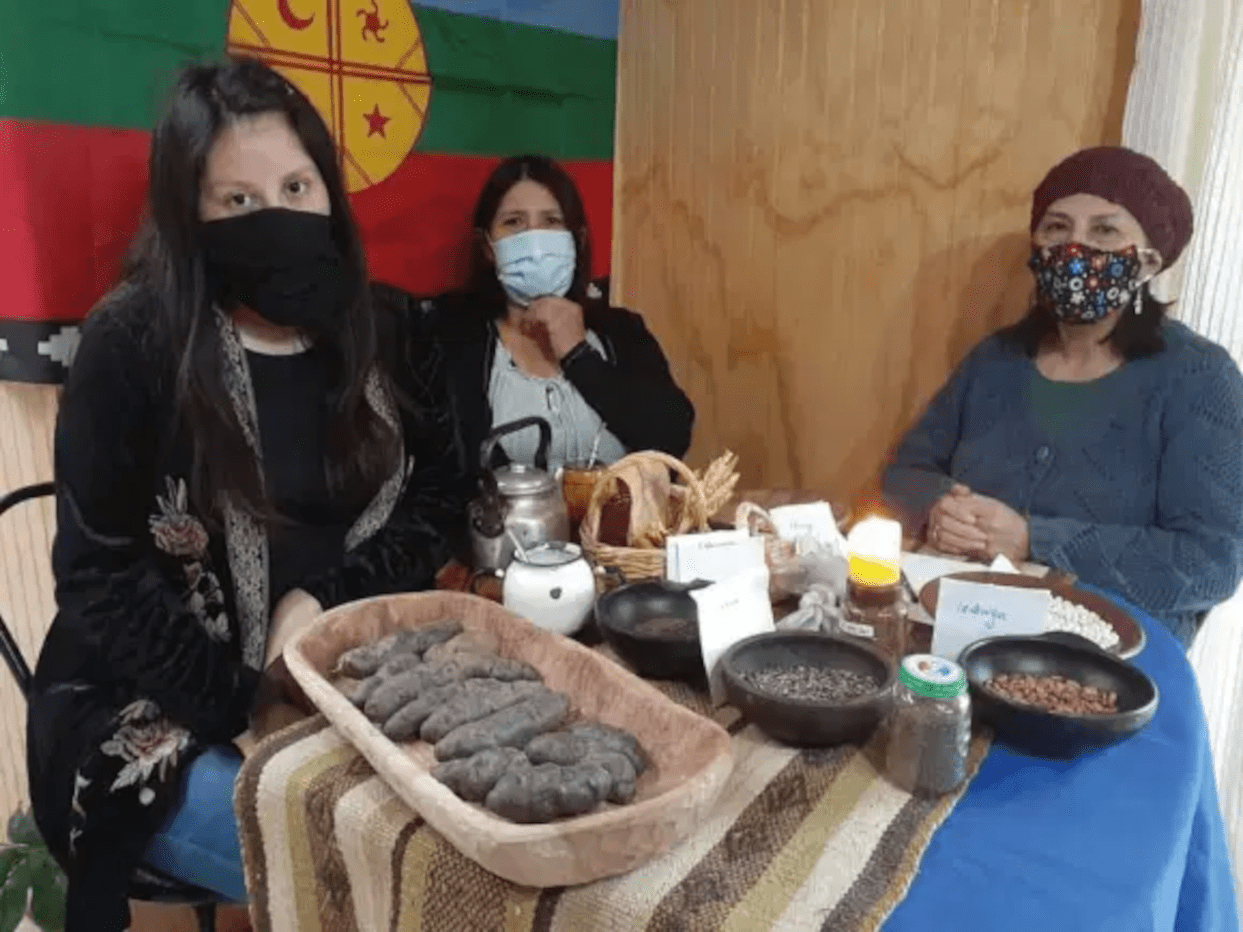
The environmental and health crisis has been an opportunity to strengthen organizations, train and network with feminist movements in the cities. They do not forget the October 2019 fight and add themselves to the request for decent pensions and a new multinational and joint Constitution.
The most excluded and marginalized sectors that live in large cities and indigenous peoples who live in rural areas are those who suffer the most from the effects of the coronavirus pandemic.
The deaths and infections among the most vulnerable are a reflection of the situation of social and economic inequality, caused by the neoliberal policies that have been applied for more than 30 years.
Chile is a clear example of social and economic inequality in Latin America. This inequality has its roots in the installation of the neoliberal economic model during the dictatorship of Augusto Pinochet and in a Constitution that was imposed by force and brought with it the privatization of education, health, social security and water, a vital element for the human being, but that today has become a market good.
“Inequality has its roots in the installation of the neoliberal economic model during the dictatorship of Augusto Pinochet and in a Constitution that was imposed by force and brought with it the privatization of education, health, social security and water”
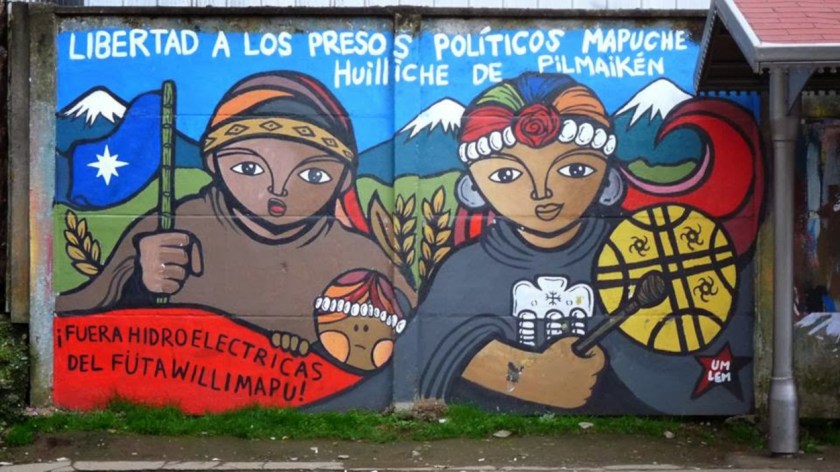
In the 1990s and with the arrival of democracy, these circumstances continued in force and affected the Mapuche communities in the south of the country with the installation of hydroelectric companies, roads and forestry companies.
In 1997, one of the emblematic struggles was carried out against the installation of the Ralco dam, in Alto Bío-Bío, and led by two great Mapuche Pewenche women: the Quintreman sisters.las hermanas Quintreman.
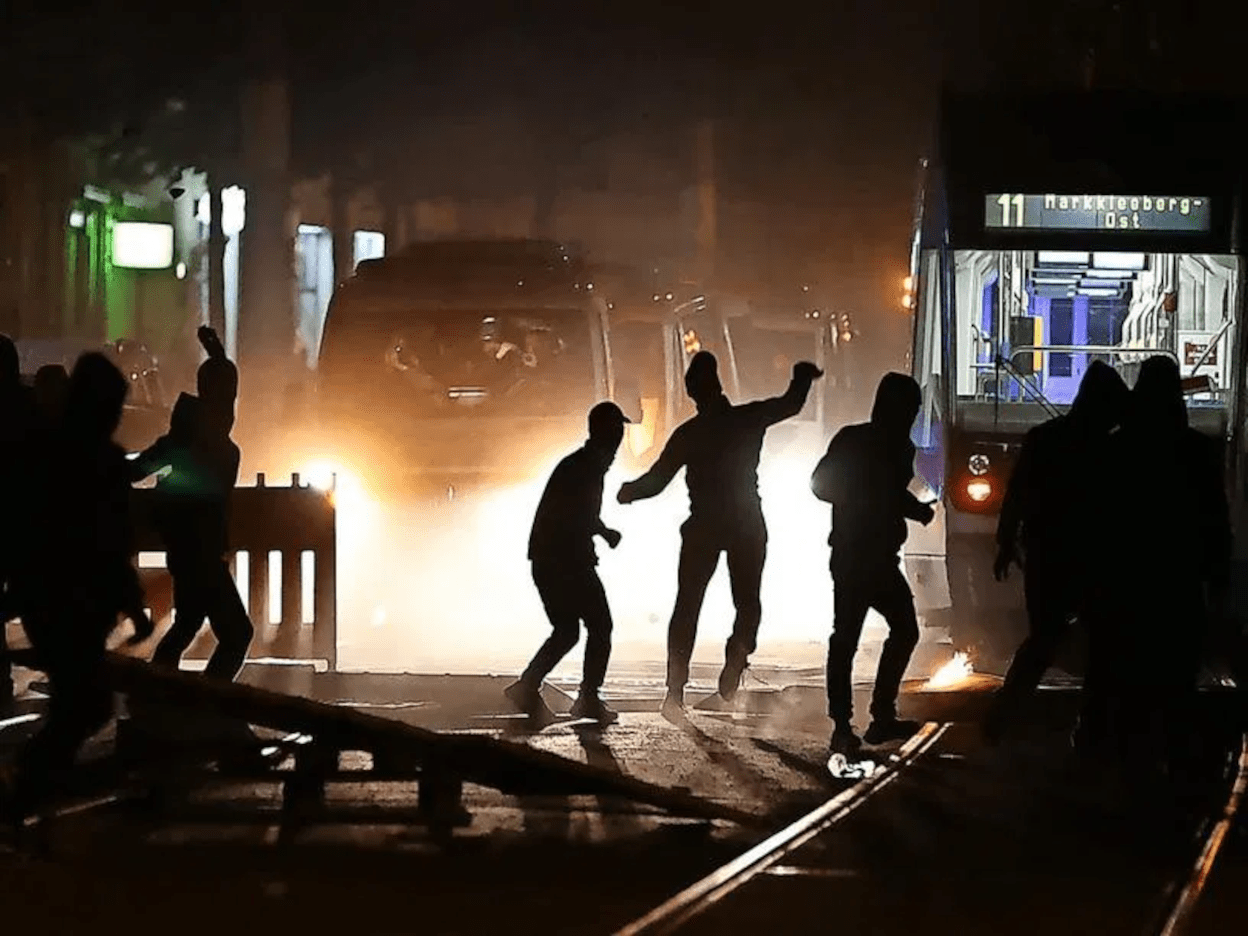
Meanwhile, Chile was seen by the rest of the world as an example to follow in terms of modernity and development. This view changed as of October 18, 2019, when protests by high school students began in Santiago due to the rise in prices of the subway ticket.
The mobilizations spread throughout the territory and gave rise to an unprecedented social outbreak that had numerous slogans, including one that expresses the national feeling: “Chile woke up.”
Continue reading “Wallmapu: Mapuche Women and the Struggle for our territorial Autonomy”