Nine Mile Ride: …….by Enough14 by David Correia
Policing is many things and all of them are about mobility. Police arrest mobility through traffic stops and checkpoints, interrupt mobility with borders and curfews, monitor mobility by helicopter or camera, force mobility by firing tear gas or sending in police dogs.
Originally published by Verso Books. Written by David Correia.
Don’t call it a nickel ride, like they do in Philly. And it’s not exactly a rough ride, like the kind the cops give in Baltimore. It’s called a Nine Mile Ride in Albuquerque because that’s where the ride ends.

It begins in downtown Albuquerque, often near Steelbridge, the current name of what used to be known as the Albuquerque Rescue Mission. Or sometimes Albuquerque cops grab someone from the International District near the Albuquerque Indian Center, a place they call the “War Zone.” That’s where the ride starts.
If you want to know what happens along the way, head out onto the street. Bring water and Covid-19 masks with you because everyone living on the streets needs both desperately. “In the last three months,” one man told us “they cut every one of our water supplies. Cops carry water but they won’t give them out… They have it, they just don’t give it to you.”
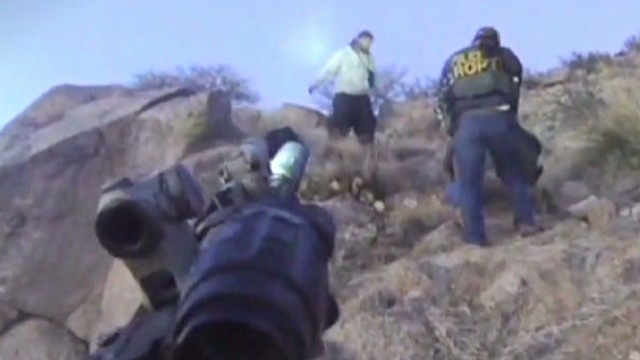
Outrage over fatal shootings by police in Albuquerque
Don’t just start asking questions. First give out water. Distribute masks. Then ask if the cops harass them. We went out into the streets late in the afternoon last month, just as the rain arrived to cut the heat. We met a man at a bus stop in the International District and offered him water and a mask.
He thanked us, and then we asked about the cops. Before we could even finish the question he interrupted to say, “hell yeah, they harass me. It’s everyday. They sit there around the corner, watching us, watching me, and roll up on me.” He’s was sitting at a bus stop telling us that cops roll up on him at bus stops, often the only place he can find shade, and tell him to keep moving. “I’m at a bus stop,” he’ll tell them. No matter. Just keep moving.
So he keeps moving. Everyone tells us this. To be policed on the street is to be constantly on the move. It is to be constantly told by a cop you don’t belong. If you’re Native they’ll say, “Go back to the Rez.” Just keep moving.
Policing is many things and all of them are about mobility. Police arrest mobility through traffic stops and checkpoints, interrupt mobility with borders and curfews, monitor mobility by helicopter or camera, force mobility by firing tear gas or sending in police dogs.
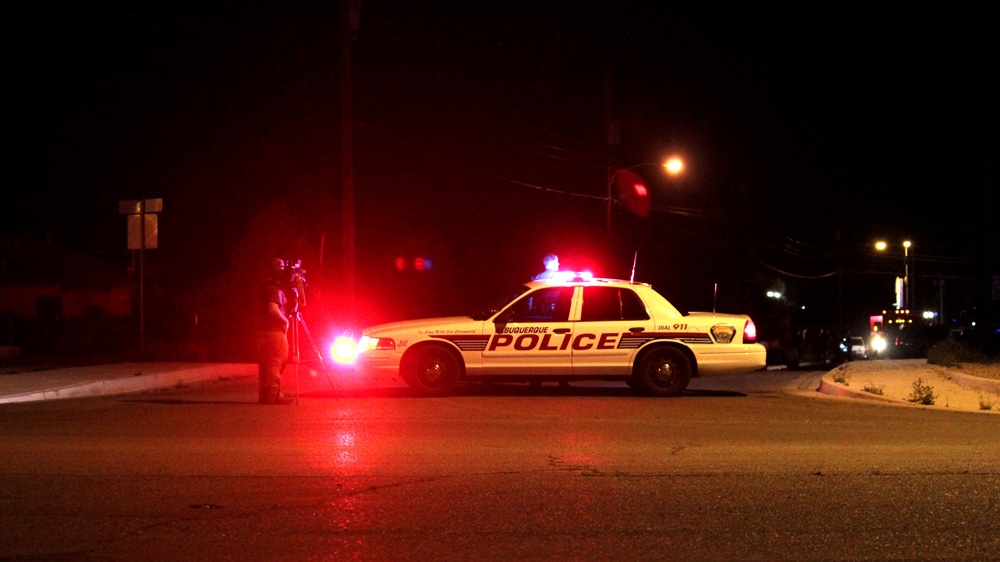
Albuquerque PD: a case study of police brutality | Racism | Al Jazeera
There’s this famous essay from 1982 that most cops have probably never read even though it perfectly describes everything they do. It’s called “Broken Windows” and in it two criminologists explain the importance of mobility. They start by admitting something cops never admit. Police patrol has zero “impact on crime rates.” It doesn’t matter how many cops you send out on patrol. More patrol does not result in less crime. And yet despite this, they emphasize patrol as the fundamental police practice. And this is so because social order, they claim, is a product of police patrol. People are afraid, they write, but they’re not afraid of crime. They’re afraid of something else, something called disorder. And you find disorder, they write, wherever you find people who don’t belong.
And so cops are always on the move, out on patrol, on the beat, in pursuit, on the hunt, confronting those they decide don’t belong. People are afraid of “being bothered by disorderly people,” the Criminologists claim. And so the job of the cop is to be on the move, patrolling, in order to “elevate… the level of public order.”
That sounds vague but they have something specific in mind. The job of police is to confront the “panhandlers, drunks, addicts, rowdy teenagers, prostitutes, loiterers, the mentally disturbed” and tell them to get lost. This, they write, is the job of police. While “citizens can do a great deal, the police are plainly the key to order maintenance.”

 “…the struggle for a better world is never easy, is always provisional, needs to be struggled for both within yourself and among those you live, love, work, and sometimes die with.”…