15 years ago, antifascist lawyer Stanislav Markelov and journalist Anastasia Baburova was murdered in Moscow. Their legacy tells us why anti-fascism remains vitally important in Russia today.
On 19, 2025 From Sareantifaxist by Kirill Medvedev at Federación Anarquista 🏴 18 January 2019 via thefreeonline at https://wp.me/pIJl9-FF0
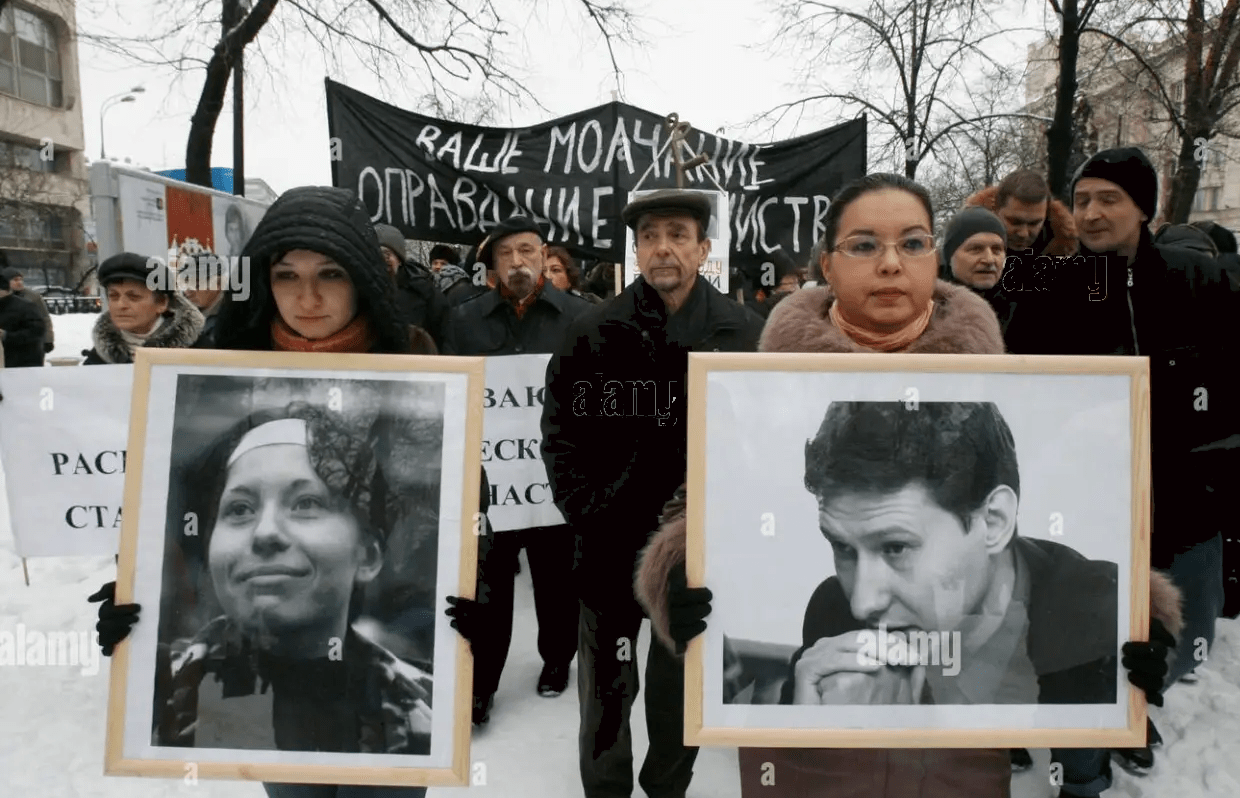
On January 20, we remember the Antifascists Stanislav Markelov and Anastasia Baburova, murdered in 2009 by Russian neo-Nazis in the center of Moscow. Today, St. Petersburg, Krasnoyarsk, Riga and Izhevsk, among many others, have woken up with improvised altars in their memory. To remember is to fight! No forgetting, no forgiveness!
¡ Recordar es luchar ! ¡ Ni olvido ni perdon !
19 de January del 2025
De parte de Sare Antifaxista 10 puntos de vista Los 19 de enero se recuerda a lxs Antifascistas Stanislav Markélov y Anastasia Babúrova asesinados en 2009 por neonazis rusos en el centro de Moscú. Hoy San Petersburgo, Krasnoyarsk, Riga o Ízhevsk entre otros muchos, han amanecido con improvisados altares en su memoria.¡ Recordar es luchar ! ¡ Ni olvido ni perdón !
Anastasia Baburova
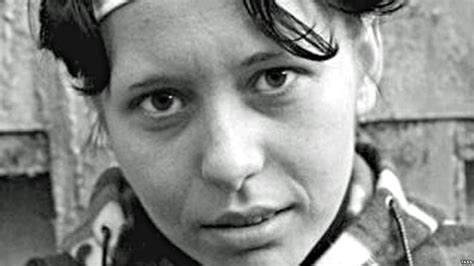
Baburova was active in the anarchist in environmentalist movement until her murder by nazis . She participated in the activities of ecological camps, in social fora, including the Fifth European Social Forum in Malmö 2008, organised the ‘Anti-capitalism 2008’ festival, demonstrated widely, and was involved in anti-fascist activities more generally.
In 2003, she married a fellow journalism student, Alexander Frolov, whom she met in 2000 during her studies in Sevastopol, they divorced in 2007.
In July 2008, Baburova participated in a demonstration against the felling of the Khimki Forest. Besides Russian and Ukrainian, which she considered her native languages, she also spoke English and French.[12]
The day before her murder, Anastasia appeared at the anarcho-communist unity event ‘Autonomous Action’.
Throughout 2008, Anastasia Baburova worked on the editorial team of the Russian newspaper, Izvestia, and had had dozens of articles published by both Izvestia and Financial News, particularly on finance.
Beginning in October 2008, she investigated (as a freelance-journalist) Russian neo-Nazi groups for Novaya Gazeta.[16][17] In December 2008, she resigned from this post over the political course of the newspaper.
At first it was reported that Baburova had been wounded in an attempt to detain Markelov’s killer, but later Russian law enforcement authorities declared that Baburova was shot in the back of the head. Baburova died a few hours after the attack at a Moscow hospital.[18
The Living Front of Stanislav Markelov
Ten years ago, activist lawyer Stanislav Markelov was murdered in Moscow. His legacy tells us why anti-fascism remains vitally important in Russia today.

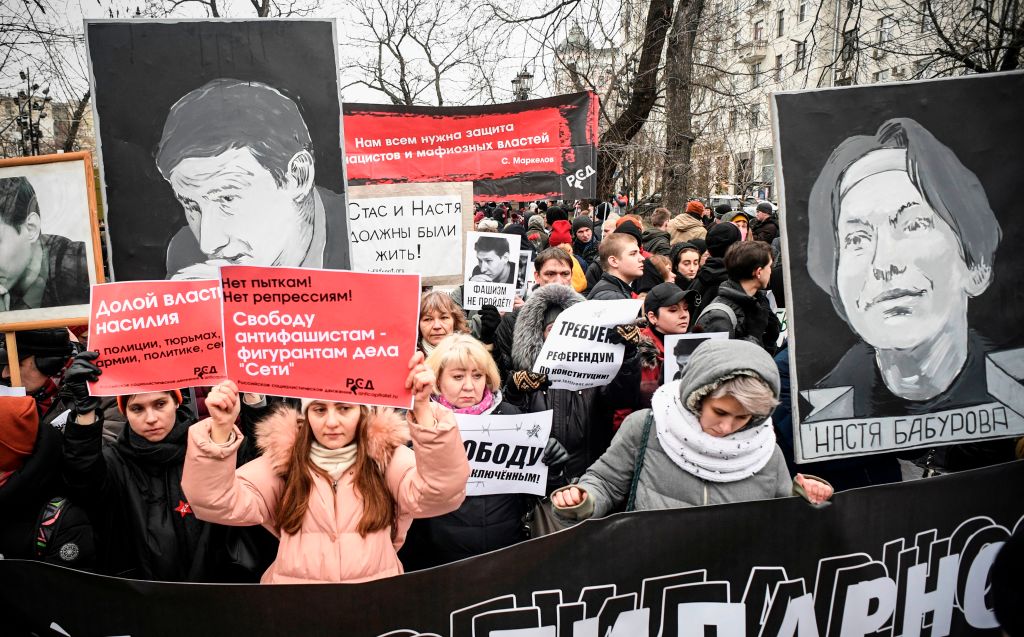
On 19 January 2009, Stanislav Markelov and Anastasia Baburova were murdered. Every year since, Russian anti-fascists hold a march in their memory. Source: anatrrra / Livejournal.
Ten years ago, Stanislav Markelov was murdered in Moscow. He defended anti-fascists and ecologists, mothers trying to defend their sons serving in the army and citizens of Blagoveshchensk brutalised at the hands of the riot police, the relatives of Elza Kungayeva (murdered by a Russian soldier in Chechnya) and journalist Mikhail Beketov, who was brutally assaulted for covering the construction of a new highway near Moscow.
That day in January, the Neo-Nazis also killed his companion Anastasia Baburova, a like-minded journalist. The killers were eventually sentenced to long prison terms. Some of their friends and sympathisers are now working for government bodies or pro-regime mass media, whereas others have fought and still fight on both sides of the conflict in Ukraine. As a figure, Markelov feels so necessary in Russia today, yet so hard to imagine.
Starting in the hippie subculture of the perestroika era, Markelov went on to join the Student Defence trade union and Defenders of the Rainbow eco-movement. Later, he was a legal representative in some of the country’s most dangerous and high-profile cases — and a proponent of Russia’s new anti-fascism.

In the 1990s, Markelov was among those who appealed to the non-Bolshevik traditions of the Left, caught between aggressive free marketeers and Soviet revanchists. During the Constitutional Crisis in October 1993, he joined the Voloshin Medical Brigade, who helped everyone in need of medical assistance, no matter what side they took amidst the bloody conflict.
Looking back, this healing of wounds and applying of stitches on the streets of Moscow in 1993 feels like an attempt to symbolically unite two parts of a broken society. On the one hand, the enthusiasts of 1991, the people who, in 1993, still believed in the imminent triumph of liberal democracy. On the other, the people who believed that the near future would bring nothing good, but had no counter-agenda except a fanatical anti-liberalism and their memories of the USSR.
This rupture is yet to close, and Markelov — who mixed liberal human rights work with left-wing values — was the living embodiment of the attempt to overcome it. This combination is something very unusual in Russia. Ever since Soviet times, the majority of Russian liberals who have believed in human rights have shown skepticism towards any discussion of social justice and equality.
Leftists, on the contrary, often interpret the rhetoric of human rights as a cover for the economic aggression of neoliberalism. However, the fact remains that liberals in Russia cannot survive without a serious shift to the left (a truth that Alexey Navalny has understood all too well), while leftists, who easily turn to liberal human rights organisation for free assistance, and then brand them as enemies of the working class, look simply ridiculous in this instance.
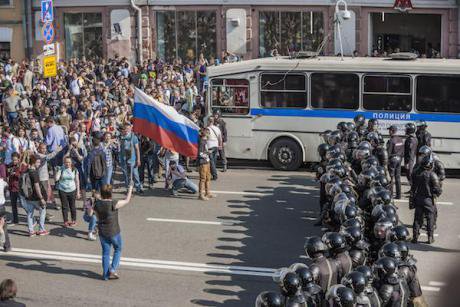
Riot police surround people during a demonstration against Vladimir Putin in Moscow, on 5 May 2018. Photo: NurPhoto / SIPA USA / PA Images. All rights reserved.
Laughing bitterly at this absurd situation, the unique nature of Markelov’s experience is clear. Markelov came to work as a lawyer through his political activism, and then, for the sake of defending the most vulnerable and powerless people in society, disdained both a steady professional career and every stereotype on why the personal, political and professional should not be mixed in legal work.
Continue reading “Neo-Nazis killed our Comrades! To remember is to fight! No forgetting, no forgiveness! + The Living Front of Stanislav Markelov” The Free