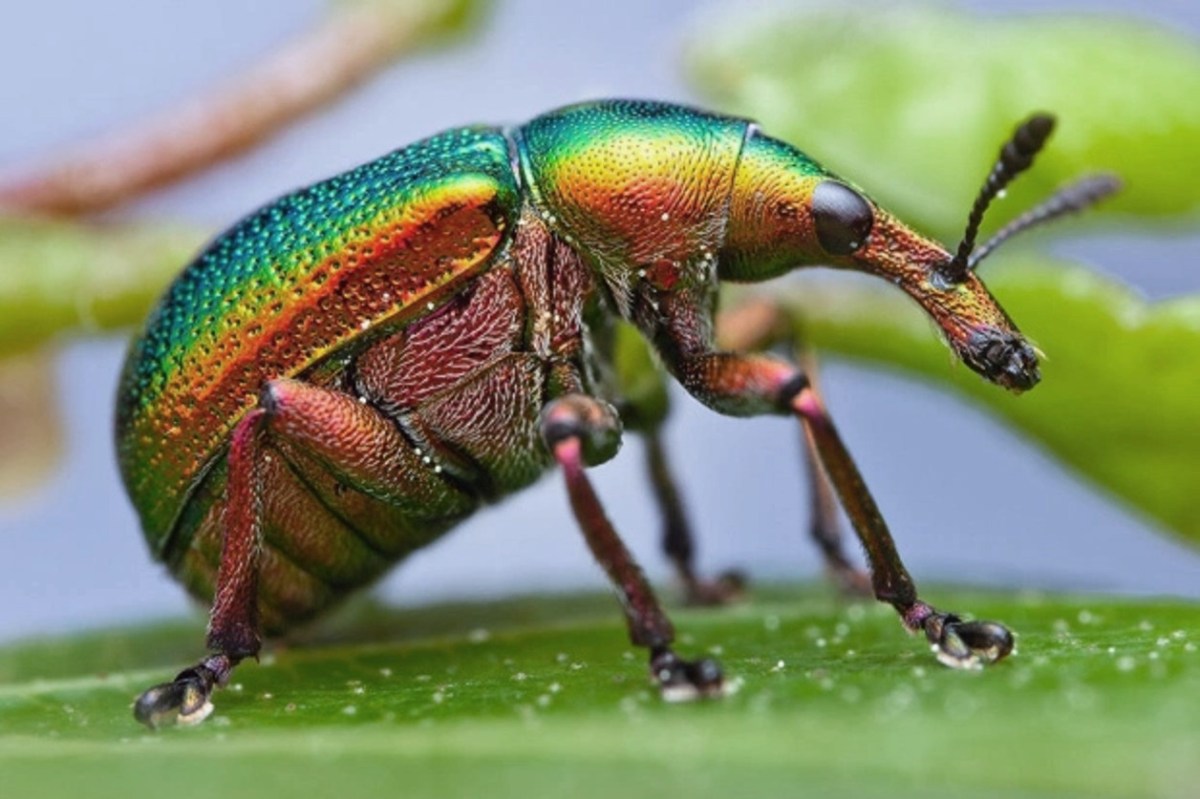
Soft-furred hedgehogs or gymnures are small mammals that are members of the hedgehog family, but as their common name suggests they are furry rather than spiky.
A recent study has identified five new species of soft-furred hedgehogs (also known as Lesser Gymnures) from #SoutheastAsia. The study used DNA analysis and physical characteristics to describe two entirely new species of soft-furred hedgehogs and to elevate three subspecies to the level of species.
These tiny tree-dwelling creatures are soft and furry with a mouse-like appearance, yet they are not rodents – they are hedgehogs.
For nearly five decades, China has undertaken a monumental ecological effort to combat desertification in one of the world’s most hostile environments—the Taklamakan Desert.
On Thursday, the People’s Daily reported that the ambitious project to encircle the desert with a green belt of trees has been completed, marking the end of a journey fraught with setbacks but full of determination.
A ‘Green’ Great Wall for the Taklamakan
Last week, workers planted the final 100 trees on the southern edge of the Taklamakan Desert, completing what is often referred to as China’s “Green Great Wall.”
This initiative aims to mitigate the adverse effects of the Taklamakan, a vast sea of shifting sands located in northwestern China. Known as the second-largest shifting sand desert in the world, its name ominously translates to “Go in and don’t come out,”reflecting its inhospitable nature.
The desert is also the farthest point from any ocean, making its surrounding areas some of the most isolated and impoverished regions in China.
The Taklamakan Desert has long posed challenges for northern and western Chinese provinces, as strong winds carry dust and sand into these regions.
These storms degrade air quality, threaten agricultural productivity, and contribute to desertification.
In response, China initiated the “Three-North Shelterbelt”project in 1978 under the leadership of Deng Xiaoping, aiming to combat these environmental challenges by planting trees on a massive scale.
Transforming the Landscape
Since its inception, the project has led to the planting of over 30 million hectares (116,000 square miles) of trees.
The pact reached in 2006 prohibits companies that sell soybeans from buying grains from deforested areas, which has helped slow agricultural expansion on forest lands.
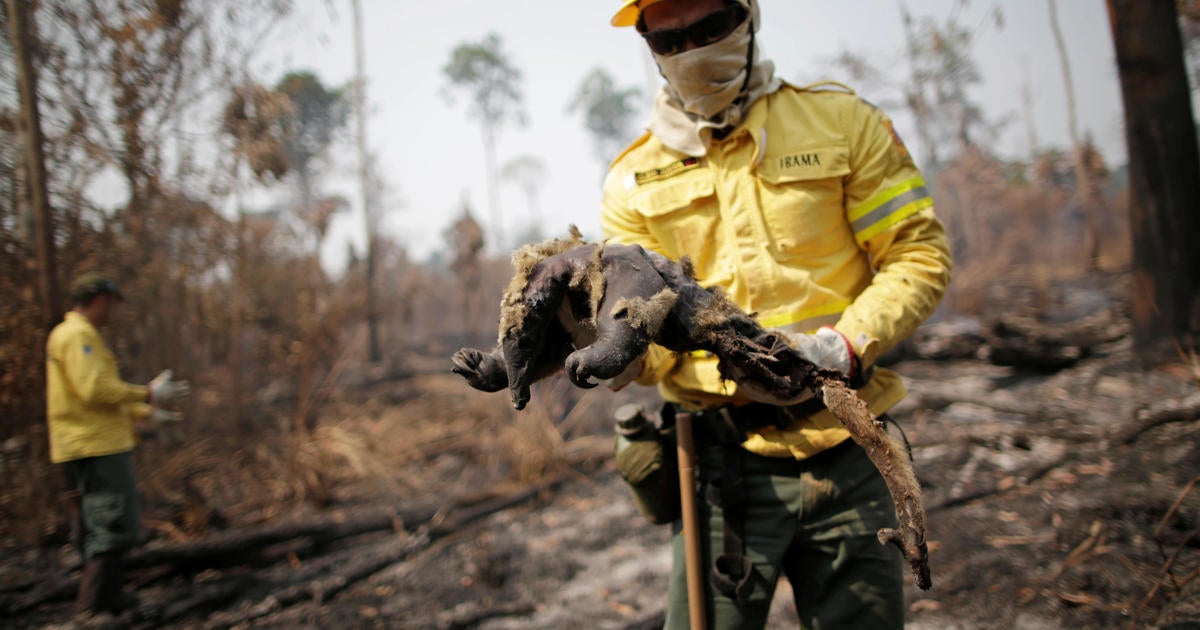
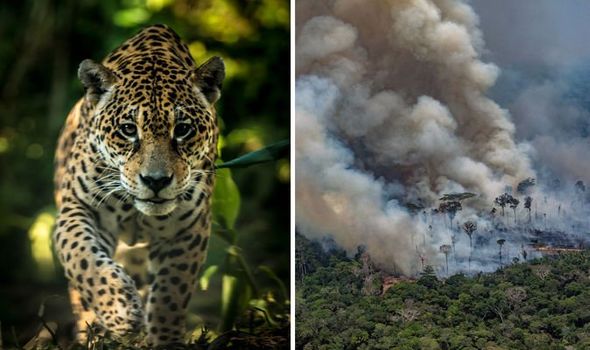
Pressure on Amazon soy moratorium threatens progress against deforestation Fires in the National Forest of Brasilia, Brazil. September 3, 2024.Eraldo Peres / AP
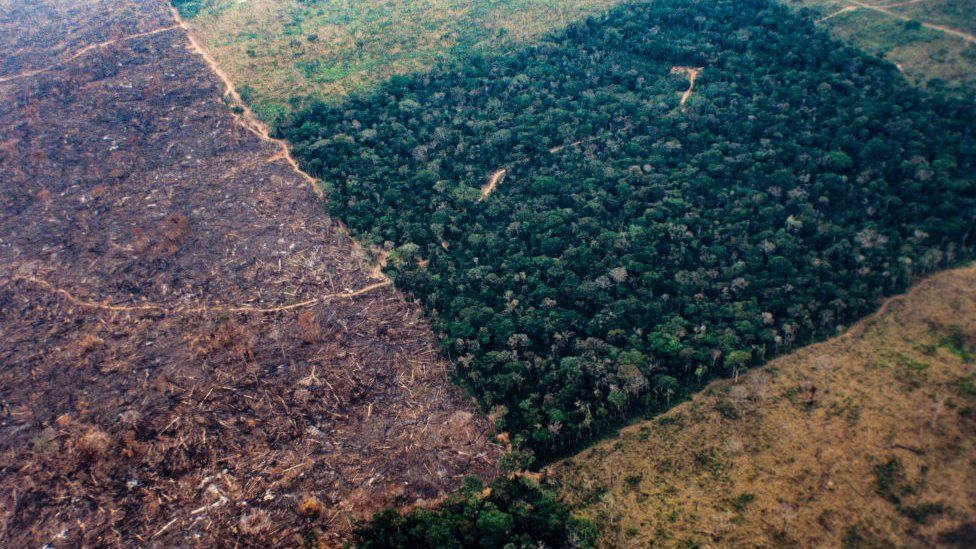
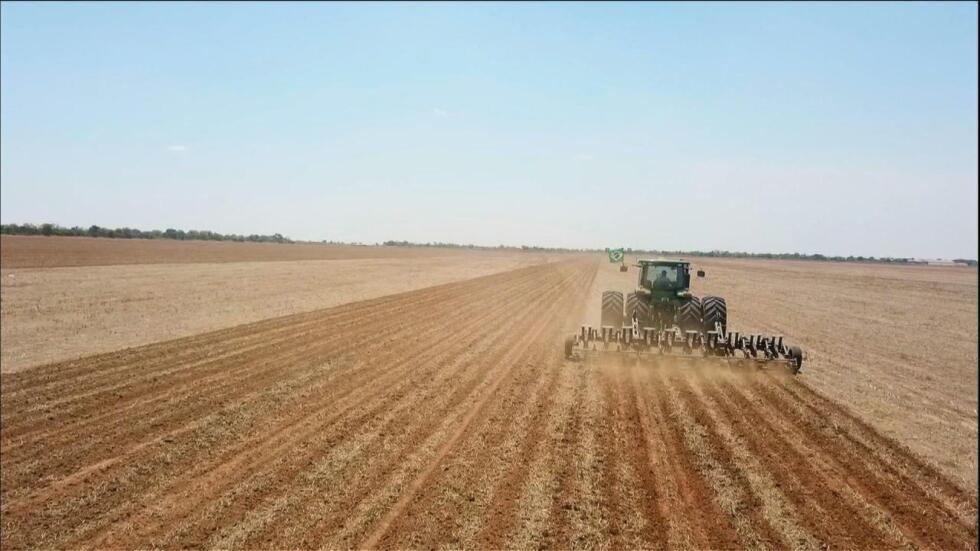
The historic soy moratorium, a voluntary agreement that since 2006 has been essential in Brazil to reduce deforestation in the Amazon, faces serious threats, as parliamentarians and agricultural producers seek to weaken or eliminate the restrictions imposed by the pact.
More than 60 organizations have published a manifiesto in defense of this moratorium, considered an example of how large-scale agricultural production can be combined with environmental responsibility. Forest fires near Porto Velho, Brazil. August 23, 2019.Victor R. Caivano / AP
This pact prohibits soybean trading companies from purchasing grains that come from deforested areas, which has contributed to slowing agricultural expansion on forest lands.
However, organizations such as Greenpeace Brazil, WWF-Brazil and the Socio-Environmental Institute (ISA) warn that the elimination of this agreement could trigger a significant increase in forest clearing. Significant setbacks
According to the manifesto, if the pact is eliminated, this could bring with it significant setbacks in environmental protection policies, affecting both the Amazon and preservation initiatives throughout the country.
Among the risks mentioned, those associated with bills under discussion in the National Congress that seek to eliminate tax incentives for companies that implement environmental criteria, indirectly promoting deforestation, stand out.
The document also describes attempts to end the moratorium as “irresponsible and ignorant”, especially in the context of the climate and biodiversity crises.
“There is strong pressure from the most conservative sectors of agribusiness to eliminate each and every restriction on predatory agriculture. The soy moratorium is the hot topic and the attack will not stop,” said Cristiane Mazzetti, coordinator of the Greenpeace Brazil Forests campaign.
Mazzetti urged participating companies not to give in to these pressures and not to spoil “the results of 18 years of the moratorium” that they helped to build.
“Zero deforestation is a growing market demand and the moratorium is a fundamental measure in this regard, which adds to the global effort to keep global warming at 1.5 ºC,” she added.
El 21 de octubre comienza en Cali, Colombia, la Cumbre Mundial de la Biodiversidad, COP16, que está previsto finalice el 1 de noviembre. Es la primera COP que se celebra tras la aprobación del Marco Mundial de Biodiversidad de Kunming-Montreal..
Del 21 de octubre al 1 de noviembre se celebra en Cali, Colombia, la Conferencia de las Partes del Convenio sobre la Diversidad Biológica (COP16), donde se revisará la implementación y seguimiento de lo que se acordó en el Marco Mundial de Biodiversidad Kunming-Montreal aprobado en Canadá, en el 2022
Ecologistas en Acción en la COP16 de Biodiversidad
La COP16 debe lograr que los diferentes países empiecen a aplicar los objetivos y las metas del Marco Mundial de Biodiversidad de Kunming-Montreal, que se cuente con la necesaria financiación y nuevos mecanismos que logren la integración de la biodiversidad en las políticas sectoriales,
¿Qué es la COP?.. ¿Qué es el Marco Mundial de Biodiversidad de Kunming-Montreal?
Aunque la Cumbre de Biodiversidad (COP16) se inicia el lunes 21 de octubre, hoy Cali vivió su inauguración oficial en el Centro de Eventos Valle del Pacífico, en la llamada Zona Azul, con delegaciones de más de 190 países. Y un importante número de representantes de comunidades locales, académicos, jóvenes, y organizaciones como Ecologistas en Acción…..
Finaliza la COP15 de Montreal con la aprobación del acuerdo Kunming-Montreal, importante pero insuficiente, ya que no logra los avances necesarios para lograr detener la pérdida de biodiversidad para 2030……
Human rights-based framework for coral reef conservation. The five key principles are legality, accountability, non-discrimination and equality, empowerment, and participation. A summary of each principle within the framing of reef conservation is provided.
Linking the protection of coral reef ecosystems to human rights highlights how crucial healthy ecosystems are for human well-being and underscores the inherent connection between human and nonhuman life.
A human rights-based approach to coral reef protection could ensure governments are held to account for safeguarding marine ecosystems and empower local and Indigenous communities to demand sustainable solutions and climate justice, a new study suggests.
ALERT – New Research: Save the Last Tiny Scraps of Native Vegetation … #ClimateStrike #ExtinctionRebellion #StopAdani
Scientific thinking changes as new evidence comes to light. One vital new insight is the importance of saving even tiny, isolated remnants of native vegetation.
Decades of research on fragmented habitats has shown that small, isolated patches of habitat are often ecologically depauperate — lacking top predators and large species, and suffering from a wide variety of ecological woes.This research correctly shows the vital importance of protecting Earth’s vanishing wilderness areas.
But such studies have also convinced some people that very small, isolated patches of native vegetation are nearly worthless. In many places, these tiny remnants are being bulldozed and razed to the ground.
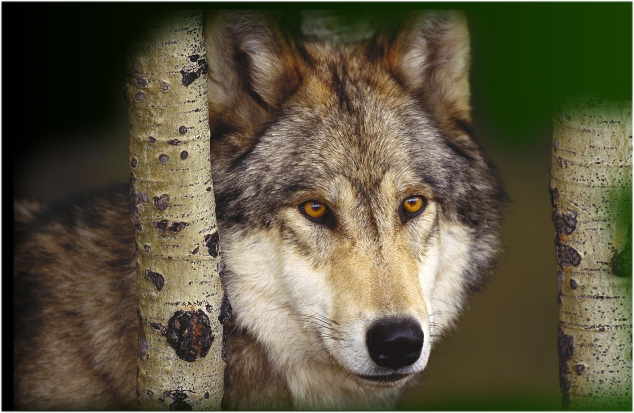
The return of the wolf in Catalonia, excellent news that the government should strengthen
en catalá sota The appearance of wolves in the counties of Cerdanya and Ripollès is good news for biodiversity in Catalonia. The wolf, like all predators, is a ey element in the operation and restoration o biodiversity.
The wolf is back, and has even been spotted in Valles Oriental County, just 50 kms from Barcelona!( see map)
Until the nineteenth century, the wolf was distribute in most of the Catalan region, the last one was reortedly killed in 1929. Last year remote cameras were installed in the Ripolles County with 6 sightings and 3 in Cerdanya. It is hoped that stable breeding packs will become established and pass the threshold of no return to boost Catalan biodiversity. Continue reading “Wolves returning to Catalonia after 80 years”





![[COP15 Biodiversidad] Oportunidad perdida para lograr un acuerdo global que ponga fin a la pérdida de biodiversidad](https://www.ecologistasenaccion.org/wp-content/uploads/2022/12/Members-of-the-Global-Youth-Biodiversity-Network-400x250.jpg)






 The Free