What Project 2025 Would Do to the Environment – and How We Will Respond – EarthJustice

By Earthjustice November 12, 2024,   via thefreeonline at https://wp.me/pIJl9-EU2 Telegramt.me/thefreeonline
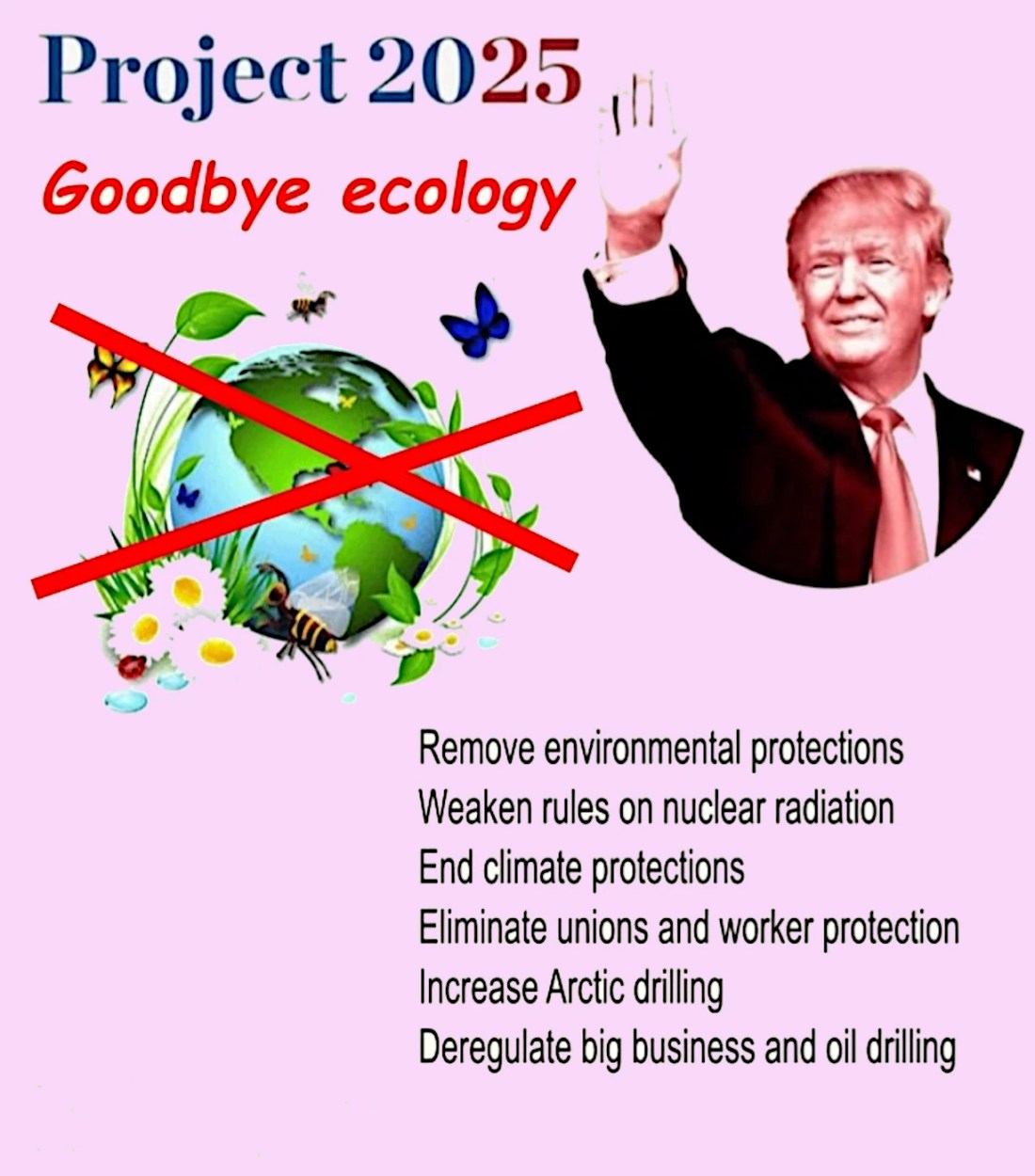
When Donald Trump takes office for the second time in January, we expect his administration to dramatically dismantle environmental protections. We see the shape of what’s coming not just from battling his first administration, but because of the blueprint laid out in Project 2025.

Project 2025 is 900 pages, and 150 of them are about how to destroy the environment. This deregulatory agenda, written by former Trump government officials and Heritage Foundation staff, would strip away our rights to clean air, clean water, and a healthy planet.

Earthjustice is built for moments like this. We’re the legal arm of the environmental movement, with more than 200 attorneys wielding the power of the law to defend the planet and its people. We filed more lawsuits on behalf of clients against the last Trump administration to protect the environment than any other organization – and we won 85% of our cases.

We’ve shown that we can take on the Trump administration’s worst ideas and win.

We’ve studied the proposed tactics in Project 2025, including undermining government staff who are charged with safeguarding health and environmental protections.

We are prepared to defend the environment and communities from what comes next, no matter how long it takes. Here are some of the Project 2025 recommendations we’re most concerned about:

Taking a hatchet to bedrock environmental laws

What Project 2025 says:

  • Gut the Endangered Species Act (ESA): Project 2025 would rewrite the most successful legal tool we have for protecting wildlife in ways that would harm imperiled species. It specifically calls for removing protections from gray wolves and Yellowstone grizzlies.
  • No need for national monuments: Another proposal would repeal the Antiquities Act, which would strip the president of the ability to protect priceless public lands and waters as national monuments.
  • Weaken the Clean Air Act: Project 2025 would nix the part of the law that requires the Environmental Protection Agency (EPA) to set health-based air quality standards.
  • Less say for communities in environmental decisions: The plan would undermine key portions of the National Environmental Policy Act (NEPA), which ensures you have a voice in major projects built near you……

….. continue reading HERE… Earthjustice
Can we live on our planet without destroying it?

Klaus Hubacek investigates planetary boundaries 13 November 2024

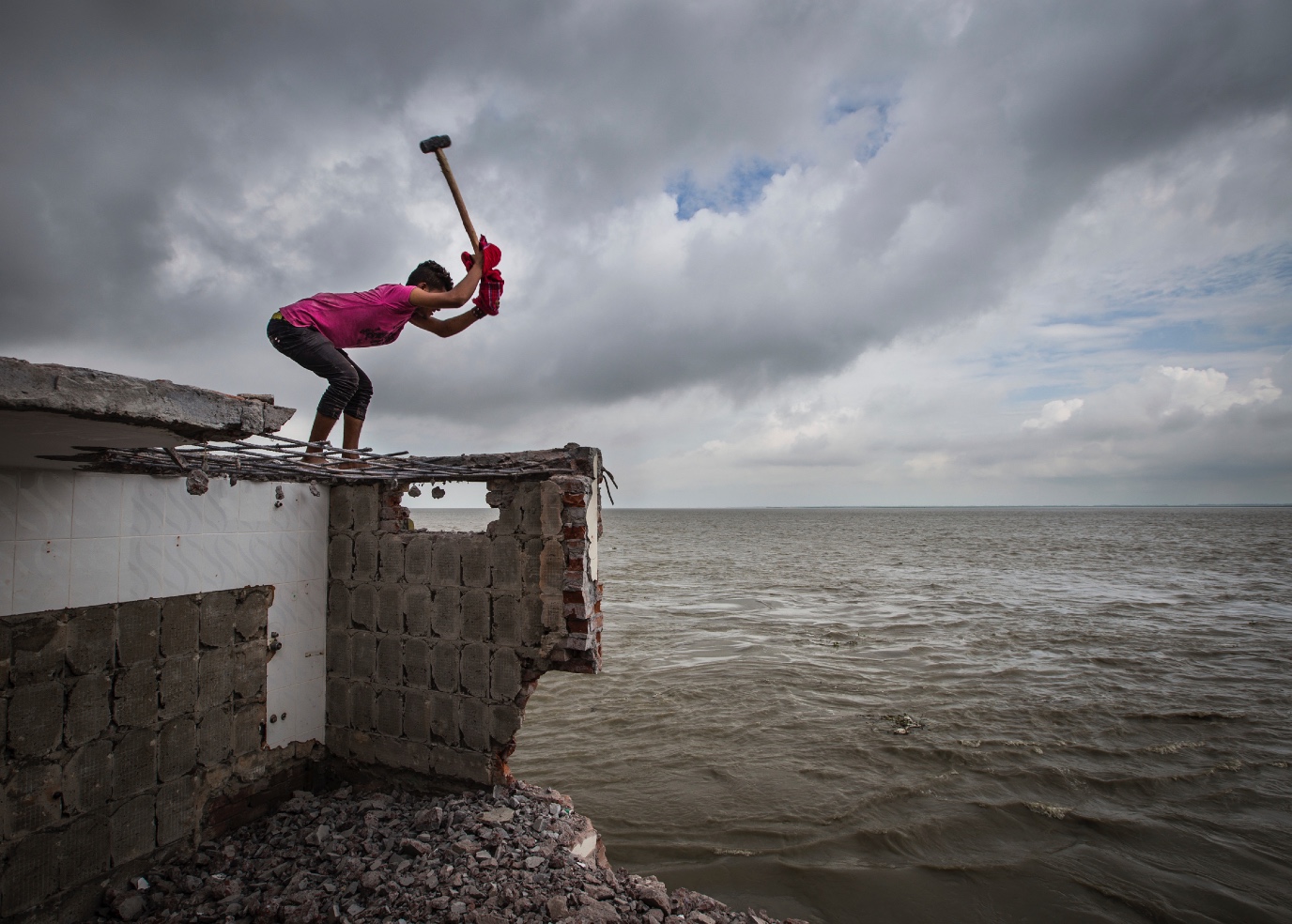
When we cross planetary boundaries, it can irreversible damage to the Earth’s stability and resilience. Billal Hossains house is washed away and he has nowhere to go. Now he breaks his house down and collects the last brick to shift to another place to settle. Photo Moniruzzaman Sazal / Climate Visuals Countdown

How much land, water, and other resources does our lifestyle require? And how can we adapt this lifestyle to stay within the limits of what the Earth can give? It is possible, Hubacek shows, but it will require policies based on scientific evidence.

With eight billion people, we use a lot of the Earth’s resources in ways that are likely unsustainable. Klaus Hubacek, Professor of Science, Technology and Society at the University of Groningen, the Netherlands, takes stock of the situation.

.
Our consumption patterns affect the environment. Every winter, this regional capital in India is covered in a thick cloud of smog. Photo Raunaq Chopra / Climate Visuals Countdown

FSE Newsroom | René Fransen (text) Leoni von Ristok (image editor)

Our consumption patterns affect the environment, that much we know. A clear example is the concentration of carbon dioxide in the atmosphere.

It has been rising at an increasingly faster rate since the 1960s, resulting in global warming, along with all its dire consequences. There is a limit to the amount of consumption the Earth can support, and in 2009, scientists defined nine ‘planetary boundaries’ as indicators of when we have reached that limit.

Crossing them may lead to irreversible damage to the Earth’s stability and resilience. These planetary boundaries include indicators such as ocean acidification and the global use of fresh water.

In 2023, six of these planetary boundaries had already been crossed.

The divide between rich and poor

.
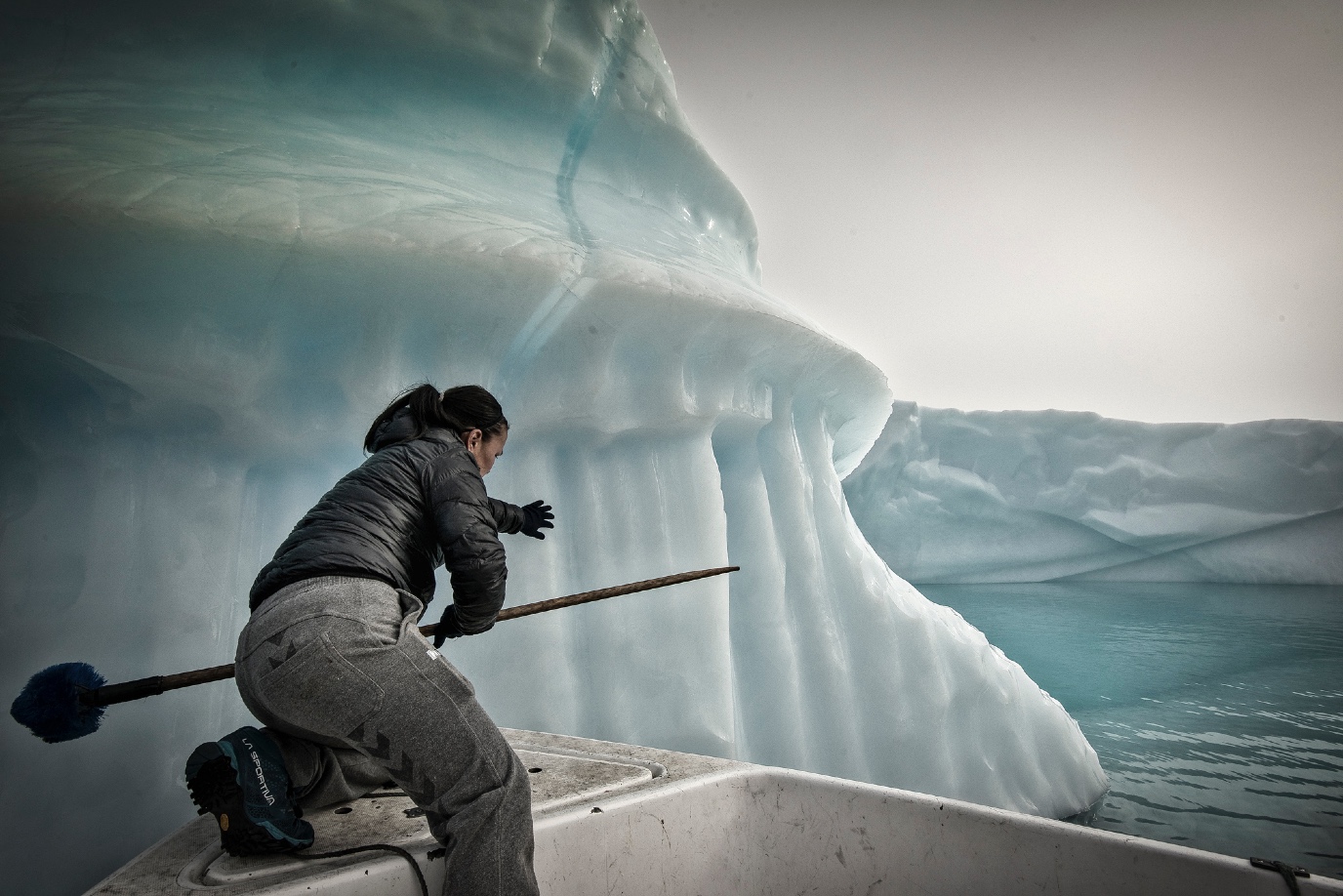
In 2009, scientists defined nine ‘planetary boundaries’. In 2023, six of these were already breached. Climate change increases the calving off of icebergs, causing economic damage to fishermen. Photo Turpin Samuel/ Climate Visuals

Hubacek has devoted his academic career to studying how humanity is performing in terms of these planetary boundaries, and what needs to change to prevent us from crossing them even further. According to him, ‘the basic calculation is: given a certain number of people on the planet and the planetary boundaries, how much can we consume to stay inside these limits?’.

.
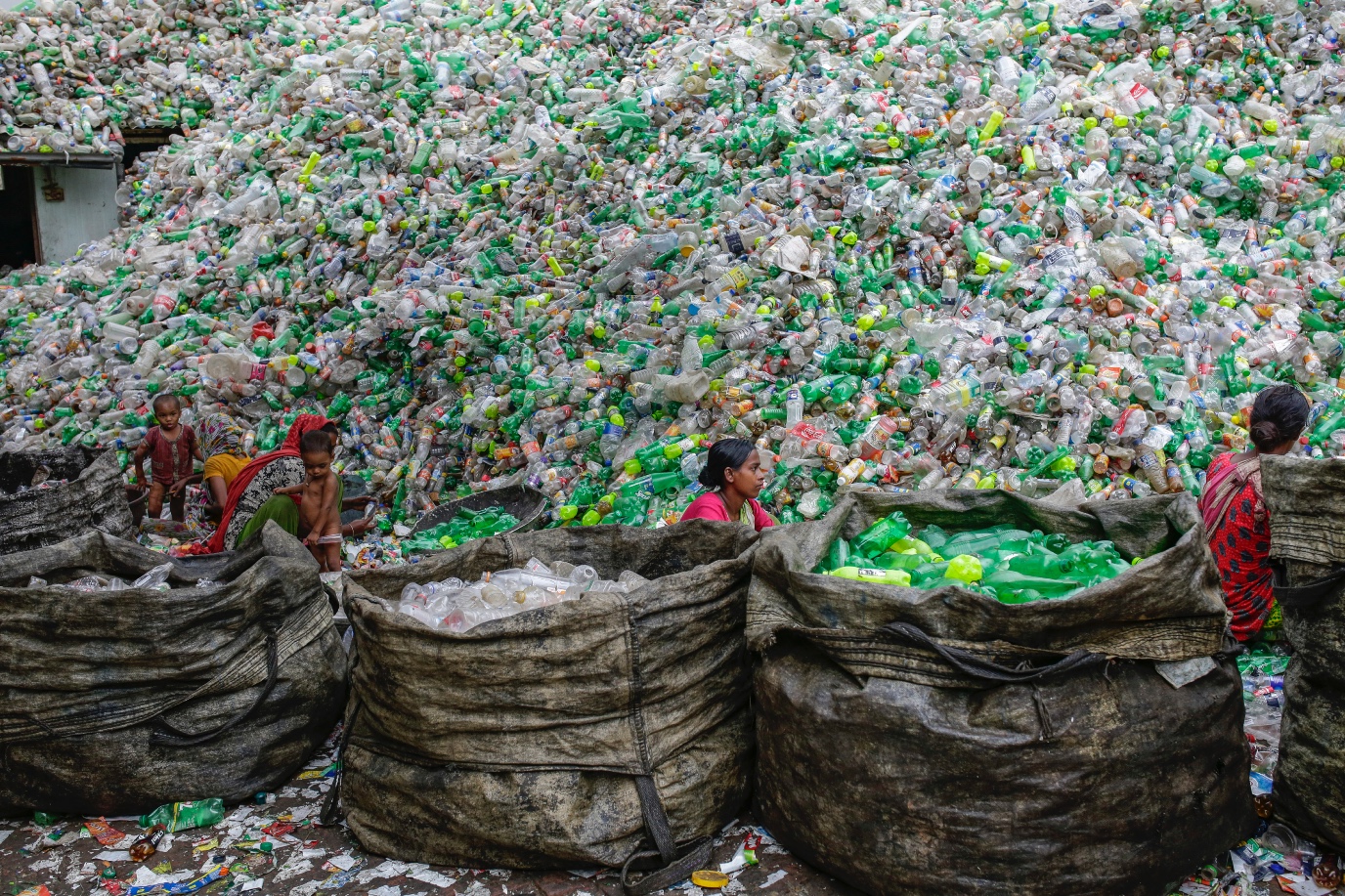
The richest one percent of the world population produces fifty times more greenhouse gases than the four billion people making up the poorest 50 percent. Women in Bangladesh sort plastic bottles for recycling. Photo Abir Abdullah / Climate Visuals Countdown

At the moment, the richest one per cent of the world’s population produces 50 times more greenhouse gasses than the four billion people in the bottom 50 per cent.

The divide between the rich and the poor on this planet is a common thread in Hubacek’s work. He is one of the authors of a paper, published in the journal Nature on 13 November, that describes this issue. Using an extensive dataset covering up to 201 consumption groups across 168 countries, the paper analyses the impact of spending patterns on six key environmental indicators.

Continue reading “Can we live on our planet without destroying it?”

Economic and Social Strategies for Adapting to Worst-Case Climate Change

A world with temperatures 3 to 5°C higher than pre-industrial levels would be vastly different from the one we inhabit today.

On 22nd October 2024 by Garry Rogers at garryrogers.com via https://wp.me/pIJl9-EyC at https://wp.me/pIJl9-EyC Telegram t.me/thefreeonline

The World Bank[i] cautions that many regions would be unable to adapt to such a temperature increase. Ecosystems would collapse, crops would fail, extreme weather events would become more frequent and severe, and rising sea levels would reshape coastlines and inundate major cities. The social and economic foundations of global civilization would be strained to their limits.

This article outlines four key strategies that towns and farms can implement to prepare for and adapt to a changed world. While these strategies alone cannot fully prepare us for the scale of the impending disruption, they represent essential steps towards building resilience and maintaining some semblance of societal stability.

Universal Basic Income (UBI) and Job Guarantee Programs

As climate change disrupts traditional economic sectors and displaces workers, we need new systems to ensure basic economic security. At the local level, communities can experiment with and advocate for these programs.

Universal Basic Income (UBI) could provide a crucial safety net as people transition between precarious forms of employment[ii]. For communities, this might involve piloting a small-scale UBI program, starting with the most vulnerable community members, partnering with nearby communities to create a regional UBI pilot, or advocating at the state and federal level for UBI policies.

Alternatively, a job guarantee program focused on climate adaptation and mitigation work could both provide employment and address crucial climate-related needs[iii]. This could involve creating local government jobs focused on climate resilience projects or establishing a community corps that provides training and employment in climate-adaptive skills.

Coastal Adaptation for Worst-Case Climate Change September 16, 2024 In “Adaptation for Climate Change”

These programs will be essential not just for individual wellbeing, but for maintaining social stability in the face of severe economic disruption. Without them, there is a risk of widespread poverty, social unrest, and the collapse of local economies.

Agriculture and Food Security Adaptations to Worst-Case Climate Change September 23, 2024 In “Adaptation for Climate Change”

Continue reading “Economic and Social Strategies for Adapting to Worst-Case Climate Change”

Judge’s Ruling a small Victory in Fight to Control Nuclear Weapons Proliferation – Marilyn Bechtel

from Peoples World

via thefreeonline at https://wp.me/pIJl9-Epn on 15 Oct24 by Marilyn Bechtel

This undated file photo shows the Los Alamos National Laboratory in Los Alamos, N.M. |

The plaintiff organizations – Savannah River Site WatchNuclear Watch New Mexico and Tri-Valley Communities Against a Radioactive Environment (Tri-Valley CAREs), are longtime monitors of sites where nuclear weapons are developed.

They were joined by a tribal group located near the Savannah River Site in South Carolina, the Gullah Geechee Sea Island Coalition.

In June 2021 they filed a lawsuit to compel the U.S. Department of Energy (DOE) and its semi-autonomous National Nuclear Security Administration (NNSA) to perform a thorough environmental review, as required under the National Environmental Policy Act (NEPA), of their plans to ramp up production of the new pits to 80 per year.

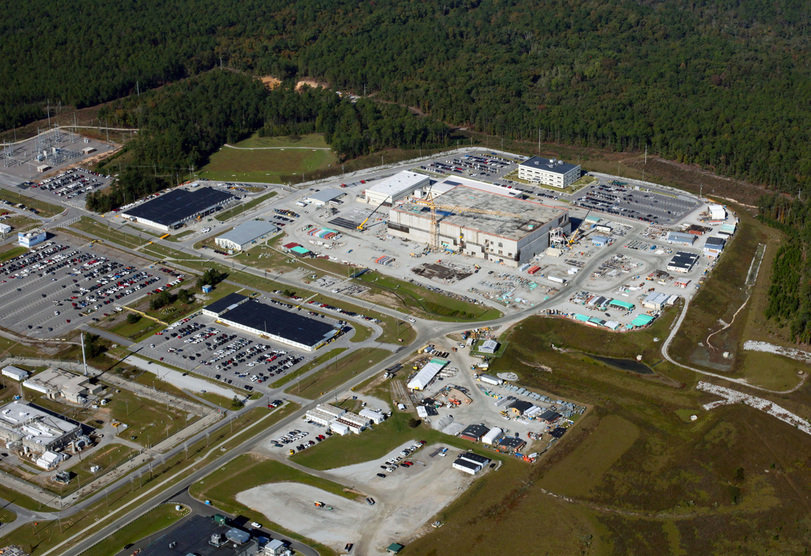
Production is to be split between Los Alamos National Laboratory in New Mexico and – for the first time – Savannah River Site in South Carolina.

DOE and NNSA had been relying on earlier environmental reviews and failed to provide an analysis of feasible alternatives to this two-site plan.

Photo: The heart of the MOX boondoggle cover-up: $17 billion MOX plant at Savannah River Site (SRS), terminated in 2018
 Some experts argue that none of the new pits are needed for maintaining safety and reliability of the existing, extensively tested nuclear weapons stockpile. JASON, an Independent group of elite scientists that advises the United States government on matters of science and technology (mostly of a sensitive nature) found that existing plutonium pits, some 15,000 of which are currently stored, have a shelf-life of at least a century, and at present have an average age of 42 years.

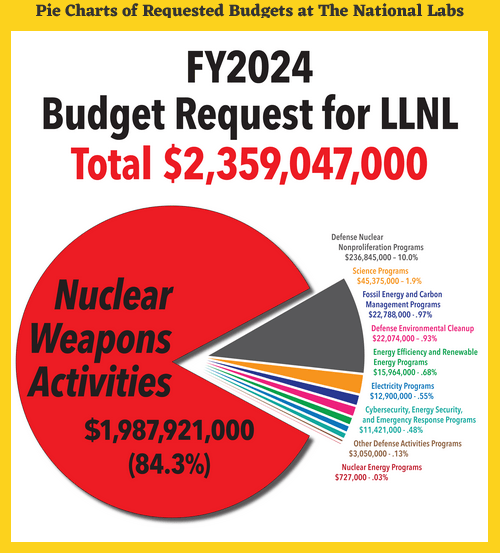
Instead, the monitoring groups say, the new pits are for “speculative new-design nuclear weapons that can’t be tested because of an international testing moratorium, or alternatively could prompt the U.S. to resume full-scale testing, which would have serious proliferation consequences.” They add that expanded pit production will cost taxpayers more than $60 billion over the next 30 years.

Continue reading “Judge’s Ruling a small Victory in Fight to Control Nuclear Weapons Proliferation – Marilyn Bechtel”

Permaculture Project: reinvent ourselves

The Free best colour Jan22  2012. _Page_300_Image_0001Why start with: what permaculture means? Because many people don’t know what  it means, A lot of people think that it’s the normal agriculture with nothing different and that you are crazy because in this time of crisis, catastrophes and war you think only about nature and having some lush vegetables in your garden…but permaculture or synergistic agriculture, as you prefer, is not only a method to work the soil and have lush and sane vegetables but it’s above all “taking care of people”. Continue reading “Permaculture Project: reinvent ourselves”

Help tp Outlaw Ecocide: interview with Polly Higgins

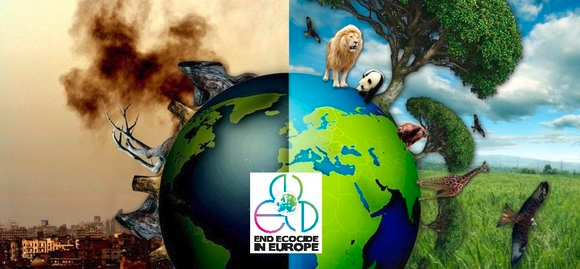
Healthy Planet and the Law of Ecocide – an Interview with Polly Higginsthunderclap


Alternatives to Political Systems, Biodiversity, Deforestation, Economics, Global Warming/Climate Change, People Systems, Society, Soil Erosion & Contamination, Water Contaminaton & Loss — by Marcin Gerwin April 18, 2013 Continue reading “Help tp Outlaw Ecocide: interview with Polly Higgins”

How to Do Permaculture: Free Download: Food Forest

Free Download:  How to do  Permaculture.   18pages

Check it out!  Hot Off the Press, Click below

A No-Non-Sense Guide to Establishing Permaculture Gardens & Food Forests on Boring Lawns

food forest

Hi there. 

Presumably you are here because something about edible landscaping, permaculture design,

agro-forestry or agro-ecology appeals to you. Great! Continue reading “How to Do Permaculture: Free Download: Food Forest”