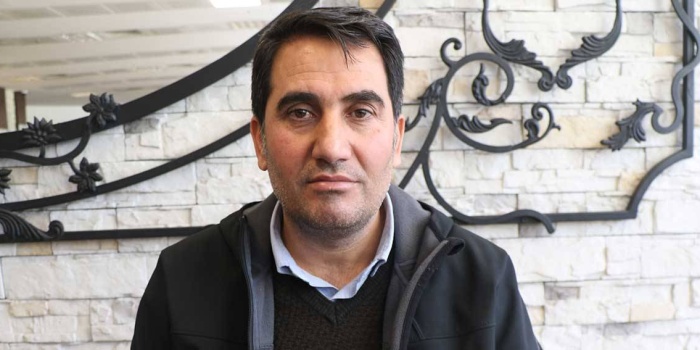
On Monday, November 22, 2021 A Turkish court has sentenced Kurdish singer Veysi Ermiş to a year and a half in prison for using the words “Kurdistan” and “guerrilla” in a song.
Ermiş is part of the Mesopotamian Cultural Center (MKM), a space for the promotion of Kurdish arts that has suffered persecution and outlawing since it was founded in Istanbul in 1991.
The judge has suspended the sentence because the musician has no background but he warned that in Turkey, using these two words is tantamount to praising the Partiya Karkerên Kurdistan (Kurdistan Workers’ Party, PKK) and the Koma Civakên Kurdistan (Confederation of Kurdistan Communities, KCK).
Email ThisBlogThis! Share to TwitterShare to FacebookShare to Pinterest
Original in Catalan
El cantant kurd Veysi Ermiş condemnat a un any i mig de presó per haver emprat la paraula “Kurdistan” en una cançó
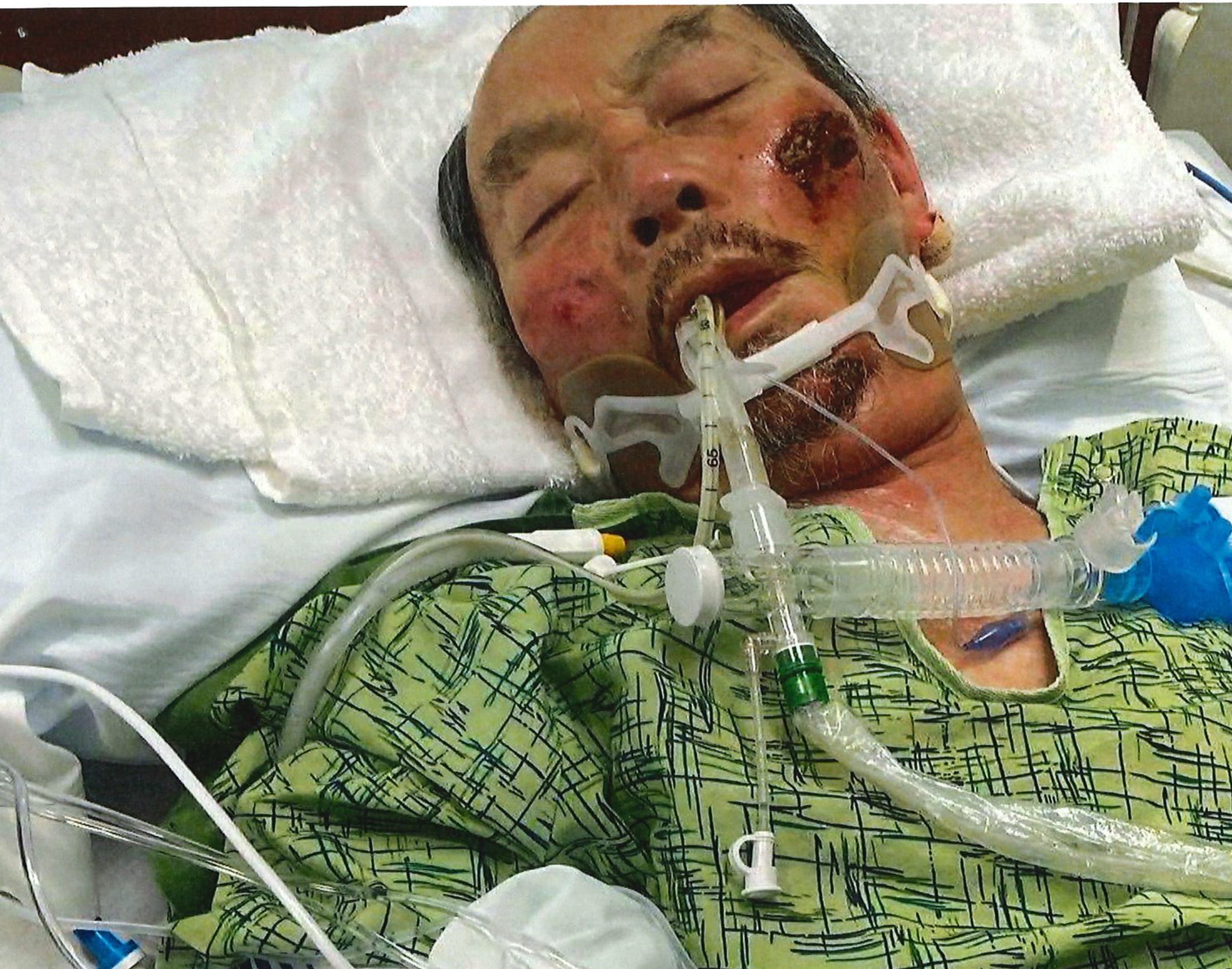
Sun Ng at Edward Hospital in Napierville, Illinois, where officials refused, until ordered by a court, to administer life-saving ivermectin for covid. (Photo by daughter Man Kwan Ng as submitted to the court.)
A Chicago-area judge saved a grandfather’s life with the single question that exposes hospitals blocking doctors from using a safe, FDA-approved drug: Why?
Sun Ng, a retired contractor from Hong Kong, traveled to Illinois to celebrate his only granddaughter’s first birthday. He got covid and was near death in a Chicago-area hospital. All other options were exhausted, but the hospital refused to give Mr. Ng a generic, FDA-approved drug with an extraordinary safety record that a doctor believed could safe his life.
Finally, a judge asked the right question about ivermectin.
“What’s the downside?”
Put another way: If a man is dying of covid in an ICU and all else has been tried, why not order a hospital to give a safe, last-ditch drug?
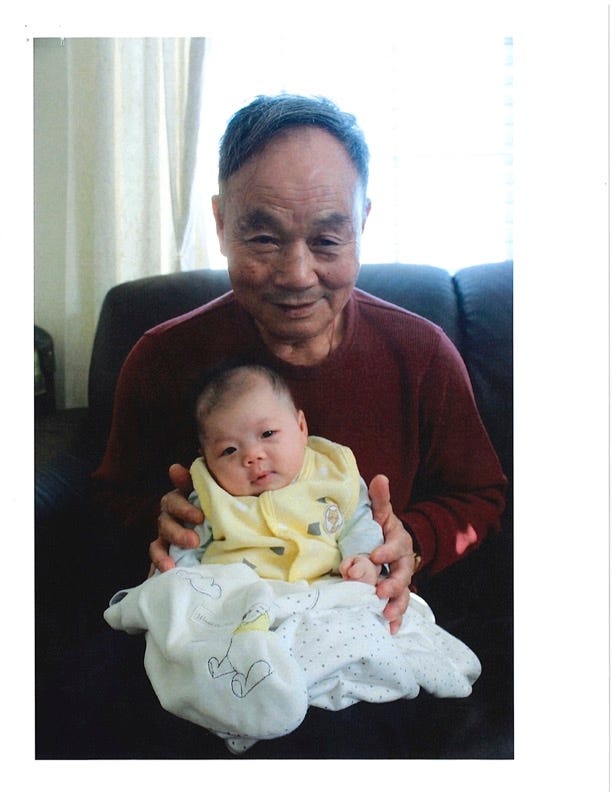
Sun Ng, 63, traveled from Hong Kong for his granddaughter Kaylie’s first birthday celebration on September 17. (Photo by daughter Man Kwan Ng as submitted to the court.)
Edward Hospital, located near Chicago, offered three arguments as to why Sun Ng, seventy-one, should not be given ivermectin:
There could be side effects.
Ordering ivermectin would violate its policies.
Forcing the issue would be “extraordinary” judicial overreach.
On each argument, DuPage County Circuit Court Judge Paul Fullerton firmly disagreed.
“I can’t think of a more extraordinary situation than when we are talking about a man’s life,” he said in a November 5 decision that is a model of rational decision-making in an irrational era.
“I am not forcing this hospital to do anything other than to step aside,” he continued in a Zoom hearing. “I am just asking—or not asking—I am ordering through the Court’s power to allow Dr. Bain to have the emergency privileges and administer this medicine.”
The hospital ultimately stepped aside. Dr. Alan Bain, an internist, administered a five-day course of 24 milligrams of ivermectin, from November 8 through November 12.
Ng, who with his wife, Ying, had come from Hong Kong to celebrate their granddaughter’s birthday, was able to breathe without a ventilator within five days—he, in fact, removed the endotracheal himself.
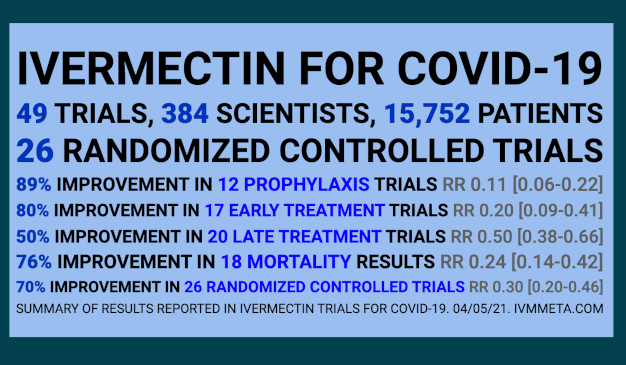
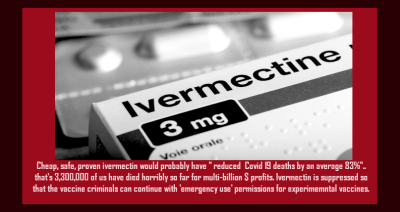
This estimate is from July 2021. By now it would be more like 5 million of us have died due to the administrative banning of Ivermectin around the world. (83 % of Deaths)
He left the ICU Tuesday, November 16, and, although confused and weak, was breathing Sunday without supplemental oxygen on a regular hospital floor.
“Every day after ivermectin, there was accelerated and stable improvement,” said Dr. Bain, who administered the drug in two previous court cases after hospitals refused. “Three times we’ve shown something,” he told me. “There’s a signal of benefit for ventilator patients.”
Ng’s remarkable progress stands in sharp relief to the repeated attempts by Edward-Elmhurst Health, the hospital’s managing system, to thwart the use of ivermectin. It succeeded in having the court’s initial November 1 order dismissed by claiming Ng was in better health than his lawsuit contended (he wasn’t). It then defied the November 5 order, saying Dr. Bain was not vaccinated (a negative test resolved the issue).
Moreover, after Ng’s treatment was complete, the hospital system filed notice that it would appeal the order that had already been carried out. It did this even though Sun Ng seemed to have benefited greatly.
The patient’s improvement, or condition generally, did not seem to matter.
At the outset, the hospital argued against court intervention, saying, “Mr. Ng is not terminal at this point.” But it was forced to admit that he had for days teetered on the brink of death after Ng’s daughter and only child, Man Kwan Ng, spoke to a hospital doctor November 3—and took copious notes that were submitted to the court.
“I am not forcing this hospital to do anything other than to step aside.”
The doctor told Dr. Ng, who holds a PhD in mechanical engineering, “He has been in the same state for many, many days…critically ill,” according to a court affidavit. A nurse, meantime, suggested that Dr. Ng “stop all this aggressive care and let [her father] die naturally.”
The hospital doctor estimated that “someone in his condition being on a ventilator like that has a 10 or 15 percent chance of survival,” the judge recounted in his decision.
That bleak prediction wasn’t an option for Ng’s wife of forty years or the daughter fighting on his behalf. “We love him dearly,” Dr. Ng said in court papers. “He is our world…I cannot give up on him, even if the Defendants have.”
The judge’s finest moment may have been when he dashed the most glaring myth about ivermectin—that it is not safe, despite decades of use that shows otherwise. Noting that all drugs have side effects, Judge Fullerton listed ivermectin’s effects from a government website.
“(N)umber one, generally well tolerated; number two, dizziness; number three, pruritus; number four, nausea/diarrhea. These are the side effects for the dosage that’s being asked to be administered,” he said.
“The risks of these side effects are so minimal that Mr. Ng’s current situation outweighs that risk by one-hundredfold.”
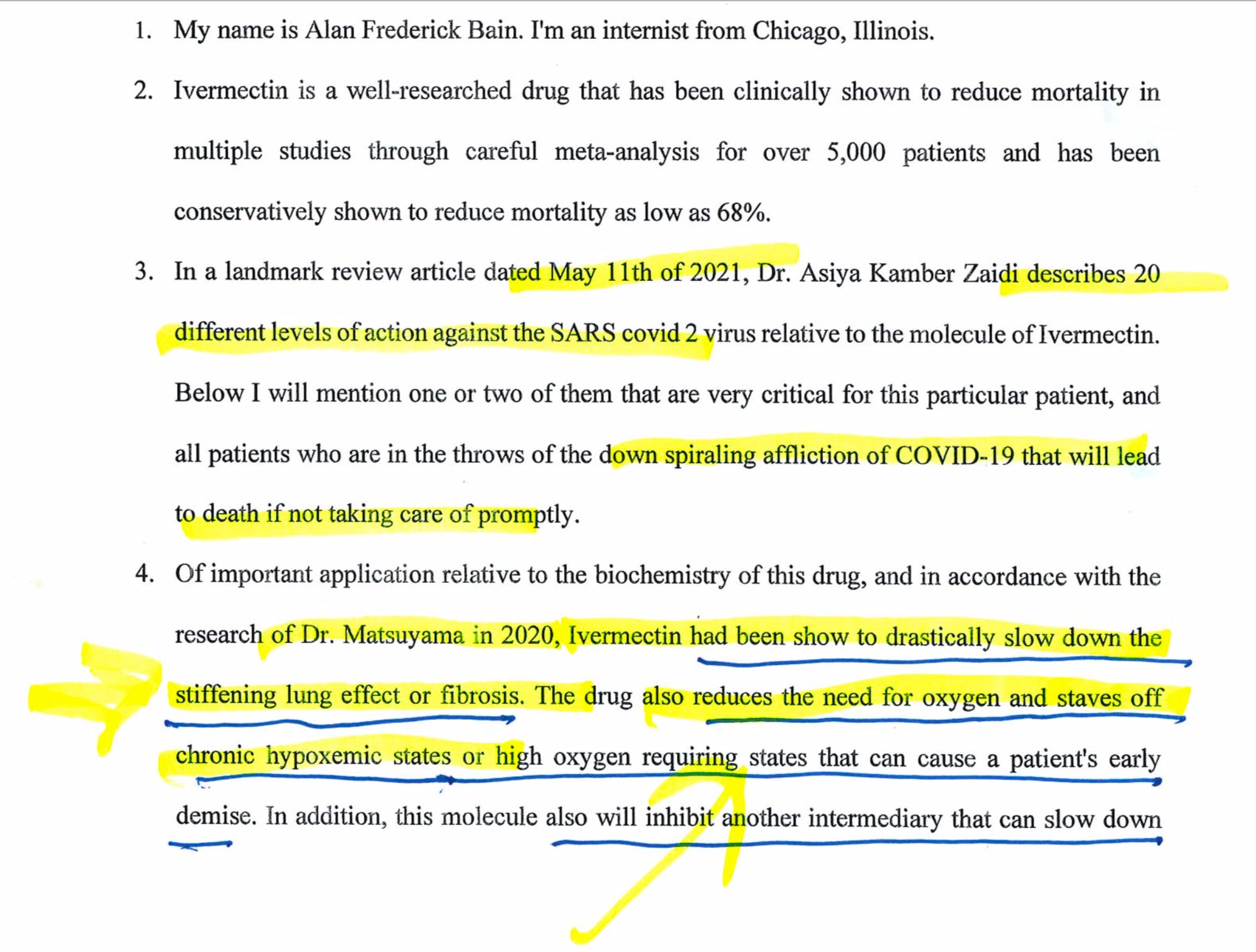
Dr. Alan Bain, having been first duly sworn, deposes and says as follows:
Dr. Alan Bain gave a supplemental affidavit testifying to his successful use of ivermectin to treat covid-19 in gravely ill patients. Judge Fullerton ordered the hospital to “step aside” and allow him to give the drug that saved Mr. Ng’s life.
If he hadn’t yet made his position clear, the judge then addressed the statement by a hospital doctor who, the judge said, “testified that the risk is that there is no benefit.”
On the contrary, the judge said, “The possible benefit this Court sees is helping save Mr. Ng’s life with this drug.”
Ralph Lorigo is a Buffalo, New York, attorney who represented Ng and has received inquiries on behalf of fifty more patients since September. He said the Ng case was by far the costliest so far with three decisions, four court appearances, and now an appeal that is certainly moot.
“That’s a terrible set of circumstances that people have to hire a lawyer to save a loved one’s life,” Lorigo told me. “That is a crime.”
Lorigo battled another hospital in the Edward-Elmhurst Health system last spring in a similarly drawn-out case to get ivermectin for Nurije Fype, sixty-eight. Her case inspired Dr. Ng to file suit—for good reason.
Desareda Fype, who was a fierce advocate on her mother’s behalf, texted me last week: “Mom is doing sooo good, thank God! It’s been 4.5 months. Mom is home from the hospital and getting stronger each day!”
In an interview Sunday, Dr. Ng said her father is not out of the woods yet. But ivermectin made a clear difference, she said. Before given the medication, every attempt to wean her father even briefly from the respirator failed. Within eight hours on the medication, he was able to undergo a one-hour breathing trial. “I am positive,” she told me when I asked if she credits ivermectin.
While Dr. Bain was well aware of ivemectin’s ability to fight the covid virus in early infection, even he was surprised to discover its late-stage effectiveness.
“It quells the fire of the inflammatory storm and also helps to lower the progression of stiffened lungs—aka pulmonary fibrosis,” he said. “That’s the beauty of this drug. I’m not saying it’s a cure. It’s just amazing.”
In the following report, Pranav Jeevan P explores the conflict between the farmers and the far-right government of Prime Minister Narendra Modi, the character of the movement that the farmers initiated, and the means by which they triumphed.
In the following report, Pranav Jeevan P1 explores the conflict between the farmers and the far-right government of Prime Minister Narendra Modi, the character of the movement that the farmers initiated, and the means by which they triumphed.
“People shouldn’t be afraid of their governments. Governments should be afraid of their people.”
– Alan Moore, V for Vendetta
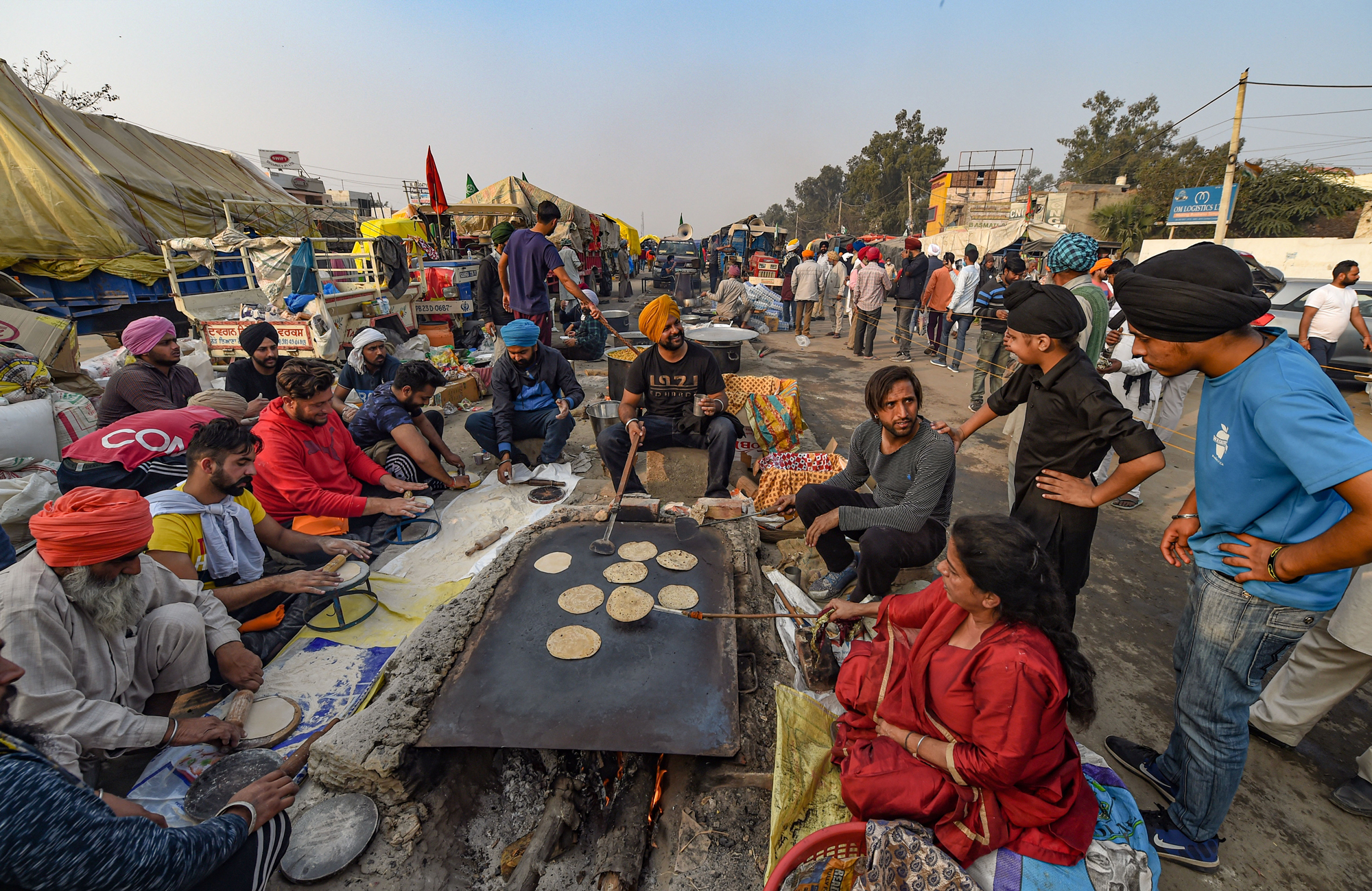
Farmers in India have won a historic victory against state efforts to privatize the agricultural sector for corporate exploitation. The authoritarian right-wing Bharatiya Janata Party (BJP) government led by Prime Minister Narendra Modi finally had to bow before the farmers’ protests, accepting the demand to repeal the three anti-farmer laws. The success of the year-long farmers’ struggle shows that horizontal, self-organized, decentralized protests can involve hundreds of thousands of people—that they can persist against tremendous obstacles—that they can triumph even against determined authoritarian regimes.
Neither corporate media propaganda, nor state repression, nor attacks by pro-government mobs succeeded in suppressing the farmers. The protests became one of the largest anti-corporate and anti-government mass movements in the world, identifying the corporate-government nexus as enemies of the freedom, well-being, and self-determination of the rest of the population of India.
Even when parliamentary opposition to the reigning regime is weak, the judiciary is silent about the injustices people face, and bureaucracy serves the oppressors to pave the way for more exploitation, mass movements can always find a way to defeat these systems of oppression.
The farmers were able to sustain these massive protests month after month in the face of so much hardship for two reasons: self-organization and decentralization.
No single leader commanded the protests; meetings involving all the farmers’ unions made all the decisions together. The participation of women and landless laborers added to the cause, addressing their concerns and creating a unified front that cut across the usual fault lines of Indian society.
Since the very beginning of the covid panic, the narrative has been this: implement severe lockdowns or your population will experience a bloodbath. Morgues will be overwhelmed, the death total toll will be astounding. On the other hand, we were assured that those jurisdictions that implement the lockdown would experience only a fraction of the death toll.
Then, once vaccines became available, the narrative was modified to:
“Get shots in arm and then covid will stop spreading. Those countries without vaccines, on the other hand, will continue to face mass casualties.”
The lockdown narrative, of course, has already been thoroughly overturned. Jurisdictions that did not lock down or adopted only weak and short lockdowns ended up with covid death tolls that were either similar to—or lesser than—death tolls in countries that adopted draconian lockdowns. Lockdown advocates said locked-down countries would be overwhelmingly better off. These people were clearly wrong.
Undaunted by the increasing implausibility of the lockdown narrative, the global health bureaucrats are nonetheless doubling down on forced vaccines—as we now see in Austria—and we continue to be assured that only countries with high vaccination rates can hope to avoid disastrous covid outcomes.
Yet, the experience in sub-Saharan Africa calls both these narratives into question: Africa’s numbers have been far, far lower than the experts warned would be the case.
[T]here is something “mysterious” going on in Africa that is puzzling scientists, said Wafaa El-Sadr, chair of global health at Columbia University. “Africa doesn’t have the vaccines and the resources to fight COVID-19 that they have in Europe and the U.S., but somehow they seem to be doing better,” she said….
Fewer than 6% of people in Africa are vaccinated. For months, the WHO has described Africa as “one of the least affected regions in the world” in its weekly pandemic reports.
There have been as many as 8-10 deployments of U.S. Arleigh Burke-class guided-missile destroyers, equipped to launch Standard Missile-3 anti-ballistic missiles, to the Black Sea so far this year. There have also been regular deployments of U.S. strategic/nuclear-capable B-1, B-2 and B-52 bombers over the Black Sea region this year as part of Bomber Task Force Europe. See: 30 flights, some only 12 miles away: U.S. bombers practiced nuclear attacks on Russia – DM
[T]he U.S. Embassy in Kyiv posted a diplomatic warning called “A Black Friday public service announcement” on its Twitter account.
“To distract from the truth, you may hear Russian officials make false claims about the Black Sea,” the embassy said in the video, adding a photo of Russian Foreign Minister Sergei Lavrov saying: “We see deliberate provocations.”
Ansarullah continue gaining ground, aided by their drone and missile abilities, and despite continual blitzing from the air by Saudi forces using US intelligence.
The Yemeni forces advanced on the southern gates of the central Marib city, pushing Saudi-backed militants loyal to former president Abd Rabbuh Mansur Hadi further back.
According to a report published on Friday by Lebanese al-Akhbar daily, Saudi forces and their mercenaries failed to stop Yemeni soldiers and their allies from making rapid advances on the southern flank of the provincial capital city.
Hadi loyalists have already withdrawn from most of their positions in the eastern and central parts of the Balaqin sub-district over the past two days, despite intense airstrikes carried by Saudi warplanes in their support.
The paper, citing local military and tribal sources, said Yemeni army troops and Popular Committees fighters have made major advances on the western outskirts of Falaj area after establishing control over all heights overlooking the region.
Sources close to pro-Hadi forces said their defeats appear to…










 The Free